Colleen Grablick
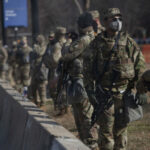
Thousands of National Guard troops will remain in D.C. through at least March, continuing the extraordinary militarization of the city in the days leading up to President Joe Biden’s inauguration, albeit at a lesser scale.
According a National Guard spokesperson, 7,000 members will “continue supporting federal law enforcement agencies” in the city, drawing down to 5,000 by mid-March. The members were requested to assist with “security, communications, medical evacuation, logistics, and safety,” but the spokesperson could not identify who made the request.
Federal law enforcement officials requested the troops to protect from potentially violent protests surrounding former President Donald Trump’s impeachment trial, which starts Feb. 8, sources familiar with the matter told Politico.
In the wake of the insurrection of the U.S. Capitol, the National Guard deployed more than 25,000 members to secure the inaugural events, with troops heavily fortifying a downtown security corridor and stretching into other residential neighborhoods.
About 15,000 soldiers — who came from all 54 guard services in the states, territories, and D.C. — are slated to start returning home as early as this weekend, Military.com reports. But the remaining military presence reflects ongoing fears of threats from extremist and white nationalist groups.
“The threat of right wing extremism is here. We saw it on Jan. 6, and it will continue to be a persistent and real threat to the District of Columbia and to our region as well,” D.C. Homeland Security and Emergency Management Agency Director Chris Rodriguez said on Thursday, declining to identify any specific threats.
Mayor Muriel Bowser has warned that residents should prepare for a “new normal” following the violence on Jan. 6.
“We are also evaluating now, the rest of the year, the next three weeks, the next six weeks, intelligence from our federal partners that would suggest that we need more presence,” Bowser said at a press conference on Thursday.
D.C. National Guard troops have been requested to remain through Jan. 30, assisting with crowd control and traffic management. (Without statehood, the mayor does not have the same authority as a governor would in requesting the District’s National Guard troops. She can only request them through the Secretary of the Army, and that request then needs approval from the Secretary of Defense.)
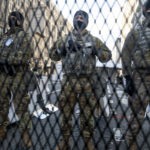
While some residents said they felt safe with the various law enforcement agencies protecting the Capitol for Inauguration Day, the measures created an eerie disruption to daily life, and some worry the security response will permanently alter the public’s access to the city. In addition to the continued presence of troops, a seven-foot tall fence erected to protect the Capitol is set to stay up at least through January — a stark visual reminder of the heightened security.
There has also been tension over accommodations for the troops, particularly after images surfaced of soldiers sleeping in a parking garage this week. President Biden called the head of the National Guard to express “dismay” over the account, the Associated Press reported, citing White House press secretary Jen Psaki.
Both Bowser and Rodriguez said this week that they will consider requesting a National Special Security Event during any joint session of Congress — a period of enhanced security overseen by the Secret Service that allows for collaboration between city and federal law enforcement agencies. No such request has been made yet for an upcoming joint session, according to Bowser.
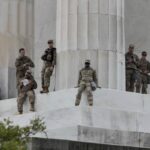
On Saturday morning, three days after the Inauguration and more than two weeks since the deadly riot at the Capitol, the National Mall remained quiet, with soldiers making up the majority of photo-snapping tourists.
https://twitter.com/margaretbarthel/status/1352991762026029056
More:
Your Questions About How The National Guard Works In D.C., Answered
Are National Guard Troops Deployed To D.C. At Risk Of Spreading The Coronavirus?