Colleen Grablick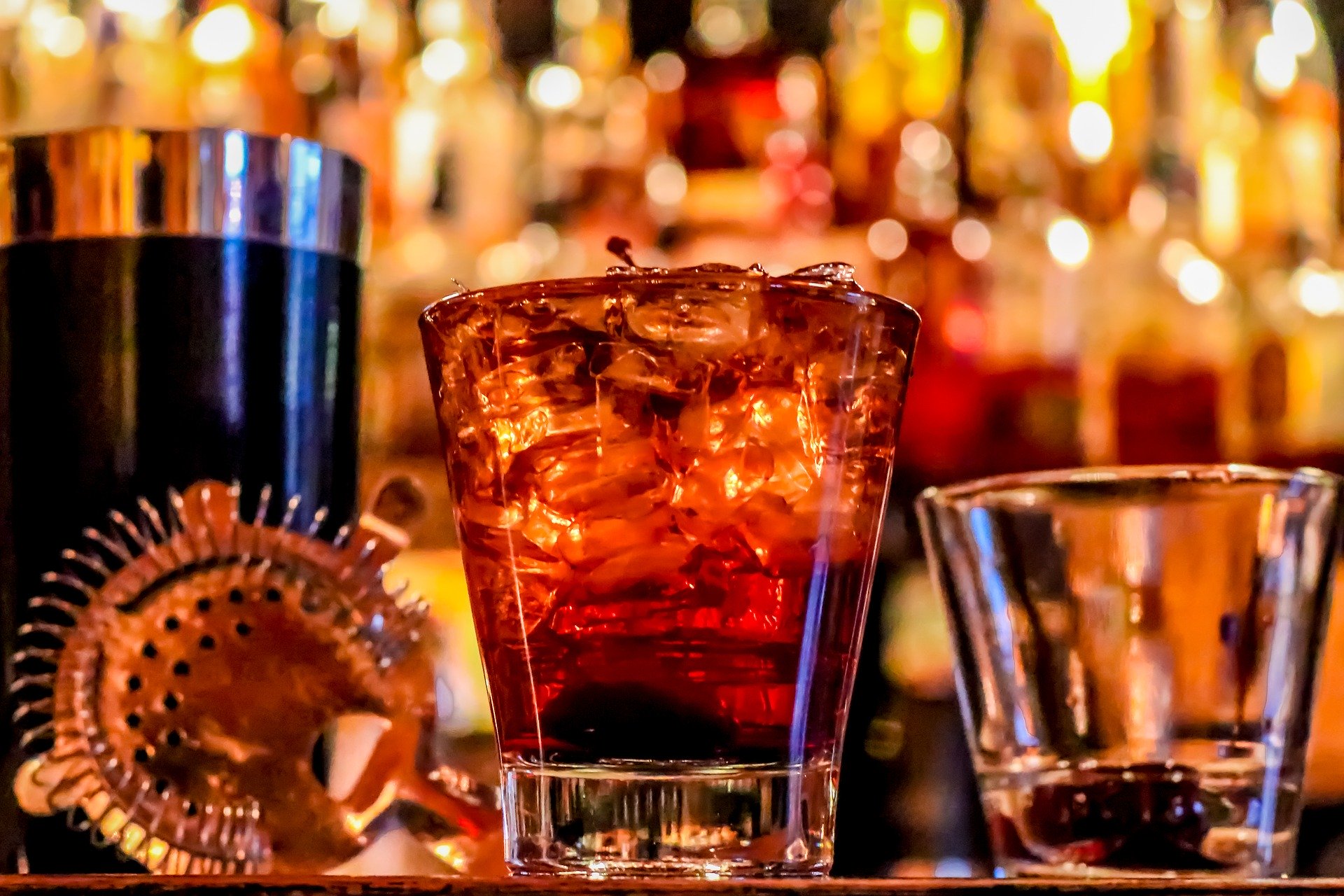
It’s not exactly New Orleans, but it’s getting close.
As part of a sweeping reform of D.C. liquor laws unveiled on Tuesday night, D.C. Mayor Muriel Bowser is proposing creating designated areas for public alcohol consumption — along with a slew of other regulatory provisions aimed at boosting the city’s economy.
Dubbed the “Reopen Washington, D.C., Alcohol Act,” the legislation would allow patrons to consume alcohol purchased at a bar or restaurant within a “commercial lifestyle center,” a large-scale commercial or mixed-use area like The Wharf, City Center, the Georgetown Waterfront, or the Entertainment and Sports Arena.
The commercial lifestyle center concept actually came from Virginia, where customers can purchase alcohol at a business and carry it through designated areas. Two of these special zones already exist in Arlington.
These new areas for alcohol consumption wouldn’t be booze free-for-alls, though; Bowser’s bill includes a number of restrictions. They wouldn’t be BYOB — only alcohol sold by the licensed restaurants, taverns, nightclubs, hotels, or private clubs within the commercial lifestyle center would be permitted, and drinks would have to be clearly identified in branded glasses or cups. Customers would have to remain seated while consuming food and alcohol in the common areas of the lifestyle centers, which would close at 11 p.m. on weekdays and midnight on weekends.
While the bill stops short of making public drinking legal in D.C. — a demand made by some during the pandemic, when socialization was relegated to outdoor park meet-ups and restaurants pivoted to take-out cocktails — Bowser’s proposals were viewed by some as a small step in the right direction. But the new regulations could raise equity questions, permitting public drinking in commercial (and largely affluent) areas while still outlawing purchasing a drink at a corner store and consuming it outside or in public parks. In neighboring Montgomery County, officials suspended the ban on drinking in parks last September, and the suspension is set to last through May.
In addition to creating these new commercial lifestyle centers, Bowser’s 40-page bill includes a slew of other changes — both big and small — to D.C.’s business, zoning, and alcohol regulations.
One provision aims to bring more grocery stores specifically to wards 7 and 8 — two jurisdictions that are currently considered food deserts. (There are just three grocery stores for the 150,000 residents who live east of the Anacostia River.) The bill would allow a new grocer to sell beer, wine, and spirits, and individual containers of certain alcohols provided they make up no more than 25% of the store’s total sales. Anyone interested in applying for the license would need to operate such a store in wards 7 and 8 for a minimum of six months before opening a location in any other ward.
Other aspects of Bowser’s proposal build on the new emergency changes and pilot programs put in place to support businesses during the pandemic. They include extending streateries and regulating to-go alcohol sales by third-party companies. Businesses currently operating outdoor streateries can continue through the remainder of 2021 at no cost under the legislation, and reapply in 2022 and 2023 to operate during the months of May through October, for a one-time registration fee of $100.
“I have charged my Administration with developing bold, innovative solutions to ensure our businesses and the workers they employ can thrive beyond this pandemic,” Bowser said in a statement on Tuesday. “As we continue to focus on boosting the District’s economy, this legislation will move us in the right direction by removing hurdles for businesses and providing new ways to bring in revenue.”
Other small regulatory changes include amending the definition of “spirits” from alcoholic volume percentage of 15% to 21%, and amending the definition of “entertainment” to include trivia nights with microphones. The bill would also prohibit nightclubs in the Georgetown Historic District (where there are currently zero), but allow for new taverns, and would allow nude nightclubs previously located in Buzzard Point to move to a new spot somewhere else in the city within two years.