 Mikaela Lefrak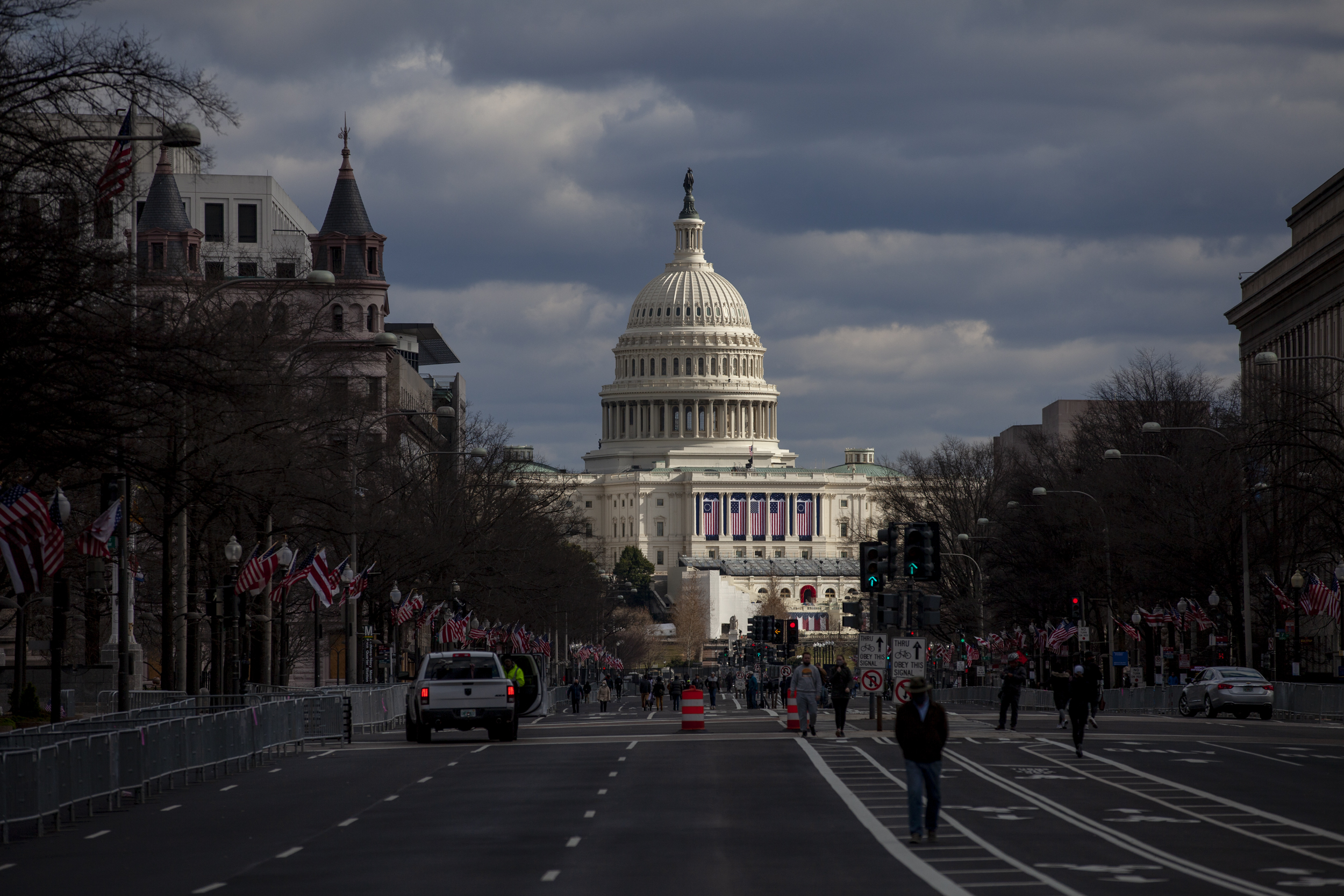
A bill to make Washington, D.C. the 51st state was introduced to the U.S. Senate on Wednesday, marking another incremental victory for local statehood advocates.
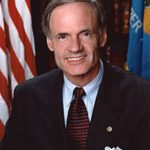
Senator Tom Carper (D-DE) introduced the Washington DC Admissions Act, S.B. 51, with a record 38 co-sponsors. Carper first introduced the bill in 2013.
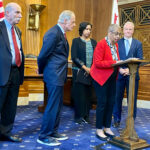
D.C. Delegate Eleanor Holmes Norton introduced the companion bill to the House earlier this month with 202 co-sponsors — another record.
“We are deeply indebted to Senator Carper for his unending efforts for D.C. statehood and his priority in reintroducing the Senate companion to our D.C. statehood bill this year with a record number of original cosponsors,” Norton said in a statement. “There’s never been a time when statehood for the District was more likely.”
D.C. statehood has attracted increased attention in the past year, starting with the House’s historic passage of H.R. 51 last June. That vote marked the first time a chamber of Congress had ever passed legislation in support of D.C. statehood. However, the bill never came to a vote in the Republican-controlled Senate.
President Joe Biden’s win in November added further fuel to the fire, as did the runoff elections for Georgia’s two Senate seats, both of which went to Democrats. The two victories in Georgia gave Democrats control of the Senate, albeit by the narrowest margin possible.
Then, the insurrection at the U.S. Capitol on Jan. 6 and the ensuing controversy over federal law enforcement’s response renewed demands for statehood. Advocates pointed to the lack of local control over the D.C. National Guard as one of the reasons why the mob was able to breach the Capitol.
With Democrats in control of both chambers of Congress and the White House, many statehood advocates say 2021 could be the year that their cause finally moves forward, after years of languishing in the legislative process. D.C. Mayor Muriel Bowser has even called on Congress to pass statehood legislation in the first 100 days of the Biden administration.
However, for that to happen, 21 more senators would need to come out in support of statehood. Due to the filibuster, 60 senators must agree to end debate on a piece of legislation before it can get to a vote. Because Democrats control the Senate by such a narrow margin, Republican senators can still easily filibuster their agenda.
The other path to getting the bill through the Senate would be to bypass the filibuster. It’s an attainable, albeit politically fraught, solution. The filibuster has been one of the main topics in Senator Mitch McConnell’s (R-KY) recent negotiations with Senate Majority Leader Chuck Schumer (D-NY). McConnell agreed to drop his demand that Democrats preserve the filibuster, the New York Times reported Monday. But McConnell only did so because he has two centrist Democrats on his side: Sens. Joe Manchin III (D-WV) and Kyrsten Sinema (D-AZ) have long opposed getting rid of the filibuster.
Despite the continued hurdles, local and national Democratic politicians chimed in on Twitter to voice their support for the Senate statehood bill.
https://twitter.com/ChrisVanHollen/status/1354439032755908608?s=20
Stasha Rhodes, the director of the statehood advocacy organization 51 for 51, called the push for statehood “the most urgent civil rights fight of our lifetimes.”
This story is part of 51st, a WAMU podcast series about Washingtonians’ fight for representation. Subscribe here.