 Carmel Delshad
Danah Harbi’s love story with her fiancé began with a trip to Lebanon in early 2016. The 38-year-old Syrian American flew to the country to provide aid to refugees, spurred to action by a viral image of a Syrian boy who drowned trying to cross from Turkey to Greece. Harbi and her brother boarded a flight to Beirut to deliver aid to refugee camps. As an optometrist, she brought suitcases full of gear to set up a clinic within the camps.
It’s there she met Mashaal Hamoud, the Syrian field coordinator for an NGO. They worked alongside one another and eventually kept in touch after she came back to Falls Church, Virginia.
“The next several months, our relationship kind of morphed into something more than just kind of work related,” Harbi says.
They got engaged in April 2017, months after the Trump administration began to severely tighten immigration from several majority-Muslim countries, including Syria, Iran, Yemen and Sudan.
Harbi was relieved after Joe Biden won the presidency last November. He made a campaign promise to rescind the travel ban on day one. And he did — Biden signed an executive order ending the ban on January 20. Even though the travel restrictions have been lifted, there’s still four years’ worth of immigration backlogs the government will need to sort through — and thousands of families who are still being kept apart.
Back in 2017, Harbi initially thought she and her fiancé wouldn’t be affected by Trump’s travel ban, which the administration said was a matter of national security.
“We were going to follow all the protocols. We were going to provide everything they asked of us,” she says. “We had nothing to hide, we still have nothing to hide. We’re just trying to start our lives together under one roof in one country.”
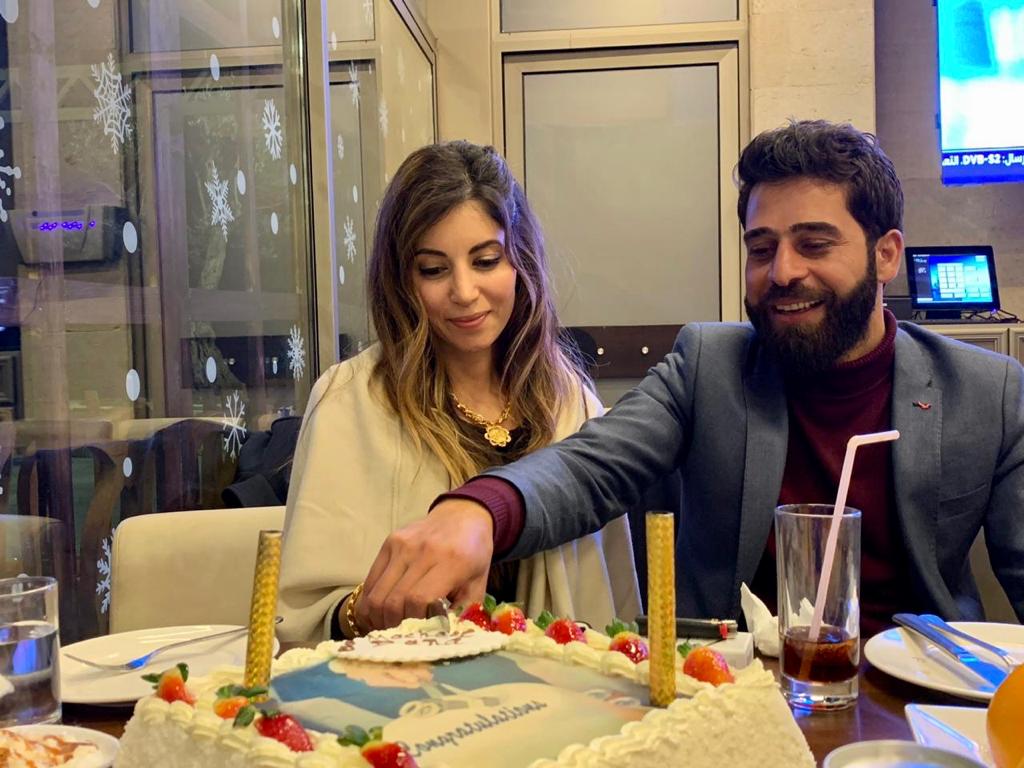
The couple applied for a fiancé visa in December 2017 to bring Hamoud to the U.S. and they were optimistic it’d be approved.
Three years later, Hamoud is still in Lebanon. The visa application is still pending. And the stress of a long-distance relationship is taking a toll on Harbi: the long flights overseas for visits; the video calls in between; the pandemic; all a reminder of their indefinite separation.
“I did start seeing a therapist. I was diagnosed with depression, anxiety and severe stress. And so … it’s just hard,” she says.
Harbi hopes Biden’s immigration changes will mean she and her fiancé can finally be together permanently in America. She wants Hamoud to see her pregnant with their first child, and be next to her for the delivery in April. With a little over two months to go until her due date, Harbi says the pressure is on to get Hamoud here in time. If not, Harbi plans on going to Lebanon after she and the baby are cleared to travel.
“Most people have already started or are starting to plan their nurseries and things like that,” Harbi says. And I am kind of in limbo because, do I buy a crib if I end up going back to Lebanon and spending six months to a year there? Do I really even need to invest in creating a nursery here?”
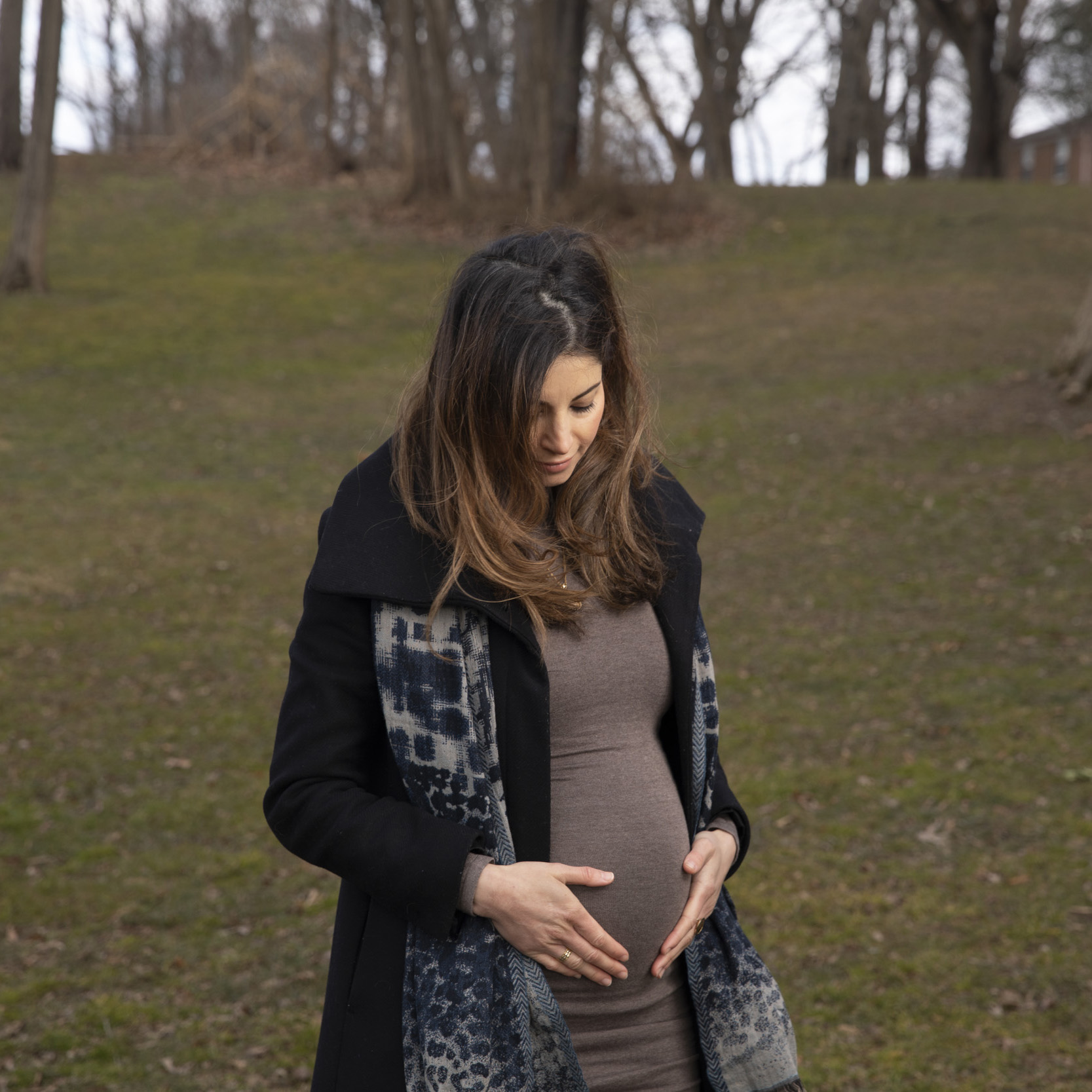
These are all questions that keep Harbi up at night. And they’re ones Madihha Ahussain, with the civil rights group Muslim Advocates, hears all too often.
“People have been unable to attend birthdays, graduations, weddings, funerals — just the normal milestones or life occasions and events that we tend to want to be at for our family members. The reality for so many people has been that they were not able to do that,” Ahussain says.
While she applauds the Biden administration’s move to rescind the travel ban, she says there’s still a lot of work ahead.
“Yes, [the ban] is no longer law. But countless families have already been impacted by this. So we have to undo what we’ve done. And that doesn’t just happen overnight, because there are agencies involved, there are processes involved,” Ahussain says.
This four-year pileup of work is one reason why Ahussain and other immigration advocates are pushing for Congress to pass the No Ban Act, which would bar any future administrations from implementing similarly broad immigration bans. Without such a law, Ahussain says, families are left wondering, “Will this happen again?”
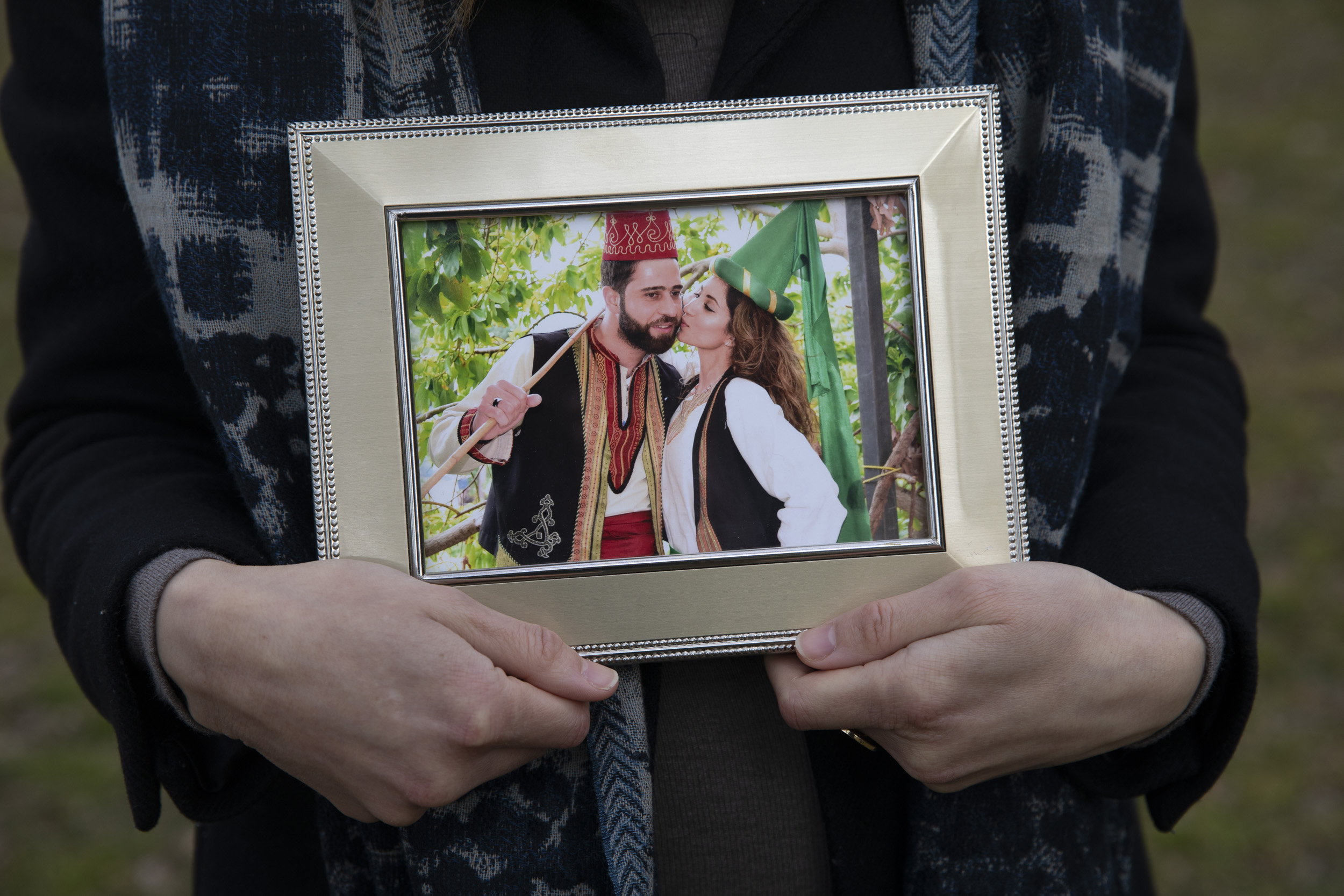
Mona, an Iranian American who lives in Maryland, was three months pregnant when the travel ban became law in 2017. She declined to give her last name for fear of reprisal, as she now tries to bring her mother to the U.S.
She wanted her mother to join her in 2017, but says she didn’t bother applying knowing the travel ban was in place.
“All my hopes for her to be with me or I’d be with her kind of basically faded away,” Mona says. “So I didn’t even try to apply for her because at that time it was like getting worse and worse every month.”
Mona gave birth to her first child without her mother by her side.
“It still makes me emotional that I know my mom couldn’t be with me. I just told her after I gave birth to my daughter. I didn’t want her to be worried while I was in labor. I think it was hard for both of us,” she says.
Mona says living far away from family is a loss similar to death. And that pain became even more real for her after her father passed away in Iran last year.
“It’s like losing your dad twice because you’re losing him and you’re not with him,” says Mona.
And now, WhatsApp is Mona’s only connection to her mom, and her mom’s only connection to her grandchild.
“My daughter barely knows her because she just know her as like in WhatsApp, as a person in a phone that gave birth to me. So my mom keeps telling me, ‘I miss you so much that I cannot breathe anymore.'”
Mona applied for a visa for her mom in January 2020, hoping to get a waiver for her to come to the U.S. Just this month, her application was approved to move forward. Mona knows there’s still a lot of paperwork to get through before they’re reunited, but she’s finally optimistic for the road ahead. She says she can’t wait to wrap her arms tight around her mom, and feel her embrace.
The only thing she wants, Mona says, is to hug her mom and put her head on her lap and drift away to sleep.