 Dominique Maria Bonessi
 Jenny Gathright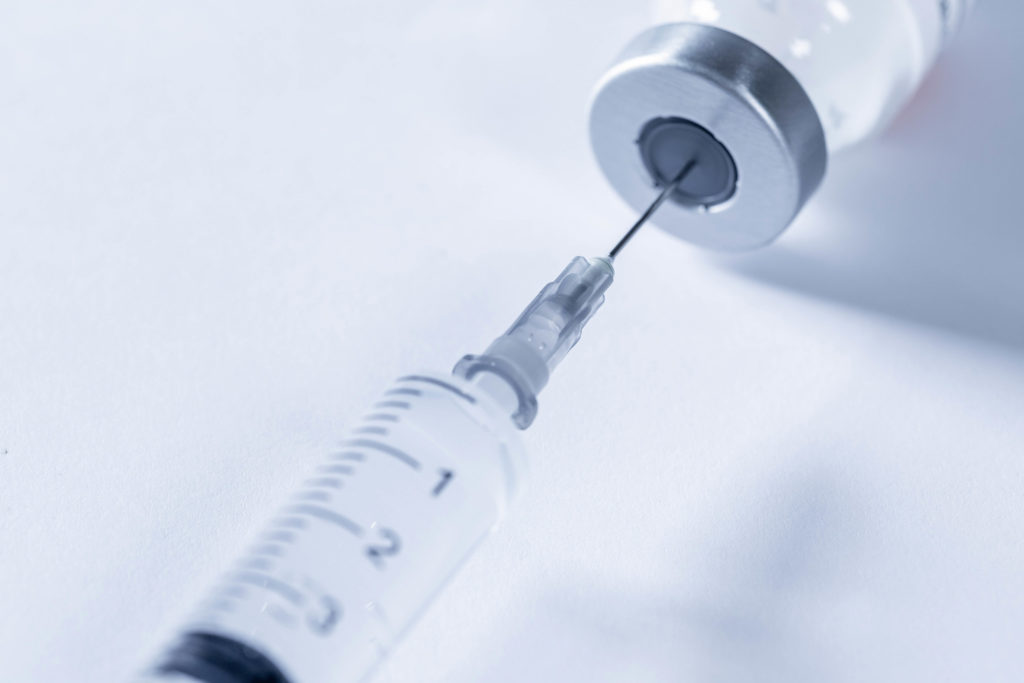
People experiencing homelessness in D.C. began receiving vaccinations this week as part of the city’s phased rollout of the coronavirus vaccine. D.C.’s Department of Human Services is partnering with Unity Health Care, the city’s main provider of medical care to the homeless, to administer the shots.
At least 23 people in the city’s homeless service system have died from the coronavirus, and at least 464 have tested positive. DHS Director Laura Zeilinger said Wednesday that vaccinating people experiencing homelessness would be key to community safety, particularly because the risk of virus transmission is high in congregate settings like shelters.
“We’ve been really vigilant, [with] as many safety measures as we can possibly put in place to make sure our programs are safe, but we can’t avoid transmission altogether,” said Zeilinger.
On Tuesday, 115 people experiencing homelessness got the first dose of the vaccine. DHS Director Laura Zeilinger said the people who received the vaccine were all part of the PEP-V program, which has been providing hotel rooms to 200 of the most elderly and medically vulnerable unhoused people to protect them from the coronavirus.
Next week, people staying at the city’s congregate shelters will also have the opportunity to be vaccinated.
Eric Sheptock, a homeless advocate, resides at the Community for Creative Non-Violence Shelter in Northwest. He was forced to quarantine in a hotel room from April to mid-May last year because his roommate—who slept just 8.5-feet from him—contracted the virus, he says.
Sheptock says residents at the shelter were told Wednesday that they would have the choice to get vaccinated starting next week. But the 51-year-old says he’s not sure he wants to get the vaccine yet.
“I’m not a senior citizen. I’m active,” Sheptock said. “For me getting a vaccine is not a top priority…I would be willing to get it if the risk is low enough.”
He says DHS needs to make sure they’re communicating to those in the shelters why the vaccines are important to combating the spread of the virus. He also says he would prefer a shot that would only require one dose. “If we get vaccinated, I personally would opt for the Johnson and Johnson vaccine because it’s one [shot] and done,” Sheptock said.
But the city has been using vaccines from Pfizer and Moderna, both of which require two doses three weeks apart from each other (and are much more effective than the Jonson and Johnson vaccine).
“We are worried about people making it back for that second dose,” Adam Rocap, deputy director of Miriam’s Kitchen, a non-profit that assists those experiencing homelessness, tells DCist.
According to the Centers for Disease Control and Prevention, “public health workers, healthcare workers, and homeless service staff should work together to promote follow-up by recording up-to-date contact information, ensuring dose information is available to vaccine providers… providing multiple and easy-to-access opportunities to get a COVID-19 vaccine, integrating reminders into routine interactions, and conducting outreach to connect with individuals who might otherwise be lost to follow-up.”
Rocap added that he’s also worried about his clients who don’t live in shelters, and whether they’ll be able to get the vaccine.
Zeilinger said people staying at the city’s hypothermia locations, the expanded list of shelters available in the winter, will also be prioritized for vaccines.
“When you look by-and-large at the demographics of people who experience homelessness in our community, it takes a toll on the body,” said Zeilinger. “People oftentimes are experiencing health complications … and it’s an aging population … they’re at a greater risk.”
Zeilinger acknowledged that the agency could not reach out to every single person experiencing homelessness in the city, but said it would focus on people who have some sort of contact with the city system. Some individuals, for example, come into hypothermia shelters on some nights but not others. Zeilinger said the agency was making an effort to make appointment sign-ups available for those people so that they can receive a vaccine.
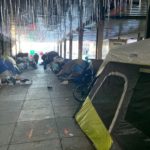
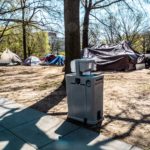
But, she added, “right now, we don’t have the capacity to literally go out to places where there are encampments to do vaccinations.”