 Mikaela Lefrak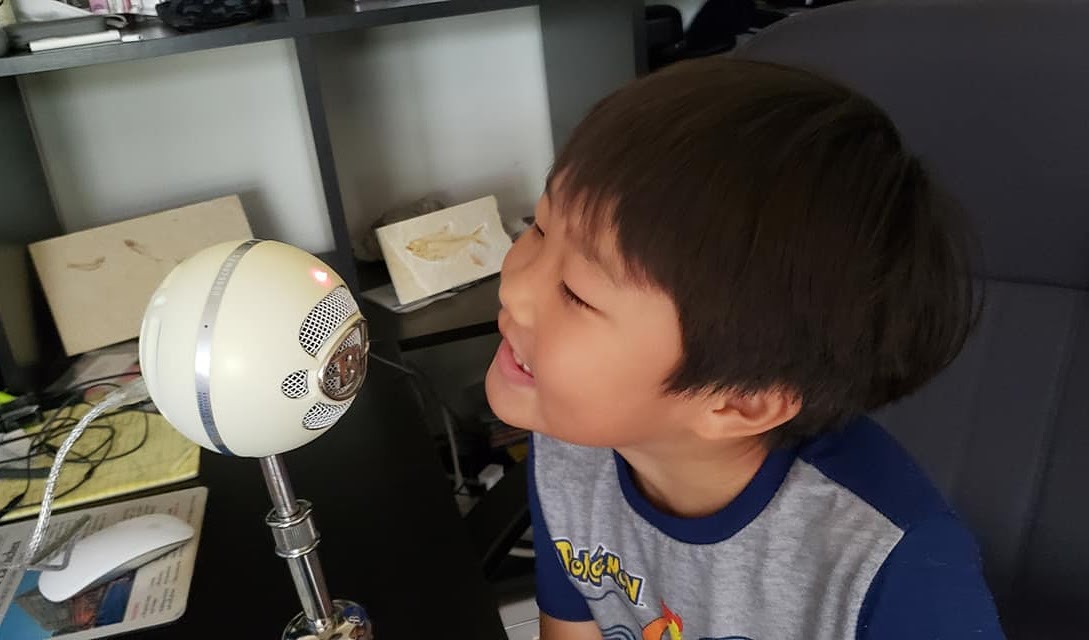
John Dorsey starts our interview with a joke that’s also kind of an apology.
“What are the two conversations you never want to have at a party?” he asks me. “‘Do you want to talk about brewing beer?’ and, ‘Can you listen to my podcast?'”
The freelance filmmaker from Arlington doesn’t brew beer, but he does make a podcast. It’s a spoof of NPR called Superhuman Public Radio — imagine public radio, but all the hosts are superheroes.
Over the past eleven months of the coronavirus pandemic, many Washington-area residents have turned to amateur podcasting as a way to pass the time. We’re not talking about a horde of Joe Rogans, though: These new podcasters aren’t in it to hook millions of listeners and start a new career. They’re looking for ways to scratch a creative itch, document the strange world around them or share important information with their communities at a time when in-person meetups are effectively extinct.
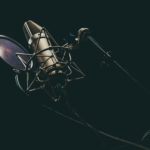
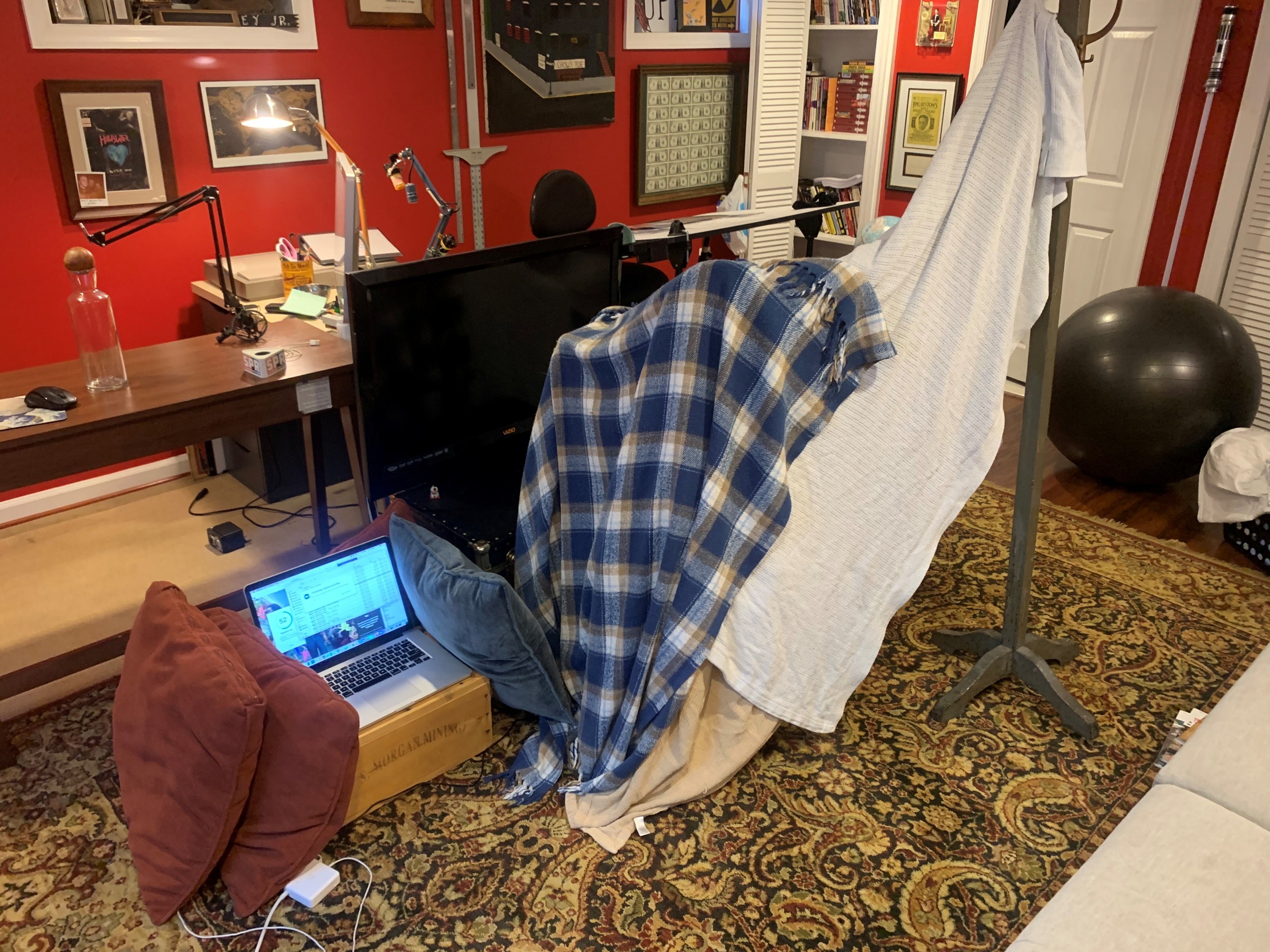
Making a podcast at home is easier than ever. Smartphones can record high-quality audio, editing software like Audacity is often free to download, and an at-home recording studio can be built with the materials and time it takes to make a pillow fort.
Dorsey started making his podcast as a means of escape. He and his creative partner Maximilian Clark spend hours dreaming up NPR parody segments, from The Speech Bubble (Fresh Air), to The Utility Belt (Car Talk), to Wait Wait…Don’t Kill Me! (Wait Wait…Don’t Tell Me! as hosted by supervillains). They hire their actor friends from across the country to play the roles of hosts and guests.
The podcast has attracted one advertiser, and they try to pull in some extra cash with a Patreon fundraising page. But Dorsey says he isn’t making any money, in part because he and Clark are committed to paying all their contributors. “I’m a freelancer too,” he says. “We wanted to make sure that we’re paying them for their time.”
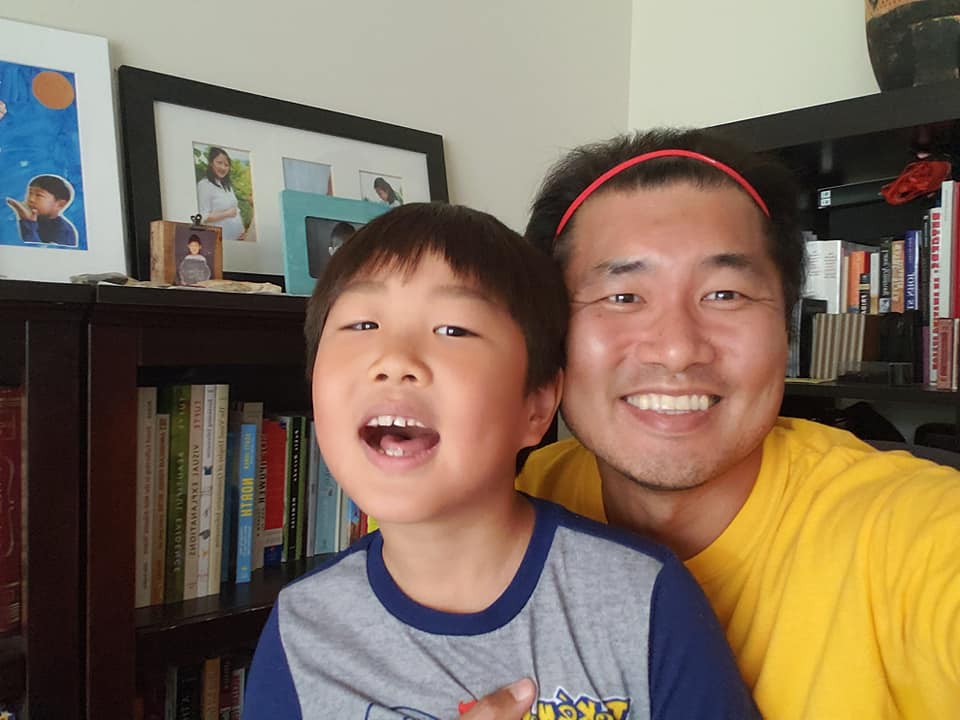
In Tysons Corner, podcaster Logan Lee lives in blissful ignorance of the financial travails of amateur podcasting. The eight-year-old co-hosts a show alternately titled Social Distancing With Pops and The Logan Show with his father, Sam Lee.
The elder Lee came up with the idea of making a podcast when schools went virtual last March. He pitched it to his two sons, both of whom like to listen to kids’ podcasts in the car or while they eat. His 10-year-old opted out, but Logan was game.
Their taped conversations started out simple — they’d chat about the frustrations of being home all day, or what local restaurants they missed. But soon they were taking on heavier topics, like the racism their Asian American family experienced after then-President Donald Trump falsely blamed the coronavirus on China.
“We’d be walking around our neighborhood and some people would be yelling at us to go back home,” Sam Lee says. “[The podcast] gave us a way to kind of talk through what it meant to be Asian American in the time of COVID.”
The two also spoke about George Floyd’s death and the ensuing wave of racial justice activism. “I didn’t expect that we’d be able to talk about topics like that in such depth,” Sam Lee says.
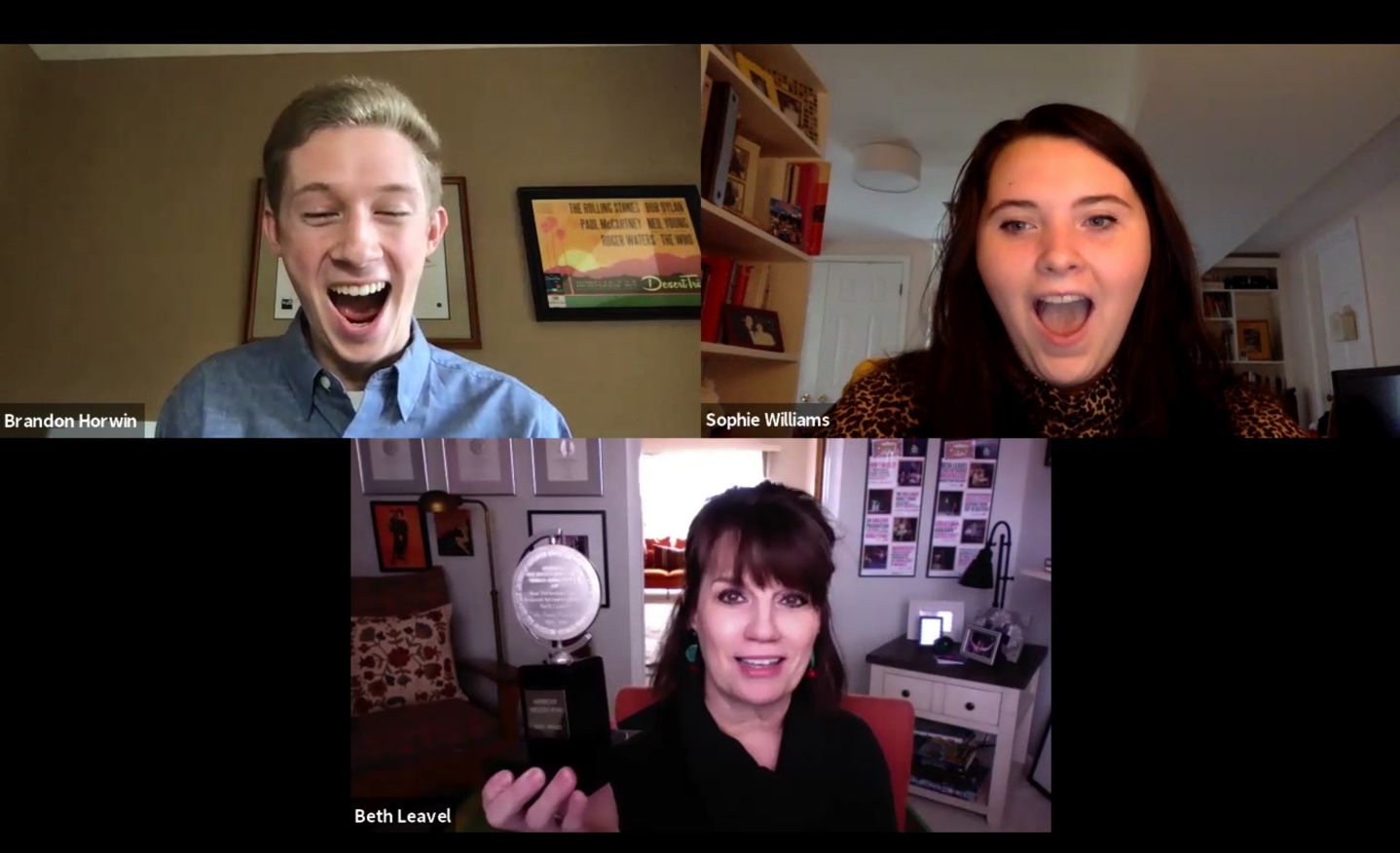
Other new podcasters address pandemic-related challenges like unemployment. On the podcast Whatcha Doin’?, co-hosts Brandon Horwin and Sophie Williams, both seniors at Catholic University, interview actors, playwrights, composers and other theater and music professionals about their careers. They probe their guests about how to make a living in the creative industries during the pandemic.
“It was personal for us,” says Williams, who studies musical theater. “We did have questions for theater professionals. What are we going to do? What are you doing? How’s that working out for you?” The duo’s put out fifteen episodes since November.
Local cultural organizations are also making podcasts to stay connected to people while the arts world is essentially shut down. The Smithsonian National Portrait Gallery made the second season of its podcast, Portraits, while the museum was closed to visitors last year. Kim Sajet, the museum’s director, hosts the biweekly show from home. The first episode of their third season, due out in late March, will be about the process of commissioning a presidential portrait.
For other podcasters from local organizations, the platform helps them share information with their communities at a time when many in-person services are on hiatus.
Isidro Quintanilla is a legal assistant at CARECEN, an advocacy and aid organization for Latinx immigrants in the D.C. area. A few months back, he approached his colleague Juan Misle Dona about launching a Spanish language podcast to help their organizations disseminate information about immigration policy changes and news from Latin America. They called their new podcast Radio CARECEN DC.
“Podcasting is becoming an important communication tool in the advocacy world,” says Misle Dona, who also makes his own podcast about Venezuelan politics and social movements. “There’s this communication gap between those of us that work [at CARECEN] and our community — basically the Latino and Central American community in the D.C., Maryland and Virginia area. We needed some sort of communication engine.”
Quintanilla, a Salvadoran immigrant, also wants the podcast to be a place where listeners can come for good news. In an episode from December he and Misle Dona discussed how different Latin American cultures celebrate Christmas.
Now that the podcast is up and running, the co-hosts are focused on helping their clients access it. Much of their potential audience is made up of immigrants from rural areas of El Salvador. “Modern technology platforms like Spotify or Google Podcasts are in many ways outside of their reach,” Misle Dona says. He and Quintanilla are even thinking about sending audio files directly to clients over WhatsApp.
While making a podcast at home might be easier than it used to be, it still takes a lot of time to write scripts, book guests and edit audio. That’s why Sam Lee and his son Logan put a pause on their show last summer.
“It’s a limited run podcast with a limited listenership, but I really liked that,” Sam Lee says. “It’s a bit of a time capsule in that way.”
And even though the show is on hiatus, Sam Lee says the experience of podcasting together forever changed his relationship with his youngest son.