 Daniella Cheslow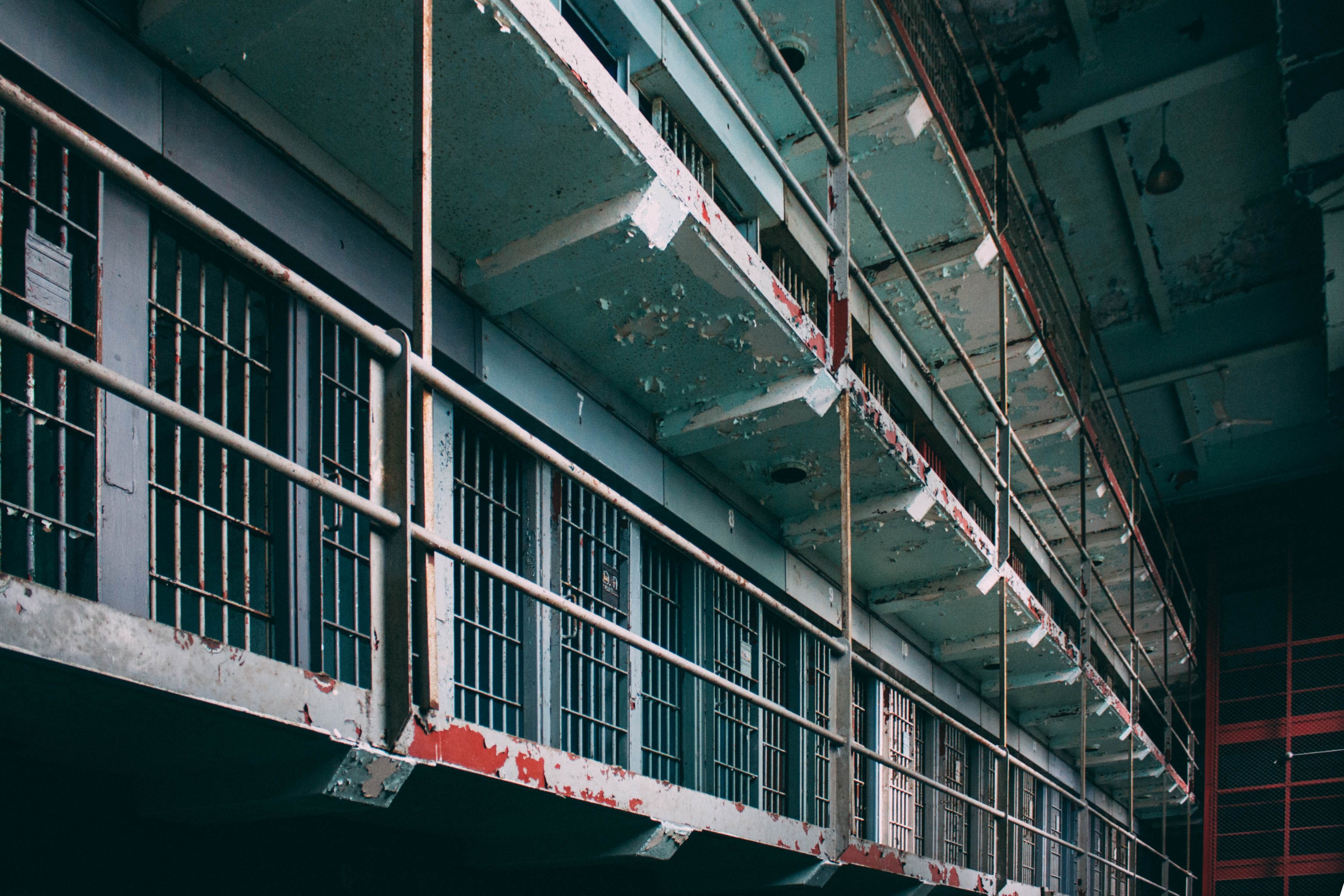
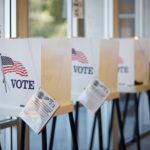
Growing up in New Jersey and Virginia, Richard Walker says “it was mandatory” in his African American family to vote in every federal, state and local election. Then, in 2004, Walker lost his right to vote after he was arrested in Virginia for drug possession and sentenced to 18 months. It would be another eight years before Walker, 62, could restore his rights.
“For those eight years I had no voice,” he says.
Walker eventually founded the organization Bridging the Gap in Virginia, which he now heads, to advocate for civil rights. He is backing a Democratic push to change the Virginia Constitution, which currently bars felons from voting — even after they serve their sentences.
The issue has divided Democrats in the commonwealth, with some advocating that Virginia follow D.C. and allow people incarcerated for felonies to vote while they serve out their sentence. Others, though, prefer to hedge their bets and limit the push to reinstating a person’s voting rights automatically after they are released from prison. Lawmakers will tackle the issue as they continue on to a special legislative session that starts on Wednesday.
“It’s a very big deal,” says Stephen Farnsworth, a political scientist at the University of Mary Washington. “That will have impact in terms of expanding the electorate, and it will also have an impact in terms of moving Virginia away from a series of Jim Crow-era related measures that have consistently put Virginia across its history at the lower end of voter participation across the states.”
Virginia is one of 11 states that denies some or all felons the right to vote — even after they have served their sentences, parole and probation, according to The Sentencing Project, a D.C.-based advocacy group.
The commonwealth’s policy is enshrined in its constitution. In a 1901-1902 constitutional convention, Virginia lawmakers made clear that the purpose was to disenfranchise Black voters. James Taylor Ellyson, chair of the Virginia Democratic Committee, said at the time that the convention “has the fixed and unalterable intention of enacting a clause which will… forever remove the negro as a factor in our political affairs.”
But current-day Democrats are split on how to approach changing the constitution to address the disenfranchisement. Initially, Sen. Mamie Locke (D-Hampton) proposed an amendment that would allow anyone 18 or older to vote, regardless of whether they were incarcerated. Sen. Scott Surovell (D-Fairfax) proposed a substitute measure that allowed for voting rights to be suspended while a person was in prison, framing it as a pragmatic alternative.
“We need to make sure that whatever gets proposed is something that voters will adopt,” he says, alluding to the fact that Virginia voters have the final say in any constitutional amendments. “If we want to try to go to a universal voting right after that, then I think we can look at it at some point in the future.”
All Democrats in the Senate, including Locke, backed his substitute. Republican Jill Vogel of Warrenton was the sole Republican “yes” vote last Friday.
In the House of Delegates, Democratic Leader Del. Charniele Herring (D-Alexandria) proposed a similar resolution that also bars felons from voting while in prison but automatically restores their rights thereafter.
“No person who has been convicted of a felony shall be qualified to vote unless his civil rights have been restored by the Governor or other appropriate authority or until completion of his sentence of imprisonment, at which time, without further action required of him, his political rights, including the right to vote, shall be restored,” read her amendment.
The House and Senate proposals also disenfranchise people with mental illnesses. However, Herring’s resolution says “no person adjudicated to be mentally incompetent” can vote until his “competency has been reestablished,” while Surovell’s specifies that only people whom a court has found “to lack the capacity to understand the act of voting” will be denied the franchise — and only until their capacities have been reestablished.
Now, lawmakers in both chambers must reconcile the two versions before they approve final language for a constitutional amendment this year. It will then need to pass both the House and Senate once more after the 2021 elections, and be approved by voters in order to amend the Virginia Constitution.
Claire Gastanaga, executive director of the ACLU of Virginia, is among several civil rights leaders who say automatic restoration alone will not achieve justice. In a joint letter to Gov. Ralph Northam (D), the ACLU, Bridging the Gap in Virginia, the League of Women Voters, and others said that one in seven Black Virginians are disenfranchised. The groups argued that “restoration does not repeal the language or address the racist intent of the felony disenfranchisement provision currently enshrined in our Virginia Constitution.”
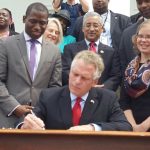
Gastanaga says both Republican and Democratic governors have worked on the issue, but a milestone came under former Democratic governor Terry McAuliffe, who issued an executive order to restore the voting rights of 200,000 people who had served their sentences. Republican lawmakers successfully challenged the move in Virginia’s Supreme Court, forcing McAuliffe to personally restore voting rights for about 173,000 people.
Northam is also restoring voting rights on a person-by-person basis, but at a pace of 11,000 people a year, which does not keep up with the rate of new felony convictions. Gastanaga says she is lobbying lawmakers to revert to Sen. Locke’s original resolution and give all prisoners voting rights.
“The right constitutional amendment is one that guarantees the right to vote that can’t be abridged by law, so that we don’t have to have this conversation again,” she says. “We would be the first in the south to do something like this, and we would be leading.”
Farnsworth says Virginia “has a lot to undo” in expanding voting access, but Democrats were likely treading carefully to avoid a backlash.
“For a Democratic majority in Virginia, being in the company of just a handful of states on the left end of the spectrum may not be smartest political move,” he says. “There’s much greater support for sure on restoring voting rights after the sentences have been completed.”
When Walker was in prison, losing his voting rights also meant he could not run for office. Now, he says he is mounting a campaign to represent Richmond in the House of Delegates. Walker says he was disappointed by the backtracking in the General Assembly.
“I used to call it Republican protectionism, but after doing my homework and research, I found out it was just pure, outright racism,” he said. “We are very adamant about any legislation that denies anyone their civil rights in the commonwealth of Virginia.”