Debbie Truong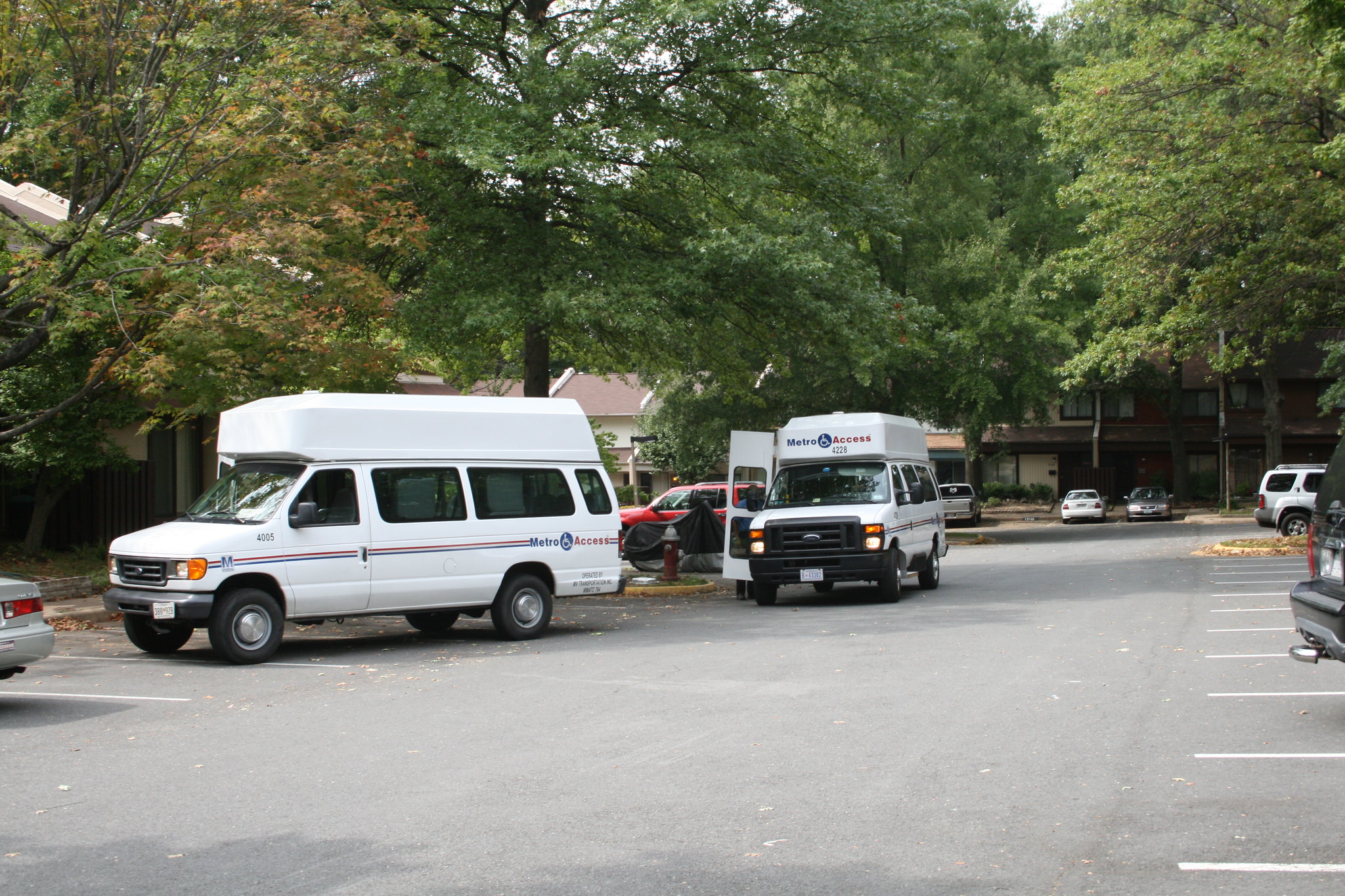
Metro should make several changes to improve transportation for people with disabilities, according to a report issued Wednesday by the inspector general of the Washington Metropolitan Area Transit Authority.
The report outlined recommendations for MetroAccess, which provides paratransit services in D.C. and some parts of Maryland and Virginia. The transit agency should more closely monitor MetroAccess trip lengths and purchase a real-time mapping system to help drivers optimize routes, according to the report from Geoffrey Cherrington, the transit authority’s inspector general.
Ninety percent of MetroAccess trips start on time, according to the report. But Cherrington said the agency should monitor other indicators of performance, including travel times, to assess the quality of service and compliance with the Americans with Disabilities Act.
MetroAccess drivers are currently using GPS systems that do not track traffic and other information useful for determining the most efficient routes, according to the report. Metro spent $220,000 on a real-time mapping system that stopped working for a year because of technical glitches, the report also said. The paratransit system stopped using that mapping service in February 2020 and is looking to replace it.
The Federal Transportation Administration requires most jurisdictions with a transit system to provide transportation options to people with disabilities that are comparable to services available to people without disabilities.
A Metro spokesperson did not immediately respond to a request seeking comment Thursday. In a letter to Cherrington, Metro’s chief operating officer, Joseph Leader, said the agency agreed with the report’s findings and would work to make the changes.
Cherrington’s office began reviewing the paratransit service after Rep. Gerald Connolly (D-Va.) filed a complaint on behalf of a customer who said MetroAccess vans were dispatched on inefficient routes, resulting in lengthier commutes. The customer said drivers were not taking the most direct routes between locations because of confusing GPS directions, which also resulted in pickup delays.
“The recommendations made in this report will help improve riders’ experience with much needed transparency and performance reforms,” Connolly said in a statement. “I hope this investigation helps improve transportation accessibility for our disability community.”
MetroAccess provides approximately 8,000 trips each day throughout the Washington region. Each trip must not cost more than $6.50 and must be scheduled at least one day in advance.