Colleen Grablick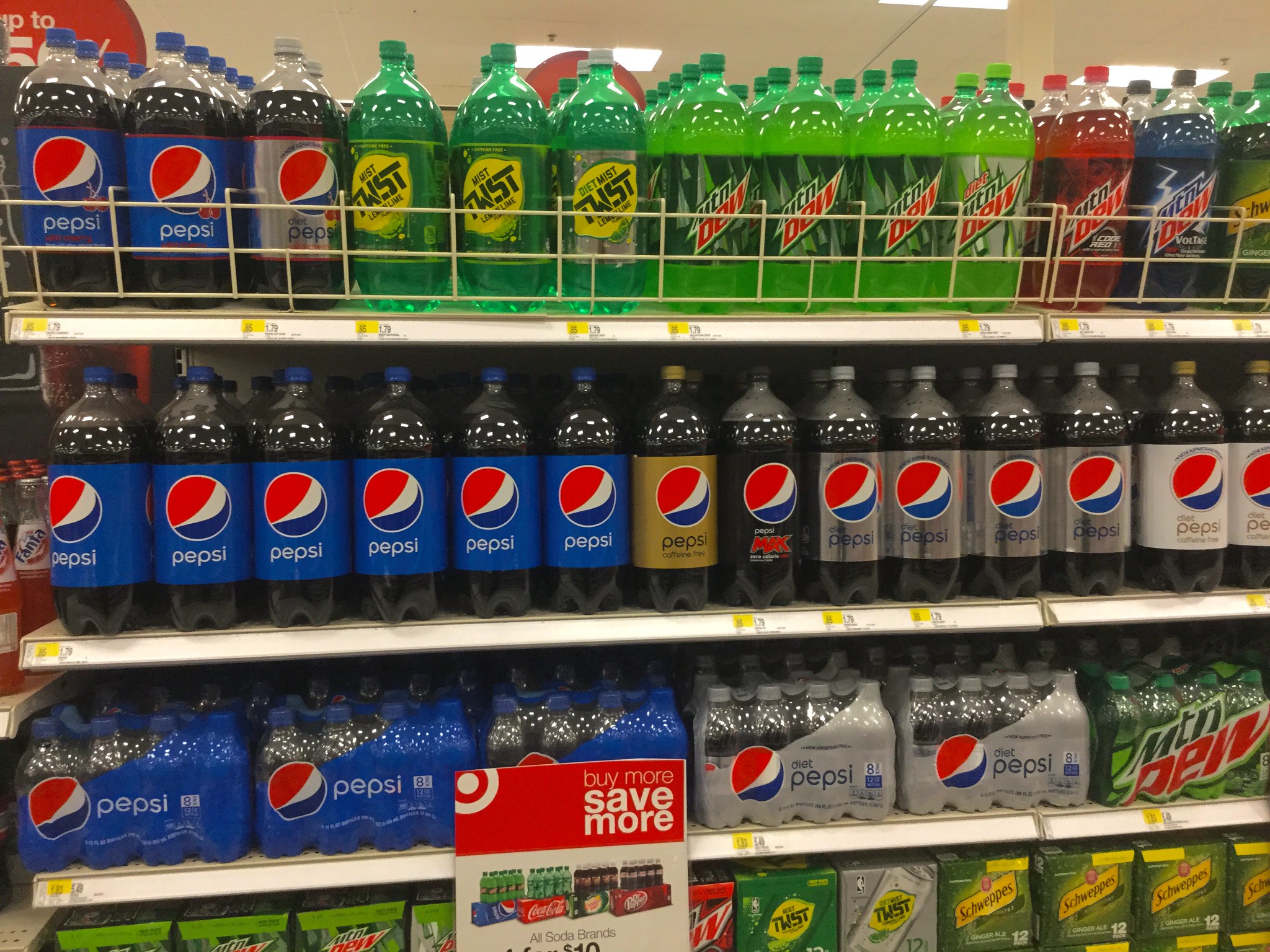
The controversial debate over whether sodas and other sugary drinks should be taxed at a higher rate is coming back to the D.C. Council.
Introduced on Tuesday by Ward 1 Councilmember Brianne Nadeau, the Nutrition Equity Amendment Act of 2021 proposes replacing the city’s current sales tax on sugary drinks with an excise tax of 1.5 cents per ounce on their distribution. That’s the same idea that failed to pass the council in 2019, amid opposition from the soda industry. (The council did succeed in raising the sales tax on those drinks, though, moving it from 6% to 8%.)
Unlike a sales tax, which would apply to the customer at the register, an excise tax is paid by the distributer or retailer, and can be reflected in a higher price for the customer when they go to take their Coke or Mountain Dew off the shelf. Advocates say that would help dissuade customers from purchasing sugary drinks in the first place.
The new legislation renews a years-long fight that’s been waged in many U.S. cities over how to decrease consumption of sugary drinks — especially among residents in predominantly Black and low-income neighborhoods with the least access to healthy drinks and full-service grocery options — and continues an ongoing effort to rectify the city’s glaring health inequities.
Under Nadeau’s proposal, the revenue from the excise tax would be used to fund food access for food insecure populations, bring food education to schools and community centers east of the Anacostia River, and create targeted disease prevention programs in the city’s health department.
“One thing that COVID-19 has made abundantly clear is that we need to get serious about addressing health inequities in the District,” said Nadeau in a press release. “In drafting this bill, I brought together members of the communities impacted by health disparities, health experts and advocates to identify areas where public health interventions and investments can make a difference in the health and lives of our communities.”
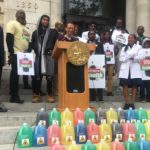
Across the country, cities like Philadelphia, and Berkeley and Oakland in California have approved similar excise taxes on sugary drinks — but not without opposition from industry groups. In Philadelphia, the American Beverage Association spent millions of dollars on ads to turn public opinion against the proposed tax in 2017. When D.C. lawmakers last attempted to pass an excise tax in 2019, the ABA created a group, the Alliance for an Affordable D.C., to wage a campaign against the bill, distributing door-hangers and conducting polls that argued such a tax would make living in the city more expensive.
On Wednesday, Alliance for an Affordable D.C. issued a statement opposing Nadeau’s proposal, arguing it would worsen the economic burden on small businesses already struggling financially during the pandemic. The group also criticized the legislation for leaving out sweetened coffee drinks from the proposed excise tax.
“Speaking for many small businesses across the city, the DC Council’s bill, if enacted, will directly hurt local shop owners, their employees, and working families who have already been struggling to make ends meet throughout the pandemic,” reads the statement.
In her release, Nadeau called out the targeted marketing by beverage industry giants to Black and low-income communities, who already develop chronic conditions at higher rates than their whiter, wealthier counterparts.
“Knowing that the consumption of sugary drinks is directly linked to major health risks and that the beverage industry is targeting their ads at communities of color, we have to intervene and counter that impact,” she said.
In cities where excise taxes have been adopted, they’ve proved somewhat effective in limiting soda consumption. In Philadelphia, which brings in more than $75 million annually from its sugary drink tax, beverage sales at small, independent retailers in urban neighborhoods with high rates of chronic diseases declined, according to a July 2020 study. Three years after Berkeley passed a similar tax, soda consumption rates dropped by nearly 50%.
Co-sponsored by Ward 3’s Mary Cheh, At-Large members Anita Bonds and Elissa Silverman, Ward 6’s Charles Allen, and Chairman Phil Mendelson, the legislation comes more than a decade after the council’s first attempt to pass an excise tax on sugary beverages. Cheh proposed a one-cent-per-ounce tax on soda in 2010, but the bill was killed with strong opposition from other councilmembers — including Mayor Muriel Bowser, who at the time represented Ward 4 on the council.