The woods are quiet except for birdsong and dry leaves crunching underfoot, the sun’s rays flooding through the trees to give the scene a golden glow. Foragers Jonathan Till and Ryan Pierce are kneeling on the forest floor amid a field of small clusters of half-foot high jade green leaves stretching in every direction as far as the eye can see. With focus and peaceful diligence, they cut bunches of leaves, making sure not to take too many from one area.
This backwoods bonanza in a verdant stretch of Fairfax County is a ramp patch (the foragers asked the exact location not to be revealed). The wild onions herald the onset of spring as one of the first vegetables to be harvested in the season.
“By this point in time, you just want to see something green,” says Matt Baker, executive chef of Gravitas, which is featuring ramps foraged by Pierce in numerous dishes, including carbonara style ramp linguini, burrata salad with ramp pesto and a variety of spring peas, and white asparagus salad accompanied by ramp tabbouleh. “You’ve been playing with root vegetables for the last five months. When they came in, we were all very excited.”
Chefs love the uncultivated alliums for their complex flavor and versatility. “Ramps have very herbaceous, garlicky, scallion, onion-type notes to them, but they also have a lot of natural acid properties,” Baker says.
After zero demand last year, due to the pandemic shuttering many restaurants or forcing them to drastically alter their operations, ramps are commanding up to $25 a pound this spring, appearing at some of the city’s most celebrated restaurants, including Fiola Mare, Bourbon Steak, and Mintwood Place. “The second I have them picked; they’re sold,” says Pierce, who also owns Fresh Impact Farms, an indoor hydroponic farm in Arlington that grows herbs, greens, and edible flowers for local restaurants and their CSA program.
Ramps have a pretty fanatical following in the mid-Atlantic region. In nearby West Virginia, ramps’ arrival is heralded with a patchwork of festivals and dinners across the state, usually serving as fundraisers for local libraries, volunteer fire departments, or churches. Attendees enjoy the wild alliums in everything from casserole and biscuits to soup, risotto, burgers, pizza, and the state’s signature pepperoni rolls. For those preferring to cook their own, dozens of roadside stands sprout up to sell them.
It’s impressive that an uncultivated vegetable commands such devotion. Because it can take nearly a decade for the plants to germinate and grow to maturity, ramps aren’t a feasible crop for farmers. Further complicating matters is that they only sprout for a short four- to six-week season, roughly from the end of March into April. Generally, the only way to obtain them is through a forager, or a high-end food supplier such as D’Artagnan.
“The great thing about ramps is that just when you think you’ve had enough of them, they’re gone for the year,” says Till, a veteran forager and founder of Heritage Foraging, which sells wild foods and products made from them, including ramp salt.
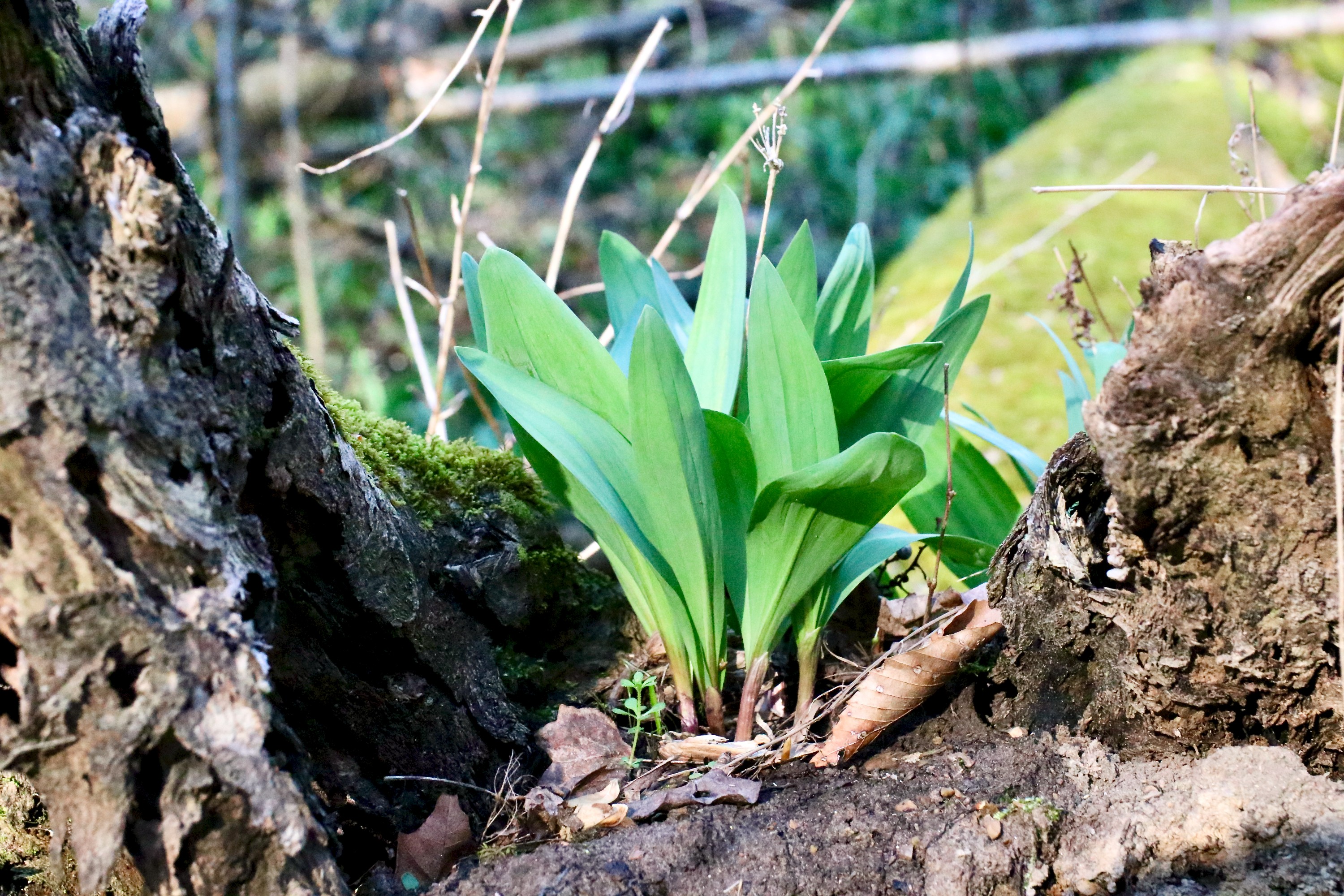
If you’re feeling adventurous, you could go looking for ramps yourself. They are relatively common in the D.C. region, favoring shady woodlands with moist soil. Just look for the delicate bright green leaves reaching up to a foot high and approximately 3 inches wide. Each plant will usually have two leaves, and they tend to grow in patches that can be just a few feet wide or larger than a football field. The most surefire way to ID ramps is to snap off one of the paper-thin leaves. It should smell strongly of onion and garlic. If there isn’t a discernable aroma, you probably have picked ramp’s doppelgänger: lily-of-the-valley.
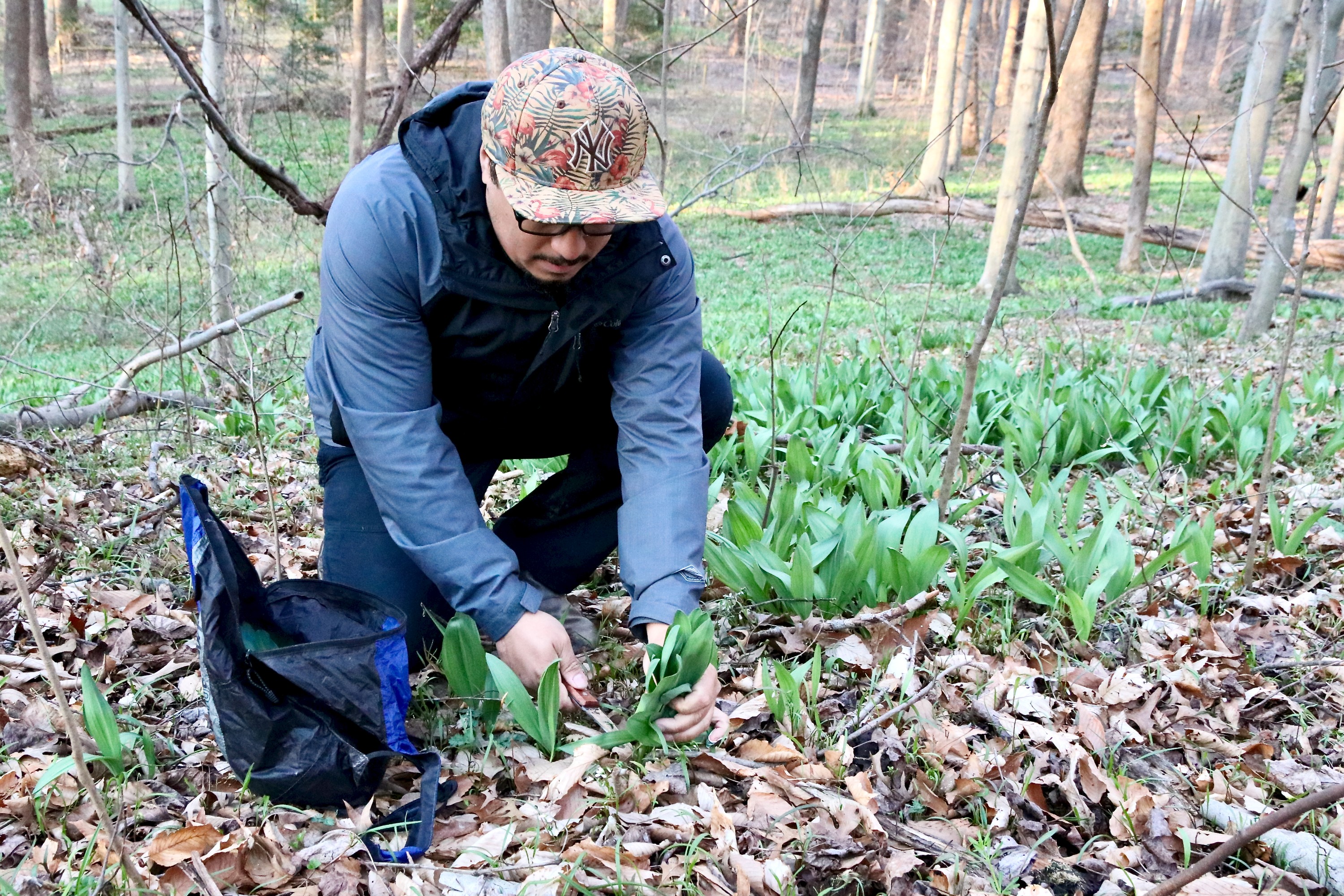
Though the ramps can be eaten whole — bulb and all — there’s a more sustainable way harvest them, according to Till. He only takes the leaves, keeping the bulb in the ground, so the plant survives. Not only will the same plant sometimes sprout a second set of leaves later in the season, but this method also ensures the ramp patch will continue to thrive for years to come.
When you get ramps back to your kitchen, clean and dry them thoroughly before preparing them. You can simply sauté them with olive oil, salt, and pepper until they’re slightly caramelized; sub them for basil in your favorite pesto; blend them with cream cheese in a food processor to create a springy alternative to scallion cream cheese; or pickle them to highlight their acidic elements. Any recipe calling for garlic, scallions, or onions could probably use ramps in their place, so get creative.
Since ramps are only around for such a short time, Till goes out foraging at least twice a week. Aside from it being his business, he finds ramp hunting to be deeply rewarding on a personal level. “It’s the best form of meditation I’ve ever found,” he says. “Just to be out there, be still, and watch the earth come into its own.”
More about local foraging:
Super Rare Morel Mushrooms Are Springing Up Around The Region. Here’s How To Go Foraging For Them
There’s Plenty Of Food To Forage For Around D.C.—If You Know Where To Look