 Dominique Maria Bonessi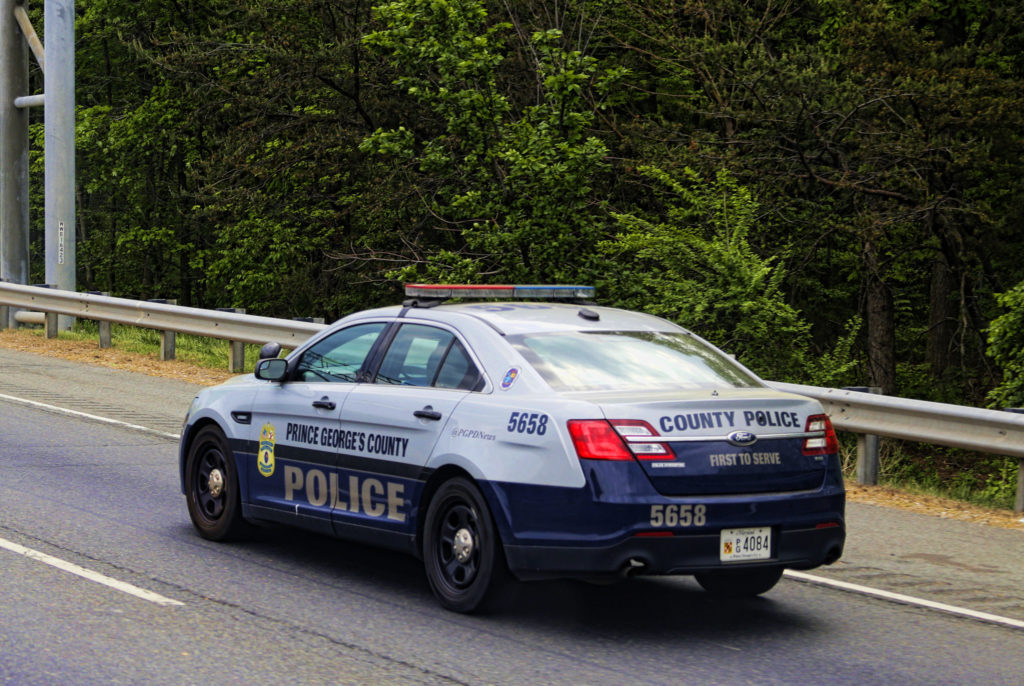
Prince George’s County State’s Attorney’s office received $2.6 million to assist in testing the more than 2000-rape kit backlog.
Rape kits are the forensic DNA evidence, like blood samples, hair follicles, and finger nail scraps, collected from a victim’s body typically at a hospital following a sexual assault. The county’s backlog of sexual assault cases dates back to the early 1990s. County’s State’s Attorney Aisha Braveboy announced Tuesday morning that the grant funding from the state would help provide equipment and staff at testing laboratories and assistance to sexual assault survivors over the next three years.
“Behind every kit is a victim,” Braveboy told reporters. “We are committed, no matter when that crime was committed — whether it was a year ago, 10 years ago, or 20 years ago — we are committed to getting justice for our victims.”
Braveboy’s office is working with the state’s Coalition Against Sexual Assault, an organization that provides legal and counseling services to survivors of sexual assault, Prince George’s County Police, and University of Maryland Capital Region Health to make sure kits are tested and victims are aware of their rights. The coalition has created a hotline for survivors of sexual assault who would like to know about the status of their rape kit, seek legal services, or counseling.
Melissa Hoppmeyer, chief of the state’s attorney’s special victims and family violence unit, said Maryland does not have a statute of limitations on felony sexual assault.
“Because survivors may or may not know the law, they think that their time has passed,” Hoppmeyer said. “We are still able to pursue justice on behalf of these victims.”
In 2018 Maryland’s Attorney General’s office received federal grant funding to find out how many untested rape kits the state had. The office discovered nearly 6,000 untested rape kits sitting in police department evidence lockers. In 2019, Maryland lawmakers tried to address the statewide backlog, but stopped just short and passed a law that requires police departments to hand the kits over to labs within 30 days of receiving them.
Officials with the county’s police department say that rape kits are submitted to the lab in a timely manner and that the law passed in 2019 ensures everything in the kit gets tested at the lab.