Dee Dwyer
D.C. went by several names in the second half of the 20th century: Chocolate City for example, referred to the fact that D.C. was the country’s first majority Black city. While more white residents now call the city home, neighborhoods east of the Anacostia River have remained more than 90% Black.
The city also gained another nickname: the nation’s “murder capital.” In the early 1990s, the District’s homicide rate peaked at more than 470 in a year. D.C. was a hub for the growing crack cocaine epidemic, and officials dealt with the issue via arrests and harsh prison sentences.
Three decades later, amid a global pandemic, D.C. is experiencing a new spike in homicides. Last year, the city saw the highest number of homicides in 15 years, at 198. And this year is on pace to meet or exceed that number, with 64 homicides in the city so far, compared to 47 at this time last year. Ward 8 Councilmember Trayon White recently called for Mayor Bowser to declare a state of emergency over this year’s killings.
“Our Black and Brown boys and girls are going far too quick in our communities,” the councilmember said at the time. “Insanity is doing the same thing over and over and expecting a different outcome.”
Advocates and community members have consistently called for solutions that address the root causes of crime, and do not rely solely on increased police presence in neighborhoods.
We asked residents around the neighborhood for their perspective on how they deal with violence in their communities. Here’s what they had to say. Responses have been edited for length and clarity; some participants declined to share their full last names in order to speak candidly about violence in their neighborhood.
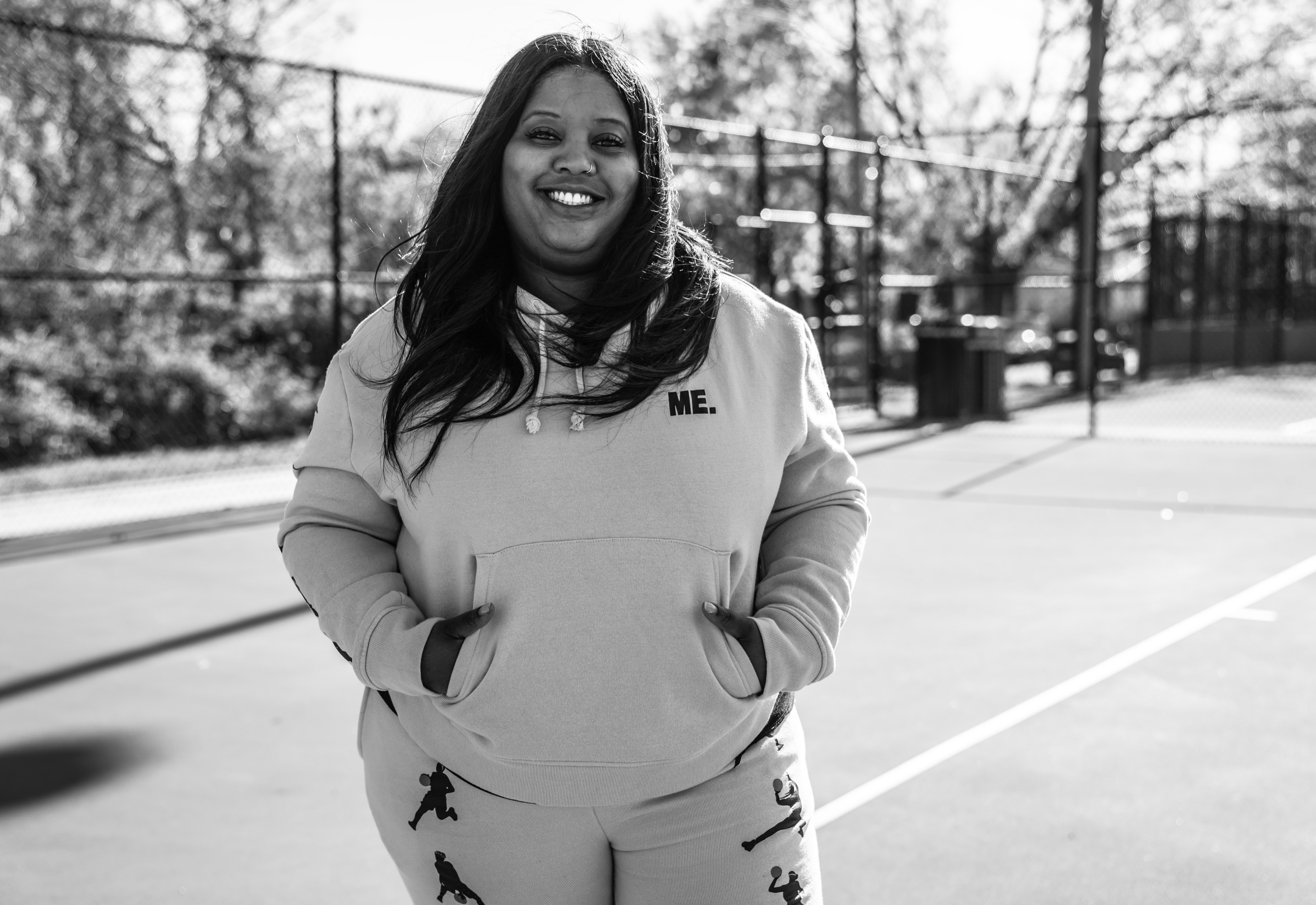
Nakisha Lewis, Congress Heights
I think with a lot of people that pay attention to city news they think about wards 7 and 8 when it comes to violence. There’s a lot of news reports about that — what people don’t want to talk about is the community that lives here, the vibrant families and the different ways that families are defined. The folks who look out for each other here, at least they do their best. I think that is sort of the coping mechanism or the antidote to the violence that does exist.
It’s really important that when we talk about violence, to reframe what is violence. What are the different forms of violence that plague our communities, like in Congress Heights, there’s the systemic violence. There’s environmental violence. I think that comes from the denial of resources and the lack of investment. In the Congress Heights area we have more liquor stores in this neighborhood than we have grocery stores with viable, fresh fruit and vegetable options, we have more vacant buildings. Those that are being refurbished are being refurbished for people who don’t live here. I think that displacement and gentrification is a form of violence that plagues this community as much as the physical violence that I think makes the news. And again, the coping mechanism for that, I think is community organizing. People are really trying to bring people together, to protect the culture and the community aspect of this neighborhood in east of the river which is the city that was once forgotten land.
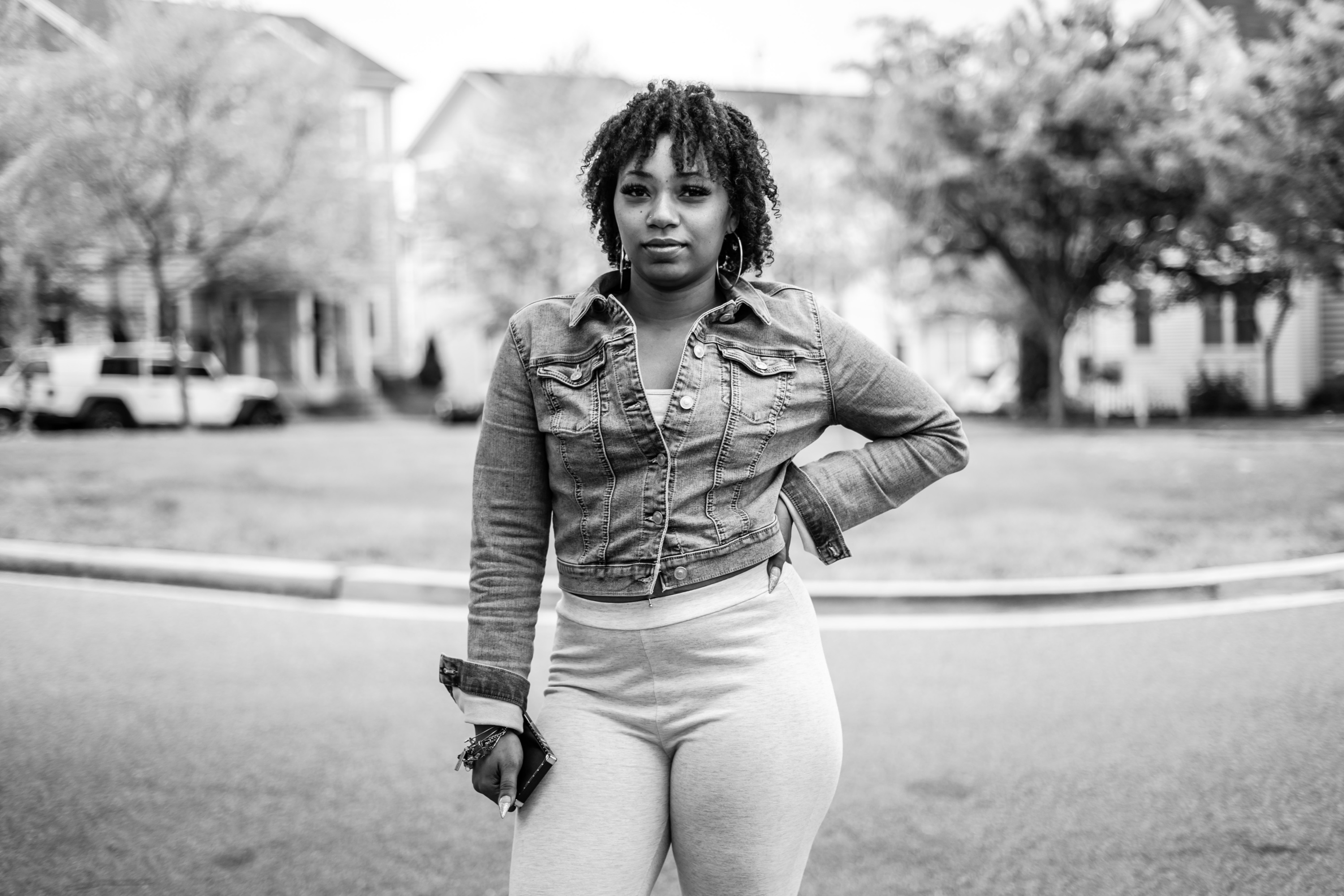
Breonia Showell, Ward 7
I deal with the gun violence, it’s sad to say, because when I was little, you know, we could go outside, we can play, neighbors looked after us. We didn’t mind going outside and doing hopscotch, playing with outdoor chalk, stuff like that. Nowadays, I don’t even allow my kids to go outside even though I have a yard, I still don’t allow them to go outside because you know, you just never know when it’s going to come. You just never know where it’s coming from. You just never know. It’s crazy because innocent people are getting killed over dumb things. Innocent children are getting killed. A 1-year-old just got killed almost a year ago.
Gentrification is violence too. They’re moving white people in and they’re moving us out. So we feel like they’re taking our city away from us. We feel like we have to fight for our city now. The city is allowing it. They’re tearing down our shopping centers to build condominiums. Where is the recreational centers for the kids? Where is the new grocery stores, where is the daycares, where is the good affordable housing for us? They’re still sticking us in the hoods where the water is brown sometimes. We really can’t go outside because you know, it ain’t an outside for us to go to. There are people outside, you know, shooting and being violent for no reason where the kids can’t even come outside and play. It’s crazy, I didn’t grow up like this. We didn’t have to deal with this because they respected women and kids. Now, they don’t care. It’s sad because one day we’re going to die and our kids have to grow up, is this what we leaving them, gun violence? How are we supposed to prosper? We have to get some of these government officials out on foot, show us that you can give us something to look forward to.
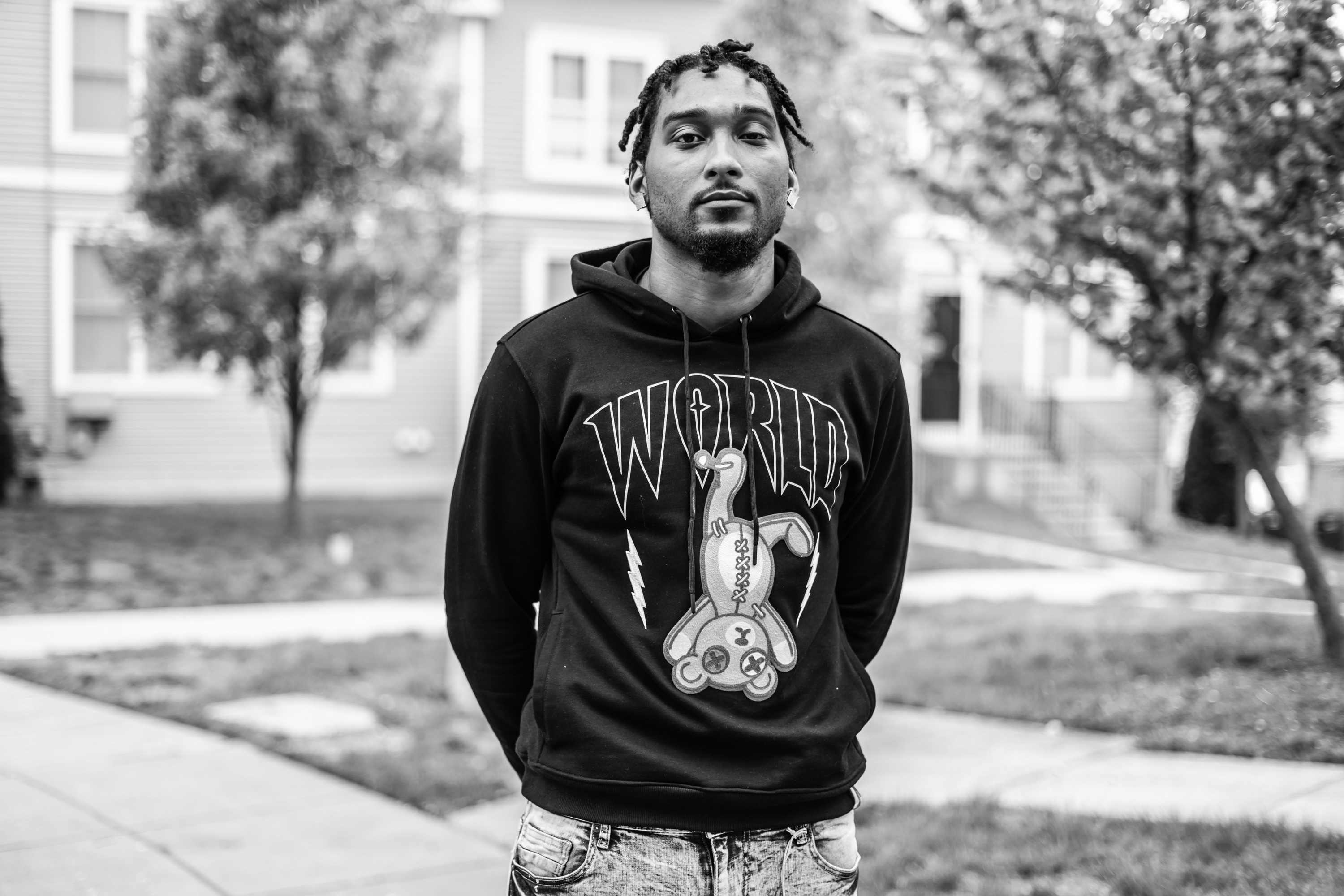
Johnathan R., Ward 8
I used to feel some type of way about violence in my community, but now it’s happening so often and so common. It’s just, everybody’s got to play defense to be safe. So at one point in time, everything wasn’t like that. Kids could go outside, play with the sidewalk chalk, hopscotch and all of that, but it ain’t like that anymore, times have changed. I guess people gotta adapt with the change of the times just to survive. It’s pretty much no feelings.
It used to be feelings, but there’s no feelings. It’s no way to deal with it but play defense. I mean, ain’t no other way to look at it. That’s a never-ending battle that people, no matter if you’re white, Black, Mexican, it’s just people in general won’t win. If you have other individuals that’s manufacturing, weapons, millions of weapons on a daily basis. That’s a fight that won’t be won. Violence surrounds people in poverty.
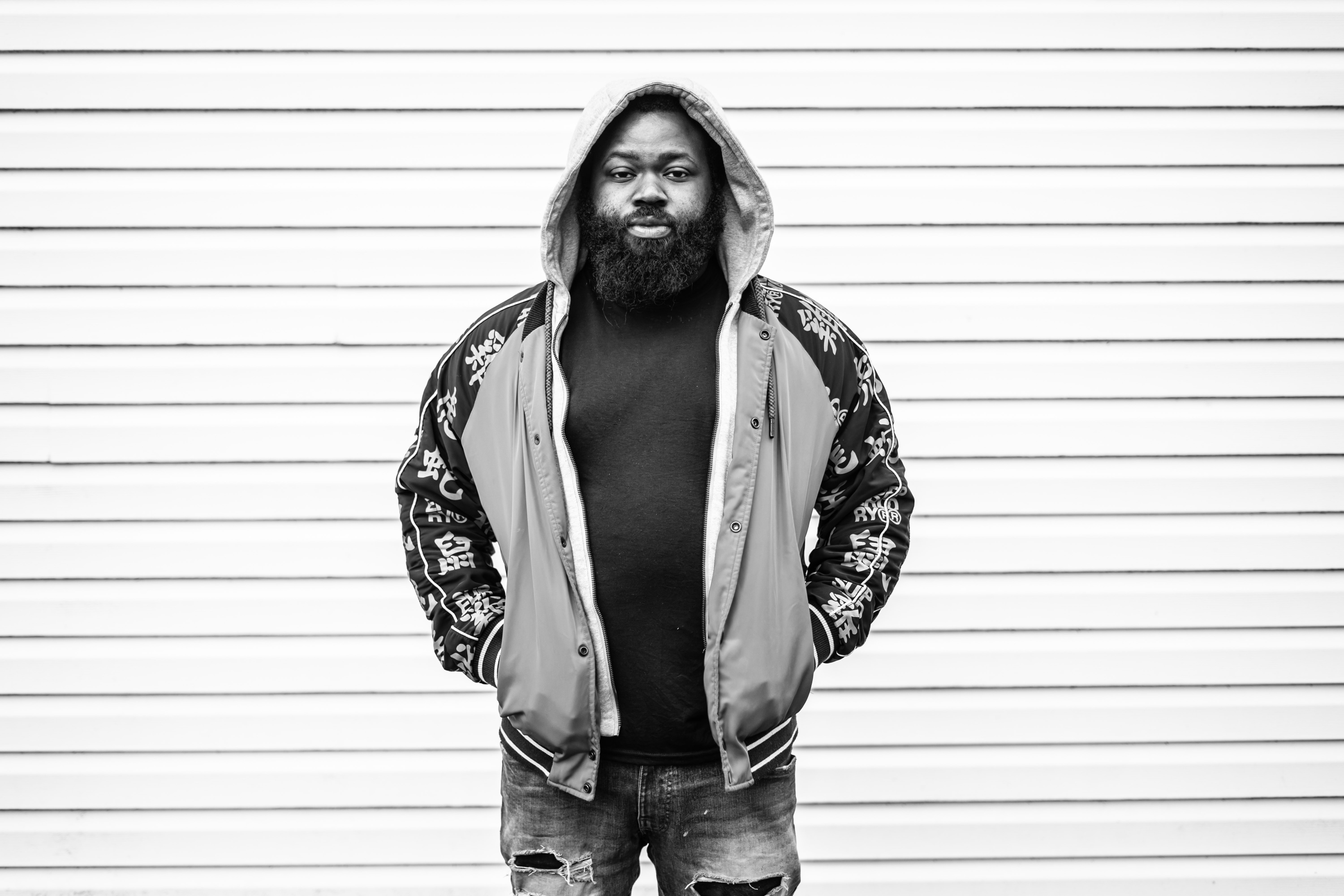
Deandre P., Ward 8
The way I deal with violence in my community is as if it’s like a normal rainy day or something. There’s days that it comes by and goes. I deal with it by trying to see it coming from a distance, you know, just decide how much time do I have to prepare so I don’t be in the way. I guess that’s the way I go about it, staying out of the way.
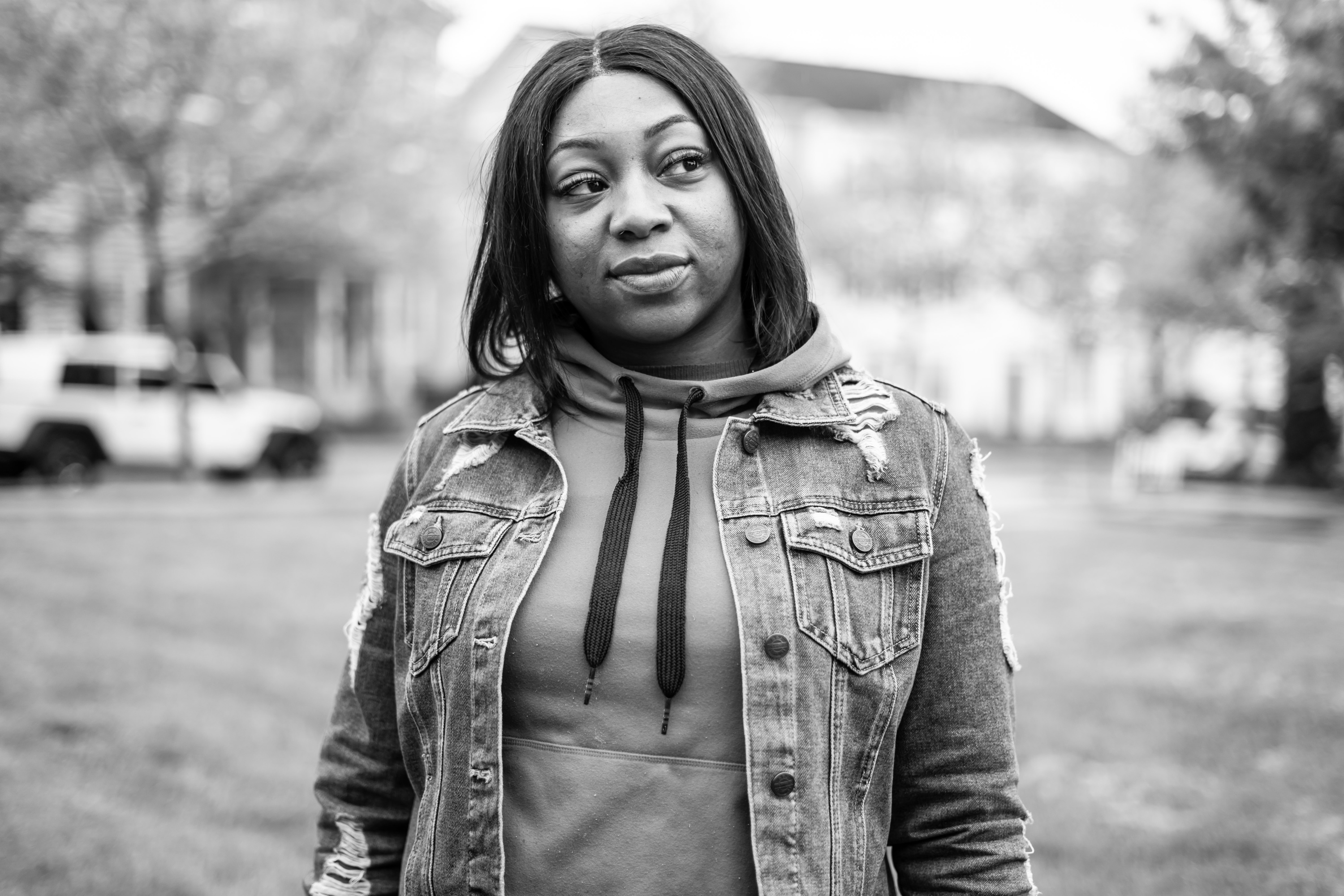
Ronecqua Smith, Ward 8
When it comes to violence in my community, I feel kind of numb. Back in the day, you heard gunshots, I’d duck or my parents would say, “Get on the floor, stay low,” or something like that. I feel like now, it’s to the point I’m so numb that I’m kind of used to it. When I hear gunshots now it’s kind of like, “Oh, is that over here?” And I just stand there and look calmly. It’s bad that it’s come to that point. As long as it’s not too close to me, then, hey, I’m fine. You know what I mean?
We don’t have that protective community anymore where the neighbor used to look out for the next person. Nowadays, it’s just all about a “mind your business” mentality instead of having a more community-based atmosphere. I feel that would stop a lot of violence in our community, but we don’t have those people to look up to anymore. I feel like the OG’s left us hanging.
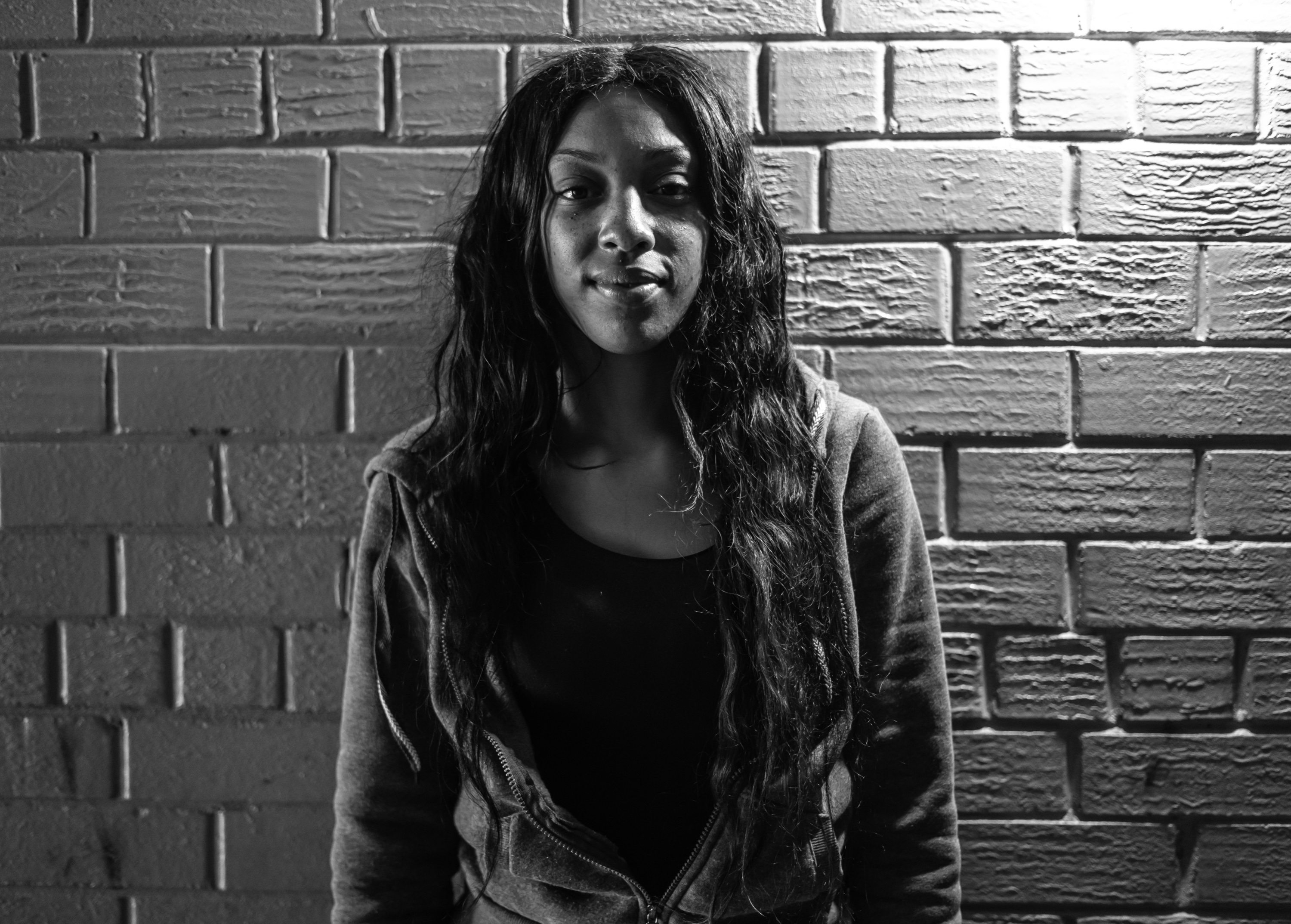
Jawanna Hardy, Guns Down Friday founder servicing Ward 8
In wards 7 and 8 it’s not one way that we attack the gun violence. We take preventative measures by trying to fix the community. We provide jobs, mental health resources, we also try to stop the violence in the community by starting with “self” first. I was in the military, I worked mortuary, I’ve been trained to not be affected by the violence. When I first started, it really affected me. I cried a lot, I took in a lot of the parents’ emotions. I began to get therapy and I now know my role in the community, so now it doesn’t affect me as much.
For my organization Guns Down Friday, I’m not government funded, therefore I’m not controlled by anyone. I can work with a kid and never know his name. My niche is coming right to you knocking on the door with the resources, because when you have to leave out the house, it’s harder to do what needs to be done. When you come to the person, knocking on the door, you get to see if they’re okay, regardless of if they want to get out the bed or not. Just really being there helps.
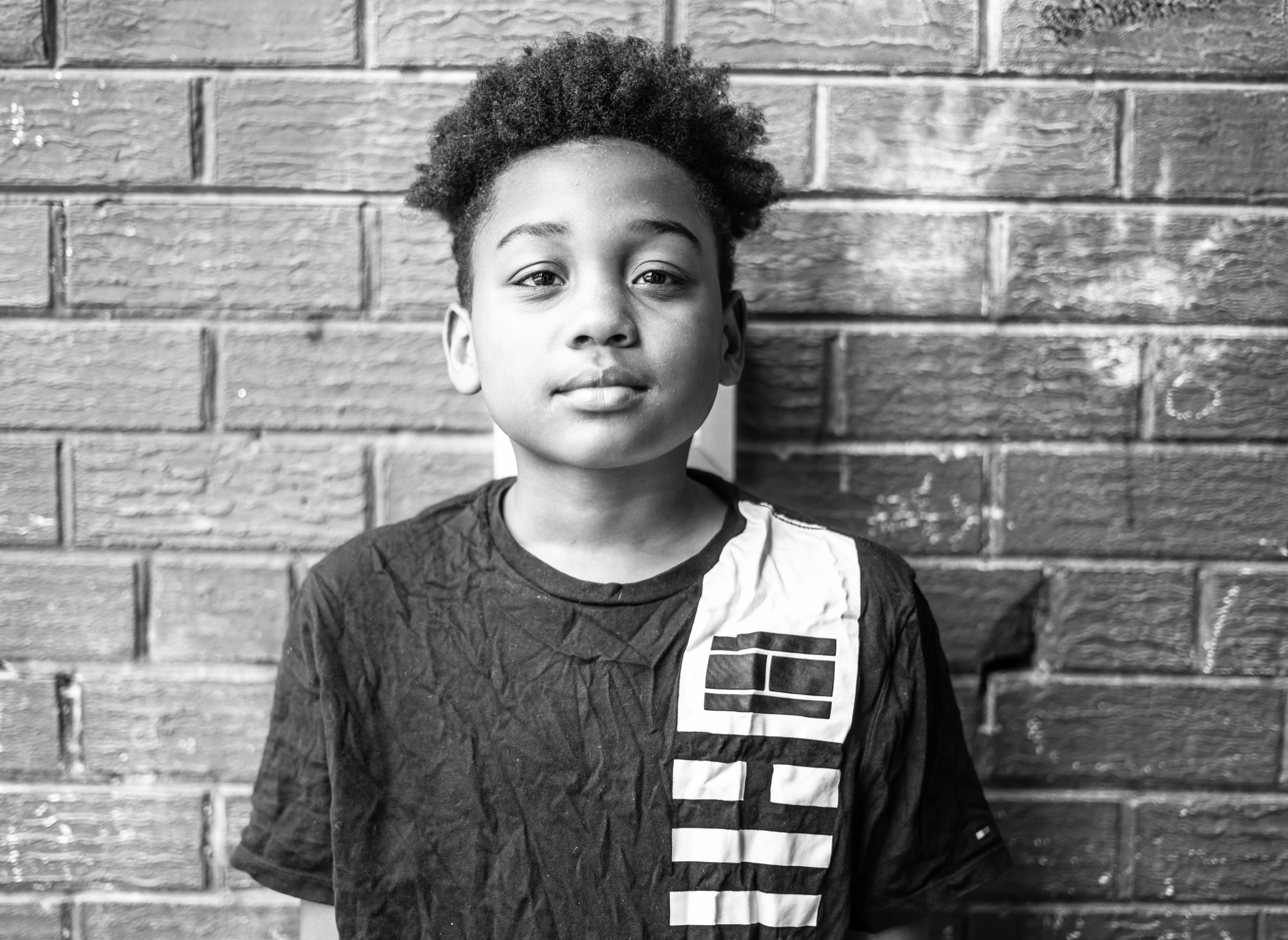
Maciah King-Brooks, Guns Down Friday ambassador, Ward 8
The way I deal with violence in my community is I just stay away from it. I do different things to get my mind off of the violence. I participate in sports, go out with Ms. Hardy from Guns Down Friday, I stay in the house, playing my video game.
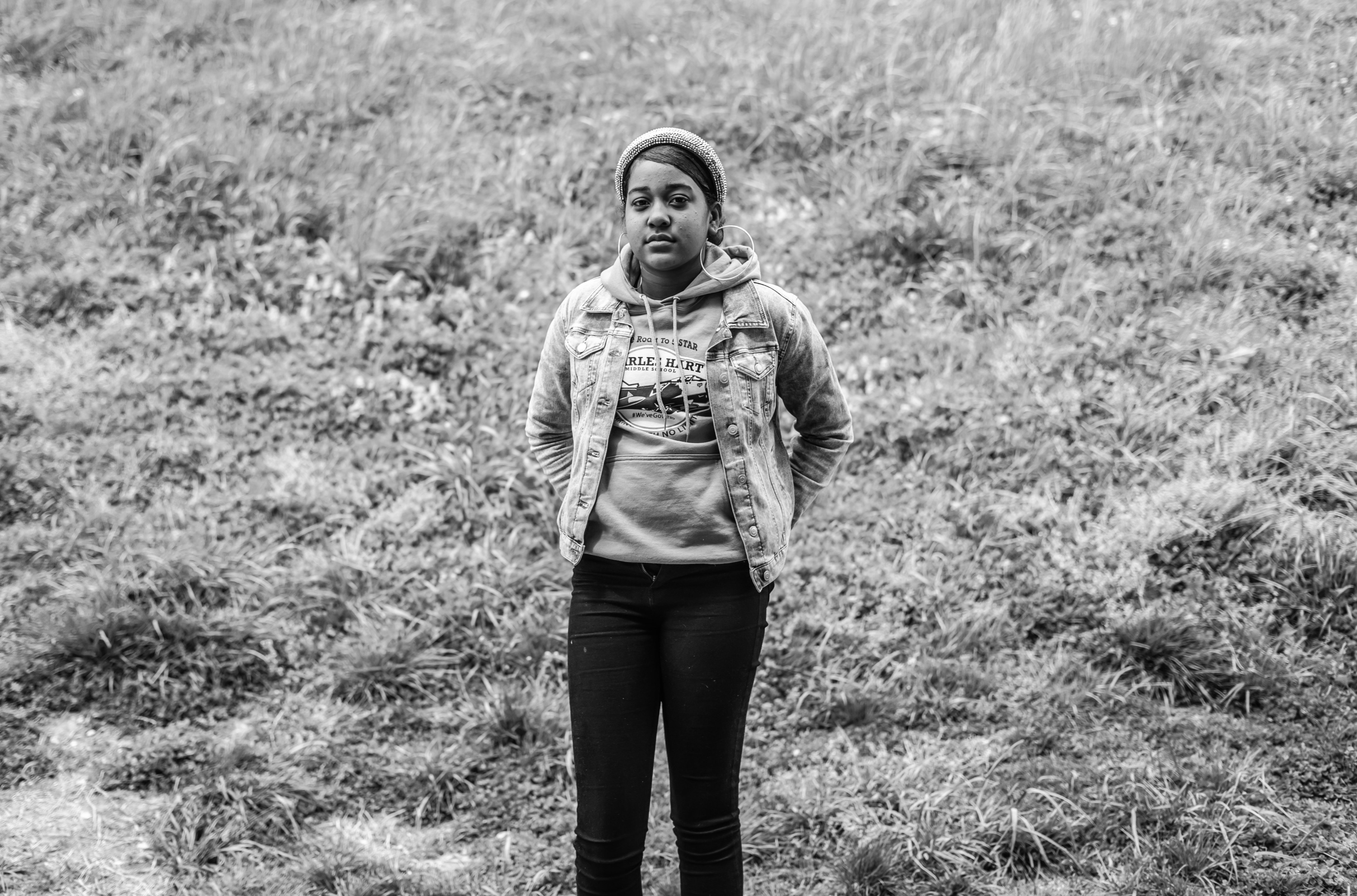
Laniyah King-Brooks, Guns Down Friday ambassador, Ward 8
I mean violence, when it’s around, I get away for a little while because it’s not the type of stuff to get around because it will end up in a certain way. It’s crazy, I was fighting a lot at a point in time — now that I’m older I’ve learned to get away from it. These youngins are getting killed over little stuff, whether it’s by the police or by people in the street. I go to protests and stuff, but I feel like we could do more. We should do more. I feel like it’s not going to end there.
I think violence is big because people get cocky, they have too much ego. I just feel like they think they can run everything. The police, I don’t know what they have to do to become police, they got too many excuses. For example; it shouldn’t have taken George Floyd’s killer to this long to be arrested when he was clearly guilty. The police come [around Ward 8] every day. The way they’ve been tossing the dudes around makes the guys have to run in the house. In the future I see myself doing more activism, especially since I lost my god-brother, 11-year-old Davon McNeal, to gun violence last year on the Fourth of July.
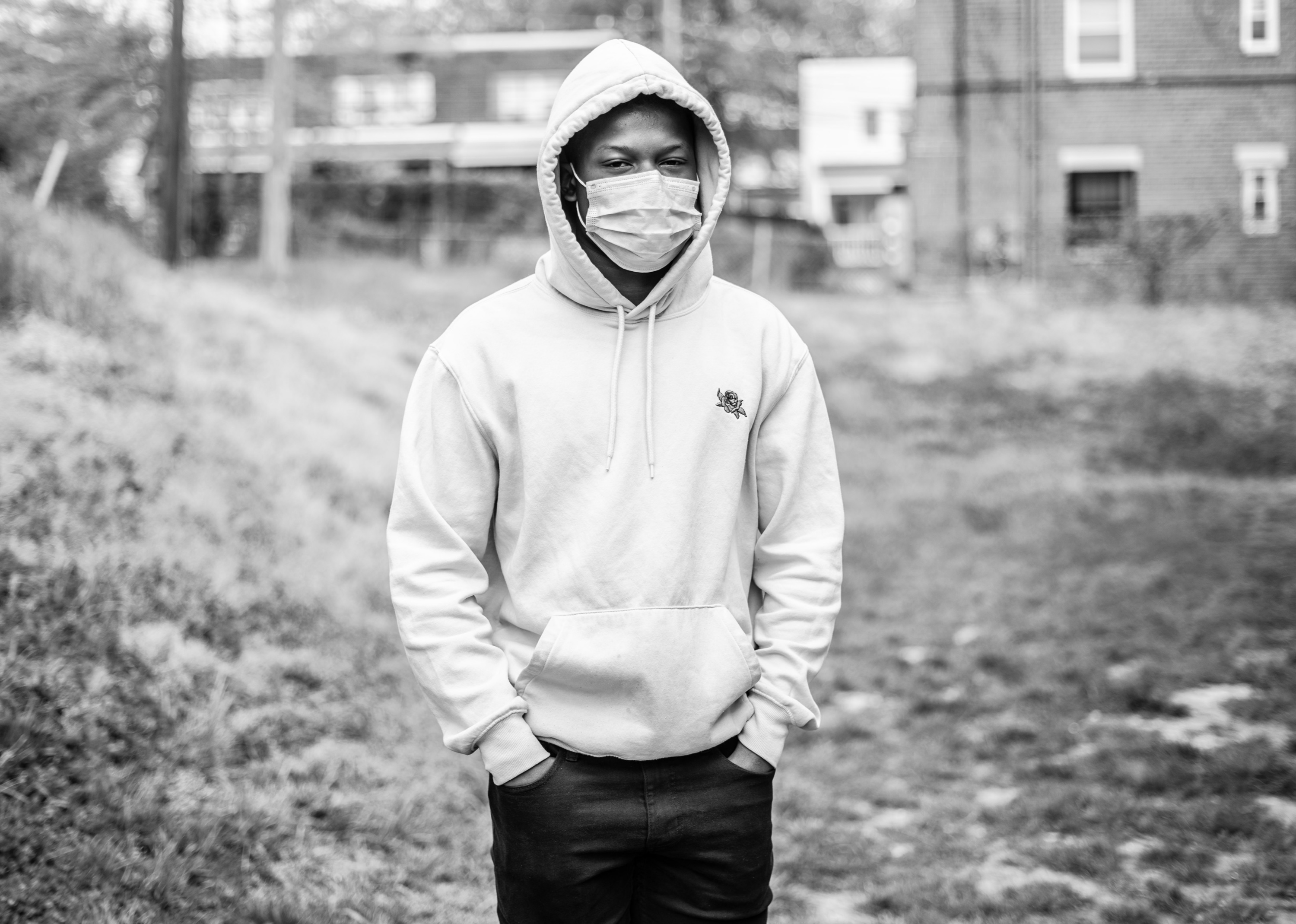
Daquan Ginyard, Ward 8
Violence in my community, it’s normal to me for real. That’s all I got say about that. A perfect neighborhood to me looks like townhouses, beautiful grass, everyone looking after each other, stuff like that. My plan for the future is to be a successful Black man that takes care of my family and community.
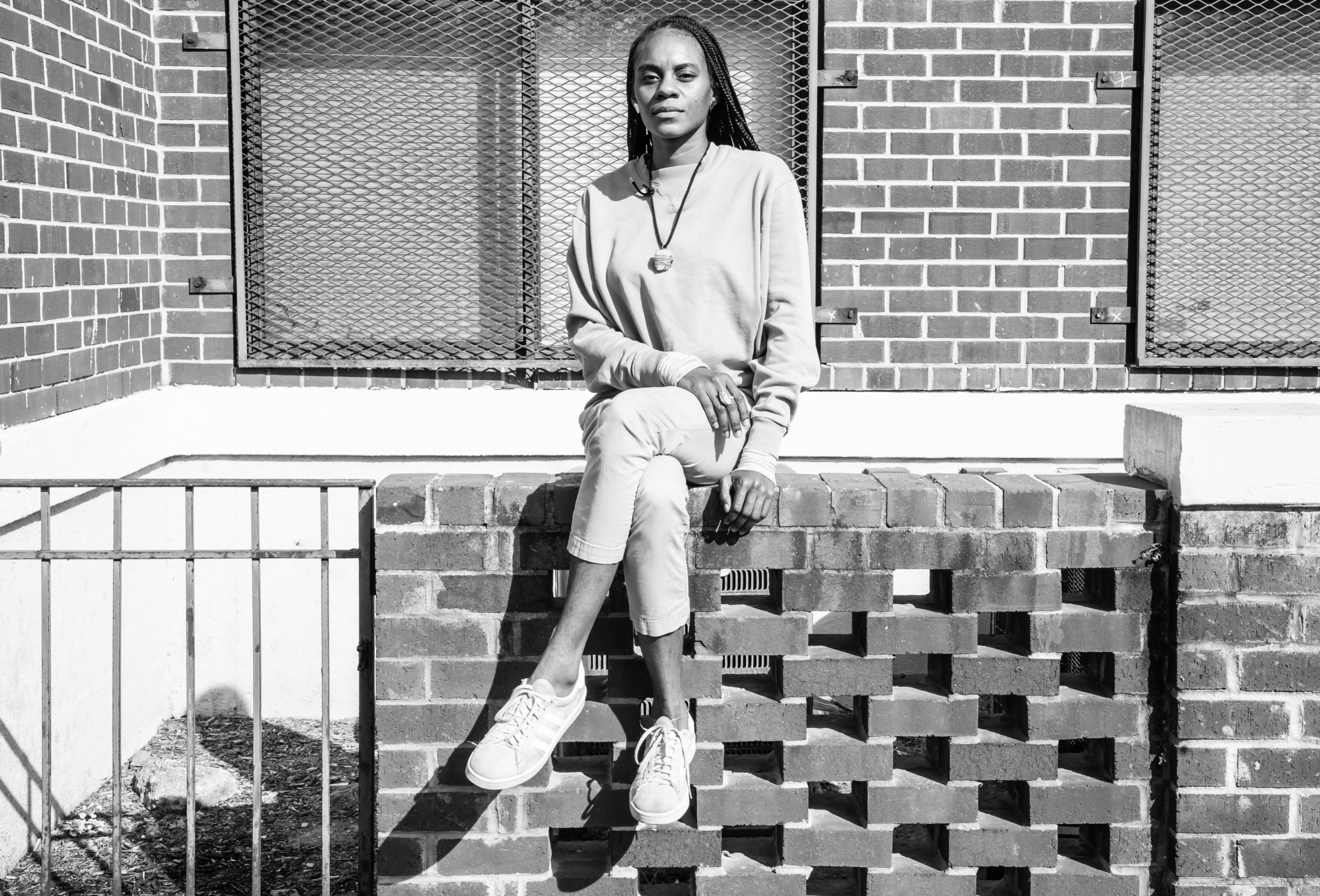
Talaya Whipple, Paradise Community, Ward 7
I have a lot of males in my life and young women that I was able to speak to about just how [violence] affects children, how it affects us as everyday people walking and living and just being in our communities. It just has us in a state of uneasiness. My exact sentiments on gun violence in our areas in our community, I genuinely feel it’s a spiritual warfare. I genuinely feel it’s an outcry for love. It’s an outcry for help. It’s a chance for us to really just stand together and pay attention because it’s getting closer and closer to our doorsteps. More than we even realized. Like you can wake up tomorrow and it can literally be a brother or cousin. So I just genuinely feel it’s a spiritual thing that we all need to be on and we need to approach it in that sense.
I would bring back community meetings, like the Peaceoholics, the people who genuinely care and show that they care to step into communities and actually talk to these people because these are everyday people that are outside. So it’s like, if you really care and you really have a heart, you know that these people are humans, just like you, you can approach them with the smallest look.
Because it’s a bigger war than you can really fight, but let’s start small with addressing the main issue which is “no love.” Like, we don’t have no love. I genuinely feel in this space, the women are key. The women need to come together collectively so that everybody wouldn’t be scared to just step up and join. I think that might be the vision. I’m really not taking away from the brothers, but everyone that’s really coming together and pulling people together is the women.
This post has been updated to add an interview that had been initially left out in error.
What Does Gentrification Mean For Neighborhoods East Of The River?
How Residents Feel About Stimulus Checks
Conflicting Feelings About The Return Of In-Person Learning