Colleen Grablick
D.C. is preparing to shut down several walk-up coronavirus vaccination sites in the coming weeks.
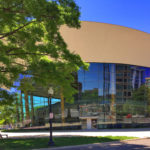
Four of the city’s walk-up centers — Arena Stage, RISE Demonstration Center, University of the District of Columbia, and Walter E. Washington Convention Center — will close by the end of June, DC Health announced on Wednesday.
Arena Stage will shutter on June 27, and starting on June 7 through its last day, the site will offer Johnson & Johnson shots. RISE Demonstration Center will close on June 30, and begin offering Johnson & Johnson shots on June 10. The UDC site is closing on June 24, and will offer Johnson & Johnson starting Thursday, May 27.
Beginning on May 29, the Convention Center location will have Johnson & Johnson sites available on weekends, and Pfizer will be available on weekdays through June 20, the center’s last day of operation.
If a resident prefers to receive a vaccine other than Johnson & Johnson at one of the sites before they close, they may choose to receive either Pfizer or Moderna, but will need to find another provider for their second dose after the centers close.
The Turkey Thicket Recreation Center and Kenilworth Recreation Center sites will both close on May 31, and the provider, Giant, will transition to giving vaccination in stores only. “On or around” June 1, according to DC Health, the Lamond Recreation Center , Langdon Park Community Center, Rosedale Recreation Center, and Fort Stanton Recreation Center sites will close as the city’s department of public recreation prepares for summer camps.
Residents seeking vaccines after these walk-up sites close can still visit United Medical Center in Southeast, Community of Hope health center in Southwest, or Providence Health System in Northeast for walk-up vaccinations. Plus, a number of pharmacies in the city are now offering vaccines, and residents who are homebound can call 1-855-33-0333 to receive a vaccination at home.
The news of the site closures follows Mayor Muriel Bowser’s announcement earlier this week, urging faith-based organizations, community groups, or employers to directly request a vaccine clinic from the city through a vaccine exchange program. (In addition to its walk-up and pharmacy vaccination sites, the city has been partnering with local churches and places of worship to host pop-up vaccine clinics, most recently, stood up events with plenty of freebies to boost interest in inoculations.
As of May 26, 40% of D.C. residents are fully vaccinated, and slightly more than 50% of residents are at least partially vaccinated. But as the city forges ahead with reopening (ditching the mask mandates and ending nearly all pandemic restriction on businesses), the racial disparities in vaccination and coronavirus case rates aren’t narrowing. According to a Washington Post report, Black residents now make up 80% of the city’s total coronavirus cases, compared to 46% at the end of last year. And as has been true since the early days of the vaccine rollout, residents in wealthier, whiter wards have received vaccines at higher rates than residents in predominantly Black wards 7 and 8. The city has published race data for about 70% of vaccine doses administered; 20% of Black residents have been vaccinated, compared to 29% of white residents.