Ally Schweitzer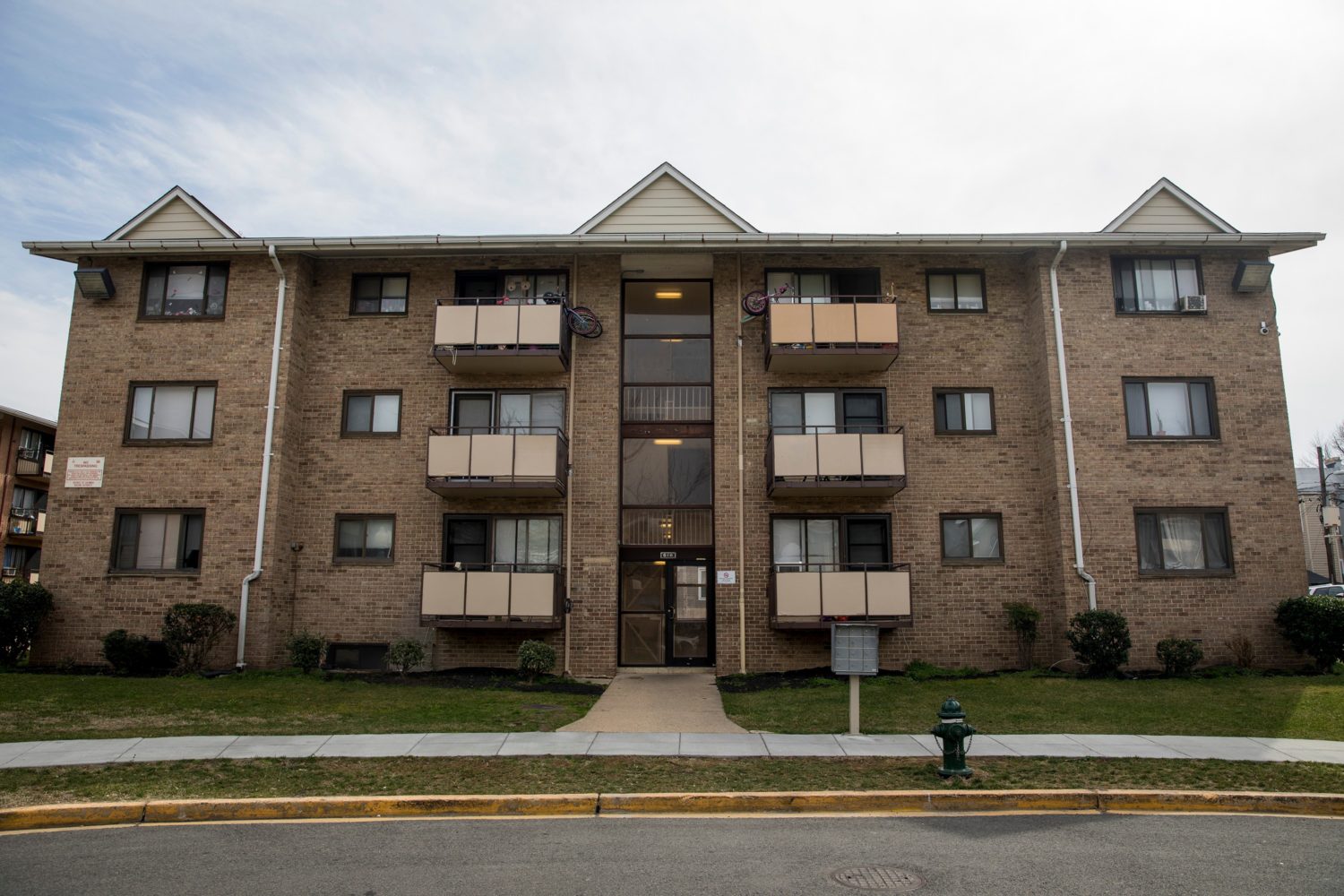
D.C. legalized pot in 2014, but that means little to the 12,400 people who live in the city’s public housing.
That’s because it’s still illegal to grow, possess, and consume cannabis in rental housing subsidized by the federal government, even for District residents who participate in the city’s medical marijuana program.
That legal double standard is at the heart of a letter D.C. Del. Eleanor Holmes Norton wrote to U.S. Secretary of Housing and Urban Development Marcia Fudge this week, requesting she use executive discretion to not enforce rules against pot use in federally assisted housing, including public and Section 8 housing, in states that have legalized cannabis.
“Individuals living in federally funded housing should not fear eviction simply for treating their medical conditions or using a substance legal under state law,” Norton said in a statement. “Americans are changing their views on marijuana, and it is time that Congress caught up with its own constituents.”
Norton has also sponsored legislation that would require all public housing to follow state cannabis law, not federal law. (Marijuana remains illegal on the federal level.) It’s the third time she has introduced the Marijuana in Federally Assisted Housing Parity Act, which did not receive a vote in 2018 and 2019.
A spokesperson for HUD did not return a request for comment.
In 2014, HUD sent a memo to the nation’s public housing directors that clarified the agency’s position on marijuana use in federally assisted housing. “Owners must deny admission to assisted housing for any household with a member determined to be illegally using a controlled substance, e.g. marijuana,” the memo said. “Further, owners may not establish lease provisions or policies that affirmatively permit occupancy by any member of a household who uses marijuana.”
Residents of public housing in D.C. face extremely limited housing options if they’re removed from their homes. Tenants pay an average of $292 in rent each month, in a city where average rents for a market-rate one-bedroom apartment hover around $2,200, according to Apartment List. For that reason, subsidized housing is a precious commodity.
Roughly 18,000 D.C. residents have project-based Section 8 vouchers, according to HUD estimates based on 2010 Census data.
It’s not clear how many residents of federally assisted housing in D.C. have been arrested or evicted for marijuana use or possession in their homes. A spokesperson for the D.C. Housing Authority, which oversees the District’s public housing portfolio, did not return a request for comment. An agency spokesperson told the Washington Post in 2019 that DCHA had not evicted any resident for using marijuana since voters approved legalization in 2014 under Initiative 71.
But some advocates still worry that Section 8 landlords or public housing authorities could use residents’ marijuana consumption against them. Adam Eidinger with D.C. Marijuana Justice — the advocacy organization that got Initiative 71 on the ballot — says tenants in Section 8 housing have shared stories about facing retaliation or other mistreatment after using marijuana at home.
“We had people being harassed. They came to [DCMJ] meetings and said, ‘My landlord is trying to use the fact that I’m a medical cannabis patient as a reason not to maintain the building. They say, if you report us for that, we’ll report you for your marijuana use.'”
Eidinger says homeowners and residents in market-rate housing shouldn’t be the only ones who get to use marijuana legally. “If it’s legal for some people in our city, it should be legal for all,” he says. “It’s about civil rights.”