Martin Austermuhle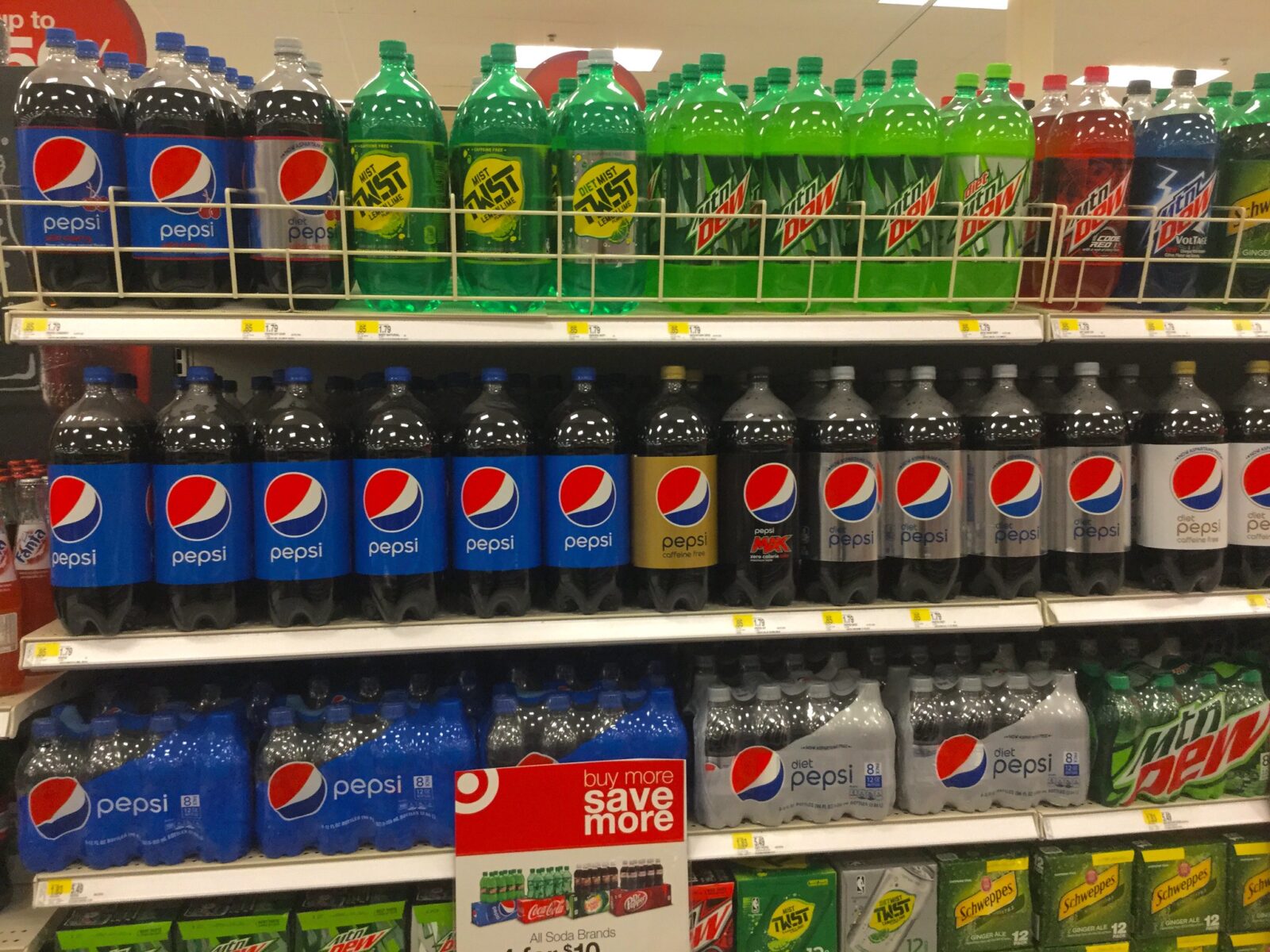
A bill that would bring a new soda tax to D.C. is officially dead.
Councilmember Brianne Nadeau (D-Ward 1) announced Friday that she was withdrawing legislation introduced earlier this year that would replace the city’s current sales tax on sugary drinks with an excise tax of 1.5 cents per ounce on their distribution.
“I recognize that there is not enough support to move the legislation forward,” she tweeted.
The bill similarly failed to move forward when it was first introduced in 2019, and another soda tax effort was derailed in 2010. (There was one successful push two years ago that raised the sales tax on sodas and sugary drinks to 8%, though, above the standard tax of 6% on other products.)
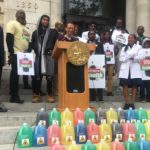
Despite support from some advocates who said the new excise tax could help steer people away from sodas and sugary drinks and direct additional revenue to nutrition programs in low-income communities, the bill once again drew stiff opposition from the soda industry, which funded the creation of an organization to rally small business owners against the new tax.
Support and opposition for the soda tax was evenly split in a public hearing last month, but sources in the Wilson Building say timing is likely what did the bill in. With many small market owners only starting to recover after the pandemic, some owners said that any new taxes could be devastating. That seems to have had an impact, as the bill failed to gain any more than the five members who introduced the measure (seven votes are needed to pass a bill).
“Our diverse coalition of working families, small business owners, faith organizations and labor leaders raised their voices to share the devastating economic consequences a new tax would have on D.C. residents, especially as our community begins to recover from the pandemic. We are thankful the D.C. Council heard these voices and took the necessary action to withdraw this regressive grocery tax,” said Carrie Kohns, a spokeswoman for the industry-funded Alliance for an Affordable D.C.
Soda taxes have long been controversial, with critics arguing they are regressive and of questionable value in changing people’s consumption habits. But even that has been contested. While researchers at Drexel University reported early last year that Philadelphia’s soda tax had minimal impact on what people bought and drank, a July study from the University of Pennsylvania School of Medicine said it actually led to a 40% decline in sales of sugary drinks at small retailers. A September study from UCLA said the city’s soda did not significantly decrease consumption — but it did serve as a reliable tool for producing revenue.
Still, Nadeau said in a statement that she would keep focusing on nutrition issues, especially in low-income communities in D.C. where health, food, and nutrition indicators have long lagged behind other parts of the city.