 Jenny Gathright
 Tyrone Turner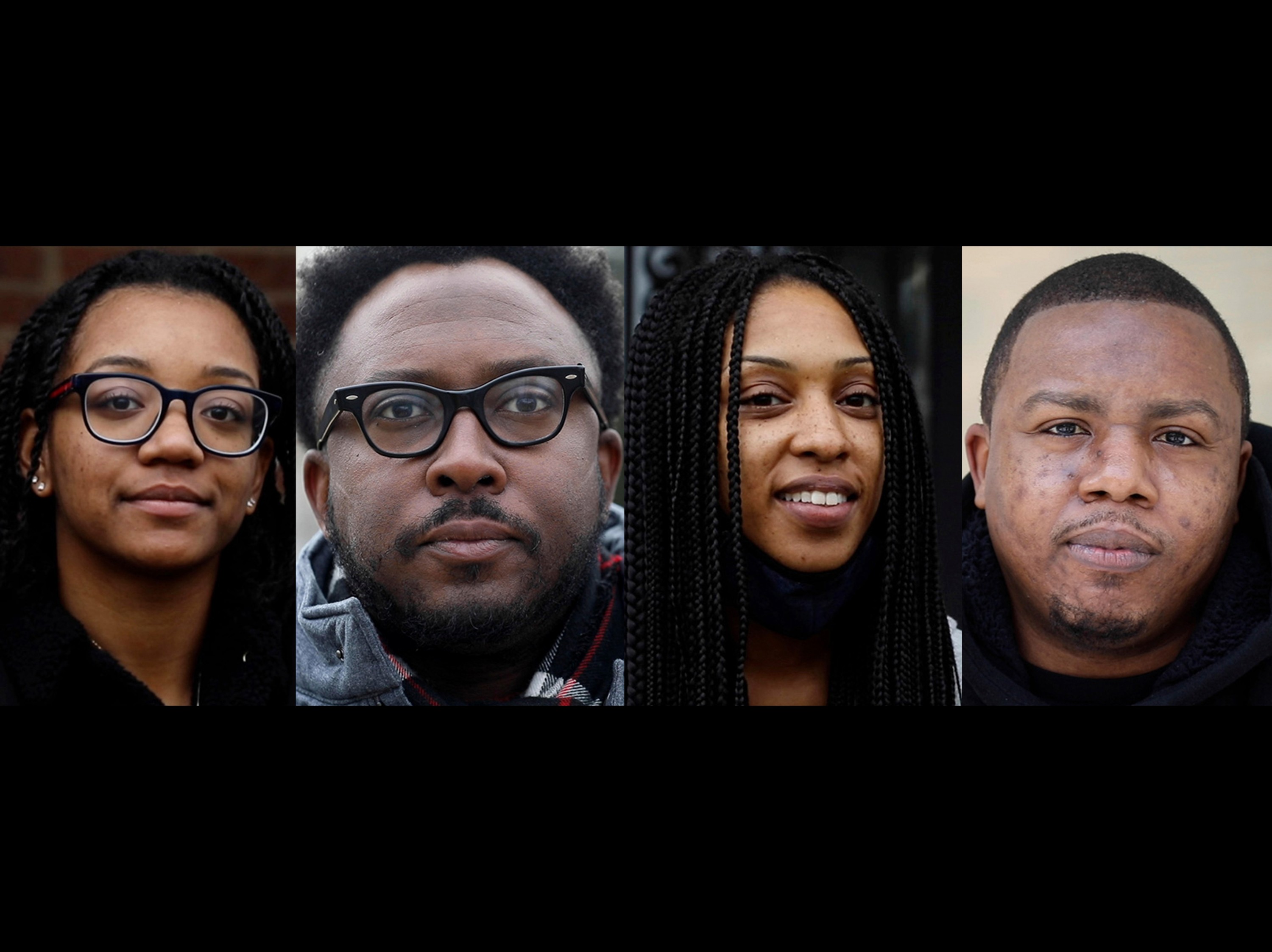
“The reality is that the pain and the trauma of gun violence is not equally distributed,” says Pastor Delonte Gholston, the Senior Pastor at Peace Fellowship Church in Deanwood and organizer of Peace Walks D.C.
This trauma affects thousands of families in the D.C. region, but low-income Black neighborhoods in the District and its suburbs experience it most.
And over the past year—like many neighborhoods in cities, suburbs, and rural areas across the country—those areas are experiencing a surge in shootings and murders.
Locally, the uptick has led to some action ahead of a summer many fear may see even worse violence. In January, D.C. Mayor Muriel Bowser created the city’s first-ever Director of Gun Violence Prevention, a position advocates including Moms Demand Action and other gun violence prevention groups pushed her administration to create. Next year’s proposed city budget also funds more non-police interventions like outreach workers and funding for families in immediate crisis or danger. And the city is planning to award grants to residents and local organizations with ideas for reducing gun violence.
Recently, a gun violence prevention organization called The T.R.I.G.G.E.R. Project worked with city officials and other local organizations to convene a day-long conference focused on creating an action plan to prevent summer gun violence in both the District and its bordering neighborhoods.
In Prince George’s County, where homicides fell for years before ticking back up during the pandemic, officials say they are organizing summer programming for young people and soliciting help from the community to prevent shootings and street violence.
People who do anti-violence work know that this focus must stretch beyond the scope of a single summer or budget cycle. They say the violence making many Washingtonians feel unsafe in their neighborhoods is connected to a larger pattern of racism—one that deprives certain communities of resources and concentrates them in others.
So over this past pandemic year, DCist/WAMU spoke with four Black Washingtonians who work to prevent and protest violence about how they define safety, how they create it for others, and how we should think about solutions. Play the video above to hear what they told us.