 Jordan Pascale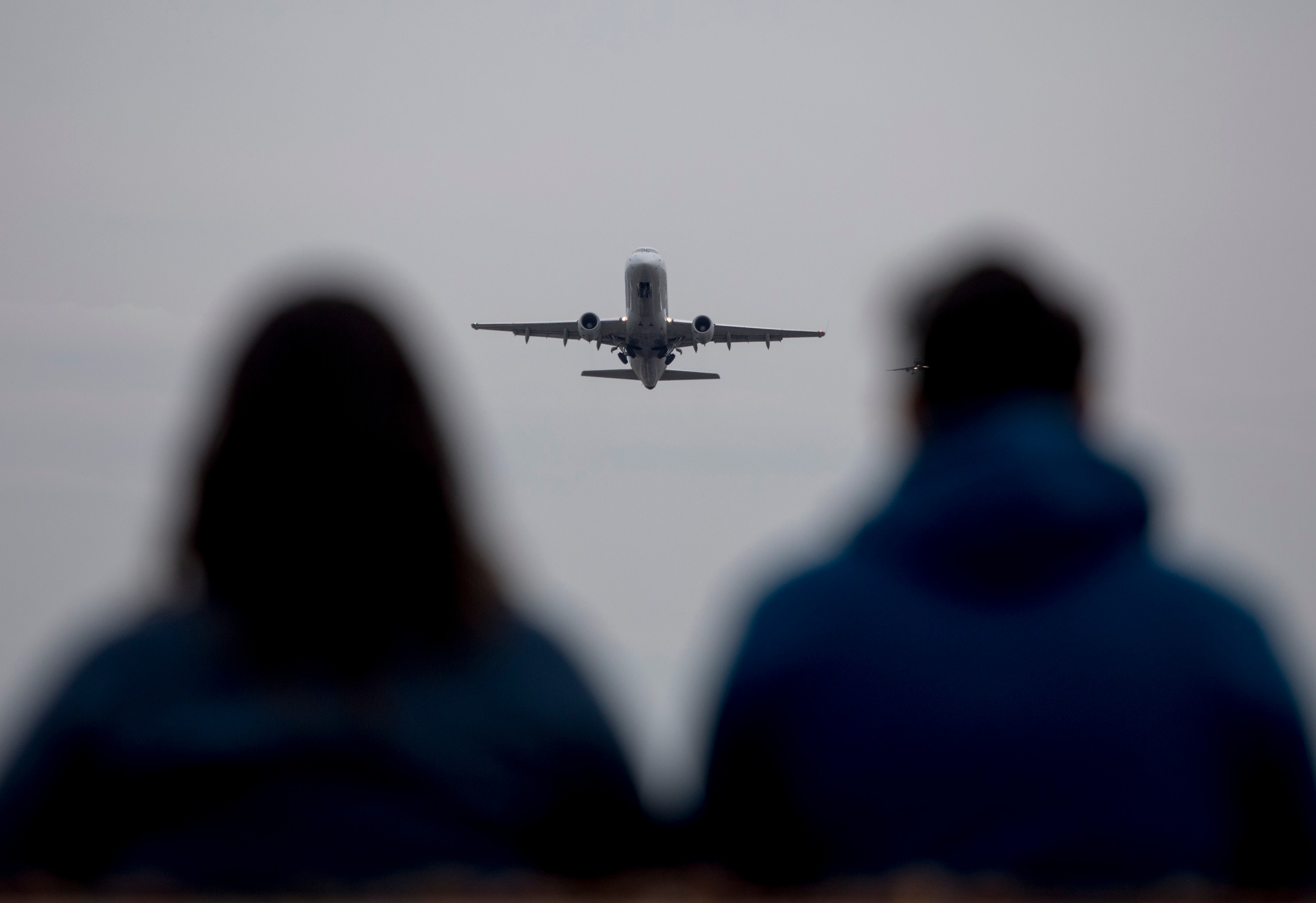
More than 1.3 million Washington-area residents are getting outta town for the Fourth of July holiday.
That’s not only 70% higher than last year, but also a new record in the region, according to auto group AAA.
“From its nadir to its pinnacle in a span of a single year, stunning is the turnaround,” AAA spokesperson John Townsend said in a release. “In counterpoint to this time last year, two out of ten residents in the region will venture 50 miles or more from home during the Fourth of July.
“It is at once a remarkable rebound and record-breaking resurgence.”
AAA didn’t even issue a travel forecast last year as travel was expected to be so bleak.
Nearly 90% of travelers will drive to destinations 50 miles or farther, AAA says.
If you’re heading to Maryland or Delaware beaches, the Maryland Transportation Authority suggests crossing the Chesapeake Bay Bridge at these times to avoid the worst congestion:
- Friday, July 2 – before 8 a.m. and after 8 p.m.
- Saturday, July 3 – before 6 a.m. and after 8 p.m.
- Sunday, July 4 – before 8 a.m. and after 10 p.m.
- Monday, July 5 – before 6 a.m. and after 5 p.m.
Meanwhile, I-66 in Virginia will have the least congestion:
- Friday, July 2 – before 12 p.m
- Saturday, July 3 – after 2 p.m.
- Sunday, July 4 – anytime
- Monday, July 5 – before 1 p.m.
Thursday (yesterday), this afternoon from 4-5 p.m. and again Monday from about 4-5 p.m. are among the worst times to drive.
“With travelers eager to hit the road this summer, we’re expecting nationwide traffic volumes to increase about 15% over normal this holiday weekend,” INRIX transportation analyst Bob Pishue said in a release. “Knowing when and where congestion will build can help drivers avoid the stress of sitting in traffic.
“Our advice is to avoid traveling on Thursday and Friday afternoon, along with Monday mid-day.”
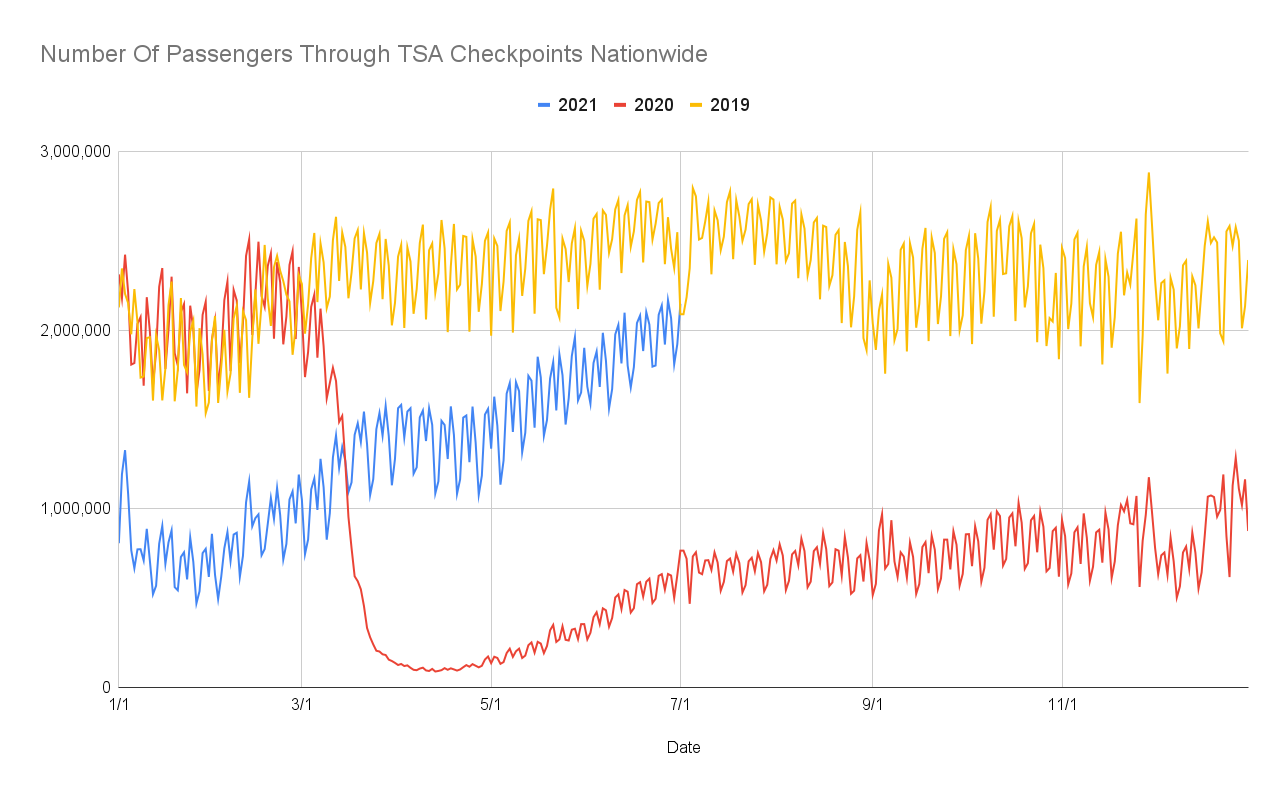
About 6% of those traveling from the region will fly. Across the country, 2,147,000 people went through TSA checkpoints on Thursday, the largest total since the pandemic began and it even surpassed the 2019 total on the same day, 2,088,760.
Face masks are still required in airports and on planes, on public transit, and on trains through at least Sept. 13.