 Jenny Gathright
Metrorail will extend train service until midnight starting this Sunday, July 18, the transit agency told riders in a press release on Wednesday. The new hours will apply to all seven days of the week.
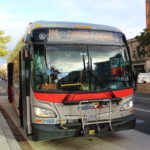
WMATA’s announcement comes a month after the agency expanded late-night Metrobus service on 36 of its busiest routes. Last month, the transit agency’s board approved a series of changes to try to lure riders back — including discounts on bus and rail passes and promises of more frequent buses and trains. Those changes also include steep discounts on monthly bus and rail passes for the month of September and other long-term fare reductions.
And this weekend’s service expansion isn’t the final change for the beleaguered railway. Starting in the fall, Metrorail will expand service until 1 a.m. on Fridays and Saturdays.
Metro started closing at 11 p.m. in March of 2020 to try and protect its workers from COVID-19 and give them more time to clean trains and stations at the end of the day. Now, Metro General Manager Paul Wiedefeld said in a statement Wednesday, the transit agency needs to start offering more service for customers.
“Riders that work late, enjoy the region’s restaurants and nightlife or need to get to and from places at night will now have more flexibility with trains running longer every night,” said Wiedefeld. “As the region recovers, Metro will be there to meet the transit needs of customers and businesses in the National Capital Region.”
Late-night transportation has been a long-standing issue in the D.C. region; many residents have criticized the Metrorail system for years because its schedule tends to accommodate the 9 to 5 office workforce and not workers in the service industry or other jobs that start early or end late. The transit agency has said it cannot extend service well into the night because it needs those overnight hours to do the maintenance work necessary for safety.
But in recent months, as the region’s nightlife industry has reopened, the issue of late-night transportation has become even more urgent. Prices on rideshare apps like Lyft and Uber have soared. And while 2 a.m. bus service — which resumed in June— has been a help to some hospitality workers, many have been spending large percentages of their paychecks on rideshares home after late shifts.