Nearly 45,000 Naloxone kits were distributed throughout the District in 2020, up from more than 15,000 in 2019. City officials want to beat that number this year. The drive to distribute more Naloxone, a lifesaving opioid overdose antidote, has become more urgent with D.C. seeing a record 411 opioid-related overdose deaths last year. According to health experts, Naloxone could likely have prevented most of these deaths.
“Naloxone should be near at hand like any lifesaving medication. Family, friends, or others in the community can use naloxone to save someone who is overdosing. Keeping alive people who face drug addiction also keeps alive the hope and chance for treatment and recovery from this chronic illness,” said Barbara J. Bazron, Director of the Department of Behavioral Health, the lead agency behind LIVE.LONG.D.C.., Mayor Mural Bowser’s initiative to end the opioid epidemic.
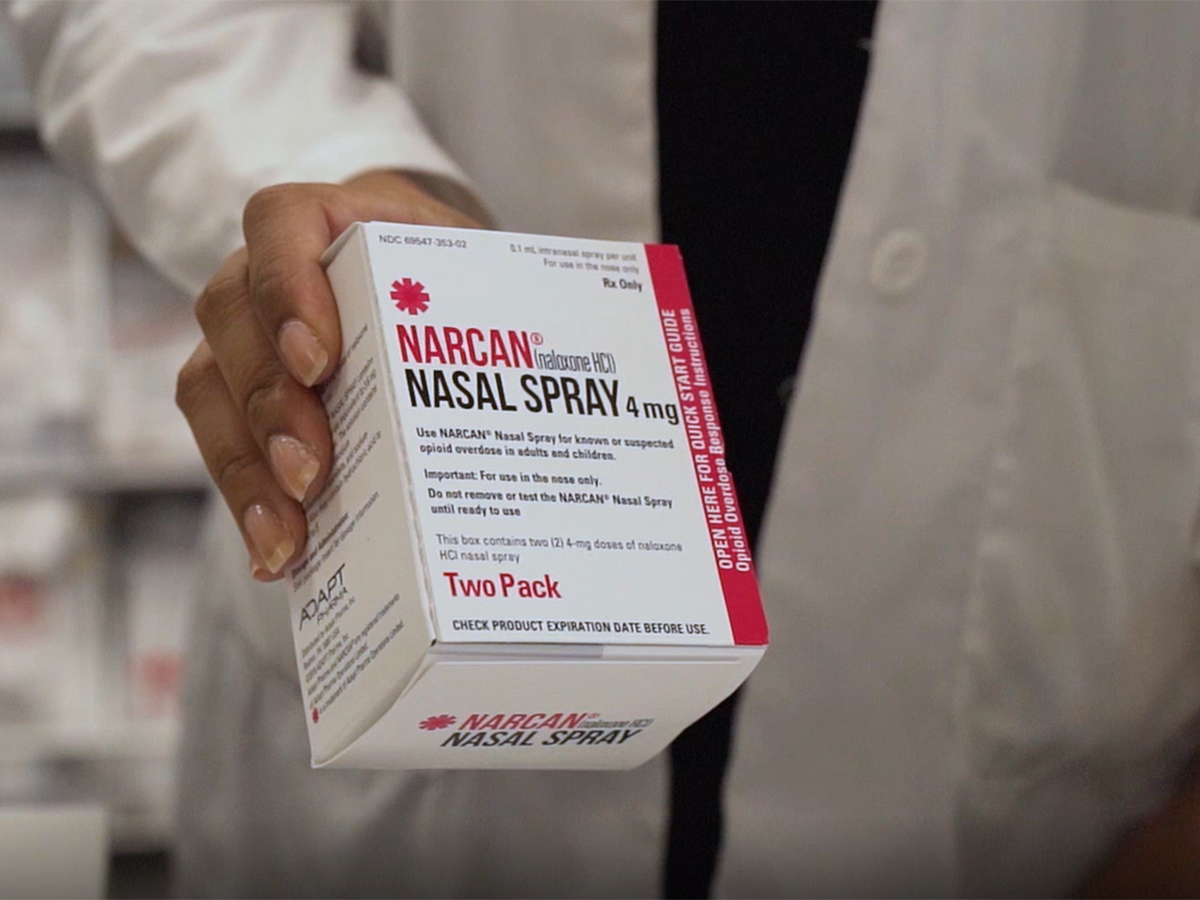
Dr. Bazron and other experts point to Naloxone as one of the most valuable tools to address the crisis. Naloxone is an easy to administer nasal spray. It works quickly, is painless, and is pre-measured. Also known by its brand name, NARCAN, it temporarily blocks the effect of opioids and helps a person experiencing an overdose start breathing again. To that end, the District has established a network of pharmacies and community-based organizations that provide free Naloxone kits upon request. No prescription or identification is required.
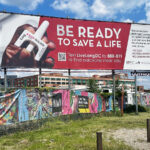
First launched in 2018 with 17 locations, the Naloxone is now available at more than 40 locations across D.C. By texting “LiveLongDC” to 888-811, a person will receive a reply with a link to a map of all the Naloxone locations near them. Users can even choose to have the Naloxone delivered to them by a trained outreach worker who can answer questions and even provide instructions on how to use the kit.
The sharp rise on overdose deaths is being driven by the increasing presence of fentanyl in the street drugs coming into the District. Fentanyl, a powerful synthetic opioid that is typically used in a hospital setting to manage pain, is 50 to 100 times more powerful than morphine. Even a small amount can stop someone from breathing. It is increasingly being added to street drugs such as heroin, cocaine, methamphetamine, even Percocet and marijuana. The D.C. Medical Examiner identified fentanyl in 95 percent of all the opioid-related overdoses that have occurred this year.