Colleen Grablick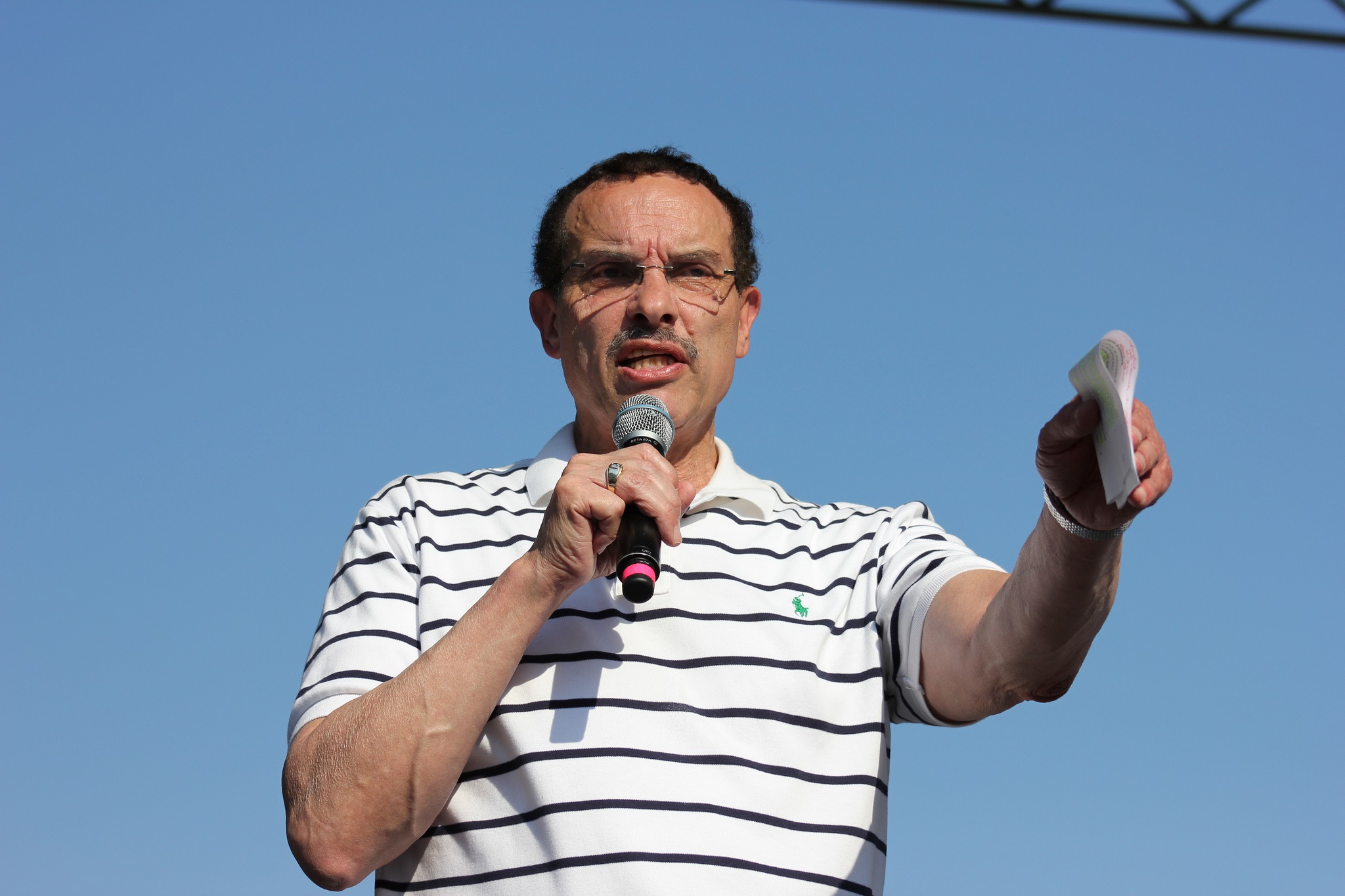
Ward 7 Councilmember Vincent Gray, who also chairs the council’s committee on health, sent a letter to the city’s health agency on Wednesday, questioning a recent hire that’s already drawn public outcry.
On Nov. 9, Black Lives Matter DC tweeted a screenshot of a DC Health communication, announcing Dr. Thomas Farley, most recently Philadelphia’s health commissioner, as a new senior official in the city’s community health administration. But the memo didn’t disclose the circumstances surrounding his departure from Philadelphia. Earlier this year, Farley resigned after admitting that he had ordered the cremation and disposal of the bodies of victims from the 1985 MOVE police bombing, without notifying any families. Farley’s resignation was preceded by a request from Philadelphia Mayor Jim Kenney that he step down.
News of Farley’s new position with D.C., first reported by the Washington Post, quickly spread, as did the calls for his removal. The role (DC Health’s senior deputy director for the community health administration) is designed to close health gaps in the city by engaging with members of the community.
In his letter on Tuesday to DC Health director LaQuandra Nesbitt, Mayor Muriel Bowser, and other senior city leaders, Gray asks that the health agency explain to councilmembers and the public why Farley should keep the job.
“I am concerned about what appears to be a lack of racial sensitivity and how that would reflect … particularly for African Americans who are medically underserved and experience a greater rate of co-morbidities,” he writes. “Improving community health requires trust and we need to know that the person making public health policy has the ability, judgment, and cultural sensitivity for our community.”
Ward 4’s Janeese Lewis George questioned Farley’s hiring in a recent COVID-19 briefing with the mayor’s office. According to George, Bowser’s office said in the meeting that they planned to address Farley’s hiring “soon.”
A DC Health spokesperson provided DCist/WAMU with a brief written statement on the hiring earlier this month: “Dr. Farley’s skillset will allow DC Health to continue its vision to become the healthiest city in America.”
During a press conference regarding D.C.’s outgoing mask mandate on Tuesday, a reporter asked Nesbitt to respond to the public criticism of Farley.
“Being able to recruit someone who has served as a health commissioner in two major cities is something that I look forward to…being able to have him get to know many of the residents in the District of Columbia, and many of them getting to know him as well,” Nesbitt said on Tuesday. DC Health officials did not immediately return DCist/WAMU’s request for comment on Gray’s letter.
On May 13, 1985, police in Philadelphia targeted MOVE, a Black liberation group, by swarming a West Philadelphia rowhome the group occupied and dropping a bomb on it. Eleven people were killed, including five children, and 61 homes were destroyed. In 2017, 36 years after the bombing, Farley, who’d started as the city’s health commissioner just the year before, directed the city’s medical examiner to dispose of the remains without notifying the families of MOVE victims.
Farley decided to disclose his actions to the city this May, following public outcry over the revelation that anthropologists at Princeton University and the University of Pennsylvania had been using the bones of an unidentified bombing victim in their research and course work for the past 36 years. The bombing has long symbolized the city’s mistreatment of Black residents, and the mistreatment of the victim’s bones further traumatized Black Philadelphians. Farley said he reconsidered his directive to destroy the remains after seeing the news about Penn and Princeton.
“Believing that investigations related to the MOVE bombing had been completed more than 30 years earlier, and not wanting to cause more anguish for the families of the victims, I authorized [the medical examiner] to … dispose of the bones and bone fragments,” Farley told the Philadelphia Inquirer in May. “I made this decision on my own, without notifying or consulting anyone in the managing director’s office or the mayor’s office, and I take full responsibility for it.”
Then, one day after Farley had resigned, city officials announced they’d actually found the bones in a box in storage.
In his letter, Gray writes that Farley’s mistreatment of the victims’ bodies raises questions about his ability to treat and prioritize the health of Black D.C. residents.
“It is unclear if Dr. Farley appreciated the significant of the events that led to the death of the MOVE 15 bombing, or the harm the disposal of their remains could cause surviving family or the African American community.”