Ally Schweitzer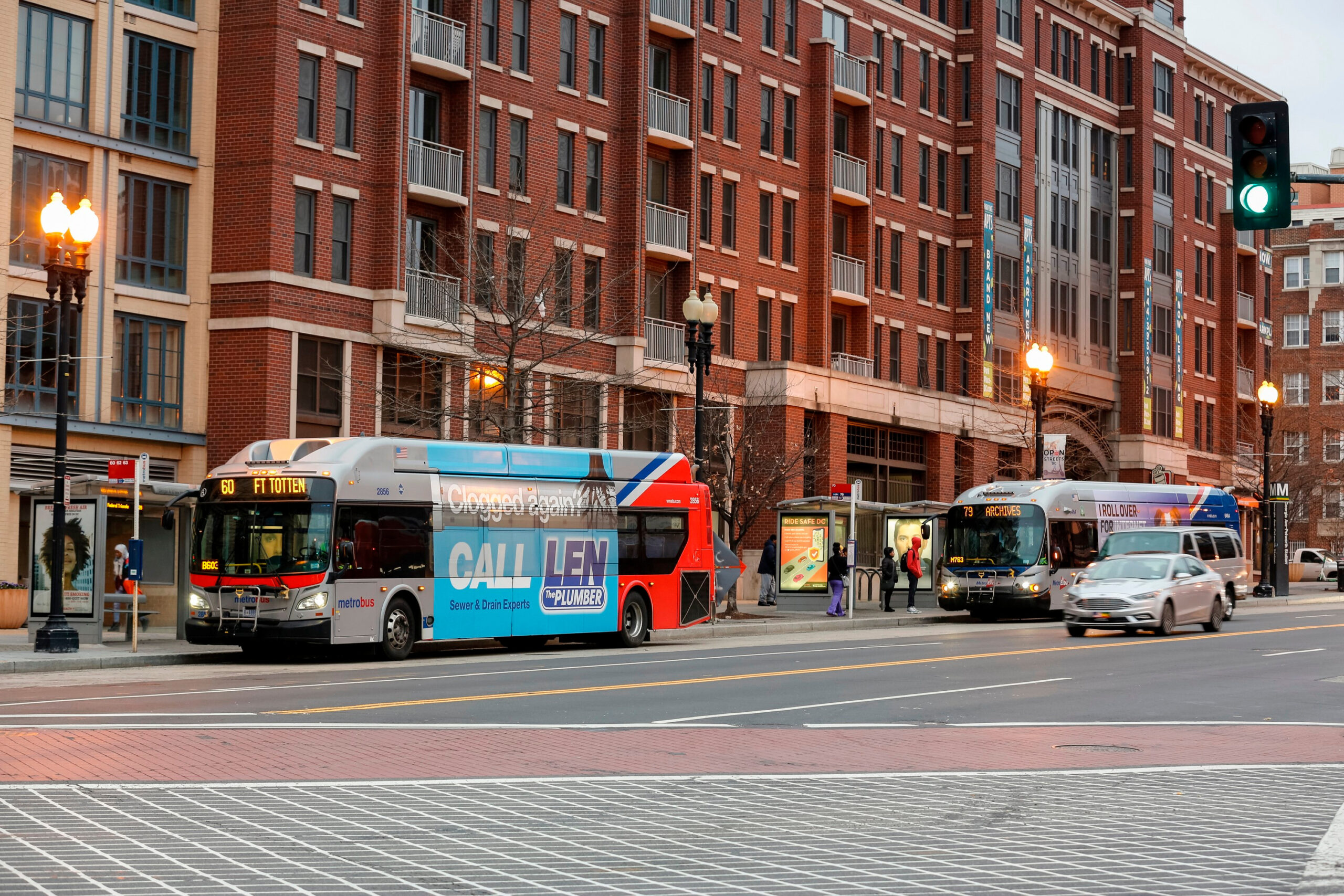
Metro plans to outfit its entire bus fleet for two-door entry in a dual effort to reduce boarding times and prepare for the next health emergency.
Currently, passengers can only board Metro buses using the front door, but Metro will begin equipping buses for rear-door access starting next summer. The transit agency’s plans were first reported Tuesday by the Washington Post.
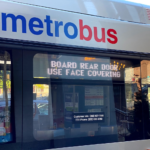
Metro suspended front-door boarding in March 2020 in response to the pandemic. Allowing riders to only board the bus using the back door was a safety measure meant to protect bus drivers from coronavirus exposure, but the move prevented Metrobus from collecting fares, because buses have just one fare box next to the front door. Metrobus resumed front-door boarding and fare collection in January over objections from the union that represents Metrobus operators.
Installing fare collection devices near the back door would provide another entry point for passengers and allow the system to suspend front-door boarding again, if another pandemic necessitates it, officials told the Post.
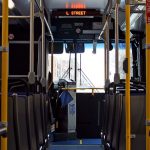
Passengers have long complained about how much time buses spend waiting for passengers to board through the front door. Allowing riders to board through the rear door — which now functions as an exit — could reduce lag time, according to the Post.
Metro trains and buses rolled out smartphone-based boarding last year, allowing iPhone users — and later Android phone users — to pay fares with a tap. Officials said the tech upgrade would reduce lines and crowding at fare boxes during the pandemic.
Transportation systems across the country switched to rear-door boarding as the health emergency began to unfold last year. San Francisco’s Muni became the country’s first major transit agency to adopt all-door access permanently in 2012. The change went on to produce positive results, reducing wait times — known as “dwell” — by 38 percent, a report showed.