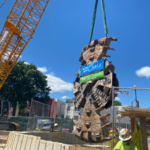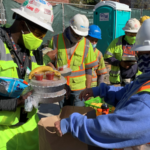
Safety on DC Water construction projects is the number one priority for all project staff. DC Water contracts focus heavily on the implementation of a safety program that incorporates multiple levels of responsibility, accountability, and oversight of the ongoing construction work. As part of this multi-tiered approach, DC Water’s contractor and construction management staff incorporate safety professionals who actively partner to reduce or eliminate safety risks on work sites during construction. Like many public utility agencies, DC Water requires that every construction meeting and each construction workday begin with a safety moment to focus on how to mitigate potential hazards at the jobsites. The goal is for every individual to arrive home healthy, safe, and well at the end of each day.
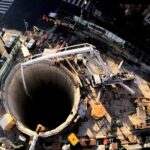
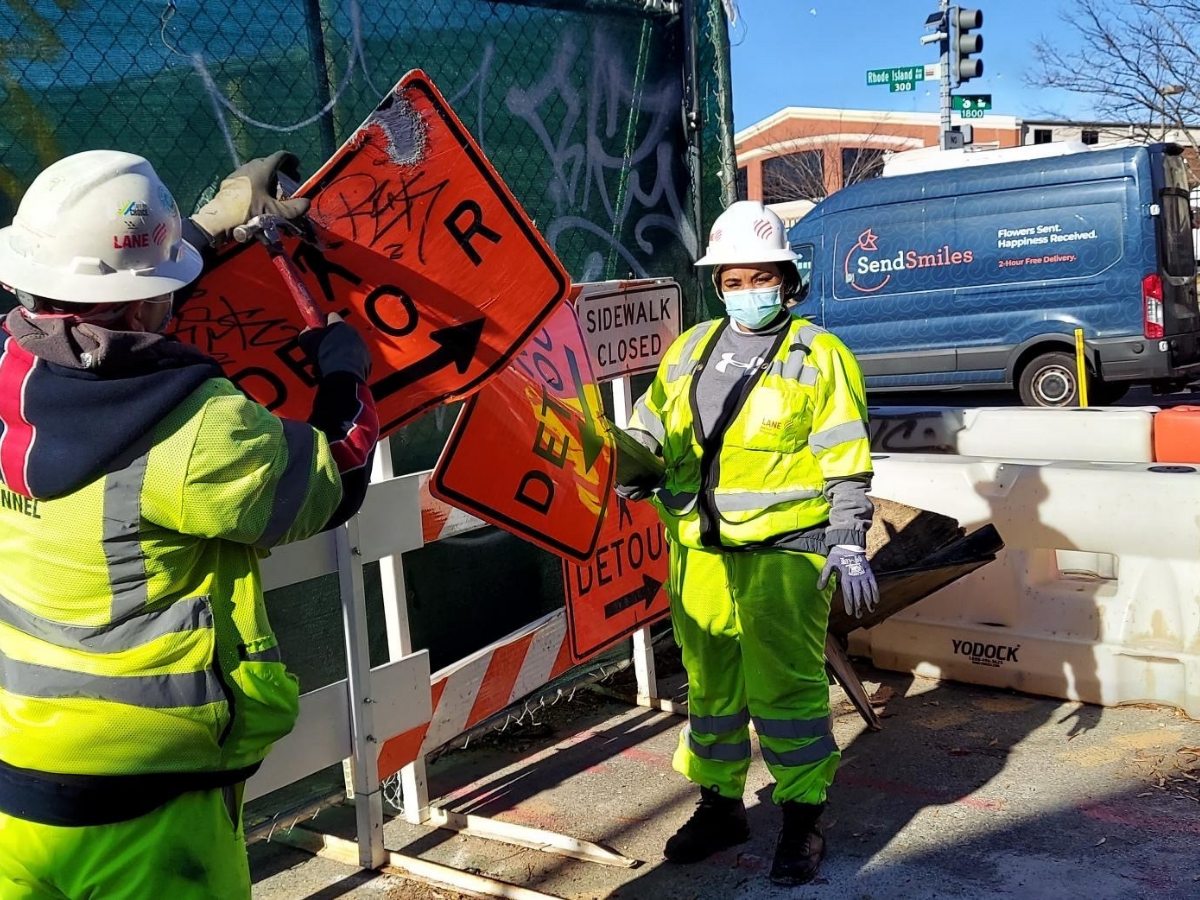
Physical separation of construction work sites from public access is critical to protect the public from the hazards of construction activities. On the Northeast Boundary Tunnel (NEBT) project, site fencing and other barriers provide the first line of protection between the construction and public vehicles, pedestrians, and bicyclists who pass by work sites every day. DC Water’s NEBT contractor also subcontracts with security firms as a second line of oversight to monitor the construction sites for any potential security issues. When it comes to interaction between public space and DC Water’s controlled work sites, DC Water’s NEBT contractor utilizes flagmen to coordinate movement of large equipment and truck traffic in and out of the work site boundaries. DC Water also coordinates extensively with the District Department of Transportation to develop, implement, and modify maintenance of traffic plans with public safety in mind during construction.
The DC Water Clean Rivers Project (DCCR) is proud of its exemplary safety record given that over 13 miles of tunnel have been excavated since its inception. Tunnel excavation/deep underground work is highly specialized and can be considered risky in heavy civil construction. John Walker, the DCCR Safety Manager, said, “Thanks to the constant oversight by our very experienced team of inspectors and managers who know tunneling, we have developed a successful safety culture that focuses on a “best practice” approach for managing construction risks. We also have had skilled design-builders knowledgeable in how to safely execute this work even under these difficult pandemic conditions. Everyone involved in the safety program is trained and vigilant, empowered to stop the work if something potentially unsafe is observed.” The safety record for NEBT shows that for over 2.7 million personnel hours worked through September 2021, the incident rate for the program remains below the Bureau of Labor Statistics national average for Heavy Civil construction.
The NEBT, due to be placed in operation in 2023, will complete the Anacostia River Tunnel system and is designed to reduce combined sewer overflows into the river by 98%. It will also improve health and safety in the District by significantly reducing flooding to local streets and basements. To learn more about the NEBT project, visit www.dcwater.com/nebt.