Elliot C. Williams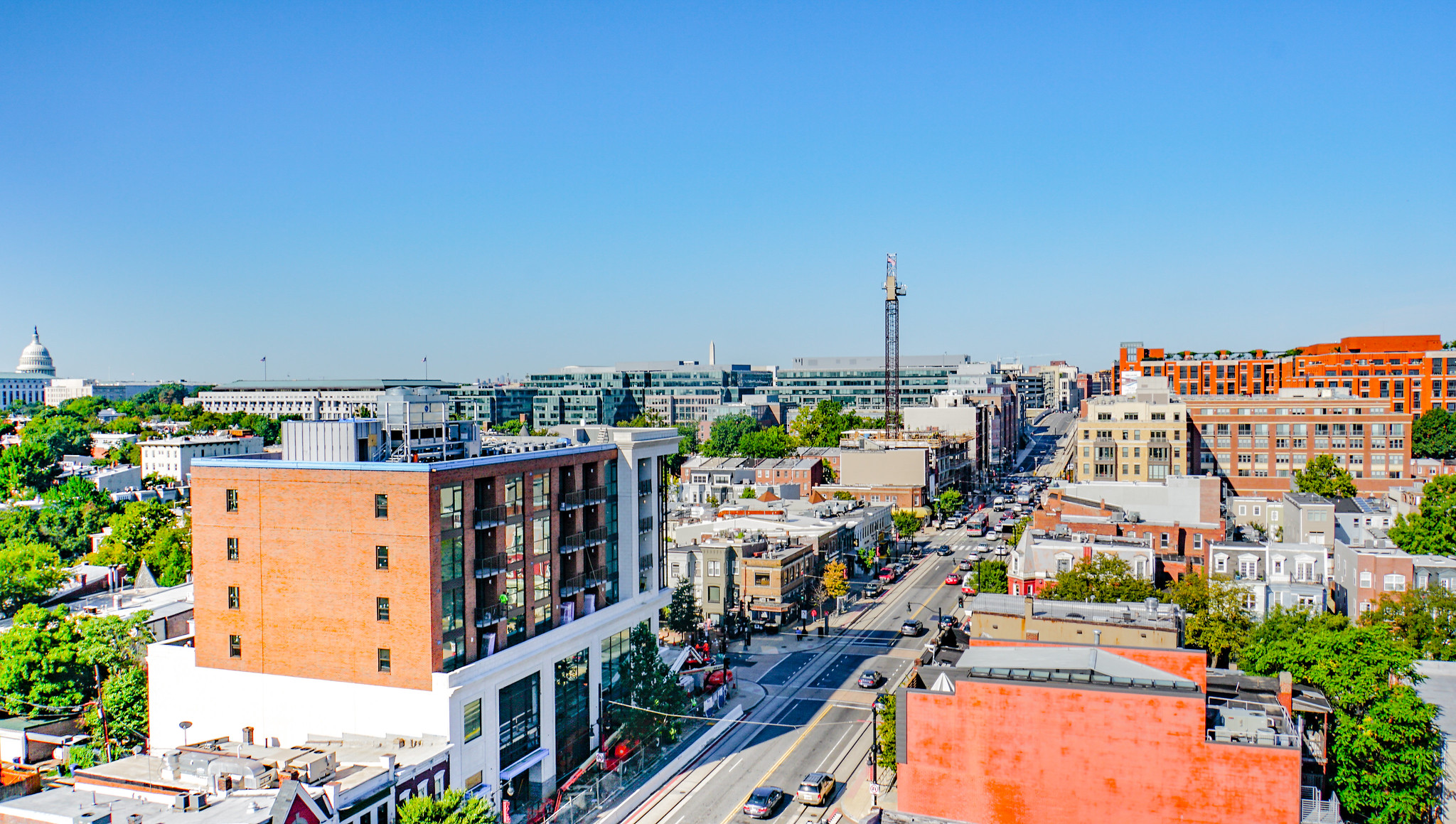
Mosaic Theater Company is collecting stories from residents of the H Street neighborhood who experienced the 1968 riots in D.C. following Martin Luther King Jr.’s assassination, and who have reflections on the summer of 2020 protests following George Floyd’s murder. Mosaic, which is located on H Street NE, plans to turn these interviews into full-length plays and monologues that will be staged in a 2023 festival.
Mosaic has already started collecting interviews for the project, called the H Street Oral History Project. The non-profit theater organization has enlisted three playwrights and a dramaturg to craft the plays. Mosaic will also preserve audio versions of the monologues in the D.C. Public Library’s archives.
Psalmayene 24 (aka Gregory Morrison; or Psalm, within the theater community) is the Andrew W. Mellon Foundation playwright in residence at Mosaic Theater who came up with the project idea. He says, “I wanted to think of a way to really connect the Mosaic tribe with the greater tribe of H Street and embed us not only in the community, but also allow us to become a part of the history.”
The exact details of the project are still in the works, but Psalm says each playwright will speak to at least three residents who have first-hand experience within the H Street Corridor during the 1968 riots and/or the summer of 2020.
As theaters nationwide have undergone a racial reckoning of sorts, Psalm says Mosaic intentionally chose four Black artists to write the monologues: playwrights Lady Dane Figueroa Edidi, J.J. Johnson, Gethsemane Herron-Coward, and dramaturg Jordan Ealey.
“We want to be a place where the stories of our community are uplifted and celebrated and given the spotlight — particularly because so many of those residents are African Americans who have seen so much change happen without their input,” says Reginald Douglas, Mosaic’s new artistic director. “We’re excited to celebrate their work and uplift their voices as vital and valued in a city that sometimes makes it feel otherwise.”
Mosaic isn’t the first to draw parallels between the 1968 and 2020 civil rights demonstrations. In fact, civil rights leaders, D.C. business owners, and residents have expressed a complicated mix of hope, regret, and inspiration from the two eras, now more than a half century apart.
“So much of H Street’s history has been forgotten and disremembered,” Douglas adds. “So we believe that by honoring the voices of those who can reflect on what was in a neighborhood that’s changing, perhaps we can build forward in a new way.”
The project will culminate with a week-long festival that will celebrate the H Street Corridor, when the monologues will be performed onstage. Douglas says he’s especially excited to see the audio versions of the plays archived and preserved by the DCPL.
“What it means is, the voices of our community will resonate forever,” Douglas says. “They are put into the archives of who and what D.C. is, so that the next generation can look back in order to understand who we are today and where we might want to go next. And that, to me, is what great theater does.”
Mosaic is asking any current or former H Street residents interested in being interviewed to email hstreetoh@mosaictheater.org. Interviewees will receive a monetary stipend for their time and contribution to the project.