Ally Schweitzer
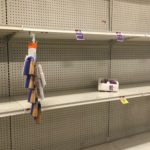
It’s not just you: Grocery stores across the D.C. region are running low on a variety of products, in a flashback to the early days of the pandemic. But the shortages can’t be explained by one factor alone.
Icy roads and the after-effects of last week’s snowy weather have stripped the shelves at local grocery stores in recent days, compounding supply chain crises that have been in the news for months, says one potato supplier.
“Take COVID out of it and all the craziness we hear about supply chain, and I think it has more to do with the physical nature of being able to move product when we have this kind of weather,” says Dave Masser, president of Sterman Masser Inc., a Pennsylvania potato wholesaler that ships to grocery distribution centers in the D.C. region. “Snow is one thing. You can operate in snow. But when there’s ice on the road, it’s really hard.”
On Sunday, Sterman Masser had a truck loaded up with 40,000 pounds of potatoes destined for a grocery distribution warehouse in Landover, Maryland. But an ice storm up north forced the company to cancel its shipment, causing shortages downstream at grocery stores like Giant, Masser says.
“It’s a challenging time right now,” Masser says. “Us producers out there are doing the best we can to try and feed people.”
Representatives for Trader Joe’s, Harris Teeter, Whole Foods, and Yes! Organic Market did not immediately return requests for comment. A spokesperson for Albertson’s, which owns Safeway, referred WAMU/DCist to FMI, a national advocacy organization for the grocery industry.
A representative for Giant wrote in a statement that “the prolonged pandemic and last week’s weather has caused continued strain on our supply chain, but our Giant teams are working with our manufacturing partners to replenish shelves as quickly as possible.”
https://twitter.com/kristoncapps/status/1479240403526332416
MOM’s Organic Market had trouble getting fresh produce on Sunday for similar reasons, according to Lisa deLima, a spokesperson for the independent grocery chain. One of their main produce suppliers, Four Seasons Produce Inc. in Pennsylvania, had to delay shipments due to treacherous weather. MOM’s could only get produce orders into nine of its stores on Sunday, but stores are back to normal as of today, according to deLima. (A representative from Four Seasons didn’t immediately return a request for comment.)
At the same time, COVID-related labor shortages continue to disrupt every level of the food industry. Commercial truck drivers, who are essential to getting fresh food into grocery stores each day, continue to be hard to find. The American Trucking Associations estimated a shortage of more than 80,000 truck drivers last year.
Grocery stores are experiencing similar shortages on the retail side, according to the National Grocers Association, a trade group that represents hundreds of retail and wholesale grocers across the U.S.
“Many of our members have reported operating their stores with less than 50% of their normal workforce capacity,” an NGA spokesperson writes in a statement. “The prevalence of the omicron variant in both vaccinated and unvaccinated populations, coupled with the lack of available testing resources, has further contributed to current staffing challenges.”
Staff shortages are hitting distribution centers, too, meaning food that’s on the shelf in a warehouse can’t get to stores, says Pat Sheridan, president and CEO of the Independent Natural Food Retailers Association, whose local members include Yes! Organic Market.
“The number of employees at distribution centers that have been sick with COVID, or the flu, or potentially bad colds, has really dramatically increased,” Sheridan says. “Those jobs tend to be in relatively close working quarters, so it spreads.”
Many grocers continue to battle challenges that emerged early in the pandemic. Demand for groceries shot up as millions of Americans quarantined in their homes in 2020, and consumers are still eating more at home than they did in 2019, according to FMI. In 2019, Americans spent an average of $113.50 at the grocery store each week. These days, the average is $144, reflecting both price hikes and increased buying.
“The initial shock of the pandemic affected every stage of the supply chain — from producers to distributors to retailers. These challenges continue to reverberate today, and shoppers may see disruptions,” says an FMI fact sheet.
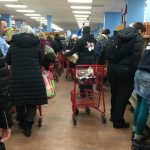
Then there’s panic-buying. While not the primary cause of empty grocery shelves, it can certainly play a role, according to Sheridan. “There was a lot of holiday buying [at the end of the year], but add to that the impact of weather, the concerns about people getting sick — we’re seeing anecdotal evidence that there was more of a run on stores lately,” he says.
All of these issues can have a greater impact on small, independent markets that receive fewer truck deliveries per week than supermarkets do, Sheridan adds. But smaller stores do have one advantage over the big guys, he says: Fewer shelves mean less empty space to fill. Even the sight of an empty shelf can lead to panic or invoke comparisons to the Soviet era.
“If you walk into an independent store, even if they had a missed delivery that week, that small crew can move product [onto the shelves] quicker, and at least it doesn’t feel like it’s an emptier store,” he says. “That makes a difference for consumers.”