 Olga Imbaquingo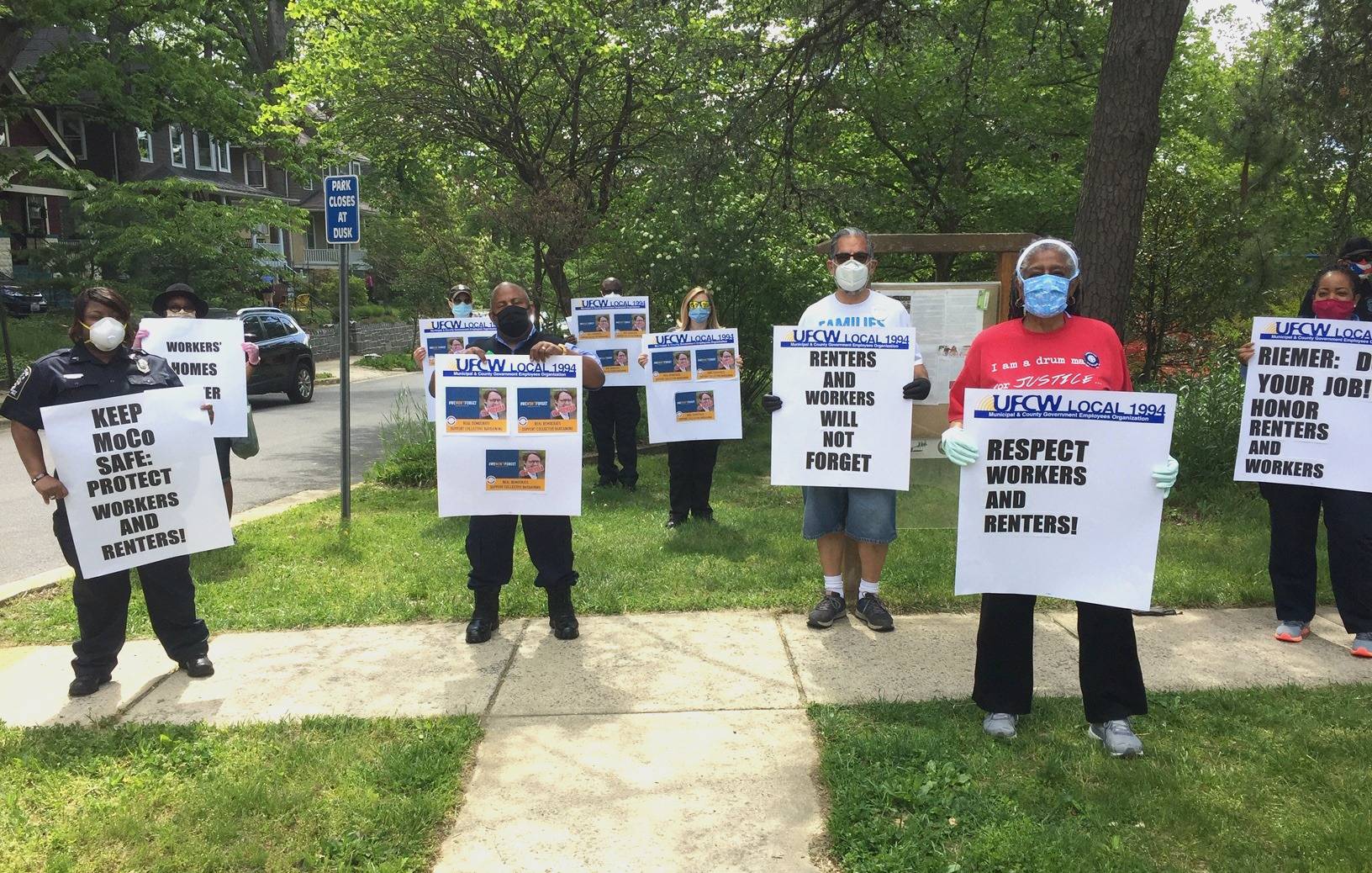
This story was produced by El Tiempo Latino. La puedes leer en español aquí.
Reina Moreno and her 9-year-old son Luis had been homeless before. The memory of those days – when D.C.’s pavement acted as a mattress for her small family – still hurts for Moreno. The day she had a roof over her head again and was able to tell her child “don’t worry, we’re going to be fine,” she promised herself that she would never go through that traumatic experience again.
And then the pandemic hit.
The small room she’d rented was the anchor of Moreno’s oath – but she feared that oath was about to be broken. “The fear of being back on the street with my son was keeping me awake at night. With no money for rent I didn’t know where to go,” Moreno says.
Then she heard about the STAY DC program. Four months of advanced rent saved her from becoming homeless.
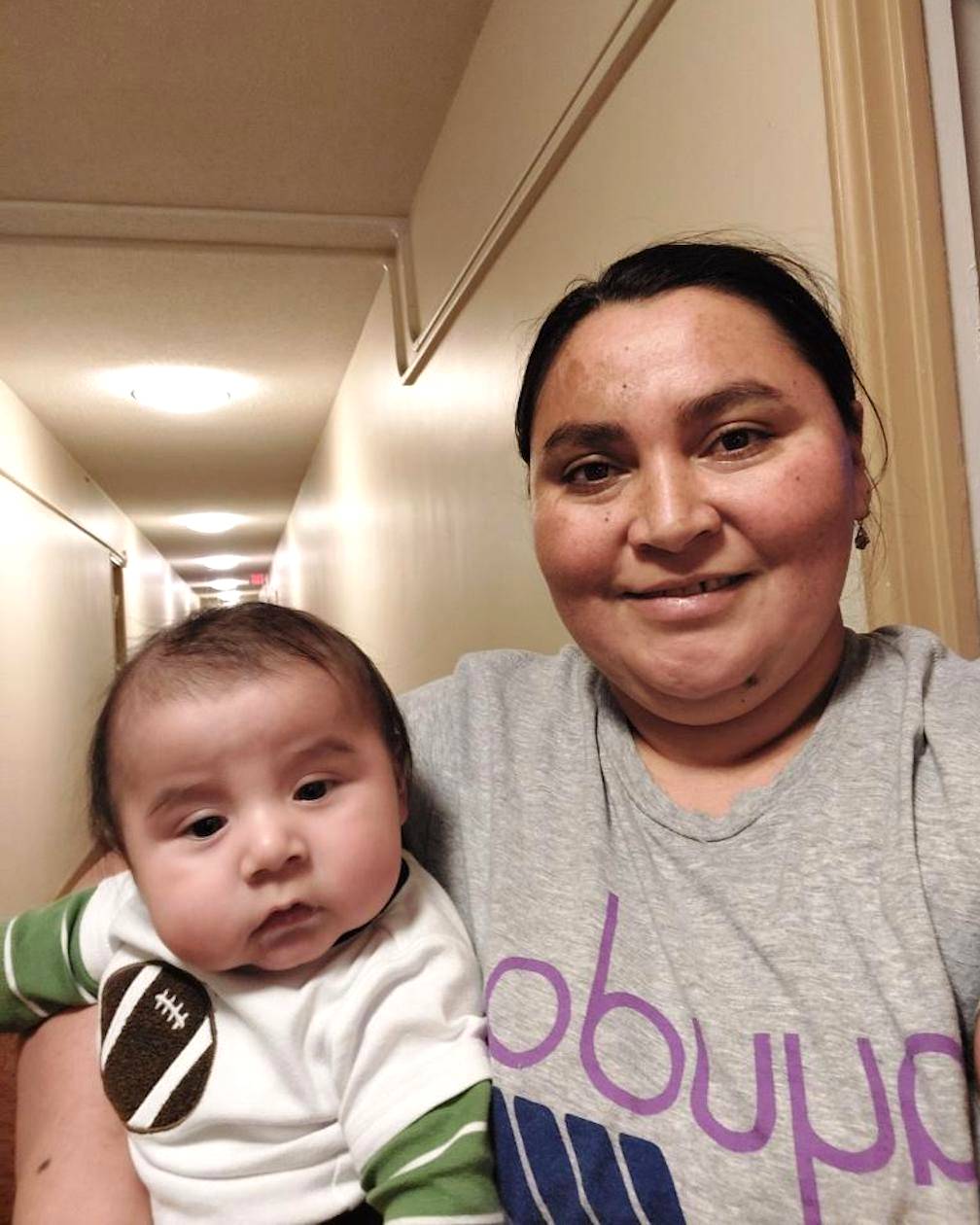
But STAY DC funds were depleted last year. The District stopped accepting applications in October. Moreno, a victim of domestic violence, recently obtained housing through the D.C. government. “It’s a relief, but I know families who are desperate. A friend and her children were evicted and are living with other family members and 12 other people in a small apartment. It’s a nightmare,” Moreno says.
Eduardo Perdomo, executive director of the Mayor’s Office of Latino Affairs (MOLA), confirmed that STAY DC funds were exhausted. There is the likelihood of approving a new tenant assistance package, Perdomo says, “However, if anyone is at risk of being evicted, let them come and see us. A solution will be found here.”
In January, DCist/WAMU reported that D.C. will receive an additional $17.7 million, reallocated from other states that had not spent them by the federal government’s deadline.
Moreno knocked on the doors of the Latino Economic Development Center (LEDC). Walda Yon, Director of Housing Programs for this organization, noted that although no more STAY DC applications are being accepted, the District’s Emergency Rental Assistance Program (ERAP) is still open.
“There are still people who haven’t gone back to work, have fewer work hours or have accumulated debt during this pandemic and can’t pay rent. Those people still need help,” said Yon, who believes that with the latest wave of coronavirus and so many individuals living under the same roof, they are getting sick and having a hard time bringing income home.
ERAP used to be only for people with legal status, but Yon said that now everyone can apply. The goal, Yon says, is that no one, whether they have documents or not, will end up on the street because their rent is overdue.
The biggest difficulty is the lack of information about these services. That lack of knowledge nearly forced Moreno to the street, so when she found out about STAY DC she started spreading the word and sending Latino families to LEDC.
“Do you know which situation is the most terrible? To see yourself in the street with your children! Now that I have another four-month-old baby, I don’t want to imagine myself on the street,” Moreno says. That feeling of empathy made her a dedicated volunteer to distribute information about the benefits for immigrants. “I came from Honduras thinking it was going to be different here, but it turned out to be worse. For now I don’t think I’ll be thrown out to the street, but it hurts me to see someone without a roof over their head. It’s just that the pandemic came along and ruined everything for us.”

In Montgomery County
In Montgomery County, federal rental relief funds implemented because of the pandemic have also been exhausted.
A second phase is coming, but there is no date yet. According to Montgomery County’s website, applications for assistance will reopen in “early 2022.” Since the beginning of the pandemic, some $63.7 million has been distributed for rent payments to some 9,000 families, 31% of which have gone to Latinos living in this jurisdiction.
The program that is always open for rent relief is the Department of Health and Human Services. This is a municipal fund that covers rent with up to six months of $1,000 to those who already have a court date prior to eviction. “This plan, like the federal plan, benefits undocumented immigrants,” said Julian Talero, LEDC’s education and tenants’ rights coordinator.
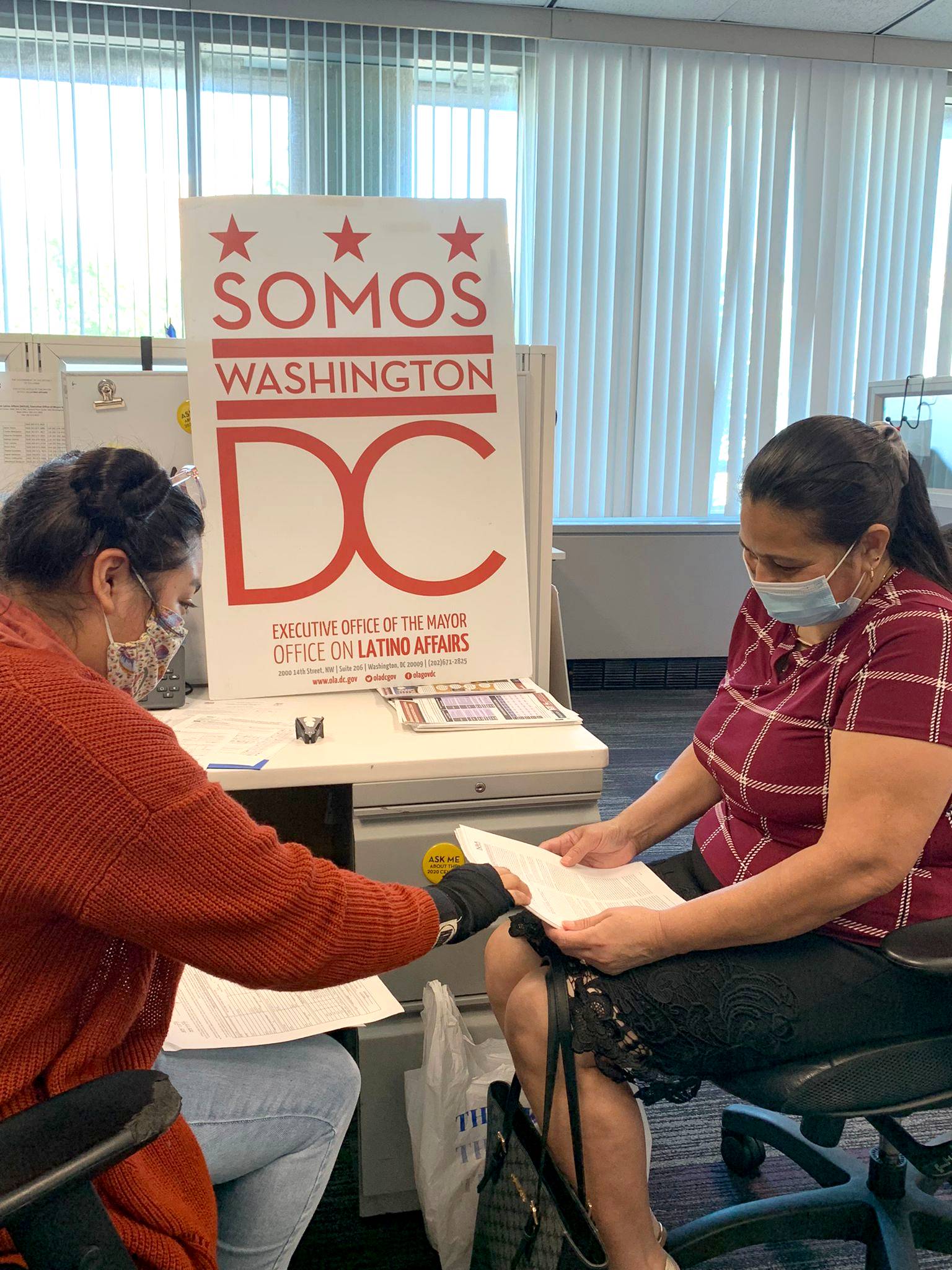
Although many have reached a more stable financial status, Talero said that economic hardship and need remain great for countless immigrant families. Courts in Montgomery County are set to begin issuing eviction orders next week.
Talero says that unfortunately, not all evictions can be avoided. “Many are evicted for reasons other than non-payment, and in those cases there is nothing we can do. Others don’t find out about the judicial process or that there is an assistance program and when we find out it’s too late.”
The county provides weekly eviction listings and LEDC staff visits those properties to inform tenants of the existence of a rental contribution program.
Frank Demarais, deputy director of Affordable Housing for Montgomery County’s Department of Housing and Community Affairs (DHCA), reported during a virtual forum that applications received by Jan. 31 are being processed. Some 2,000 applications are still pending. It’s recommended that applicants keep in contact with the person who helped them with this process and inform the homeowner of the progress of their application.
In turn, Rosie McCray, who manages DHCA’s Office of Landlord-Tenant Affairs, urged people to go to court if they receive a summons and concluded: “do not be afraid to seek help from the local fund still available to prevent evictions.”
How to seek help
District of Columbia: In Washington D.C. call the LEDC at (202) 540 -7401, where they will guide, advise and fill out ERAP applications for food stamps and utility payment discounts. For the time being, the offices are closed, but virtual and telephone support continues.
Montgomery County: LEDC offers assistance in Montgomery. Call or text in English or Spanish at (202) 688-5786. Visit: montgomerycountymd.gov/DHCA. Calling 311 will get you information on rental and mortgage relief services.