Colleen Grablick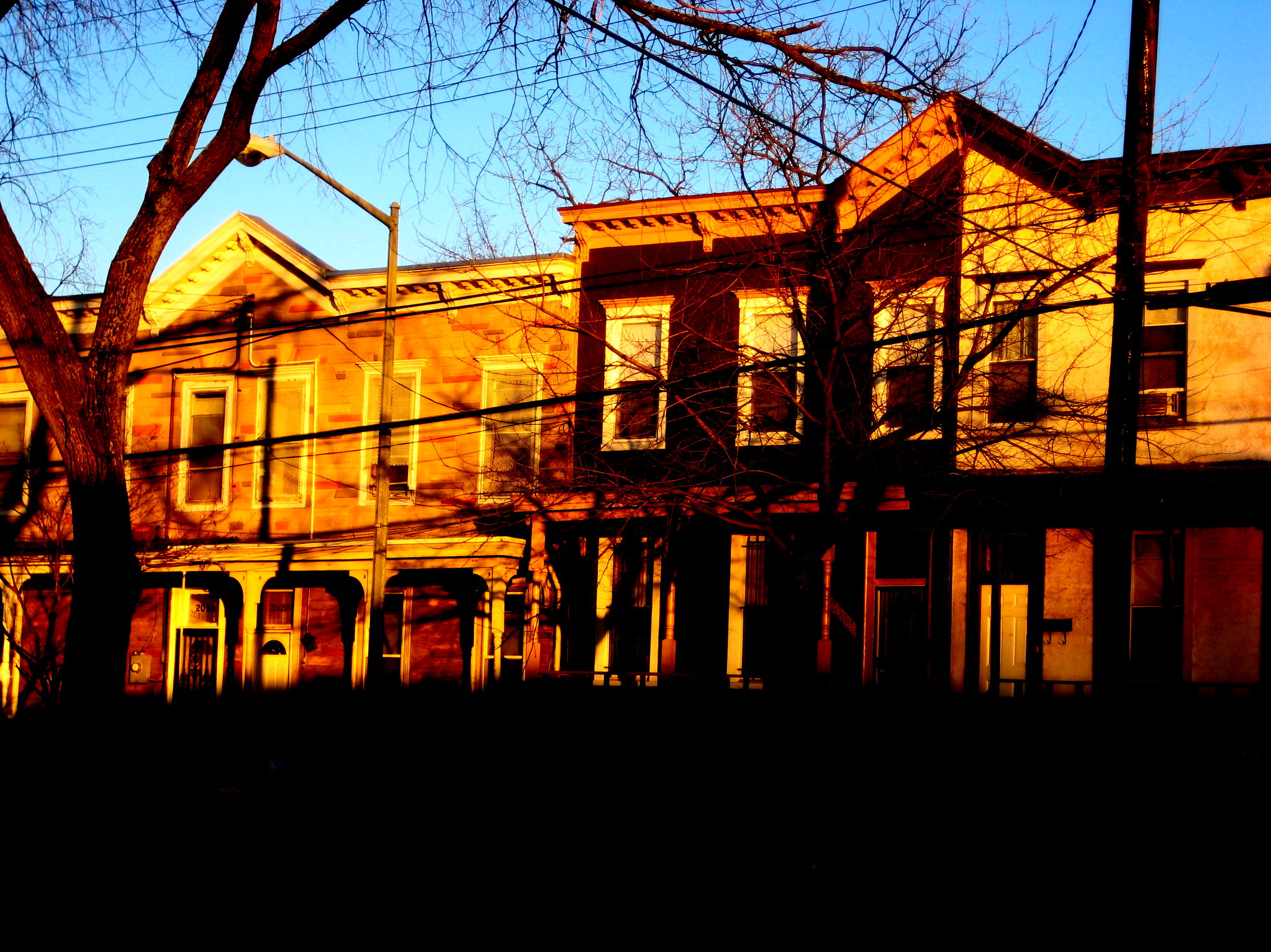
The forthcoming 11th Street Bridge Park — a multi-million dollar project to build D.C.’s first elevated public park, helmed by the District government and a local nonprofit — announced a pilot program Tuesday designed to help residents East of the River become first-time homebuyers.
Using a $50,000 donation from GEICO, the Closing Cost Assistance Program will cover up to $2,500 of closing cost fees for Ward 8 residents at 100% median family income or lower. (In D.C., 100% of the median family income for a four-person household is $129,000.) Closing costs are fees paid to a lender, and can be anywhere between 2% and 5% of what a buyer is borrowing. While $2,500 may not be a huge help on its own, other D.C.-based programs designed to boost first-time homeownership, like the Home Purchase Assistance Program (HPAP) can also provide up to $4,000 in closing cost aid.
The 11th Street Bridge Park, a project borne of a partnership between the city and the Ward 8 nonprofit Building Bridges Across The River, will reconnect Anacostia with neighborhoods on the other side of the Anacostia River via an elevated park at the old 11th Street Bridge piers — an architectural structure similar to New York City’s High Line.
Expected to be complete by 2025, it will include an amphitheater, public plaza, and education center, among other amenities. While it started with an original budget of $40 million, the Bridge Park is now worth $139 million thanks to big-name donations from corporate giants like Exelon (the company that owns Pepco), JP Morgan Chase, and Capitol One. (Most recently, former New York City Mayor and billionaire Michael Bloomberg pledged a gift, securing his name on the park’s forthcoming “Bloomberg Trail.”)
The new closing cost pilot program comes as a part of the Bridge Park’s equitable development plan — an effort to ensure that the massive development project does not bolster the already economically-booming neighborhoods near the park, while pushing out longtime residents in Anacostia. Neighbors and community members raised such concerns after the park’s initial conception. In New York, the High Line elevated park development spurred a high-end real estate boon in Chelsea; a 2016 anaylsis found that condos along the park’s southern end were twice as expensive as those just one block away.
After planning for the Bridge Park project began in 2014, the partnership created a Ward 8 Home Buyer’s Club in collaboration with Manna, Inc., a local affordable housing nonprofit. The program provides residents with financial literacy skills, like credit score and savings counseling, and education on city-backed financing options for home owning. The club holds free and open meetings every third Saturday from 10 a.m. to 12 p.m. According to Bridge Park, 1,000 Ward 8 residents have participated in the program since its formation in 2015, with 102 going on to purchase homes. The new Closing Cost Assistance Program will be available for participants in the Buyers Club as they reach the final stages of purchasing.
“In recent years, closing costs have become a larger barrier to homeownership for mortgage-ready buyers without generational wealth,” says Manna Inc’s President and CEO Sasha-Gaye Angus in a statement released by the Bridge Park. “This is especially true in hot markets like Washington, D.C., where home prices continue to skyrocket.”
The city’s housing market is especially inaccessible for Black residents: according to the Urban Institute, about 70% of white households in D.C. own their homes, compared to 50% of Black households. Beyond home price, racist housing policies and remnants of segregation continue to exclude Black residents from the city’s housing market, and many banks continue to deny loans to qualified resident of color.