 Jamylah Summers
This article is part of a collection of work produced by young journalists. DCist/WAMU partnered with The Creative School, a nonprofit focused on empowering youth-led storytelling in Southeast D.C., to teach a foundations of journalism workshop during spring break. You can see all of the stories here.
Hello my name is Jamylah I am a young journalist and I have come to talk about the topic bullying and manipulation. I wanted to talk about why it is important. When kids bully others, they are often showing a sign that they didn’t have the best support. They hurt, scare, or manipulate others who they think can’t, or won’t, fight back.
In D.C. public schools, despite an anti-bullying policy, 32% of middle school students reported having been bullied on school property and 12% admitted to bullying others, according to the school system’s most recent Youth Risk Behavior Survey. Why does this happen?
For answers, I spoke to Bullying Is Not Dope, an organization whose mission states “We are educating families about the importance of bullying solutions while bridging the gap between mental health awareness in the urban communities.” Ammar Brown, who goes by Tynk, was in second grade when he co-founded the organization four years ago.
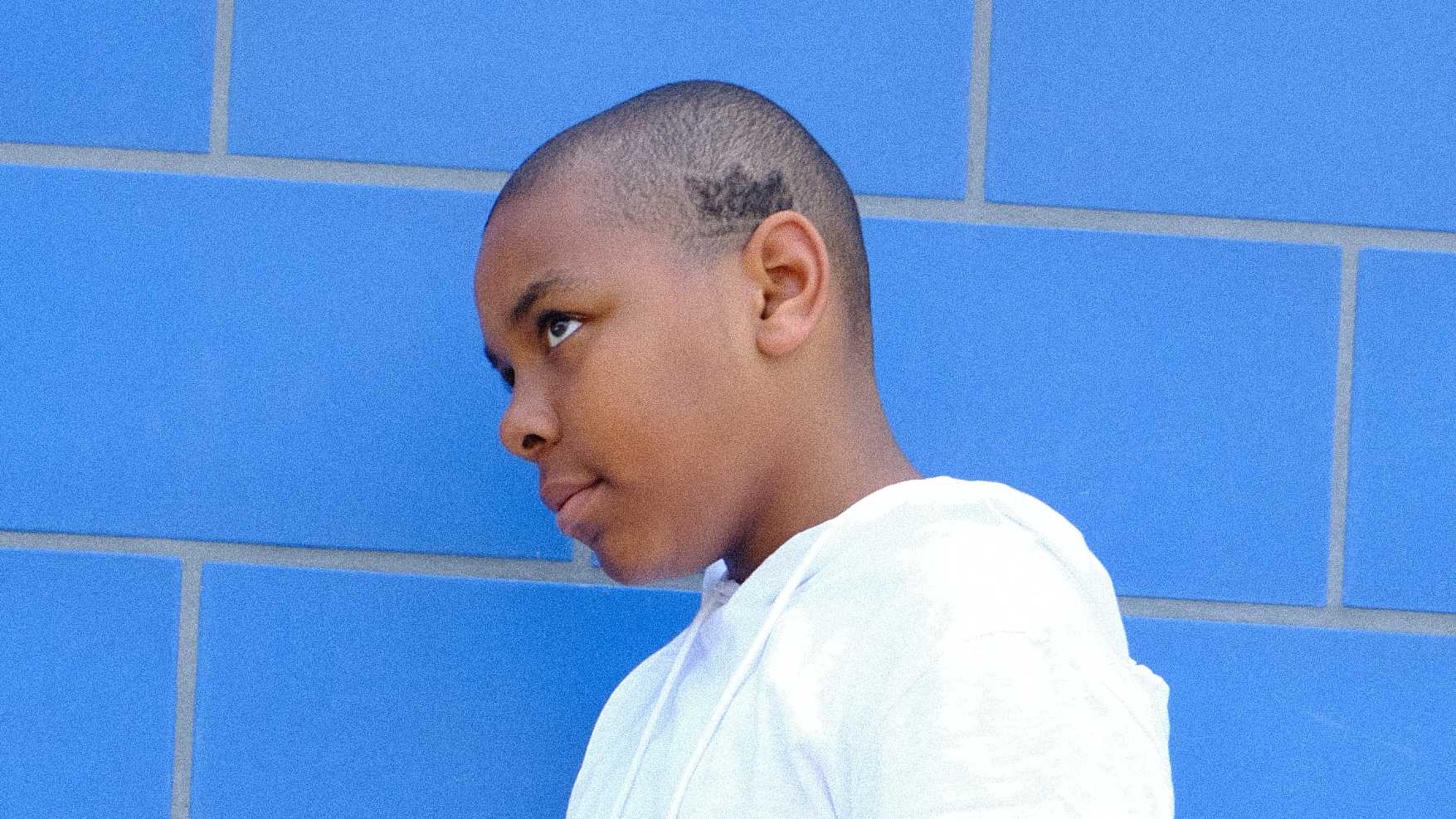
My name is Ammar Brown, I’m 11 years old and a partner of the Bullying is Not Dope organization.
Well, [bullying] is not good because I used to be bullied in elementary school. I used to get picked on and, you know, get in fights every day. Thank God that I’m not in that situation anymore and I’m back to being normal again, like how I was.
DCist/WAMU: Do you think you can find a way can prevent bullying?
Tynk: I can probably go to other schools and talk to teachers or the principal to see if they can help.
I got a lot of support from my dad and mom because most people didn’t really help me in Anne Beers [elementary school]. I really didn’t get that much to learn about. But luckily my parents got me out.
How does bullying and manipulation affect you?
I’ll get really angry, and I cannot get out of angriness. I’ll be angry for some hours. I don’t like seeing people being bullied. I love my family. So, I give them protection.
I don’t know why [bullying] exist. Bullying is not cool if we’re not cool.
I don’t like bullying and being bullied. I got bullied at Anne Beers Elementary when these kids start picking on me and stuff. I got a lot of bruises. So, I talked to my mom and this lady at Anne Beers helped me out. We started our campaign and, you know, I got a poster board and everything so we can go to different schools and stop it.
Bullying Is Not Dope is an organization where we help people [by] going to different schools and have these cool events where other kids join and we feed the homeless
How do you stay motivated doing the work you do?
Oh, my parents, my dog, my friends, I could easily just be myself and just be calm. If there’s one thing, I don’t like anyone being picked on and I don’t like anyone being hurt.
What has been a highlight moment doing what you do?
Helping homeless people.It’s one of my favorite things to do on Saturdays. Every month we will go to McDonald’s give them [unhoused people] some hash browns and stuff. We care about people; we make our community safe.
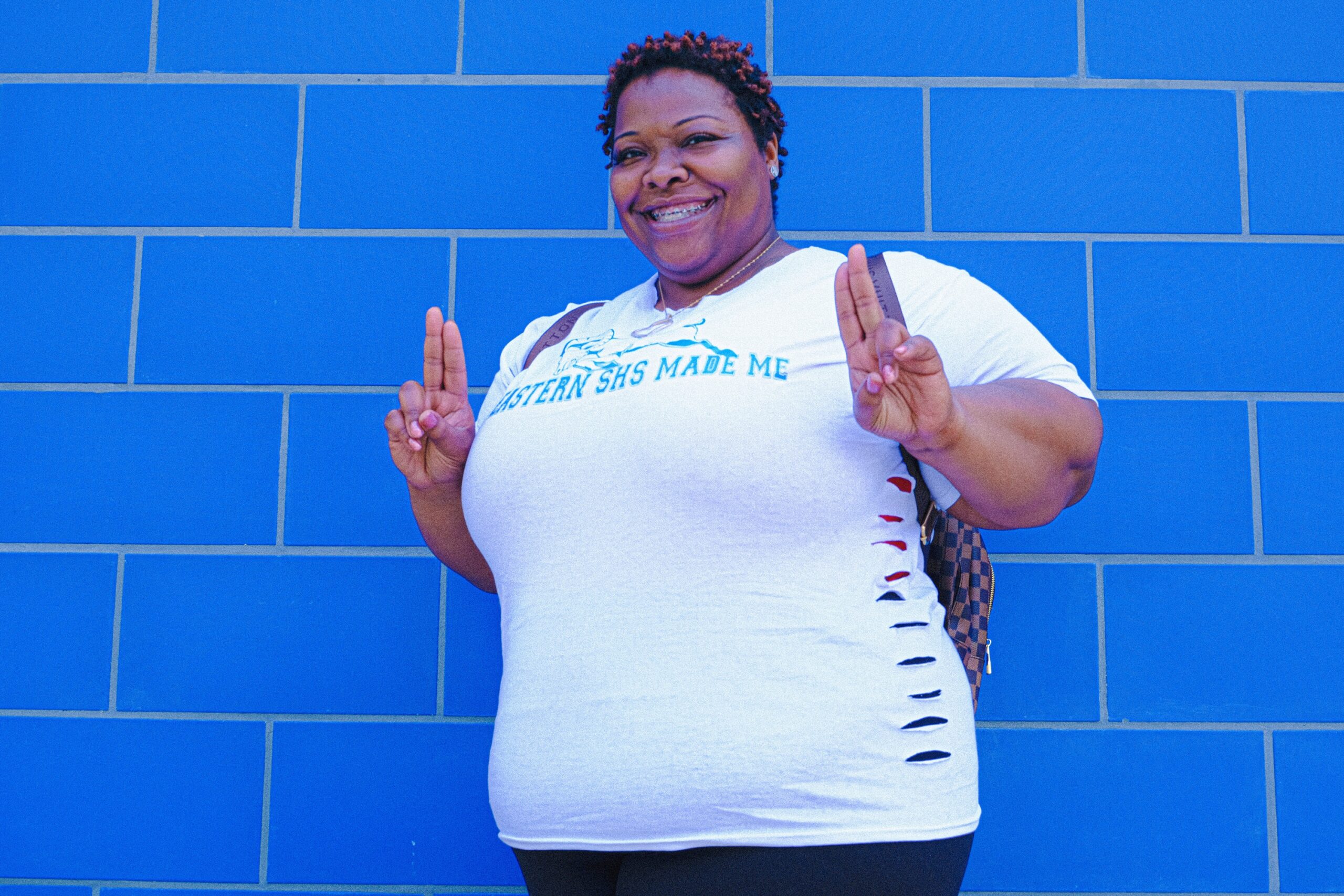
DCist/WAMU: Why did you decide to start your organization?
Brown: I decided to start my organization because my son, Ammar, was a victim of bullying. This was his expression at a young age when he went through his bullying experience. I asked him what he think about bullying. He said bullying is not cool, bullying is not dope. So this is where “Bullying is not Dope” was birthed I was being my son’s advocate against bullying and getting deeply rooted and involved with policies and procedures around the school system, so I became an Advocate and teach other parents on how to do the same things that protect their child.
How do you feel about bullying and manipulation personally?
Bullying and manipulation, personally, has the foundation of betrayal. It’s something that I do not like, it’s something that I do not champion. I believe that every individual should be giving the utmost respect and opportunity to hear what honesty looks like, no matter what this situation.
Do you think you can find a way to prevent bullying and manipulation?
I think bullying and manipulation is behavioral based. When we talk about eliminating or preventing, we do not have the power to control anyone’s mind or anyone’s ability to not carry out these respective acts. But I do believe that we have the power to neutralize bullying and manipulation by starting out with young entrepreneurs like yourself, giving you all the tools and resources where you can be able to access those when you are dealing with respective situations like bullying and manipulation, where friendships and school, etc.
Have you ever witnessed or gone through bullying and manipulation?
I have not gone through bullying. I think everyone has experienced some form of manipulation considering when we deal with people we call our friends and we determine in certain situations that they are not our friends. I think we all, including myself, have experienced some sort of manipulation.
Do you feel there is enough support from adults for children who are being bullied or manipulated?
I do not believe youth have enough support. Tweens, which is 10- to 12-year-olds, don’t have enough support. I do not think teenagers have enough support as it relates to bullying. The world has changed so much since we were you all’s age. I think it’s important for us to identify what the new triggers and challenges are, so we’re able to meet you where you are and provide you all with support based on how the world works now, not based on how the world used to work.
Why do you think bullying and manipulation exist?
Bullying and manipulation exists based on exposure. You can only repeat things that you have been exposed to by a parent or a guardian or a loved one. You can only react or show behaviors that you’ve been exposed to, even if it’s from a friend or a cousin. So I think the seed of bullying and manipulation is birthed in childhood.
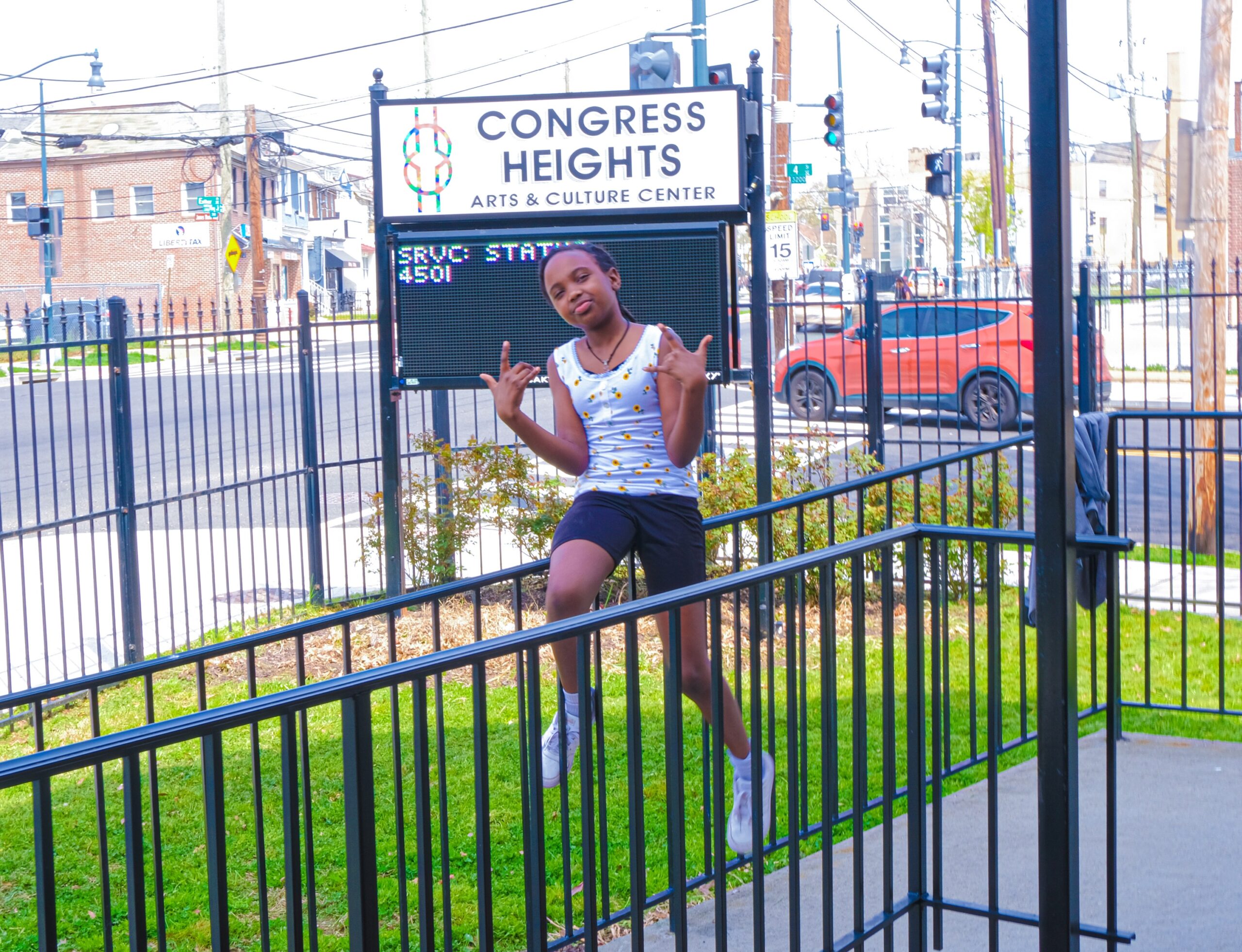
Kayla Shawn, 11, is a DCPS student.
DCist/WAMU:How do you feel about bullying and manipulation?
Shawn: I don’t like it, to be honest. The word manipulation just brings bad energy. It’s just like, eww.
Do you think you could find a way to prevent bullying and manipulation?
I have witnessed it. I haven’t experienced it. But I think I would be able to prevent it.
I feel like I wouldn’t let anybody manipulate me because like, I’m not that type of person. I don’t let anybody bring me down. If I see somebody bullying or manipulating someone I’d say, “Don’t do that, that’s wrong.” If they keep doing it, there’s other trusted people to tell and there’s other ways to prevent it.
Do you feel there is enough support from adults for children being bullied or manipulated?
I do feel I have enough support. I don’t know about others, but I have enough support from my family, my friends, even my teachers.
How do you think bullying could affect you?
I feel like I’m an empath, I’m gonna be honest. I know when people bully somebody, the person getting bullied [gets] emotional or upset about it, [so]I will get upset also.
Why do you think bullying and manipulation exist?
I feel like people are just jealous.
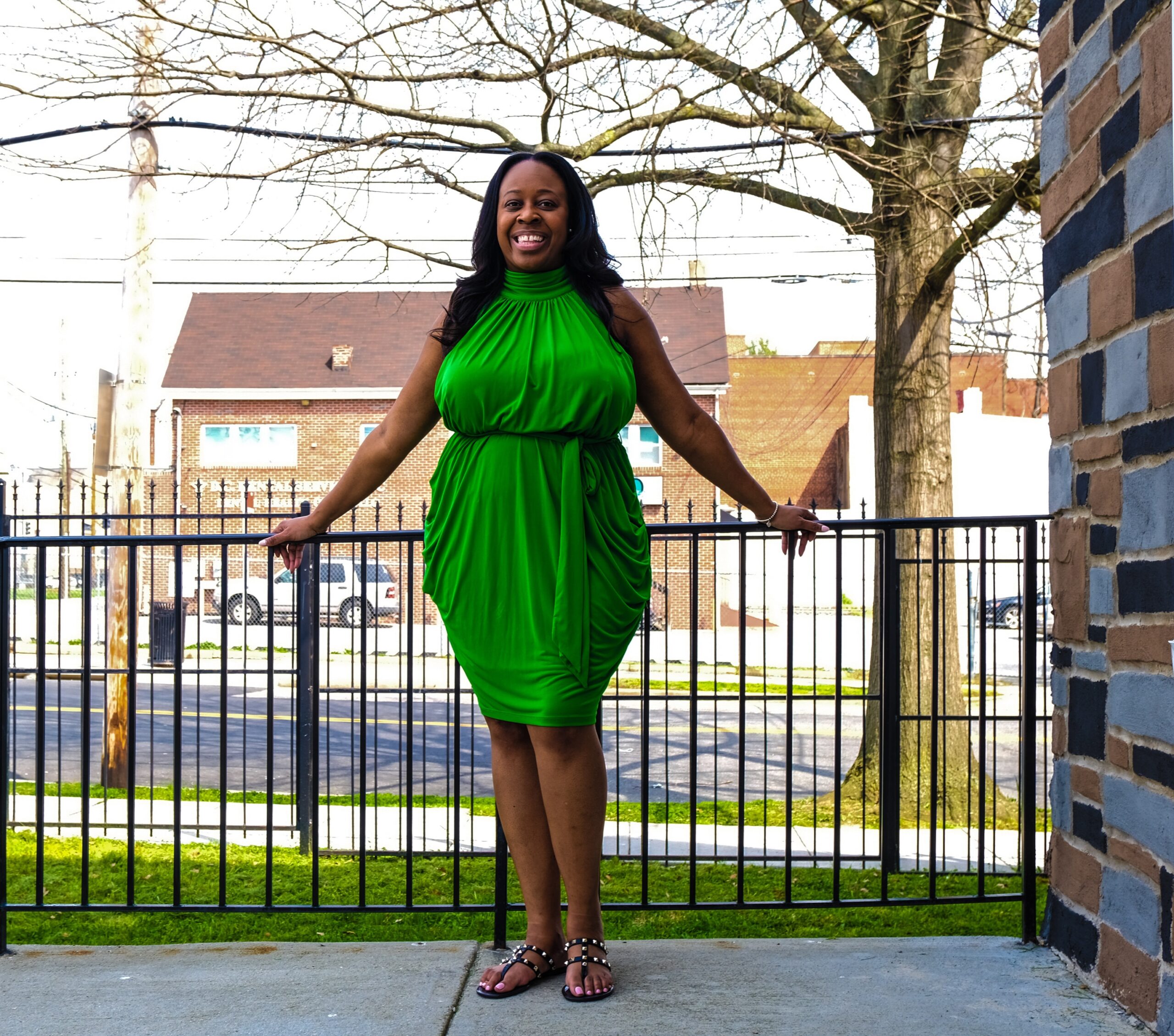
Diane Cooley teaches computer science at a local elementary school. She can’t stand bullies.
DCist/WAMU: Do you think you can find a way to prevent bullying and manipulation?
Cooley: I would say yes, somewhat. You can’t control anything, [but] you can control yourself. As an educator with bullying, a lot of times there’s something behind that, where people aren’t naturally just unkind to people. A lot of times it’s something that’s within them, that they’re acting out. I would first see what’s really going on with that person that’s being a bully, to dig deeper to see why they’re bullying and how are they feeling about themselves. A lot of times when people are bullying people, they don’t feel so good about themselves, so they lash out at other people. In childhood, and even in adult life, there are bullies. It’s something that they have within themselves, where a lot of times they feel like they’re less than the person that they’re bullying.
Do you think there is enough support to keep going for one who’s being bullied?
I would say that’s kind of hard because even as a parent, where you’re trying to support a lot of times, that kind of [support] brings more trouble. For example, if a kid is getting bullied at school as soon as the parents come up, the bully [can come up to] that kid when they’re by themselves and say, “you done called your mom,” and it can get even worse.
How do you think bullying could affect you? Say you have a lot of family members and someone goes to a different school or they go to your school and then they get bullied? How does that affect you?
I’m a protector. Anybody that I love — my friends, my family — I feel like if they’re getting bullied it makes me upset. And even if they’re not a friend or family member, just knowing that somebody is being treated unfairly I have to help in some kind of way and stand up for that person.
Why did you decide to become an educator?
I decided to become an educator because it was needed. I’ve always taught in urban environments, where my people were. I feel like my purpose is to come back to my community so we can see good people in our building who actually care about us. I feel like that’s my purpose and that’s where I’m needed. I feel most at home being an educator in my community.