 Jordan Pascale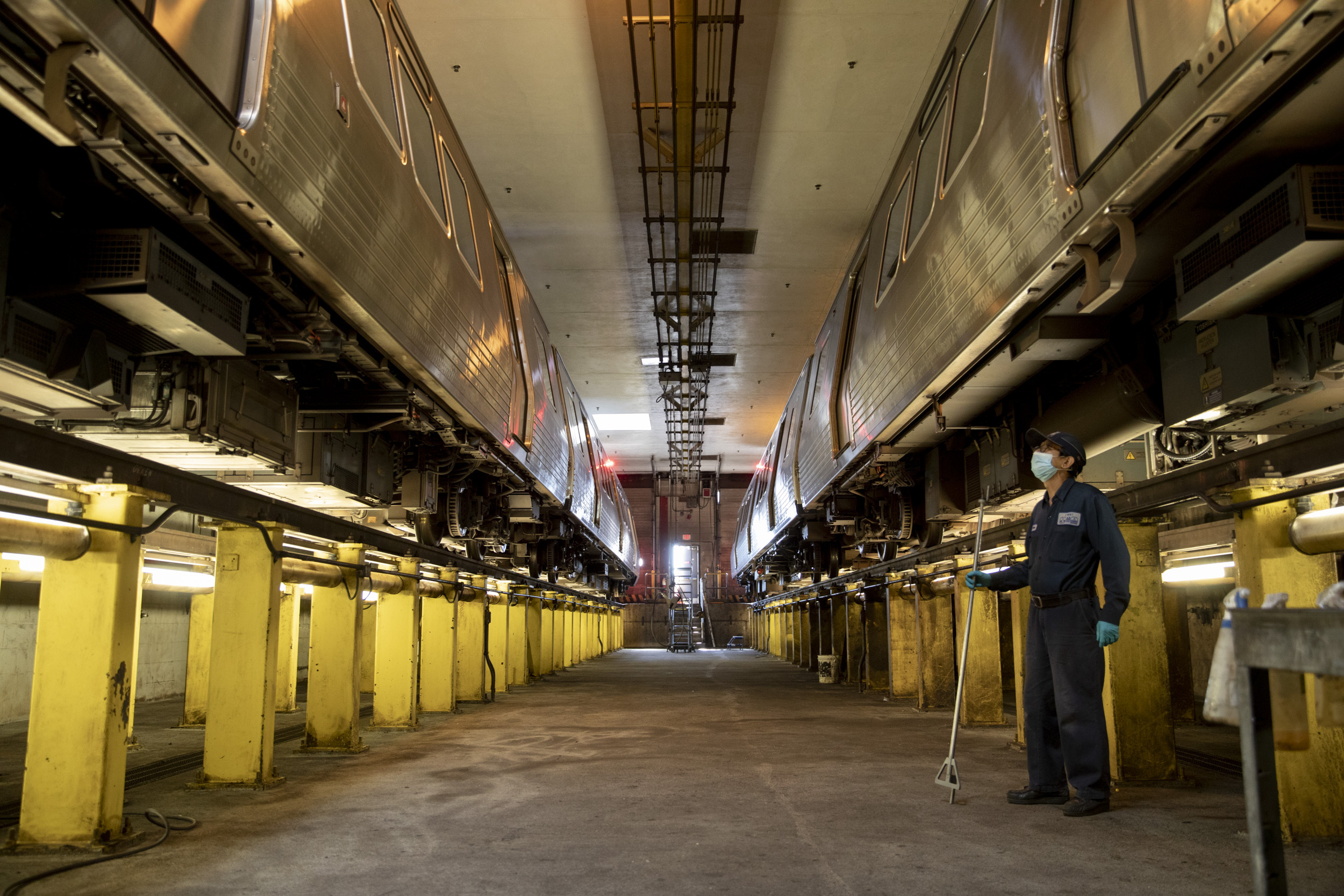
A week after the Metrorail Safety Commission officially approved Metro’s plan to bring back the 7000-series trains, WMATA has released the 128-page detailed plan.
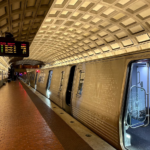
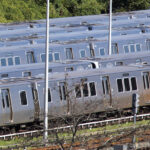
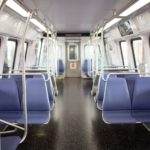
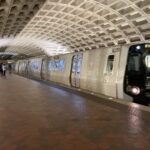
Eight trains will return sometime in June. Interim General Manager Andy Off has said they will first be seen on the Yellow and Green lines, but the 7000-series trains will eventually run again on all lines.
Metro will first re-introduce the cars delivered most recently (numbers 7500-7747). Stephen Repetski of Greater Greater Washington reported last year that Metro had asked car manufacturer Kawasaki to apply a different level of wheel pressure to those later cars.
Last October, car number 7200 derailed outside of Arlington Cemetery. The wheels had moved too far apart and the train left the tracks as it moved through a switching area. No one was injured in the incident. The 7000-series trains, which make up 60% of the fleet, have been sidelined ever since, leading to service crunches.
Metro was allowed to bring some trains back in December but then was barred again after the Metrorail Safety Commission found that they ran trains that were out of compliance.
Metro’s new plan includes several fail safes to keep unapproved trains from going into service, including painting the wheels red and having large decals on the windshield.
https://twitter.com/JWPascale/status/1530287210087555077
Metro’s plan calls for daily checks of the trains’ wheels with a new digital measuring tool. They had previously used analog measuring rods that were less precise. The goal is to make sure the wheels haven’t moved too far apart — even a fraction of an inch is a big deal and can lead to derailment. Metro says it will keep the Metrorail Safety Commission abreast of the daily measurements and analysis of the data.
Checking an entire train can take up to three hours, so Metro has the capacity to check only eight full trains a day. Metro’s maintenance staff is getting four hours of classroom training on the new system and another hour on the procedures to catalog and move only the trains that are approved.
Off says train frequencies (Red Line every 10 minutes, Green/Yellow lines every 15 minutes, and Blue/Orange/Silver lines every 20 minutes) won’t get better until this fall.
“But it will allow us to much better support the Fourth of July holiday, baseball games, Pride, and those sorts of major events where it’s critical to have trains that we insert to better serve customers during those high-density events,” Off said.
The rest of the 684 trains won’t be eligible to return until WMATA installs and gets approval to use a new trackside monitoring system.
Once that system, which automatically measures wheels as they pass through the sensors, is in use, Metro would go back to a manual check of the wheels every seven days. The first of three sensors have been installed near College Park on the Green and Yellow lines. Metro still needs approval from the Safety Commission to use the new technology.
“Just like when you get a new piece of technology in your home, it takes you some time to understand how to use it,” Off said. “This technology is not new to the railroad industry, but it is relatively new to transit and certainly new to us.”
“Because of the critical function that it serves, we absolutely have to take the time to make sure, not only that it’s installed properly, but also that we’re able to get the data, interpret the data… so there’s a lot of process behind the scenes,” Off added.
Metro initially refused to publish the plan publicly, saying it would have to be requested via a Public Access to Records Policy request, which can take weeks or months to process. Metro later said it would post the plan, which it did on Friday.