Elliot C. Williams
There’s some red panda activity in Virginia, and it’s not a missing one this time.
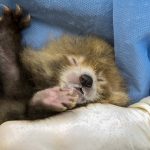
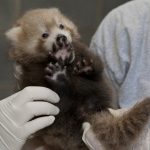
There are three new red pandas at the Smithsonian Conservation Biology Institute (SCBI) in Front Royal. Scarlet, Xena, and Taizong, who arrived in the past few months from from zoos in Michigan and Indiana, are settling in at the 3,200-acre research facility to breed and allow conservationists to study their health.
The birth of red panda cubs would be big news for the National Zoo; a red panda hasn’t been born at the Conservation Biology Institute since 2019. But even if breeding is successful, it doesn’t necessarily mean the cubs will stay at the institute or reside at the National Zoo. Red pandas are placed in different locations based on whether they are selected to breed, or other factors, dictated by the Species Survival Plan, a program managed by the Association of Zoos and Aquariums. The National Zoo currently houses two red pandas, Asa and Chris-Anne.
The only living member of the Ailuridae family, red pandas are considered by scientists to be living fossils. Their closest ancestor roamed the earth 5 million years ago. They’re also incredibly photogenic and playful, as displayed in photos of the trio released by the zoo last week.

The pandas, including 2-year-old Scarlet, have been trained to hop on the scale so the keepers can track their weight. The keepers also make sure the pandas get used to human touch — and frequent treats — early so they can apply meds for fleas and ticks, move them between habitats, and use ultrasounds to monitor pregnancies.
The pandas have different personalities, the keepers say. Scarlet, a shy red panda originally from the Detroit Zoo who arrived in December, is paired with the more outgoing Taizong, a 1-year-old male who came from the Binder Park Zoo in Battle Creek, Michigan and just arrived in April. And while Xena is struggling to learn how to use the feeders, she’s figured out basically everything else in the enclosure. Rocket, a friendly 3-year-old male who already lives at the institute and is recommended to breed with Xena, becomes more hesitant around her. Xena comes from the Mesker Park Zoo in Indiana and arrived in April.
“She is fearless — a lot like ‘Xena: Warrior Princess,'” zookeeper Ish Ganame said in a news release. “She does what she wants.”


In addition to red panda arrivals, history has been made elsewhere at the Smithsonian research facility this breeding season.
In May, for the first time, a new egg hatched at the conservation center’s whooping crane facility, which opened with 12 cranes in 2018. The SCBI’s goal is to increase the species’ genetic diversity and reintroduce new chicks to the wild. (There are only about about 840 whooping cranes worldwide.)
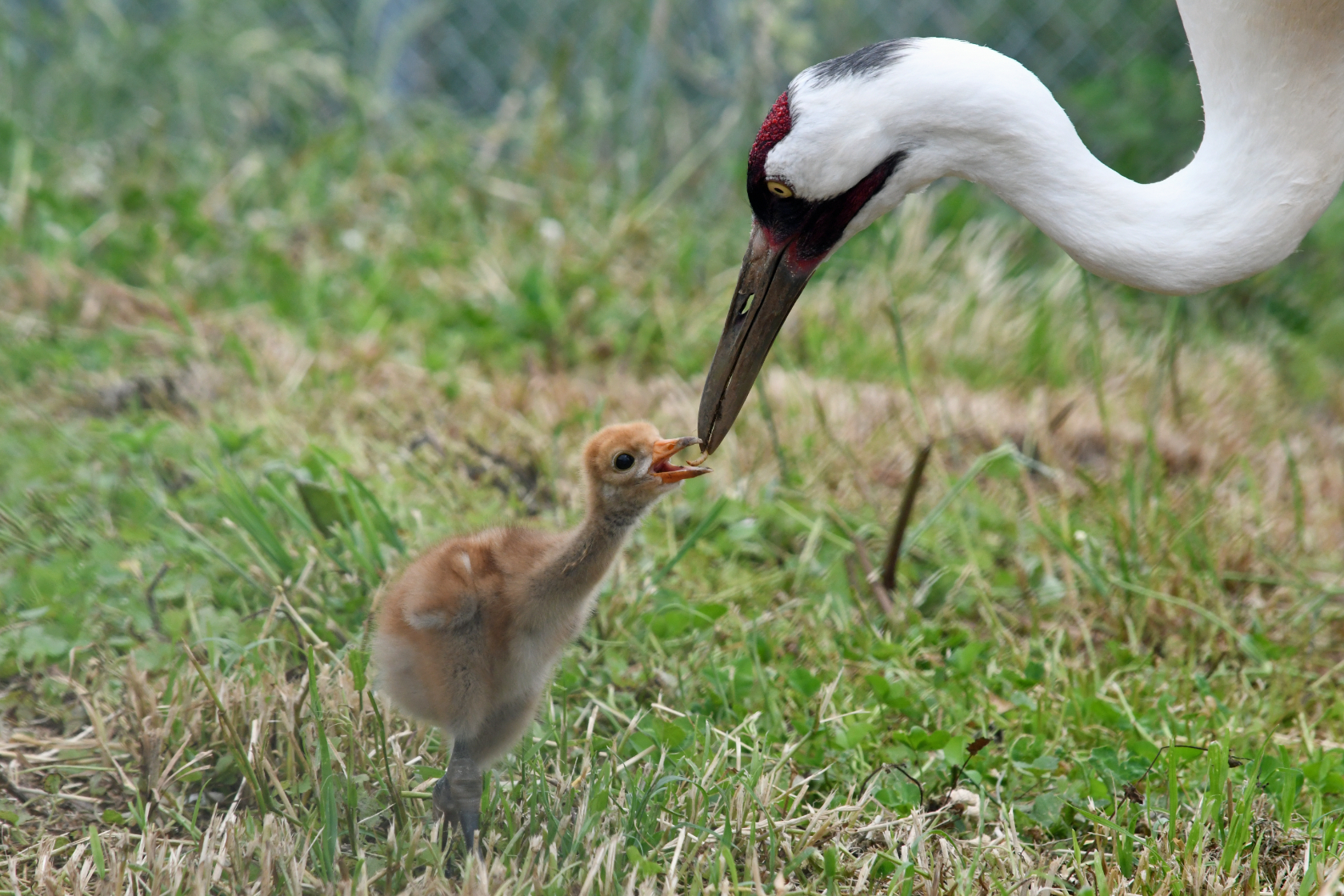
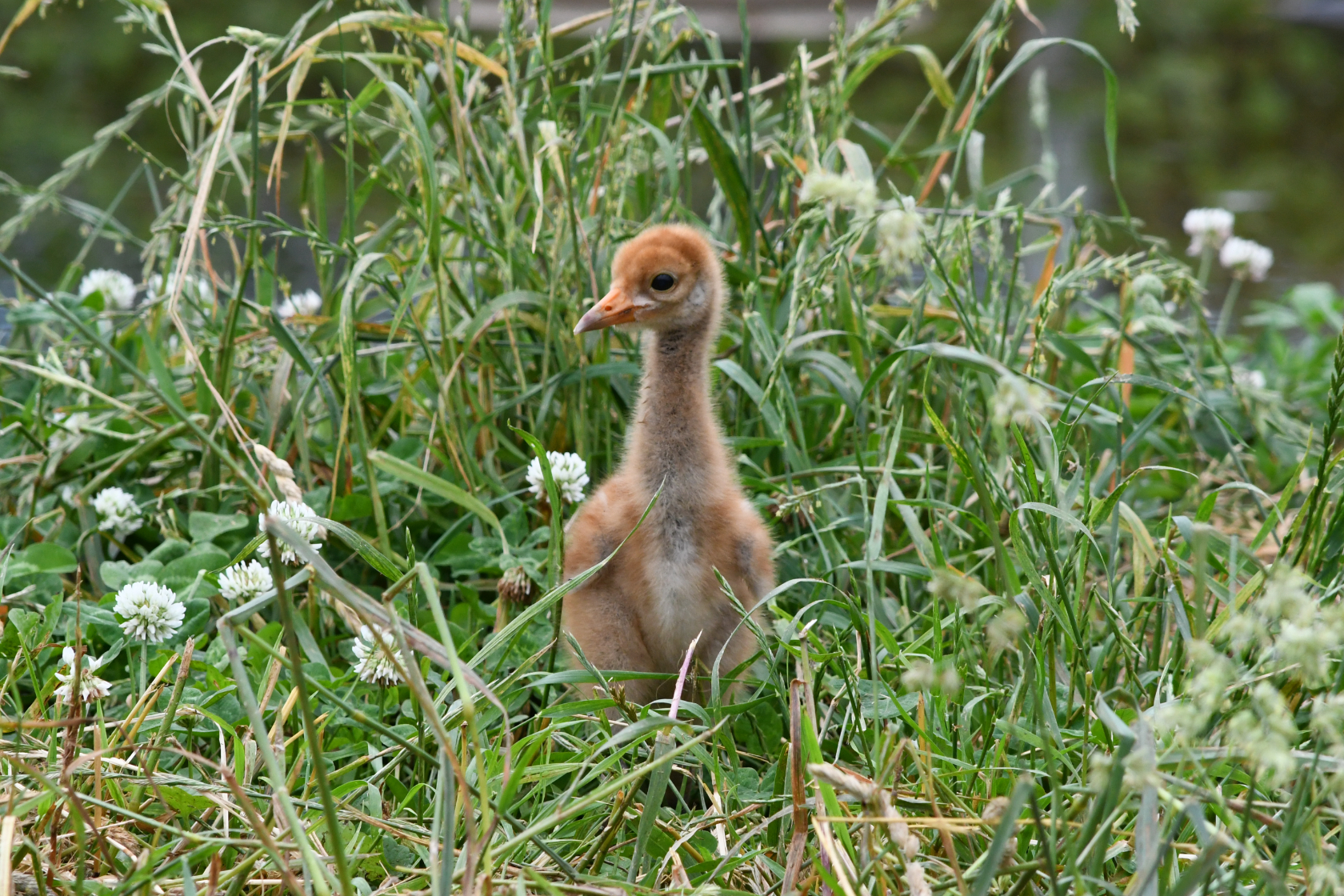
A wildlife foundation found the abandoned egg in a wild nest in Wisconsin and transferred it to the Smithsonian facility on May 18. Whooping cranes Tehya and Goliath were selected as surrogates, having just laid two infertile eggs of their own. The keepers gave them a fake egg to incubate before switching out the fake for the wild egg. The colt hatched and Tehya and Goliath immediately bonded with it.
“Staff continue to closely monitor the colt and report that it appears healthy, alert and curious about its surroundings,” reads a press release. “The colt will receive its first veterinary exam at 5 weeks old, and staff will take a DNA sample to confirm its sex.”