Amanda Michelle Gomez
D.C. will have its first homeless shelter serving LGBTQ+ adults in August when a 40-bed emergency shelter intended for queer people 25 years and older opens at 400 50th St. SE.
The city decided to dedicate a space for the LGBTQ community so people could receive tailored services, officials with Mayor Muriel Bowser’s administration said at a ribbon cutting ceremony on Thursday. The goal is to offer a more comfortable place of respite to queer people, who are more likely to have a history of trauma or are more vulnerable to violence in existing homeless shelters.
“People experience homelessness differently, for different reasons and in different ways. People avoid homeless shelters also for a multitude of reasons,” Bowser said at the ceremony outside the facility. “We know and we have seen it in the creation of our small dignified family shelters, that when we get shelter right, people will come into shelter.”
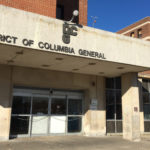
The mayor’s team has taken steps to improve the city’s shelters, including replacing D.C. General with smaller family shelters in each ward and, more recently, renovating the 801 East Men’s Shelter. While the city has multiple emergency or transitional housing options for homeless youth who are LGBTQ, there are currently no options for people 25 and older despite a significant need.

Approximately 7% of adults experiencing homelessness in the city’s shelter system are LGBTQ, while 18% of adults experiencing homelessness and who are unsheltered are LGBTQ, based on Point-In-Time count data presented by Department of Human Services Director Laura Green Zeilinger. She also said 20% of the entire LGBTQ population in the shelter system report a history of domestic violence.
The staff at the new shelter will provide trauma-informed care and connect people to addiction treatment, employment opportunities, and other resources, Zeilinger added. In keeping with the mayor’s promise to eliminate homelessness, they will also try to link people to permanent housing.
The shelter represents a milestone for LGBTQ+ advocates who had long called on city officials to provide this resource. Last year, the Bowser administration announced their goal to “create dedicated shelter programming for LGBTQ adults to ensure people have choice and feel safe accessing emergency shelter,” as part of the Homeward DC 2.0 plan to address homelessness.
“A significant date that brought us to this day is June 13, 2019. That was the day that Zoe Spears, a 23-year-old trans woman who was experiencing homelessness was shot and killed,” said Zeilinger, who said she learned of this from community advocates. “This happened a short time after Ashanti Carmon, another trans woman, was killed in March of 2019. The District was faced with the reality of the trauma that this community encounters, a trauma that is only compounded by homelessness.”
“We must remember the lives lost while we think of the essential services that we will offer,” Zeilinger continued, “so that kind of violence and vulnerability can be something of our past.”
The Bowser administration leveraged a federal grant from the American Rescue Plan Act to convert the former shelter for families experiencing homeless in Marshall Heights into this facility serving LGBTQ+ adults. Officials opted to use the space differently because the number of families experiencing homelessness has decreased, per latest surveying.
One longtime transgender rights activist in attendance, Earline Budd, flagged the need for further community engagement, given she only heard of the shelter’s opening the night before. While she said she’s pleased about the opening, she’s also concerned about security and that there are too few beds.
“Please make sure it’s fair and equitable, because every time we open something like this, transgenders end up being the least housed in these programs,” said Budd.
Kimberley Bush, the executive director of The DC Center for the LGBT Community, meanwhile, called the opening “monumental.” “It’s 40 more beds than what we had the day before and that’s how I look at it,” Bush told DCist/WAMU.
Kate Coventry of the DC Fiscal Policy Institute, who is also a member of the city’s Interagency Council on Homelessness, said the new shelter will prove as a test case for how much need there is for a facility like this. It’s hard to know how many people will choose to stay at the shelter, she said, but if it’s turning people away because it’s at capacity, that will be telling. “It’s always easier to expand once you show there is demand,” Coventry told DCist/WAMU.