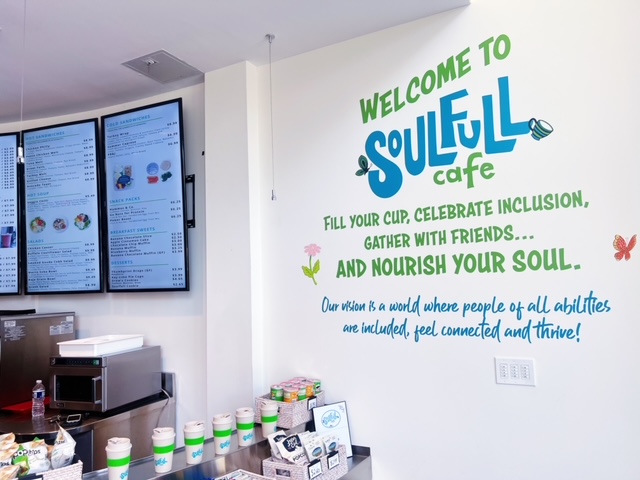
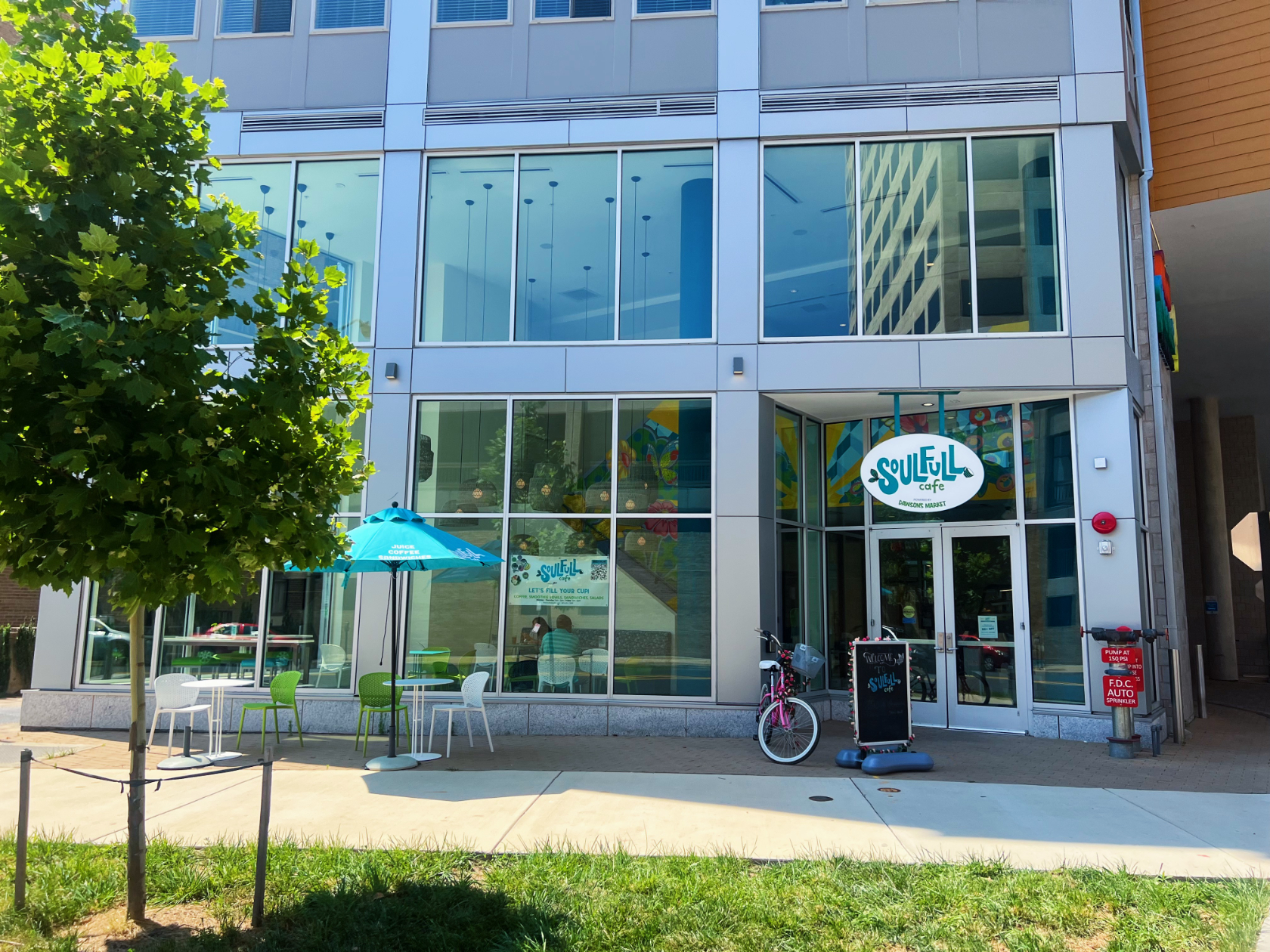
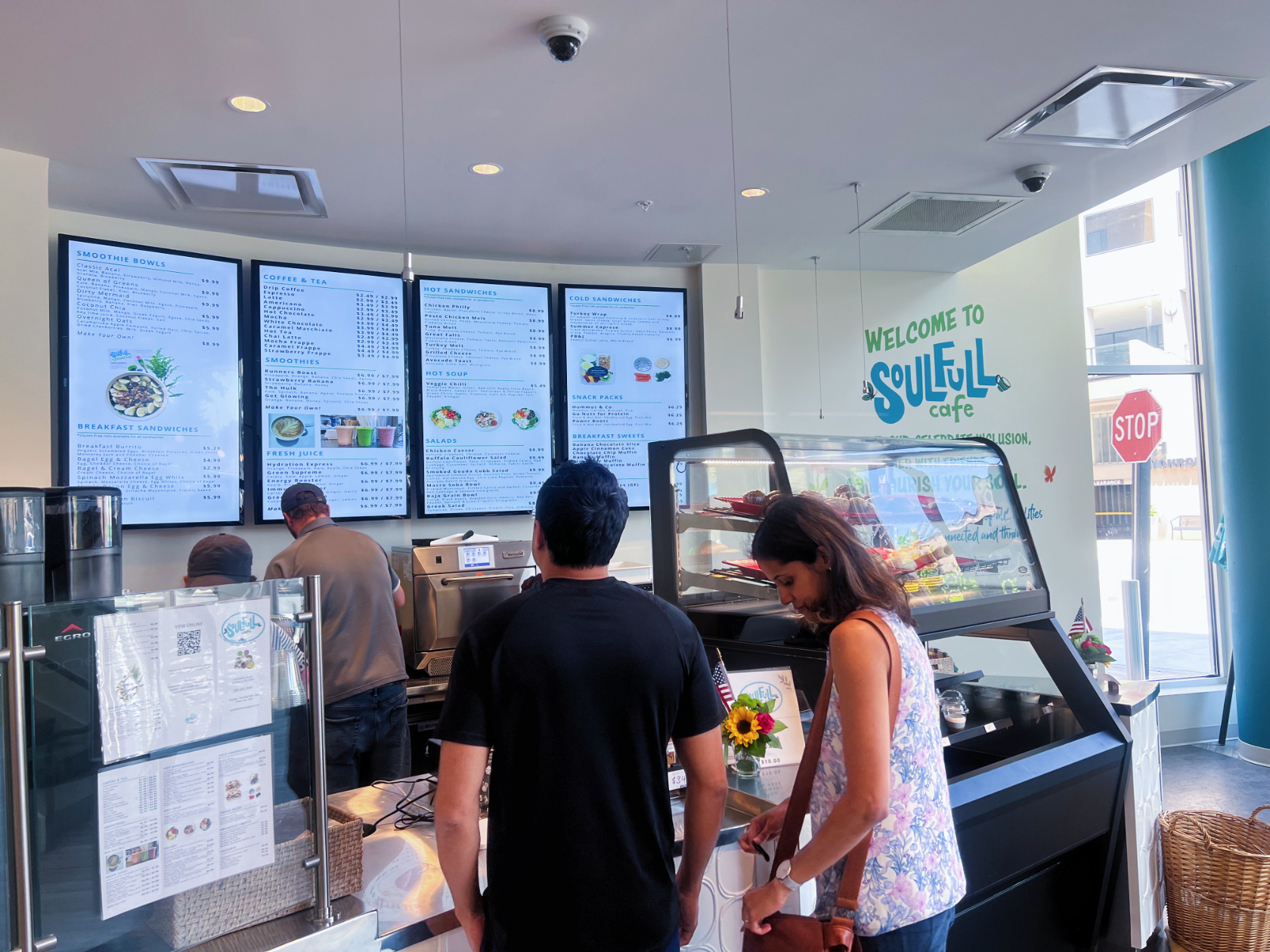


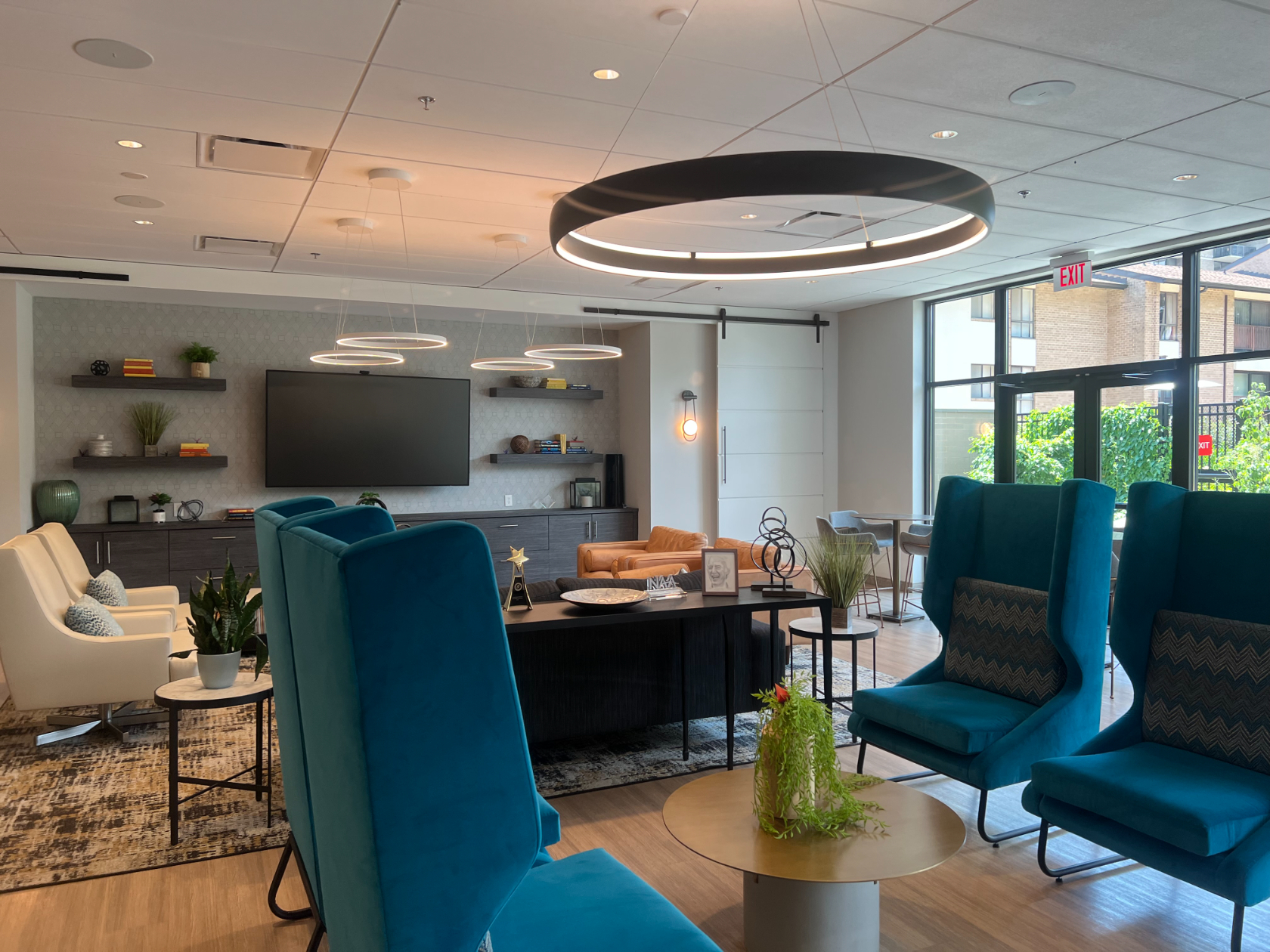

On a sleepy Friday before the Independence Day holiday, the sun streamed through Soulfull Cafe’s floor-to-ceiling windows in Rockville as general manager Sam Widdes and two of his team members laughed and told stories behind the counter and a couple of patrons quietly ate their meals. Everyone who walked through the door was greeted with a cheerful, “Hey! How are you doing?” by one of the staff and a playlist of country and contemporary pop music drifted down from the high ceilings.
It’s all part of the program at Soulfull, a nonprofit Rockville restaurant that employs people of all abilities and recently relaunched with a new menu. After opening in 2020 under the operation of local grocer Dawson’s Market, now, the cozy space is operated by nonprofit Main Street Connect, which owns it and the conjoining housing development.
“Dawson’s was doing a great job managing the cafe, but I wanted to connect the cafe to our Main Street programming and have some decision making power,” says Jillian Copeland, founder of Main Street Connect. “We now have specific recipes we use, have a very friendly environment, have a more diverse and creative menu and have different onboarding and training policies and practices.”
The cafe is just one element of Main Street Connect, which also runs the affordable housing development above it, Main Street Apartments. The nonprofit, which aims to provide support for individuals with disabilities after they age out of a variety of government assistance available to minors, opened the new-construction building, directly across from Rockville Metro Center in September 2020.
Dawson’s and Main Street parted ways last fall, but Soulfull never closed, in order to ensure that they continued to be there for the community, says Widdes. They wanted to continue providing a safe and enjoyable space for the local government workers and Richard Montgomery high schoolers while providing a sense of continuity and consistency for team members and apartment residents, he added. . Instead of closing for an overhaul, they made incremental changes and improved the menu on nights and weekends through the winter.
“We reimagined it and now it’s what we reimagined,” says Copeland.
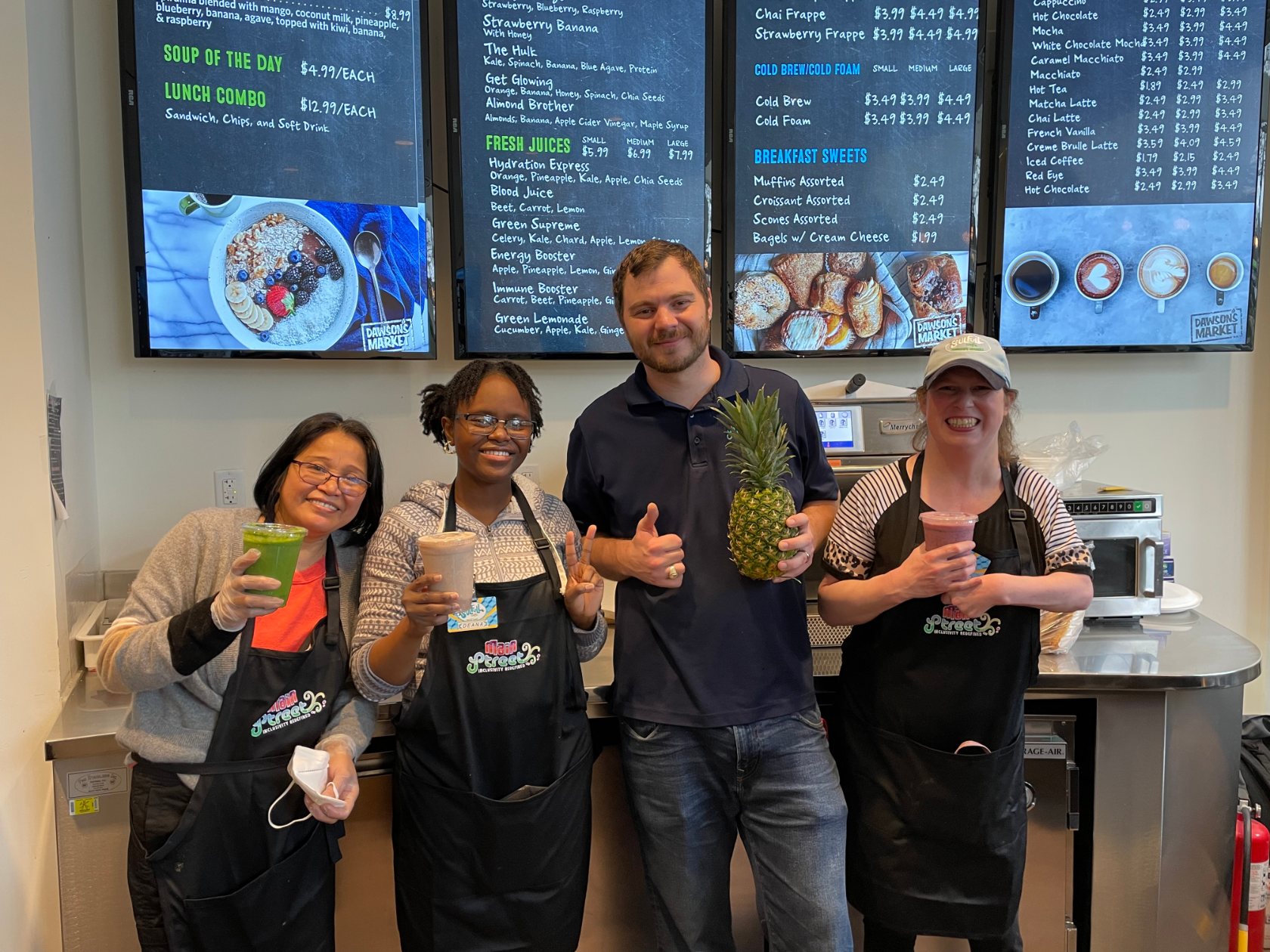
Three out of the cafe’s five part-time team members are people with disabilities. All team members do all jobs regardless of ability, whether they are prepping food and drinks, cleaning the facility or interfacing with customers.
It’s important that the coffee shop be more warm and inviting than a traditional operation because it is meant to be “a gateway of inclusion,” Copeland says. “It’s where you enter the building — it’s beautiful, it’s bright, it has fresh flowers, and a mural — the cafe is unstructured. Where you come and you meet and you chat and you connect. Community is built here organically.”
There’s also plenty of food. In the transition, Copeland installed Widdes, a long time Main Street Connect staff member, to run the cafe. Widdes had strong ties with the nonprofit’s ongoing stakeholders and was able to bring in a new baker whose coffee cakes, banana chocolate loaves and key lime pies are among the goodies now flying off the shelves, he says. Widdes is also making a targeted effort to reduce waste by training the staff to prepare food more efficiently.
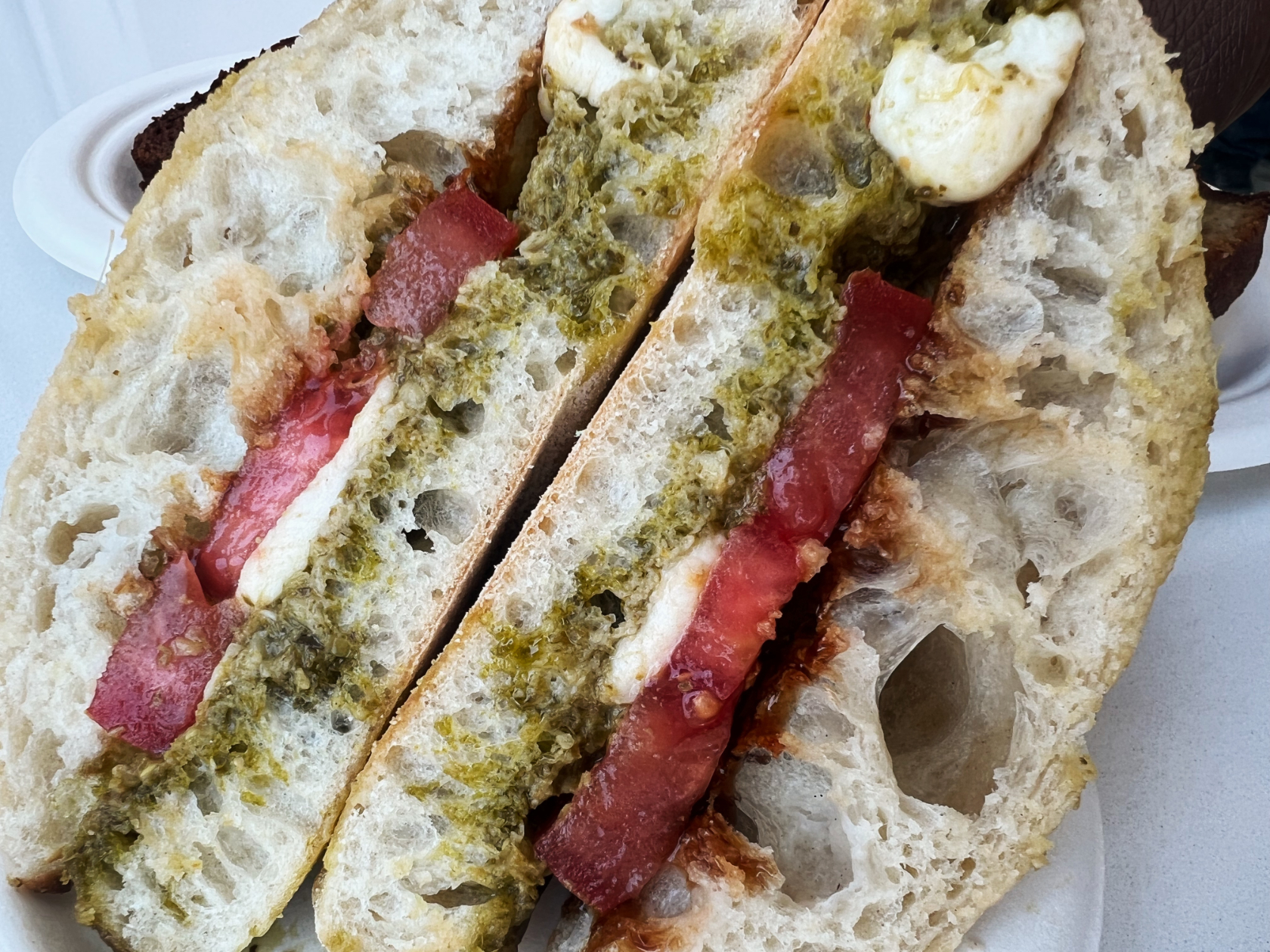
In terms of savory dishes, Widdes also recommends guests try the Great Falls, a ciabatta bread sandwich with mozzarella cheese, tomatoes, pesto and a balsamic reduction. Copeland recommends the cafe’s classic açaí bowls. (This author was gifted a sandwich and some baked goods while reporting this story, and can attest that all were delicious!)
Soulfull Cafe and Main Street Connect’s multifaceted programs aim to foster multiple inclusive spaces for people with disabilities. Copeland founded the organization in 2017 because her son with disabilities, Nichol, was approaching what is known in the disability caregiver community as “the cliff.” Upon turning 22, people with disabilities age out of state or federal entitlements to therapy, education and social programs. Often, their networks and opportunities for growth can almost entirely disappear; an experience that is isolating for the individual and their families.
Nonprofits are often the ones to fill this gap. Copeland and her husband did some research and landed on the idea for Main Street, one of the first facilities of its kind in the area. They were able to receive partial funding from the state of Maryland, and then privately fundraised $5 million.
The entire ground floor of the complex is a community center dedicated to activities such as classes and social events. Like a recreational center, Main Street Connect offers tiered membership programs for anybody to access, whether or not they live in the building. It is important for the membership program to be broad because these spaces are what help facilitate independence and growth for people with disabilities, while also helping the wider population dismantle their preconceptions of what people with disabilities are capable of, Copeland says.
Above the ground floor is a 70-unit affordable housing building where 25% of units are set aside for adults with physical or intellectual disabilities. The remaining 75% is affordable housing for anyone who meets the income requirements. “We currently have 52 people out of 150 people that live here that have disabilities,” says Copeland.
“Everything around, about Main Street and the Soulfull Cafe is really just about kindness, dignity and community engagement,” she adds. And they’d like to engage more of that community in the future.
When Main Street Connect first put out the call seeking inaugural tenants in March of 2020, they received 11,000 applications on the first day, Copeland says. Although their waitlist is full, they continue to receive three to five calls per day from people seeking housing.
To help meet the massive demand, Copeland says that they are looking to expand, but haven’t made any concrete plans. Meanwhile, she has started advising others around the country who want to recreate the model.
“Everyone deserves to walk into their home and feel safe and be in a light, bright, vibrant community. And that’s not what has been offered to people with disabilities in the past. They are othered and they feel less than. People don’t hear them and they don’t see them. And so that’s what Main Street is about,” Copeland says.
Widdes says he sees the results of that work every day at Soulfull Cafe.
“From first-hand experience, seeing customers come in and interacting with people of all abilities in a work space and seeing [the employees] having a meaningful and productive day brings smiles to their faces and also peace of mind. Like there is something meaningful for everyone out there,” he says.
Soulfull Cafe is located at 50 Monroe Place in Rockville and open Monday-Thursday from 7 a.m. – 2 p.m. and Friday from 7 a.m. – 6 p.m.