 Aja Drain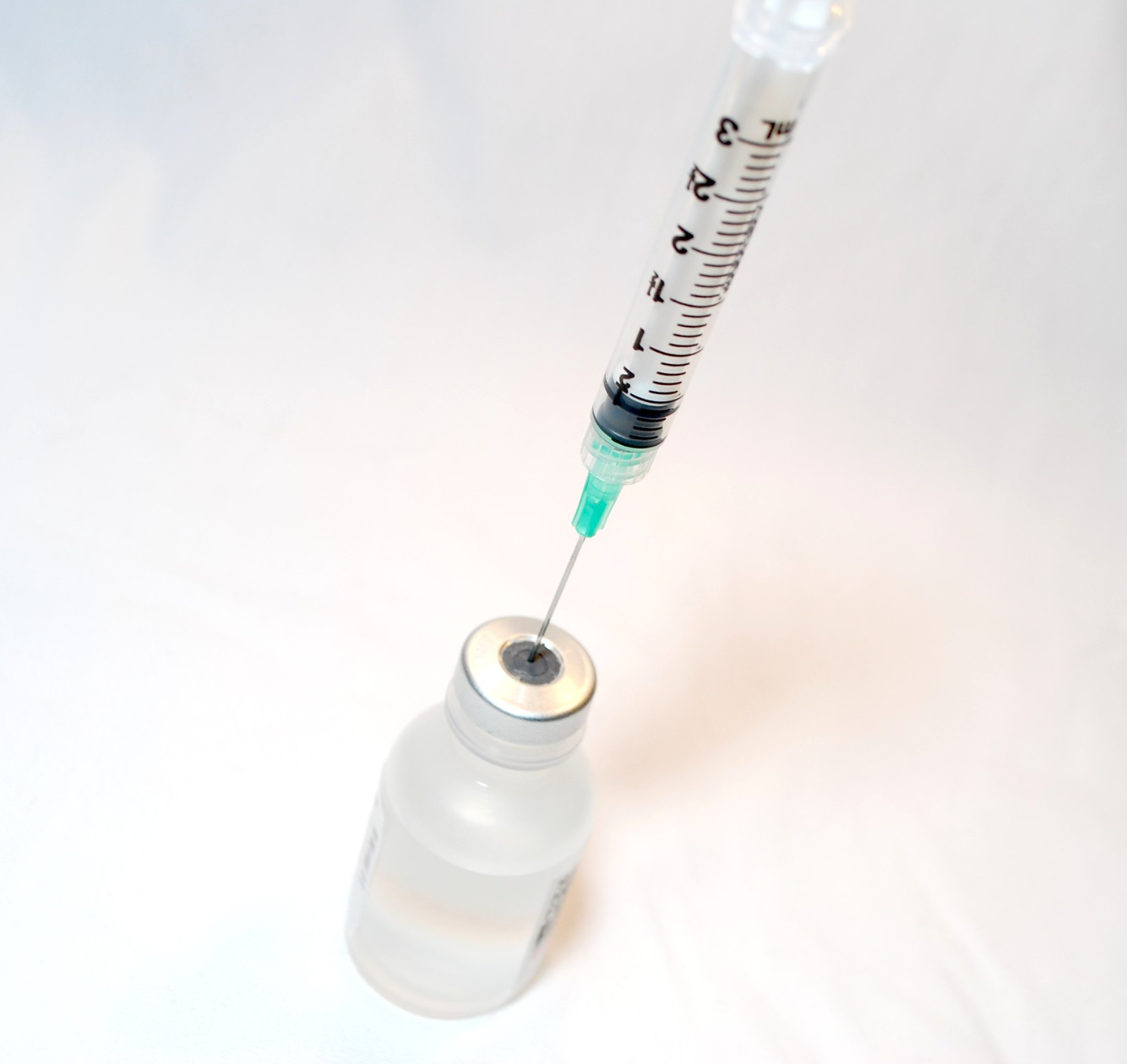
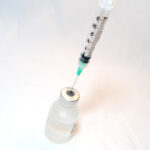
Starting tomorrow, limited walk-up monkeypox vaccinations will be available for eligible D.C. residents on Fridays, city officials announced on Wednesday.
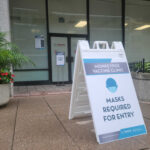
The following clinics will have first-come, first-serve walk-up vaccinations from noon-8 p.m., or while supplies last.
- 3640 Martin Luther King Jr. Ave SE – Ward 8
- 7530 Georgia Ave NW – Ward 4
- 1900 I St NW – Ward 2
Each site will have 300 doses available Friday. Eligibility requirements remain the same for walk-up patients: proof of D.C. residency, adults 18 years or older, and:
- Gay, bisexual, and other men who have sex with men and have had multiple (more than one) or any anonymous sexual partners in the last 14 days; or
- Transgender women or nonbinary persons assigned male at birth who have sex with men; or
- Sex workers (of any sexual orientation/gender); or
- Staff (of any sexual orientation/gender) at establishments where sexual activity occurs (e.g., bathhouses, saunas, sex clubs)
This new initiative will add to, rather than replace, the city’s online pre-registration, where eligible residents can make appointments online. The walk-up sites are meant to increase vaccine access for individuals who may be unable or uncomfortable with pre-registering online due to the extensive amount of personal information patients have to add.
As of Friday, July 26, DC Health had just under 5,000 doses of the monkeypox vaccine. An additional order of vaccine was placed on Friday for 8,000 doses. For now, second doses of the vaccine are still temporarily paused (except for immunocompromised individuals), due to national shortages of the JYNNEOS vaccine.
D.C. had the highest number of monkeypox cases per capita earlier in July. There are currently more than 6,600 confirmed cases nationwide with 257 reported in D.C., according to the CDC. Monkeypox can be spread through close, personal, usually skin-to-skin contact, including direct contact with the rash, scabs, or body fluids from a person with monkeypox. Touching objects, fabrics, and surfaces, intimate contact, or contact with respiratory secretions can also spread the virus, according to the CDC.