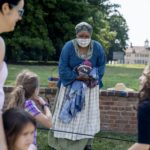
 Aja Drain
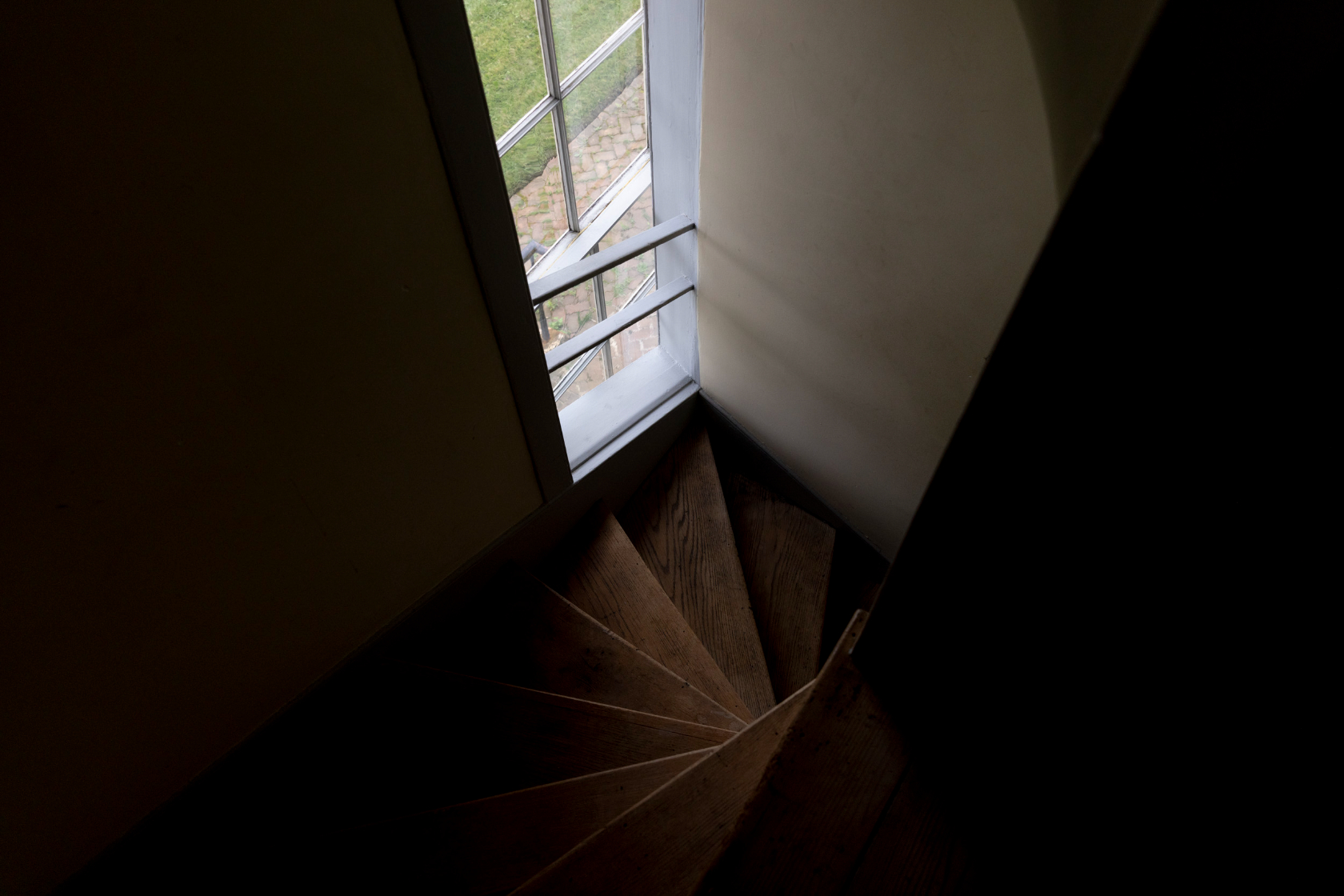
Walking through the steep, narrow servant staircases of Riversdale House, it’s hard not to be struck by how separated you are from the dramatic halls, dining room, and parlors in the rest of the mansion. You feel hidden. And for the approximately 55 enslaved African American workers that maintained this estate, they were.
Now over 200 years later, staff at the Riversdale House Museum in Riverdale Park want to bring these stories out of the shadows to not only present a more accurate narrative, but to restore a connection to descendants of the plantation and the Prince George’s County community as a whole.
The work has been spurred on by Executive Director Maya Davis, who joined the plantation museum in March of 2021. Using whatever resources they can muster, Davis and her team have begun a series of projects that include tracing the genealogy of enslaved people who lived on the site — in some cases to current Prince George’s County residents — updating the museum’s exhibits to reflect all of the people that lived in and worked on the property, and working with Indigenous people to include their narratives as well.
Riversdale’s hidden stories
Take the home’s West Wing, where many visitors are drawn to the portraits of Calvert family members, including ancestors of the first Europeans to colonize Maryland. One includes Lord Cecil Calvert with his son and an enslaved boy, a striking contrast to the other portraits with the lords standing alone.
“The enslaved boy in the back, along with the map of Maryland there, have just attracted people’s curiosity. And, you know, there’s been a lot of questions. We don’t know who the enslaved person is in the picture, oddly, because there’s no documentation that we found to date,” she says. “But it is a very intriguing piece. And I think portraits of that time, they’re so telling about what the individual who is being the focus point and what they choose to have as background noise.”
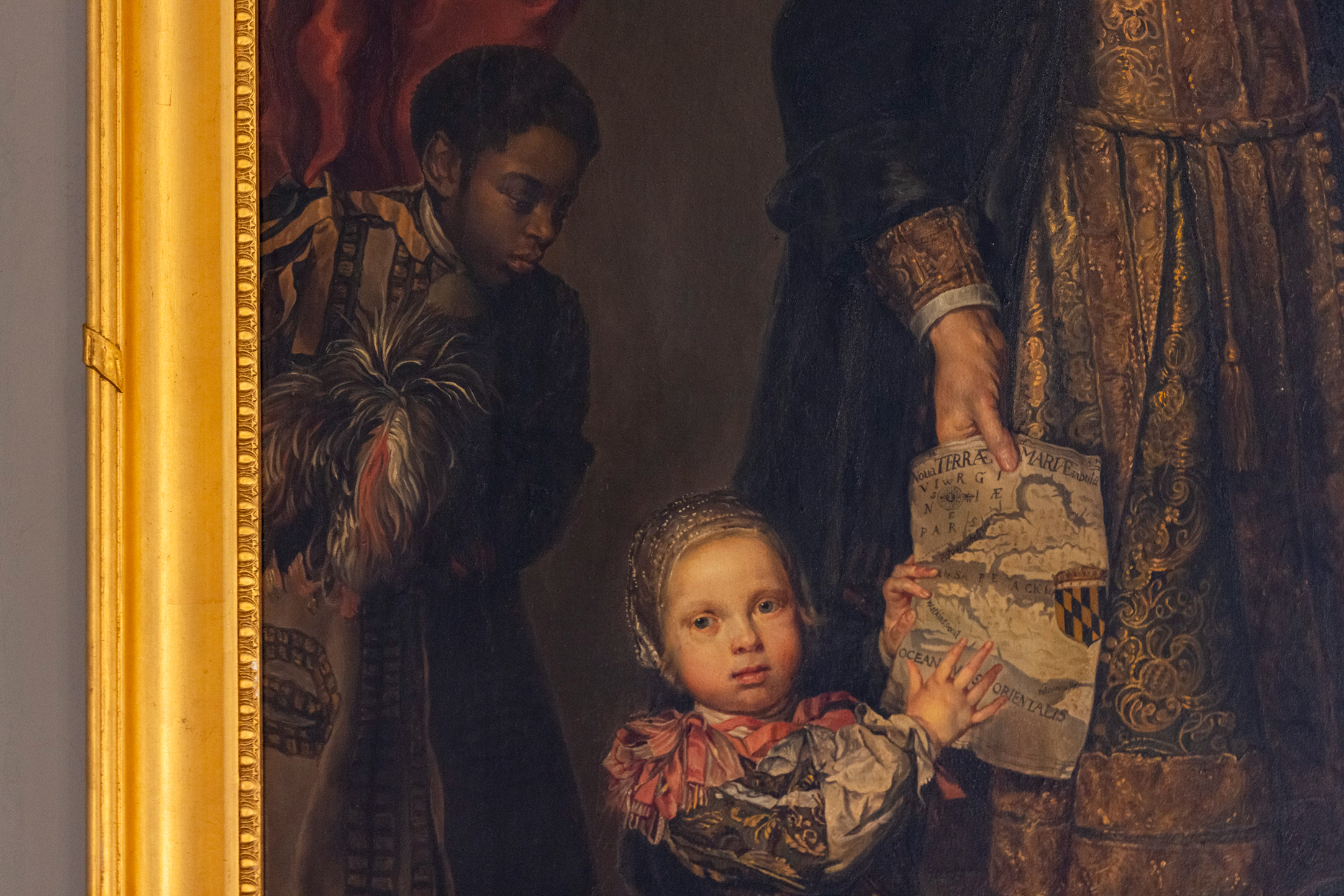
Davis says that the visitors’ fascination with that piece is also representative of the community’s curiosity to learn more about the enslaved African Americans that maintained Riversdale. Plantation museums have historically placed so much focus on the architecture and the white families that owned the land, which serves to alienate some visitors. Davis says she understood this dichotomy even as a child visiting other plantation museums.
“I just remember being a young girl and going to museums and not feeling seen in the exhibitions,” she says. “Not that I couldn’t relate to what was there, but I knew that there was a part of the story being left out.”
Moving beyond a one-sided record
In its original interpretation of the site, the Riversdale House Museum focused on the architecture and construction of the mansion and the history of the Calvert family. Riversdale House was constructed in 1801 by Belgian émigré Henri Stier, whose daughter Rosalie and her husband George Calvert moved in in 1803.
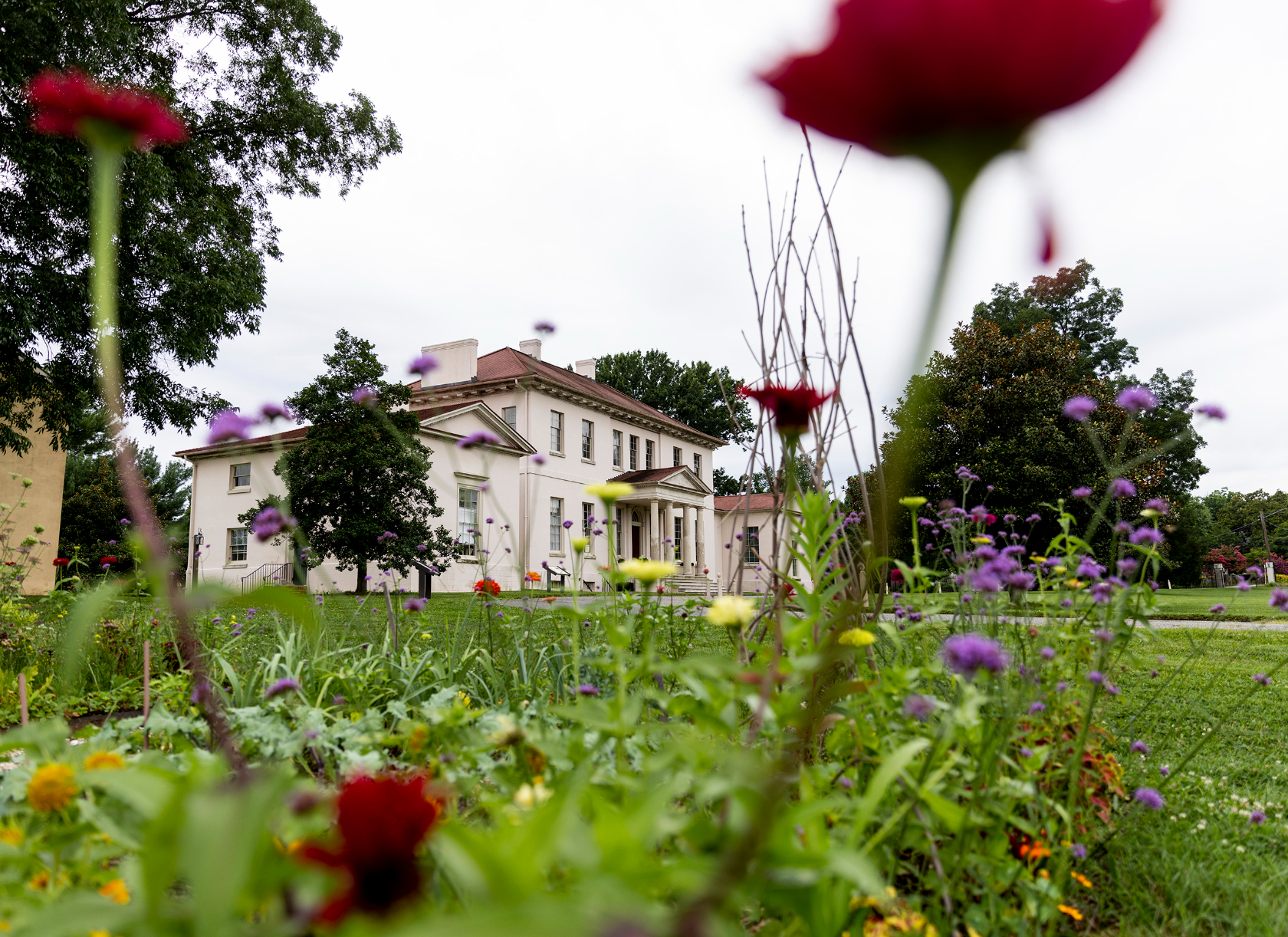
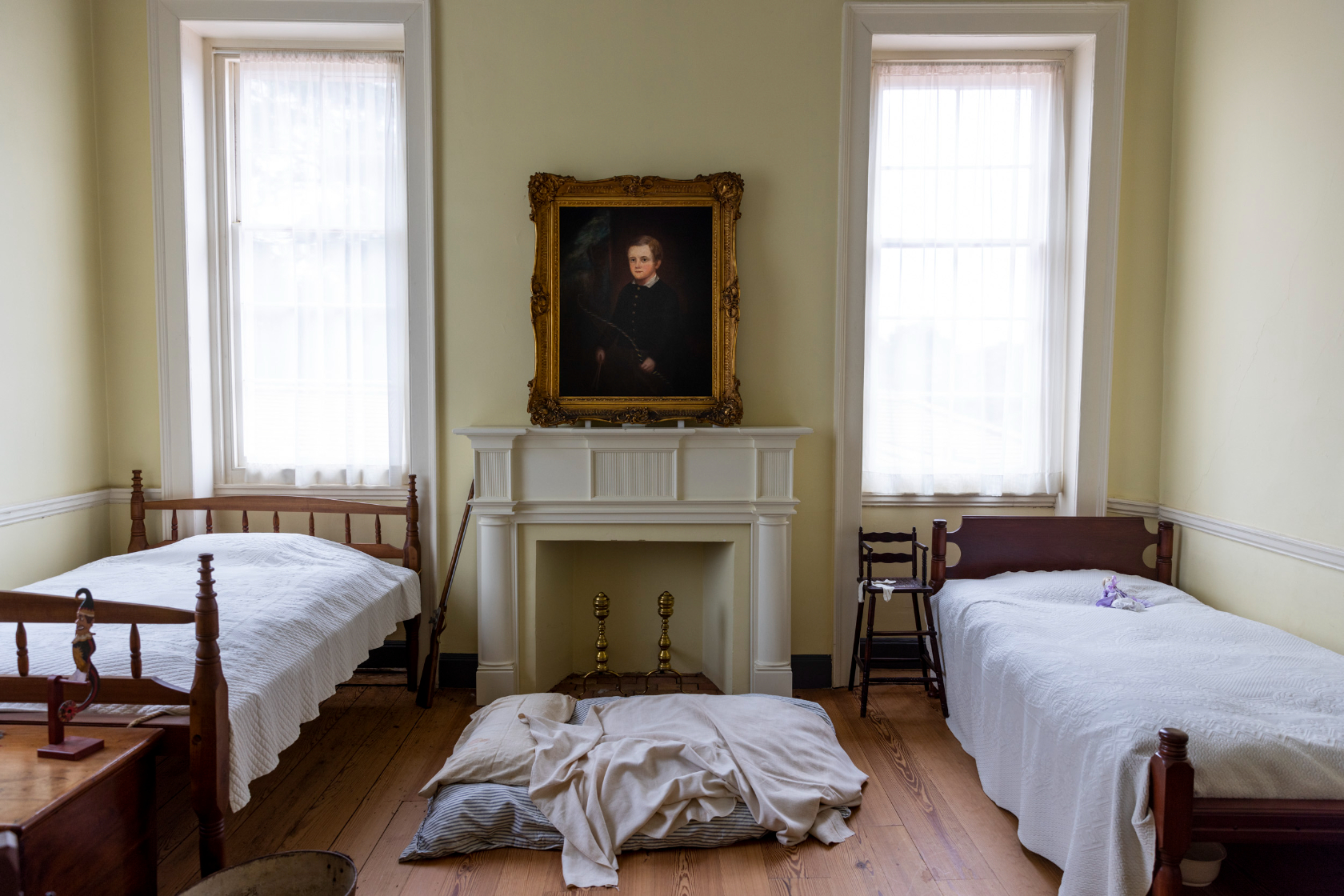
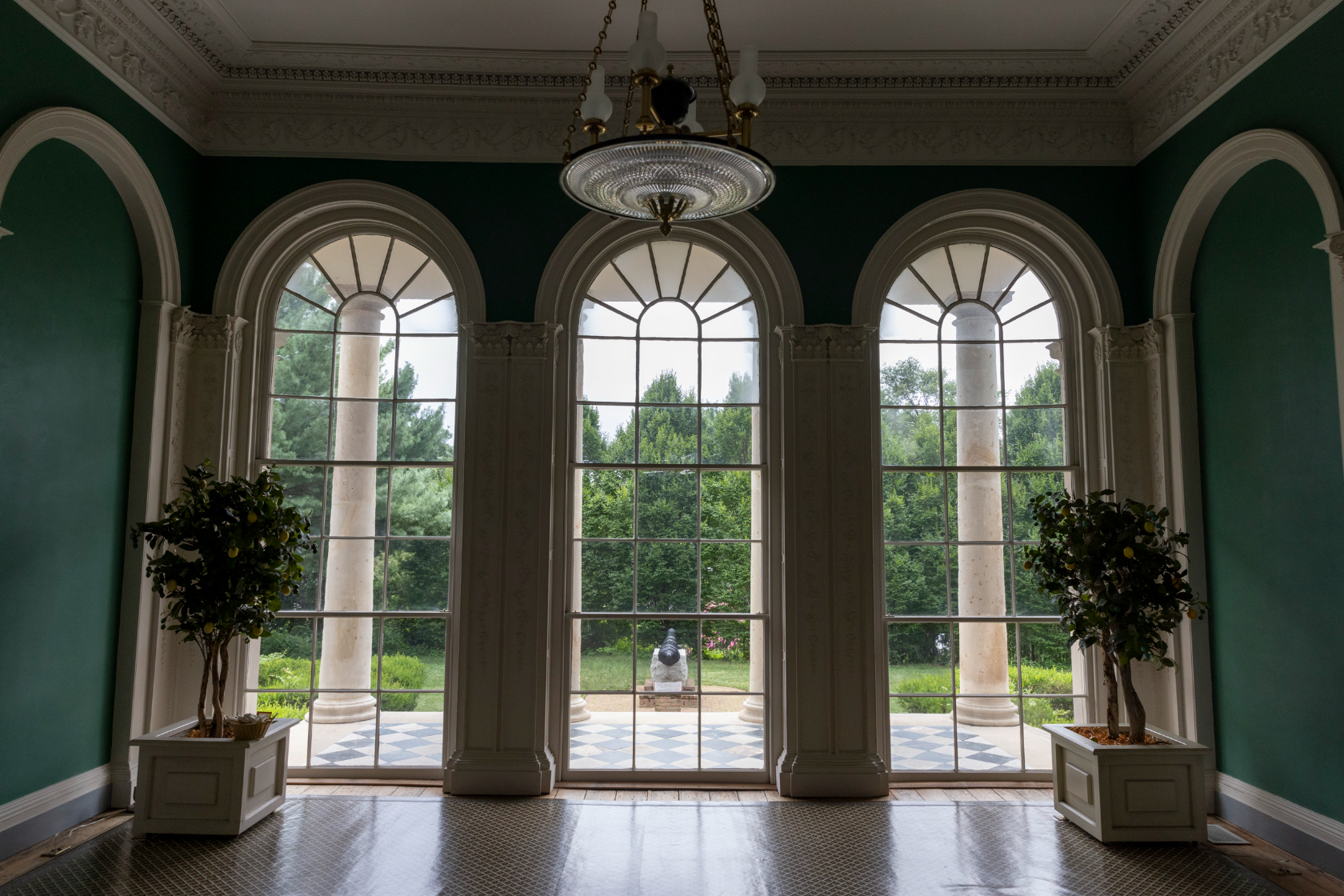
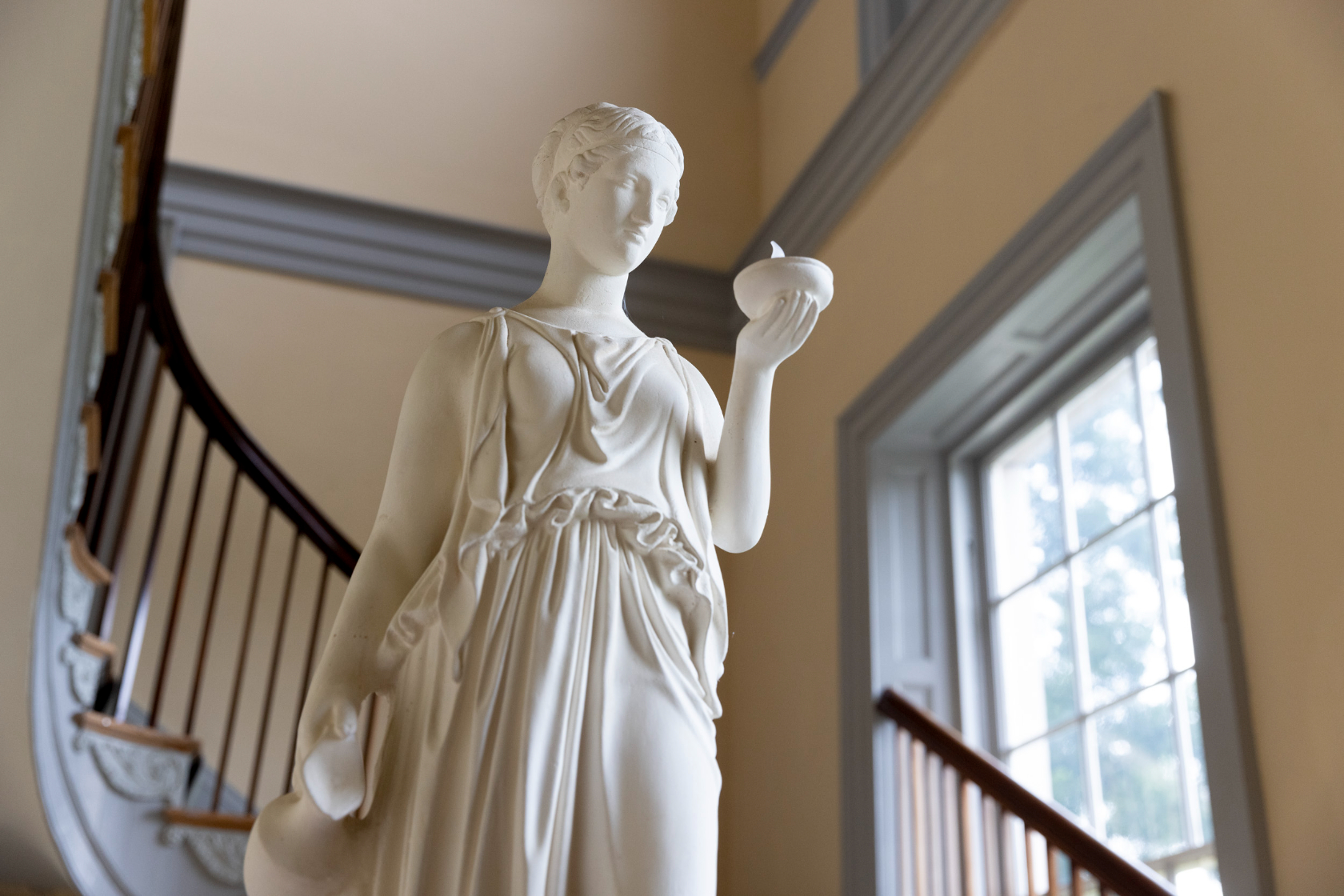
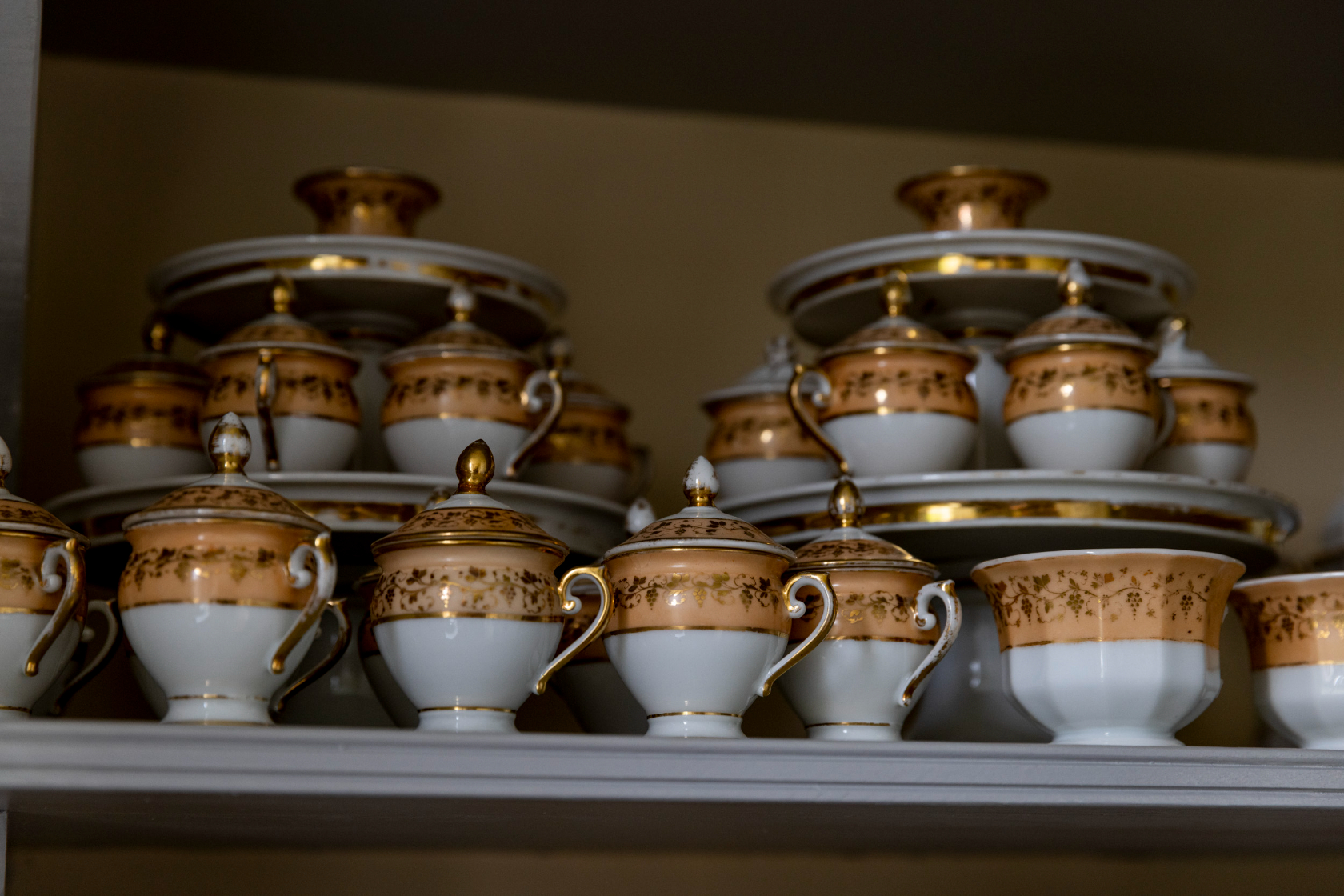
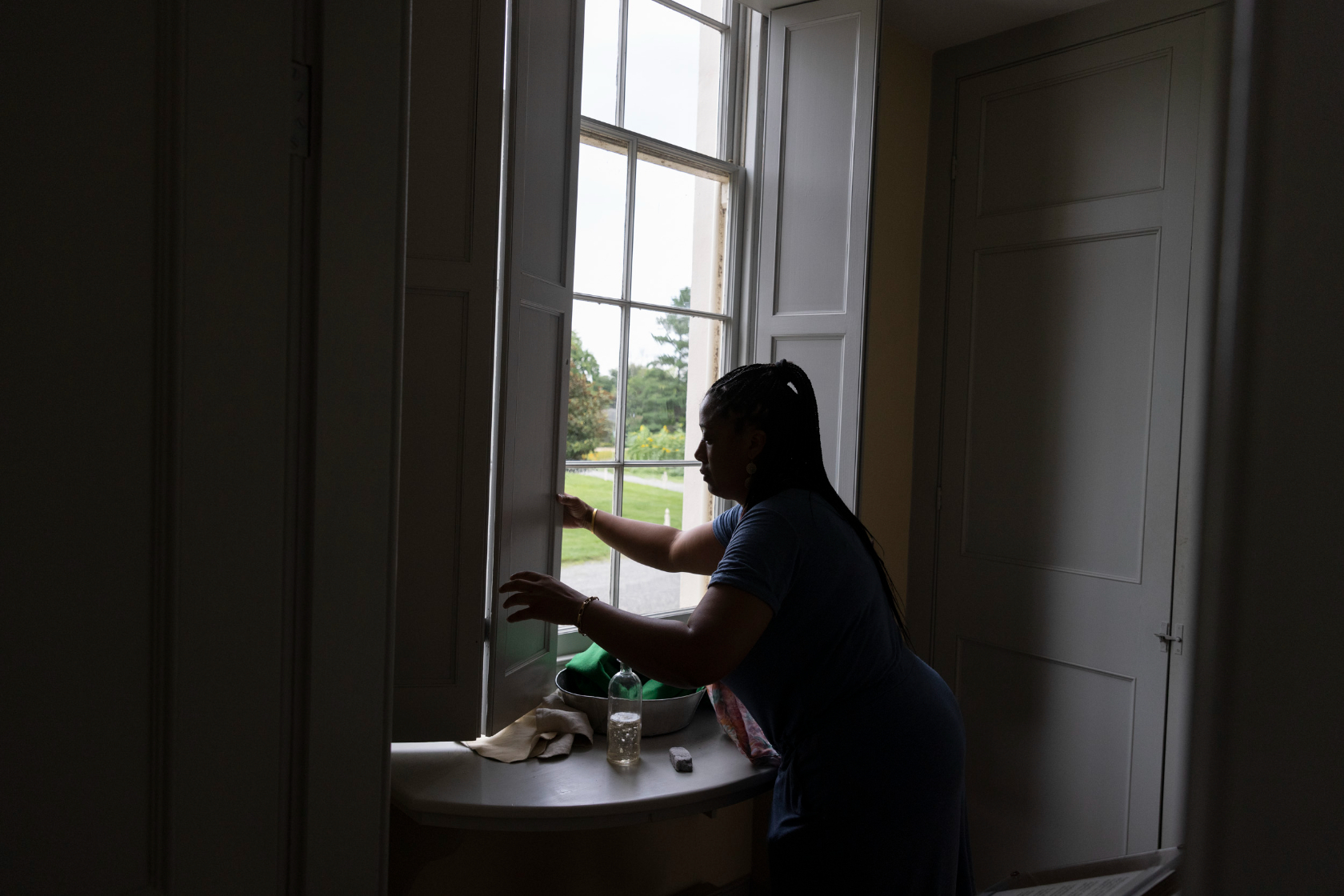
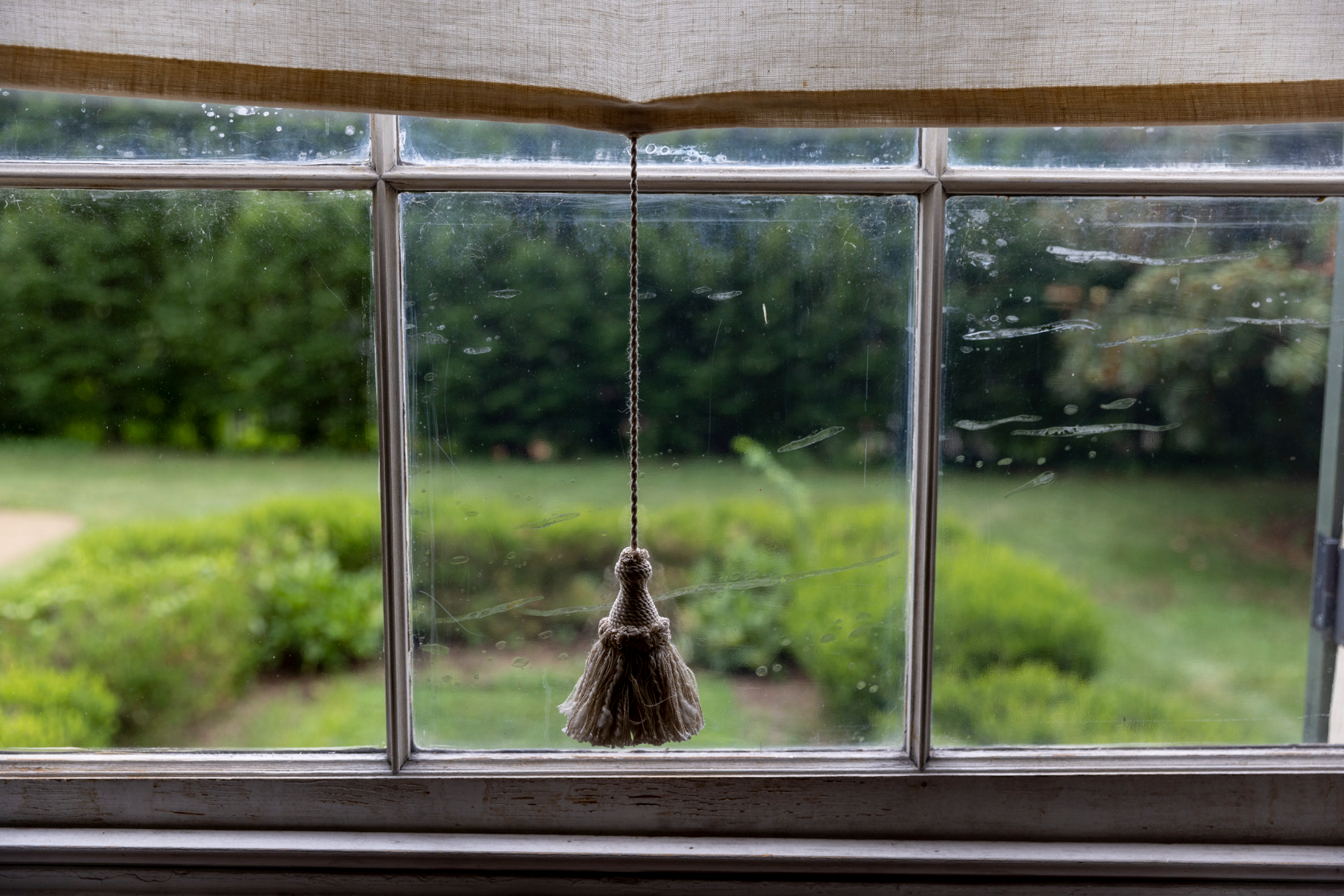
The original Riversdale property was an expansive 749 acres that would have been run by a combination of enslaved and free laborers. (Part of the land later became part of the Maryland Agricultural College — the predecessor of the University of Maryland.)
But the house’s history goes beyond the architecture and the Calvert-Stier family, Davis points out. Though the Riversdale museum can’t find documentation on whether the construction was done by enslaved or free laborers, there were at least 55 enslaved workers living there in the mid-19th century, according to estimates from slave schedule census reports in 1850 and 1860. For a long time, the museum has only been able to identify one enslaved family by name, Davis says.
That was the family of Adam Francis Plummer. Plummer was secretly taught to read and write by a minister, and he kept a diary of his life from 1841 to 1905. For years, the diary was thought to be lost or destroyed, but in 2001 Lucille Betty Tompkins-Davis, a descendant of Adam Plummer’s brother-in-law, connected it back to the Plummer family and, with their permission, deeded it to the Smithsonian Anacostia Community Museum.
With this primary document and Out of the Depths or Triumph of the Cross, a 1927 memoir by Adam Plummer’s daughter Nellie, Prince George’s County Historical Society Library and Maryland State Archives researchers could create a clearer picture of Adam Plummer, his wife Emily, and their children.
“We have a lot of Plummer family members who actually come back to Riversdale. They’ve even had family reunions here,” Davis says.
Tracing more descendants of Riversdale’s enslaved
But Davis and the museum’s staff hope to be able to portray many more of the enslaved people at Riversdale in the museum’s exhibits. They have several starting points: Plummer’s daughter revealed at least thirteen surnames of other enslaved families on the estate in her book, including Scotts, Brashears, Gutridges, Lees, Snowdens, Gilberts, Allens, Carricks, Norrises, Grays, Johnsons, Browns, and Beckets. The Beckets, for example, are descended from the children of George Calvert and an enslaved woman, Eleanor Becket, according to multiple sources that includes Adam’s Plummer’s diary, Nellie Plummer’s book, and private Calvert family papers.
With more digitized resources now available, museum staff and researchers can pursue those stories. The goal is to include more references to them to reflect everyone who called Riversdale home.
“We have to do our due diligence and making sure that we update our interpretation here to be reflective of that and make sure that the descendants of [enslaved] people feel that same ownership that the descendants of the Calvert family actually feel,” Davis says.
The Riversdale House is pursuing multiple projects in parallel to the end of learning more about the enslaved workers at the site — and incorporating those stories into the museum’s contents. One is a genealogy project in partnership with Reparations for Slavery, to connect more descendants to the enslaved families they didn’t have as much information on.
But the challenges of tracing and portraying the lives of enslaved people are many, including not knowing where many of them were buried, the need to track family members across multiple plantations, and simply not having images other than that of the Plummers.
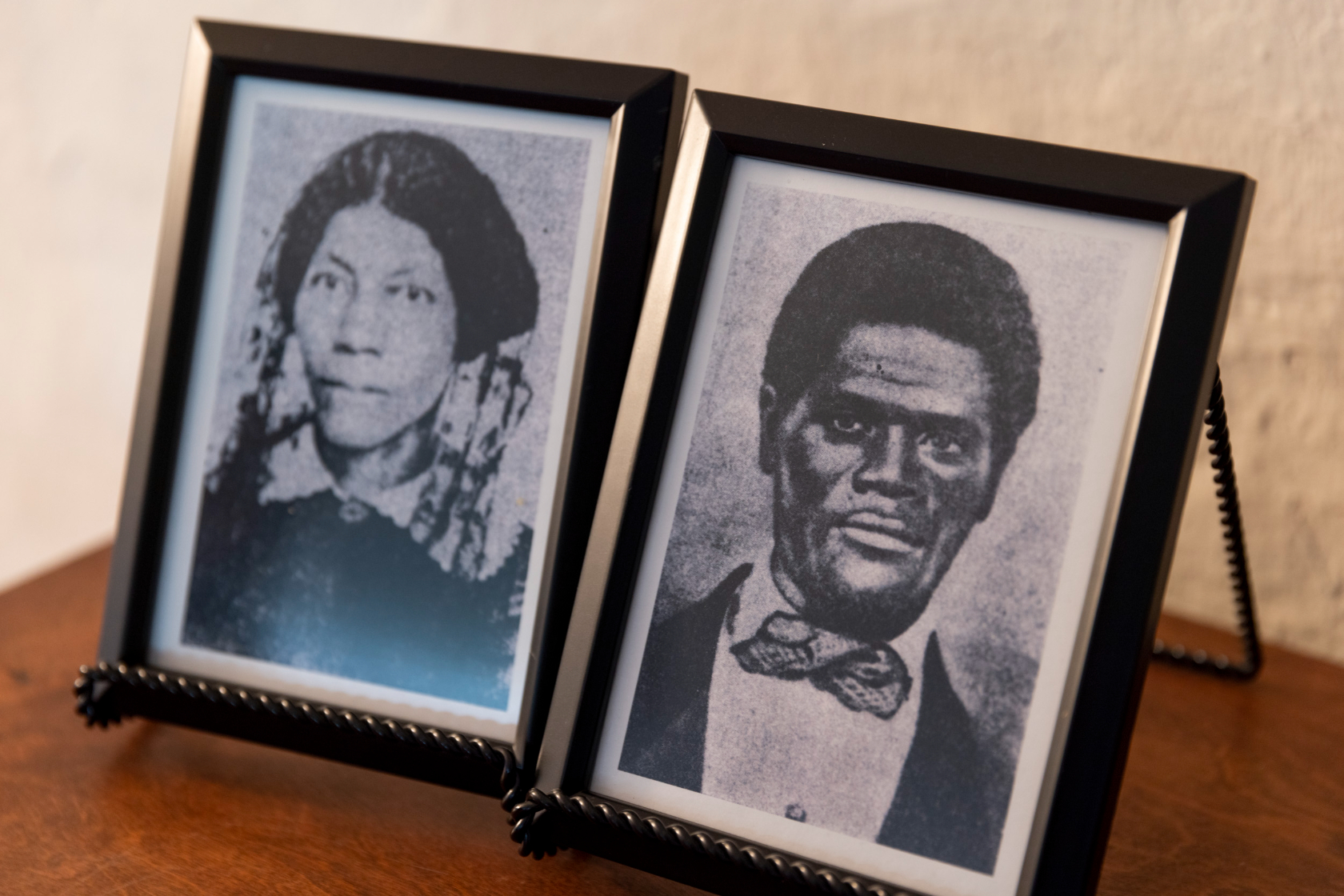
“The hardest part is not having imagery of enslaved people. We have a lot of portraitures of the Calvert family, but we don’t have a lot of portraitures [of enslaved families],” Davis says. We are fortunate that there is portraiture of Adam Francis Plummer. There’s one photograph of he and his family after his wife dies. And then there’s also a painting that was done … so we at least know what they look like.”
New exhibits look to change the narrative
Beyond reparation efforts to connect descendants to their history, Davis says the museum is reevaluating the content of tours and displays throughout the house to be more inclusive of enslaved people. For example, they brought in food historian Joyce White to create a new version of the home’s dining room exhibit that shows what the table would look like after dinner, calling attention to the amount of work the enslaved people would have to do to clean up.
Another iteration of the exhibit splits the table in two to show the main dining room’s table and a table in the servants’ quarters, “which I was really excited about because it compares and contrasts what the Calverts versus the enslaved would have had to eat,” Davis said.

Davis says they are currently using focus-group testing to consider new information that will be added to tours and interpretations, including their upcoming “Enslaved Workers” exhibition.
“These people would have interacted with a lot of enslaved individuals at other plantation homes. And so we really want to learn more about it and give voice to the voiceless,” she says. She wants to expand beyond Rosalie and George Calvert’s perspective of enslaved workers. “We are really trying to bring humanity to the people who lived and work here and rebuilding their families. And in my wildest dream, it will be a springboard to us better connecting with descendant communities.”
This inclusion effort also extends to looking into how to present exhibit content in Spanish to cater to Prince George’s County’s diverse population, and adding more information about the Piscataway people indigenous to Maryland. The Riversdale team has been consulting with the Piscataway to help shape what their perspective would have been on the land during the period of enslavement, and even before European settlers arrived. Davis says the public will see small changes implemented as early as this year and into 2023.
Riversdale is not alone in its effort to reconcile history as it has been recorded with what really happened. Other museums in Prince George’s County are expanding their storytelling to ensure that the history of enslaved people is preserved. Davis cited Darnall’s Chance House in Upper Marlboro; Marietta House Museum, the home of Supreme Court Justice Gabriel Duval; Montpelier House, the Snowden family home in Laurel; and the Surrat House in Clinton, which historically focused on John Wilkes Booth but is now hoping to include more enslaved stories too. The changes are a snapshot of a continued national effort to bring African American stories to light.
What museum visitors want to know the most is the truth, though that truth depends on who’s perspective you’re telling it from, Davis says.
“The heart and soul of this work is that we are giving individual voice to the people who lived here during the 19th century, and that would include the Calverts and the enslaved population … especially because it is a site of trauma. We have to at least own that,” she says. “But then also making way to kind of celebrate the fact that these people overcame the institution of slavery and many of them live beyond emancipation here in Maryland … and have thrived and survived such a traumatic experience.”
Riversdale House Museum is located at 4811 Riverdale Road in Riverdale Park, and open for tours Thursday and Sunday. Gardens and grounds are open daily free of charge. Admission is $5.