 Jordan Pascale
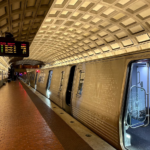
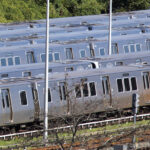
The Washington Metrorail Safety Commission has given Metro permission to run up to twenty 7000-series trains a day. That’s a dozen more than they’re currently allowed to run.
The change, announced today, will bring the newer trains back to the Red Line. They had only been running on the Yellow and Green lines so far.
Metro says the trains will return on Sept. 12 and it will announce new schedules for every rail line next week. Currently, the Red Line has trains running every 10 minutes and every other line has trains every 15 minutes. It’s unclear how dramatically those service levels will improve.
“Our 7000-series trains are the newest and most reliable in Metro’s fleet, and they are key to providing the level of service our customers want and deserve,” Metro General Manager Randy Clarke said in a statement. “In my frequent conversations with Metro customers, I hear over and over that more frequent service and more 7000-series trains on the tracks are a top priority, and that’s what we’re working to deliver. We appreciate the partnership of WMSC in our shared efforts to improve service for the region.”
At a Northern Virginia Transportation Commission meeting Thursday, Clarke said he believes the 7000-series trains are safer than the older trains currently running on the system. Metro’s Friday news release touted the safety improvements on 7000-series cars, including better design standards for crashworthiness, interior design features that prevent injuries, and cameras on board for added security.
Metro’s Return to Service Plan includes such safety provisions as manually inspecting the train wheels every four days instead of every day. It also creates a new Metrorail Vehicle and Track Working Group, which “will address engineering recommendations and suggestions previously identified by Metrorail, any additional information from the ongoing National Transportation Safety Board derailment investigation, and other Metrorail data including known wheel migration,” according to the WMSC.
The full 7000-series fleet was removed from service by the safety commission last October after a train derailed on the Blue Line. The NTSB found the wheels had moved too far apart and left the tracks because of it. NTSB investigators found that since 2017, Metro has known about 50 instances where wheels had moved out of compliance, but they treated the problem as a warranty issue and it was never raised to the level of top safety managers.
Metro is in the process of trying to bring back all the trains. It’s working on installing six trackside monitoring stations that will automatically measure the wheel distance. Once those monitors are in place and approved, Metro would be able to bring back all 93 trains. The 20 trains allowed back represent about a fifth of the fleet returning.
The trains that have been in service on the Yellow and Green lines since June have had no wheel movements, the Safety Commission says.
“Available information continues to suggest there are multiple contributing factors to this wheel migration on 7000-series cars including factors that could differ across similar elements of the Metrorail system, and that wheel migration remains under investigation,” the WMSC said in a statement.
Previously:
Metro Is Bringing Back Eight 7000-Series Trains On Thursday
Metro’s 7000-Series Wheel Monitoring Plan Needs Careful Scrutiny, Safety Commission Says
Metro Safety Commission Approves Plan To Start Bringing Back 7000-Series Trains
Metro 7000-Series Safety Problems Could Have Led To ‘Catastrophic Event,’ Service Limited
Safety Commission Orders WMATA To Pull 60% Of Its Train Fleet, Severely Reducing Service