Héctor Alejandro Arzate
Although Guillermo Cabezas was born in Ecuador, he’s more than familiar with pork kielbasa and Medivka, a Ukrainian honey liquor. His wife, Nataliya Shakula, is Ukrainian, and it’s a culture he’s proud to have married into. The couple have been coming to the Washington Ukrainian Festival every year for the last decade. It’s one of the largest events held in the U.S. to celebrate Shakula’s home country.
“It’s [an] opportunity to see my people, to see the music,” says Shakula.
As the war against Russia continues on for a seventh month, Cabezas says it was especially crucial to attend this year as an act of defiance against Russian President Vladimir Putin.
“It’s very important for Ukraine,” says Cabezas. “Everything that represents liberty and freedom is why he wants to destroy it. And for us here, it’s very important because we are supporting all that.”
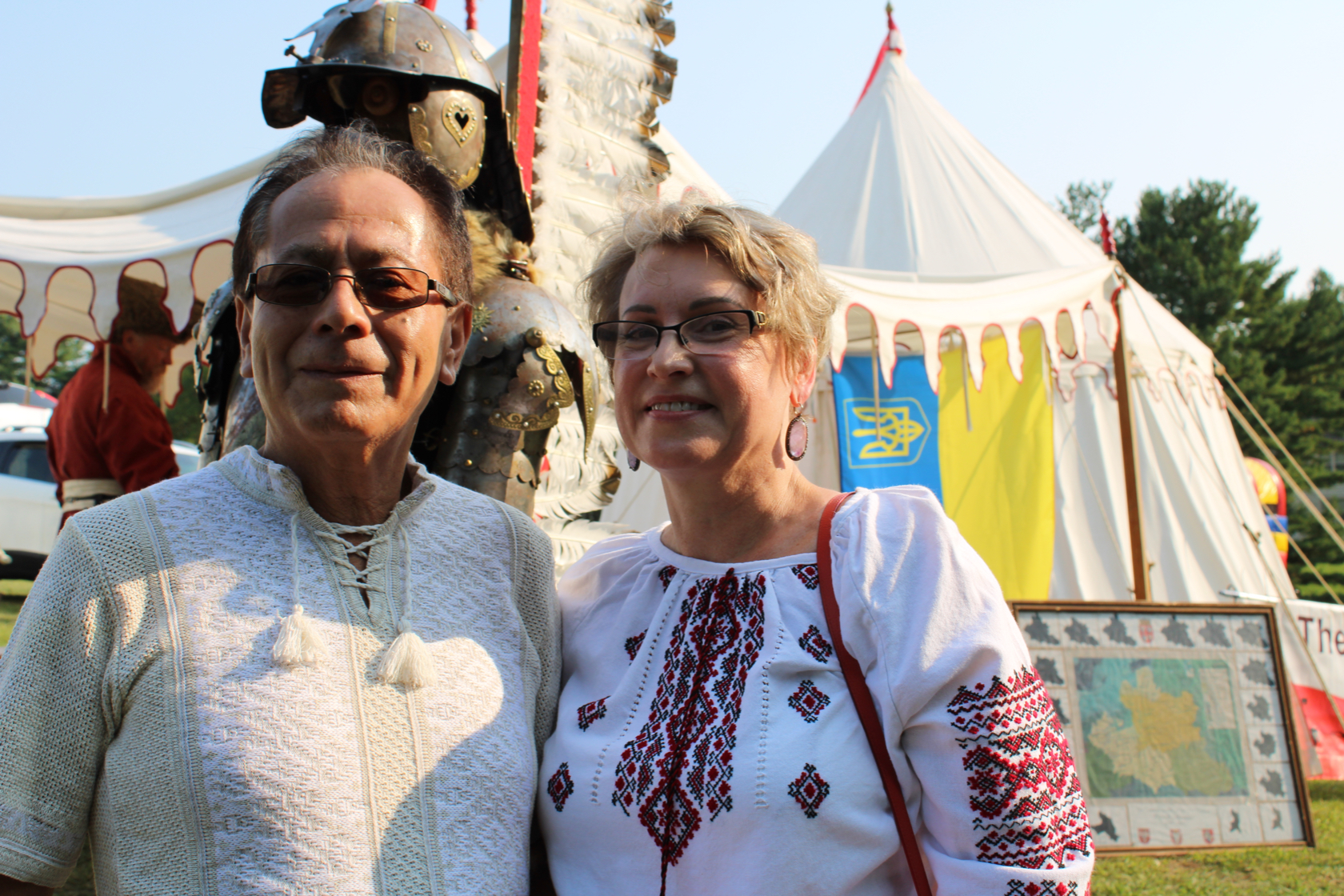
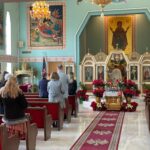
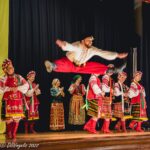
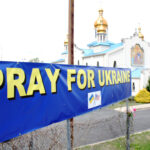
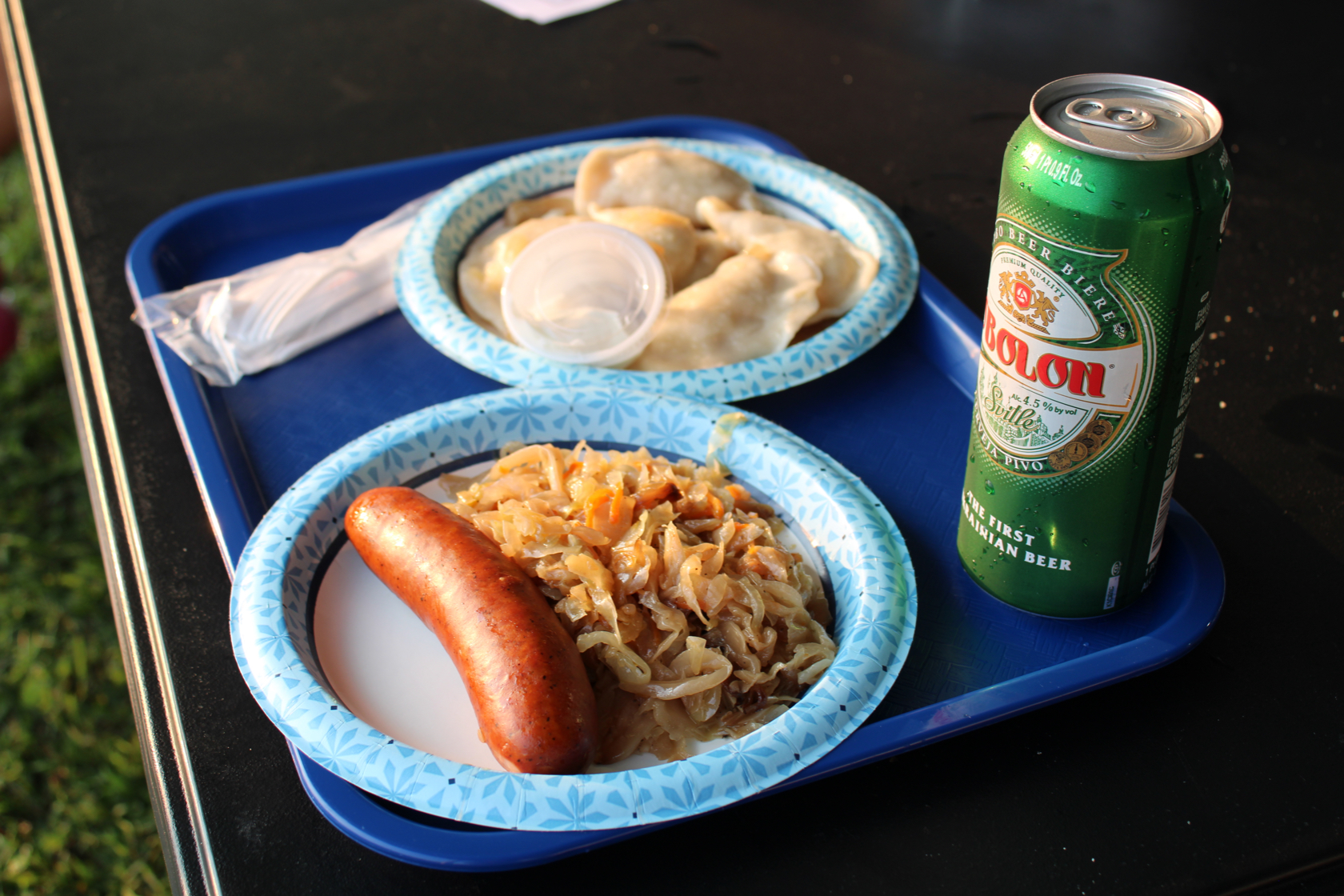
Since 2002, the festival has been held annually by the St. Andrew Ukrainian Orthodox Cathedral in Silver Spring – the exception being in 2020 due to the Covid-19 pandemic. Along with food and drink, it’s a place where members of the Ukrainian diaspora gather to enjoy traditional music, dance, and crafts.
For Father Volodymyr Steliac, the ongoing war has brought greater attention to the church and the local community. He estimates as many as 15,000 people were in attendance on Saturday alone, with many coming from as far as Florida and the Midwest.
“The war has brought a particular spotlight on Ukrainians,” says Steliac, who’s been leading the parish since 2001.
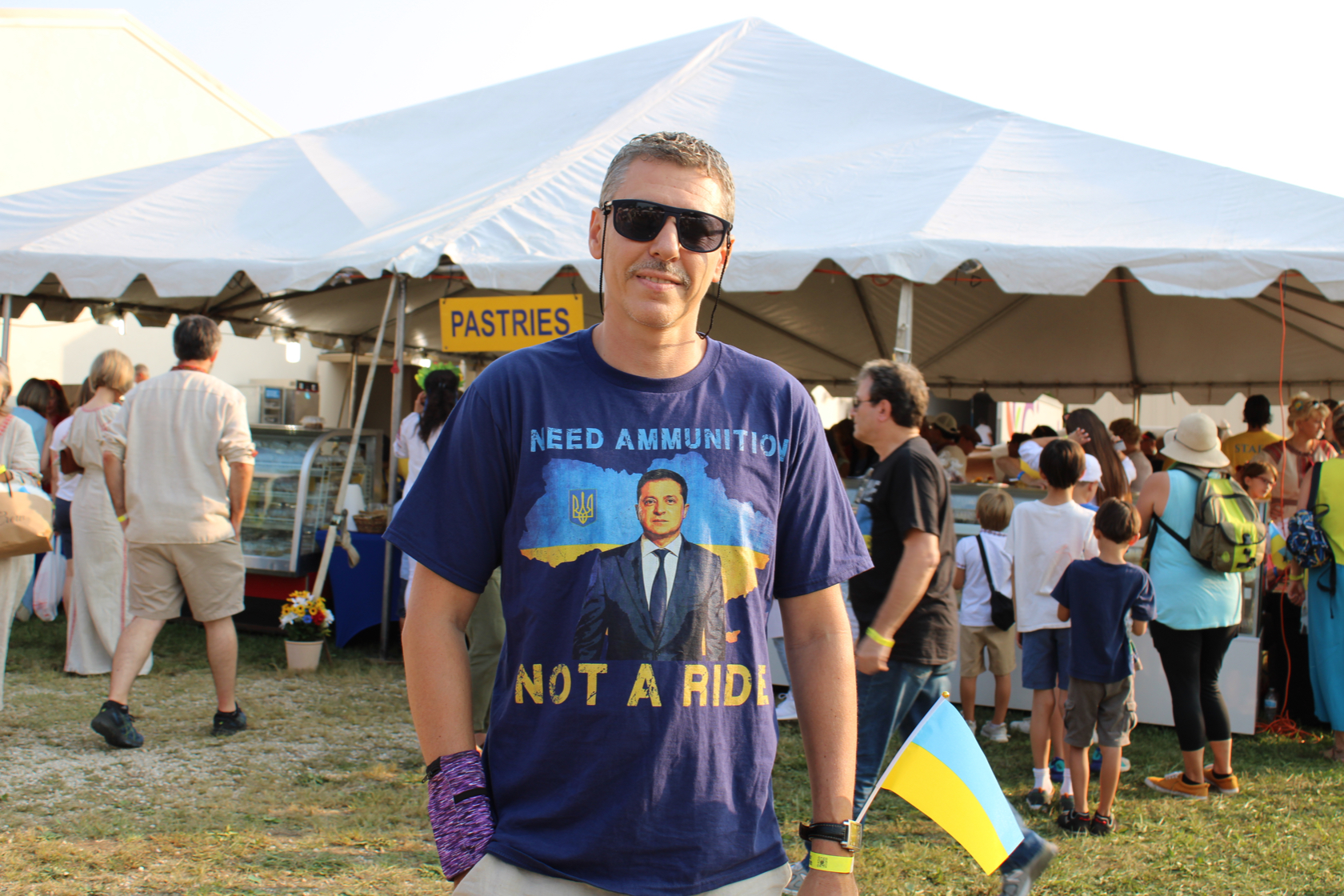
Among the festival attendees were Michael Balakirski, who was born and raised in Mariupol, Ukraine. He says he wasn’t surprised at such a large turnout for the event.
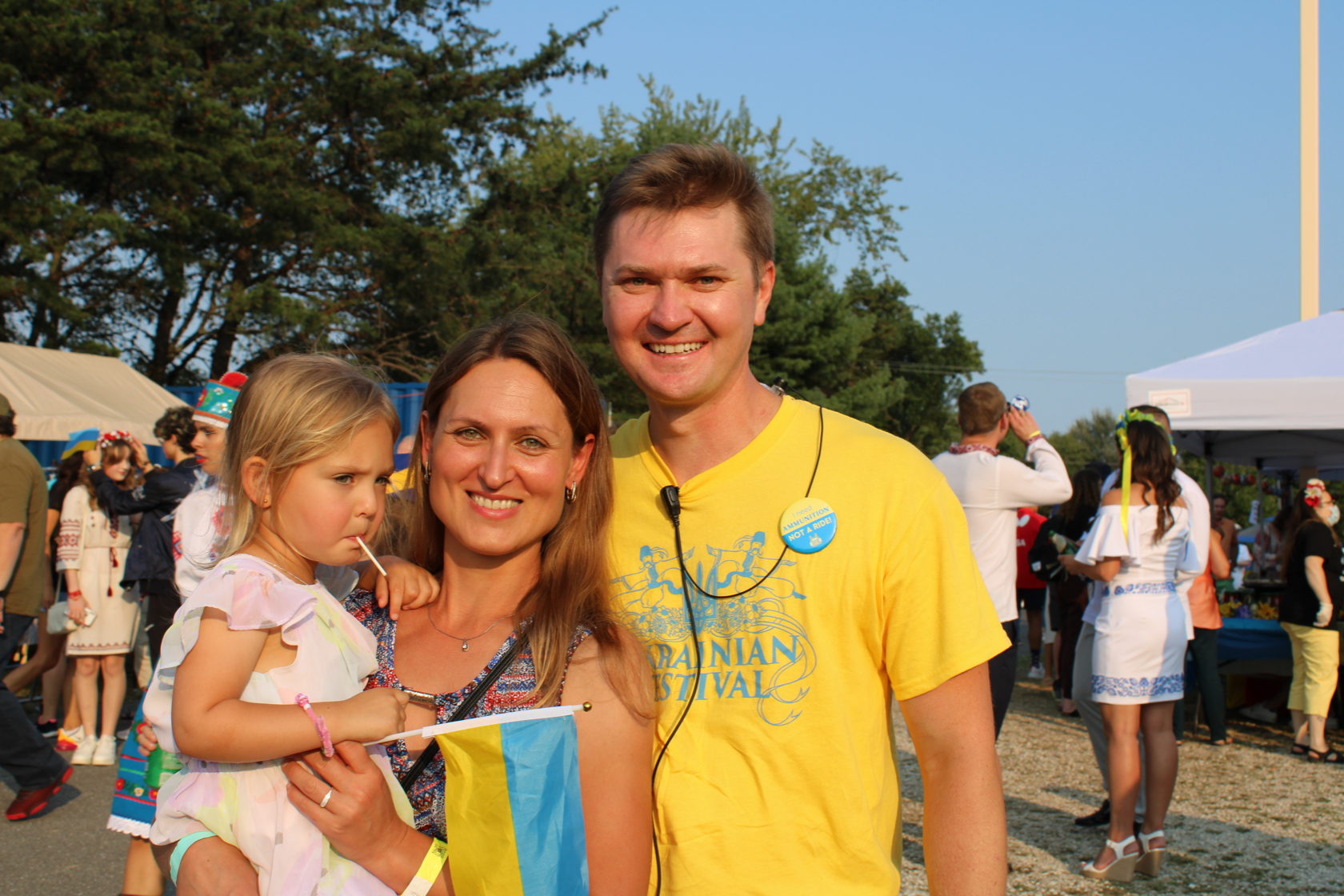
“I am proud because people are here, because they see what Ukraine and Ukrainian people [are] doing and the fighting back,” says Balakirski. He wore a t-shirt that read “I need ammunition, not a ride” – a quote from Ukrainian President Volodymyr Zelenskyy that has become a rallying cry among Ukrainians.
While the church has been organizing humanitarian aid for civilians and support for medical battalions on the battlefront, event organizers say most of the proceeds for the festival will be used to purchase and ship additional supplies into Ukraine.
Natalya Krawczuk is a vendor who sells traditional Ukrainian Easter eggs, an art form she says was previously banned in the days of the Soviet Union. In addition to donating her profits, she says she wanted to showcase Ukrainian identity at a time where it’s being threatened.
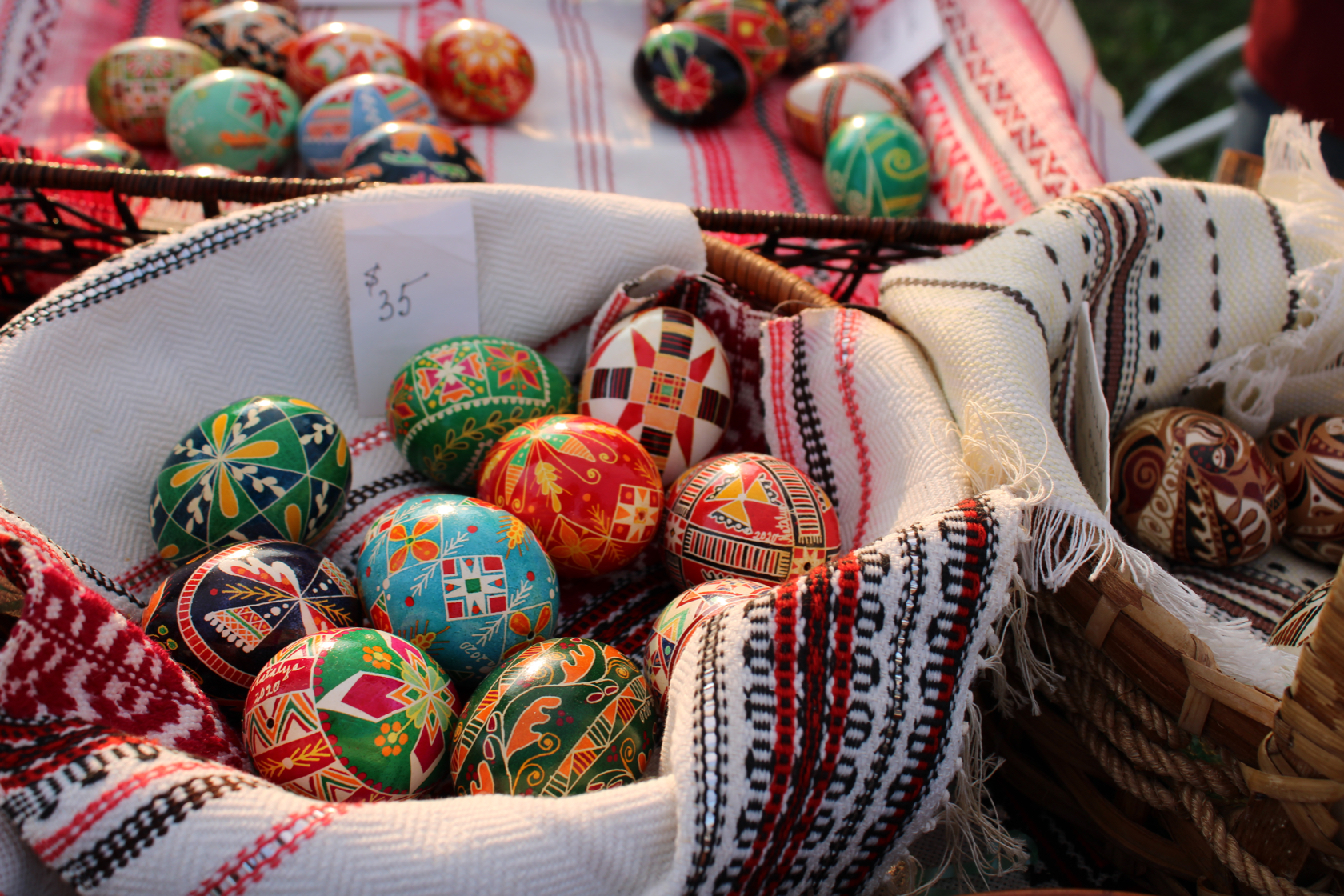
“We have our own culture. We have our own traditions. We have our own songs, our own art,” says Krawczuk, who lives in Silver Spring. “This is Ukrainian. So it’s important to recognize that we are independent. We existed before Russia existed.”
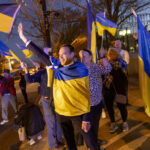
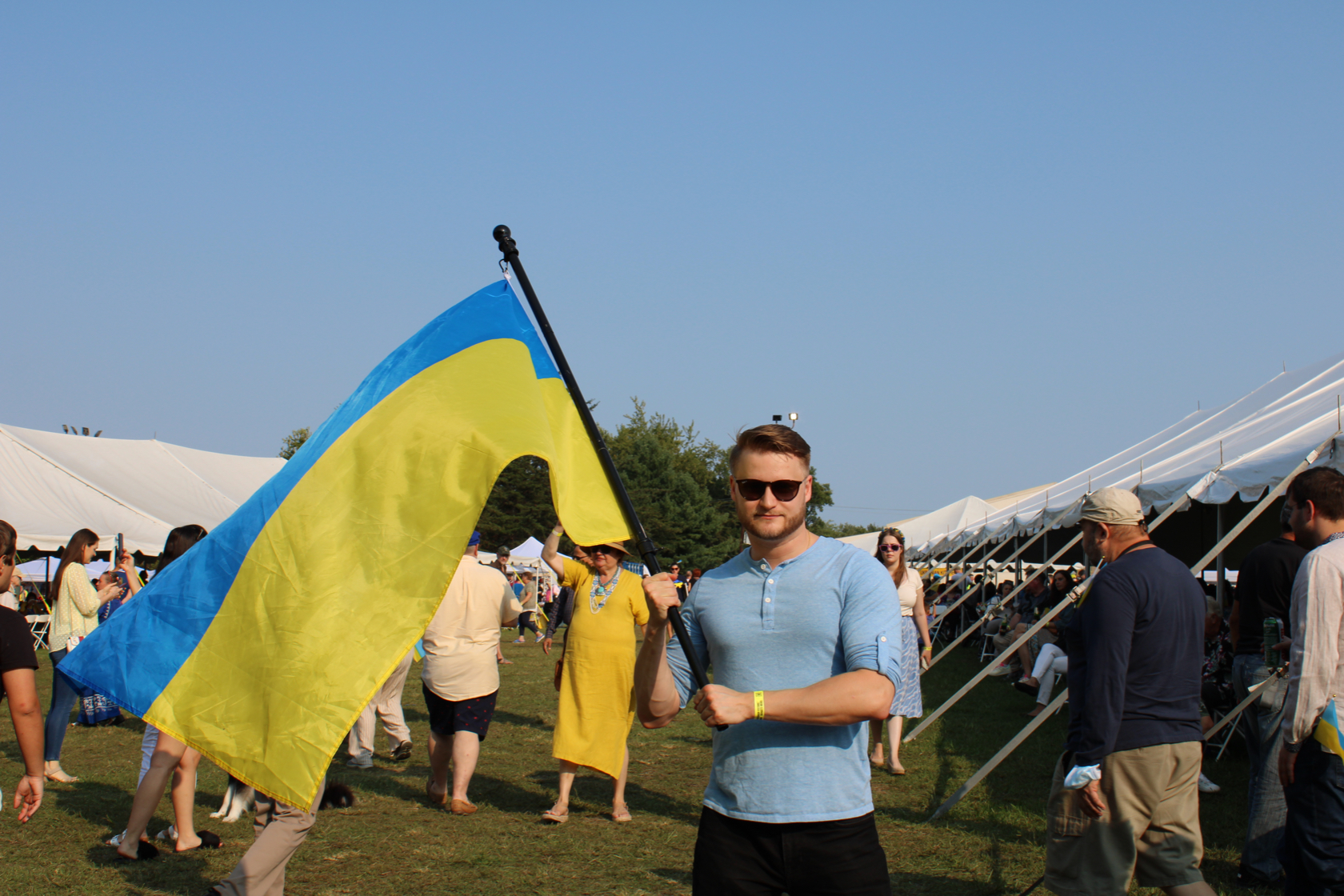
As a Russian, Timur Vafin says he opposes the war, and that Ukrainian independence must be protected. He came to the festival carrying a large Ukrainian flag in an act of solidarity.
“They need to preserve their culture. They need to promote it. They need to make sure that people are aware of it,” says Vafin, who lives in Reston, Va. “I’m carrying the flag because I want everybody to know that Ukraine is strong. Ukraine is powerful and they will win. So they will be free.”
Vafin is not alone. Mikhal Veshchev is also Russian and against the war. He has a daughter with his wife, Lena Veschev, who is Ukrainian. He says the war hit close to home when they lost a family member – a Ukrainian marine who died in Mariupol.
“I wish more Russians would support the Ukrainians and stop the war,” says Veshchev, who lives in Springfield, Va. and has been volunteering with the festival for 6 years. “You know people have dreams, hopes. They got kids and all of a sudden, you know, rockets are flying. People just die.”
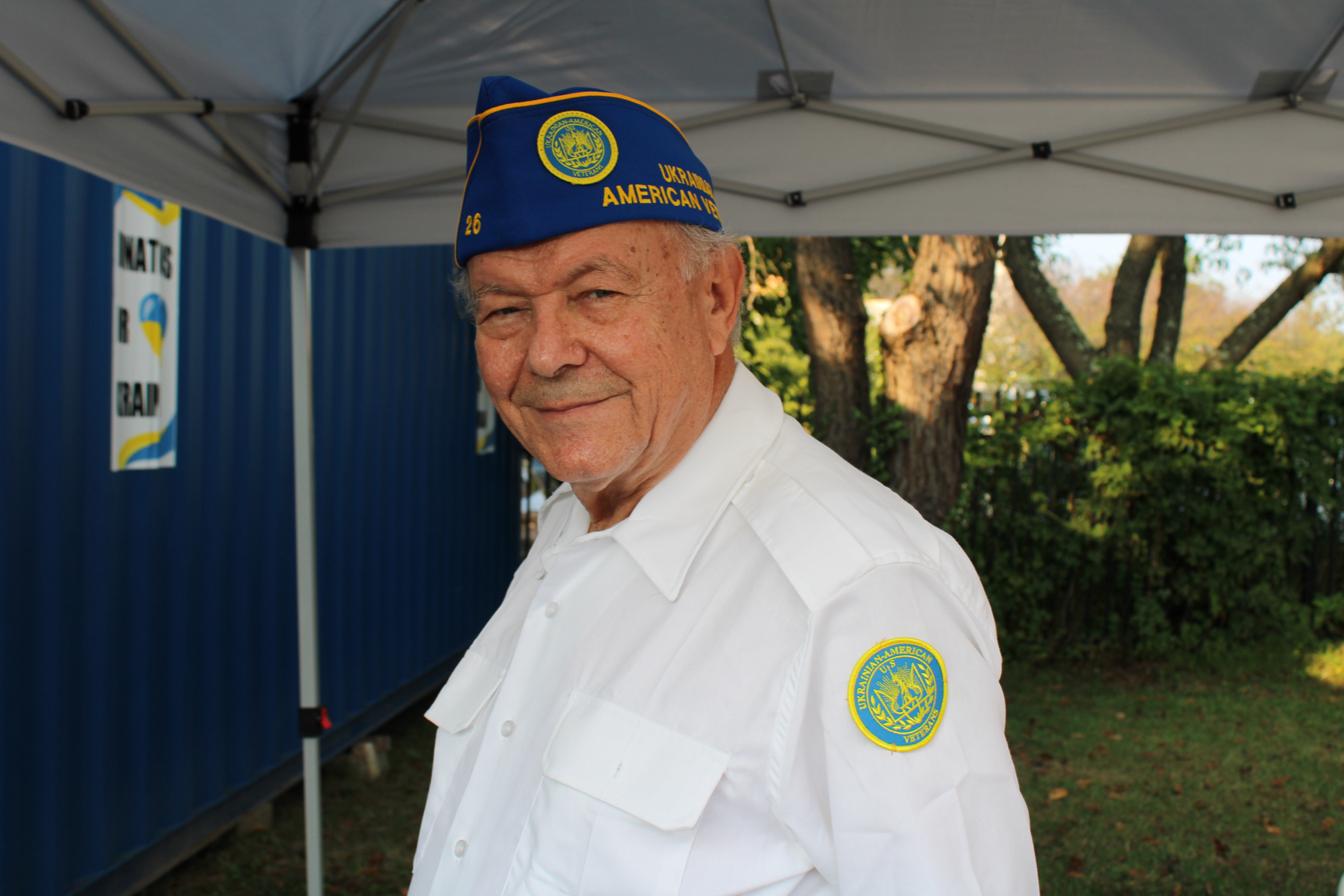
As a Ukrainian-American veteran, Jaroslaw Martyniuk says he hopes the fresh attention to the community can bring about support from the U.S. military and other NATO countries in the war.
“Ukraine is still in the headlines and I hope it stays in the headlines because the situation now is very critical, very critical in Ukraine,” says Martyniuk, who was born in Ukraine and has lived in D.C. for 20 years. “How do you negotiate with a genocidal maniac?”
Despite being thousands of miles away from home, and with seemingly no end in sight for the war, the festival provides a sense of hope for attendees like Svitlana.
She was visiting her daughter, Yanita, her son-in-law Xavier, and her grandchild in Landover, Md. when the war broke out in February. She and her family agreed to be interviewed by DCist/WAMU under the condition that her last name not be published out of fear for the safety of their family in Ukraine.
“It’s touched her heart to see so many people come here to listen Ukrainian music,” says Yanita, who translated for Svitlana. “It’s make her feel like home, even [though] she’s far away.”