Elliot C. Williams
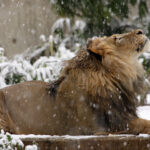
Nababiep, an 18-year-old female lion at the Smithsonian National Zoo, affectionately known as “Naba,” was “humanely euthanized” Monday, the zoo said in a statement released Tuesday.
Naba, who arrived at the National Zoo from a private reserve in South Africa in 2006 as a 2-year-old, began displaying dental issues in March. Zookeepers conducted tests that showed signs of chronic renal disease, which is common among aging lions, zookeepers said. Lions typically live up to 17 years in human care, per the zoo.
“Zoo veterinarians and an outside veterinary dental specialist treated Naba’s dental disease over the next few months, but despite intermittent improvements in her behavior and appetite, she continued to decline,” the zoo said.
Our team is grieving the loss of Nababiep, a female African lion affectionately called Naba, who was humanely euthanized Sept. 26. She was 18 years old. The median life expectancy for African lions in human care is 17 years. Read more about Naba: https://t.co/ayWMKW3D9l pic.twitter.com/IiW6x2alop
— National Zoo (@NationalZoo) September 27, 2022
With her rapidly declining health, zookeepers in the Great Cats facility and veterinarians determined further examinations would be too invasive and cause greater suffering for Naba. They “made the hard decision to euthanize Naba,” the release said. A necropsy revealed a large mass in Naba’s small intestine and a lesion in her brain. The zoo plans to release a final report in the next few weeks.
The Association of Zoos and Aquariums’ Species Survival Plan recommended Naba’s transfer to the National Zoo 16 years ago. Sister Shera and a male lion, Luke, accompanied her. Naba and Shera have been considered among the most “genetically valuable lions” in North America, the zoo said.
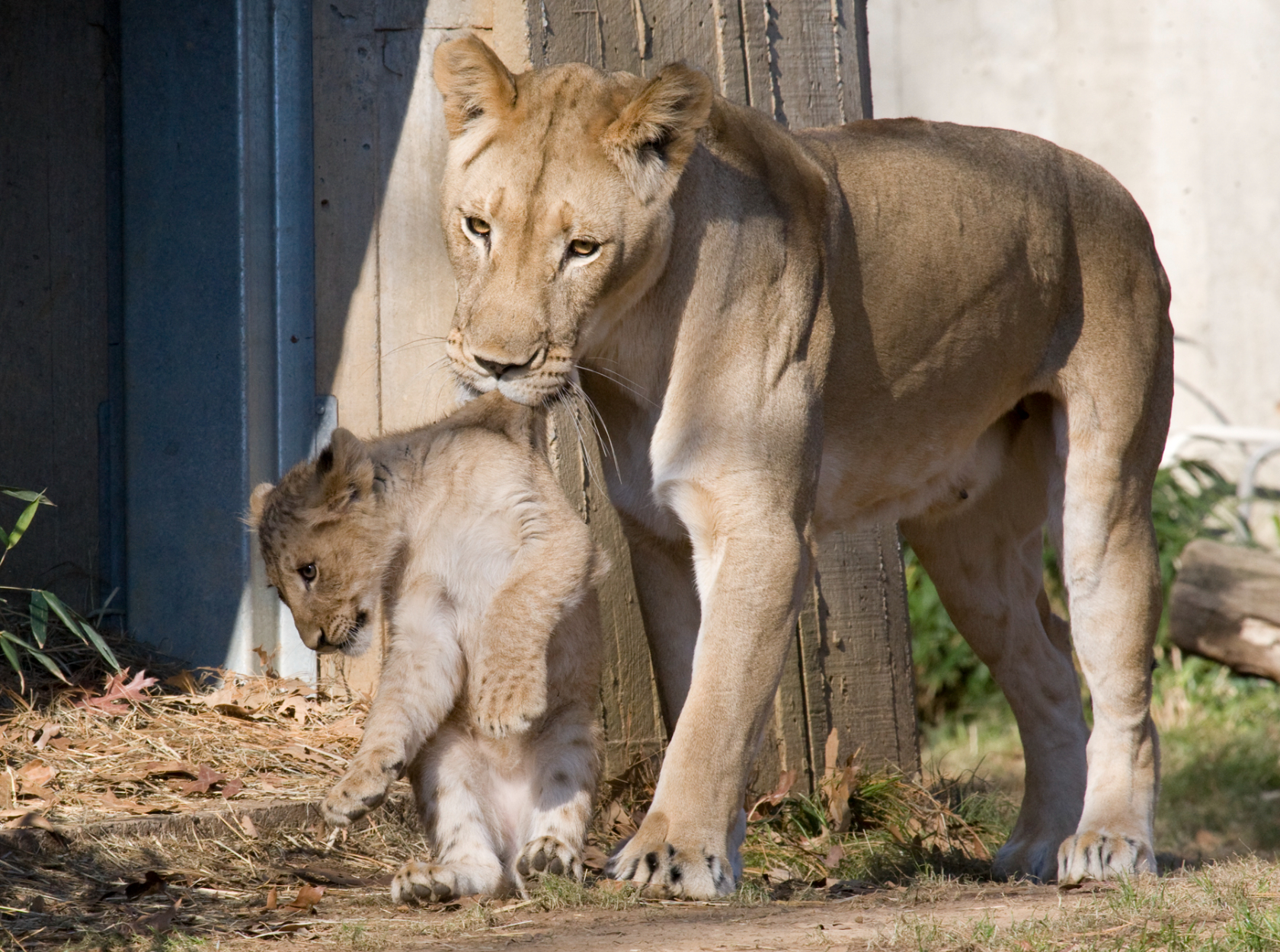
Naba gave birth to two litters, five cubs total, in 2010 and 2014, all of which were transferred to other North American zoos for breeding.
The worldwide lion population has declined by about a third over the past decade, with 20,000 remaining in the wild. The International Union for Conservation of Nature categorizes lions as “vulnerable.”