 Jordan Pascale
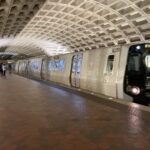
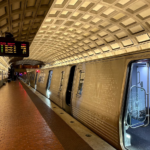
Metro has the green light to bring all the 7000-series trains back to the tracks, with restrictions.
The Washington Metrorail Safety Commission said Tuesday they agreed to Metro’s revised plan. The approval gives Metro the trains needed to open the Silver Line extension before Thanksgiving, eventually increase service on the crowded Red Line, and maintain service levels across the rest of the system.
Most trains have been out of service since last October after officials discovered an anomaly with the wheelsets of the 7000-series cars. The anomaly, where wheels moved a fraction of an inch farther apart than they were supposed to, contributed to a derailment of a Blue Line train last October. The trains have largely been sidelined for most of the year since.
The approved plan allows certain trains to only run on certain lines. The Safety Commission wants to isolate as many variables as possible. The 7000-series trains were first made with wheels that were pressed on at a lower pressure. Metro requested a change in the middle of manufacturing to have the wheels pressed on with more pressure. The low-press tonnage wheels were found to have an anomaly where wheels spread apart more often than the high-press tonnage wheels. The Safety Commission also was concerned about how tighter curves on the Blue, Orange, and Silver lines would affect the low-pressed wheels. They noted that “there are multiple contributing factors to this wheel migration… including factors that could differ across similar elements of the Metrorail system, and that wheel migration remains under investigation.”
The plan allows Metro to run more of their trains with specific requirements:
- Metro will continue to inspect the wheels every four days for now. Metro originally wanted to inspect them every seven days, which the Metrorail Safety Commission will allow after about a month or so.
- Metro can run newer 7000-series trains with wheels that were pressed on with more pressure on the Blue, Orange, and Silver lines for now.
- Metro can run 80 cars of the older trains with wheels that were pressed on with less pressure on the Red, Yellow, and Greens lines.
- Metro must submit data and analysis regularly.
- If things go well, Metro could then use trains with lower-pressed wheels on all lines and inspect the trains every seven days instead of every four.
- Metro will inspect trains every week for at least 60 days before requesting a more lenient inspection interval. Metro has previously said 10 days is enough to catch any wheel movement. Before the derailment, Metro used to inspect train wheels only every 90 days.
WMATA General Manager Randy Clarke said the news will allow him to set a firm opening date for the Silver Line extension in the coming days.
“I want to thank the Safety Commission for their collaboration on reaching this important safety milestone, so we have a clear path forward,” he said in a statement. Metro’s board has the authority to set the opening date but delegated that task to Clarke. The transit agency wants to get the six new stations, including Dulles Airport, open before the busy Thanksgiving travel season. Metro and other local bus agencies say they need three weeks to coordinate bus route changes, fix signage, and update their schedule data to feed real-time bus arrival apps.
“This is a win for customers, and we are grateful to senators Warner and Kaine for their leadership to reach an agreement that will safely return more 7Ks to service,” Metro Board Chair Paul Smedberg said in a release.
The senators, in a joint statement, said they were pleased to see a plan that will “allow more 7000 series cars back on the tracks ahead of the busy holiday season. This plan, if carefully followed, will allow the safe and timely opening of the Silver Line to Dulles by Thanksgiving, assuming the remaining routine matters are handled diligently. Once open, the Silver Line will alleviate road congestion and enhance access to economic, entertainment, and travel opportunities in the region—all without compromising rider safety.”
A Metro spokesperson said the agency did not yet have details on how and when it will address crowding on the Red Line but will tackle that problem after the Silver Line opens. Metro could reduce wait times, currently at 10 mins, by adding more trains or it could replace older six-car trains on the line with more of the newer 7000-series eight-car trains.
Metro previously said it would take a bit to scale up to budgeted service with trains:
- Every 5 minutes on the Red Line and every 10 minutes on other lines during rush hour
- Every 6 minutes on the Red Line and every 12 minutes on other lines during non-peak hours.
- Every 10 minutes on the Red Line and every 15 minutes on other lines after 9:30 p.m.