 Rebecca Cooper

When Arena Stage Artistic Director Molly Smith announced in June she would retire in July of 2023 after 25 years with the influential D.C. theater, shockwaves went through the Washington theater scene.
But three months later, when Arena declared that Smith would direct one last show, a meditation on reproductive rights, women’s bodily autonomy, and choice — few were surprised.
That’s because Smith is no stranger to activism. She and her partner, Suzanne Blue Star Boy, organized one of the earliest protests for gun control in Washington after the Sandy Hook school shooting in 2012. She also staged a reading of part of the Mueller report at Arena Stage in 2019, because “somehow reading it in concert with each other as opposed to reading it in the comfort of your home, made it a democratic act,” she says.
At Arena Stage, she pushed the theater company to produce more work by people of color, and about one-third to half of each season’s content has highlighted those voices during her tenure, she says. She also led Arena to produce one of the the first productions of Oklahoma in the country with a diverse cast, as well as a new version of Anything Goes that removed or changed outdated racist and misogynistic references.
With My Body No Choice — a heartfelt, and at times heart-wrenching series of monologues currently running in Arena’s Kogod Cradle theater — Smith has taken on another democratic act, a work that is meant to be “a demonstration and a protest,” she says. The eight monologues, written by a star-studded list of American women authors, touch on abortion access, weight and age discrimination, end-of-life decisions, and many more issues of choice.
The production — put on by an all-woman cast and crew — will run at Arena until just before Election Day. In an effort to spread its message far and wide, it is also being staged in single performances at 20 locations around the country. Smith will retire when Arena’s current season ends in the summer of 2023. We spoke with her about My Body No Choice, her career in D.C., and what she’s looking forward to next.
The interview has been edited for brevity and clarity.
DCist/WAMU: How did you come up with the idea for My Body No Choice?
Molly Smith: As soon as the Supreme Court squashed Roe v. Wade, I was devastated. And then suddenly the idea came: Of course, I’ll make a theater piece about it. It seemed like the ideal thing to do, because you can read things in a newspaper, you can hear things on the radio, you can see things on television. But there is nothing like the live event to see real, live women in front of you telling their stories.
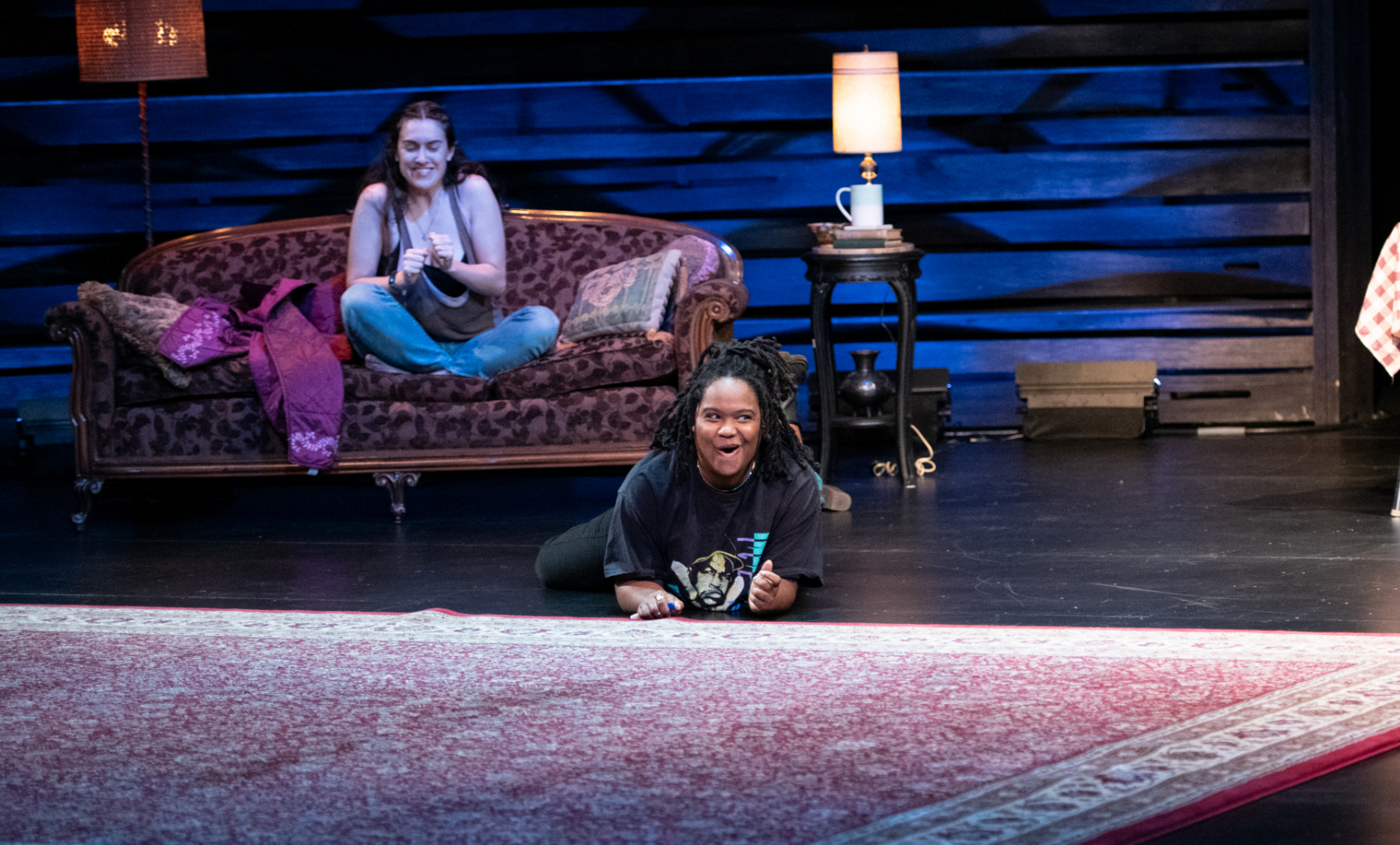
What did you ask the writers to focus on? I really encouraged them to think of a time when they or someone in their lives was unable to make a choice about their bodies, or when they were able to make a powerful choice around their bodies. What was fascinating about it is, I found the monologues all unexpected. They were all completely different. But they are powerful. Potent, funny. Wild, idiosyncratic, unexpected. Just like women are.
Did you intentionally choose this to be your swan song in terms of directing? Absolutely not. I wasn’t going to be directing this season, but when the Supreme Court decision happened, there was no way I would stay silent.
You’ve mentioned the timing of this show, leading up to the midterm election, being paramount. Do you think that a theater piece can actually sway an election? What I found happens, when people come and see the production, is I’ve gotten emails from people saying, ‘Oh my God, I saw this. I sat up until late into the night talking to my son about stories I haven’t told anybody yet.’ I think this is a moment where if women are really telling their stories, it ends up being very much like what happened before [the] Obergefell [gay marriage Supreme Court case] when gay people went out and told their relatives, their neighbors, their friends that they were gay.
I think the same thing needs to happen with these important stories out of women’s lives. Because people will then think about what’s happening with women’s bodies, think about … losing control over who you are, basically. And that’s why I think it’s such an important time to do this.
But do you think the audiences choosing to attend this show are the ones you need to convince? Even in a place like Washington, D.C., which is overwhelmingly liberal, we need to be able to stiffen our backbones. I see what’s happening now in the country. When this right was taken away, four months ago, there was a huge hue and cry. And now there’s less. I want people to be reminded what’s at stake.
There was a young woman who came up to me after opening night, a young college student who said, ‘Thank you for giving me strength tonight. And now I’m prepared to go back to my college campus and speak out.’ That’s what I would love to have happen with this production.
You’ve often spoken about your life being at the intersection of art and politics. Given the current political climate, do you have reservations about retiring now? The ideas and the issues that are facing America are profound, deep. Difficult and complex. And I know that there are artists that are fiercely engaged with the ideas of right now, and I know that is going to continue because theater people are fierce. And what I will continue with is the kind of work that I’ve always done, and I’m sure I will continue to be active in all areas of the community and in ensuring that America remains democratic.
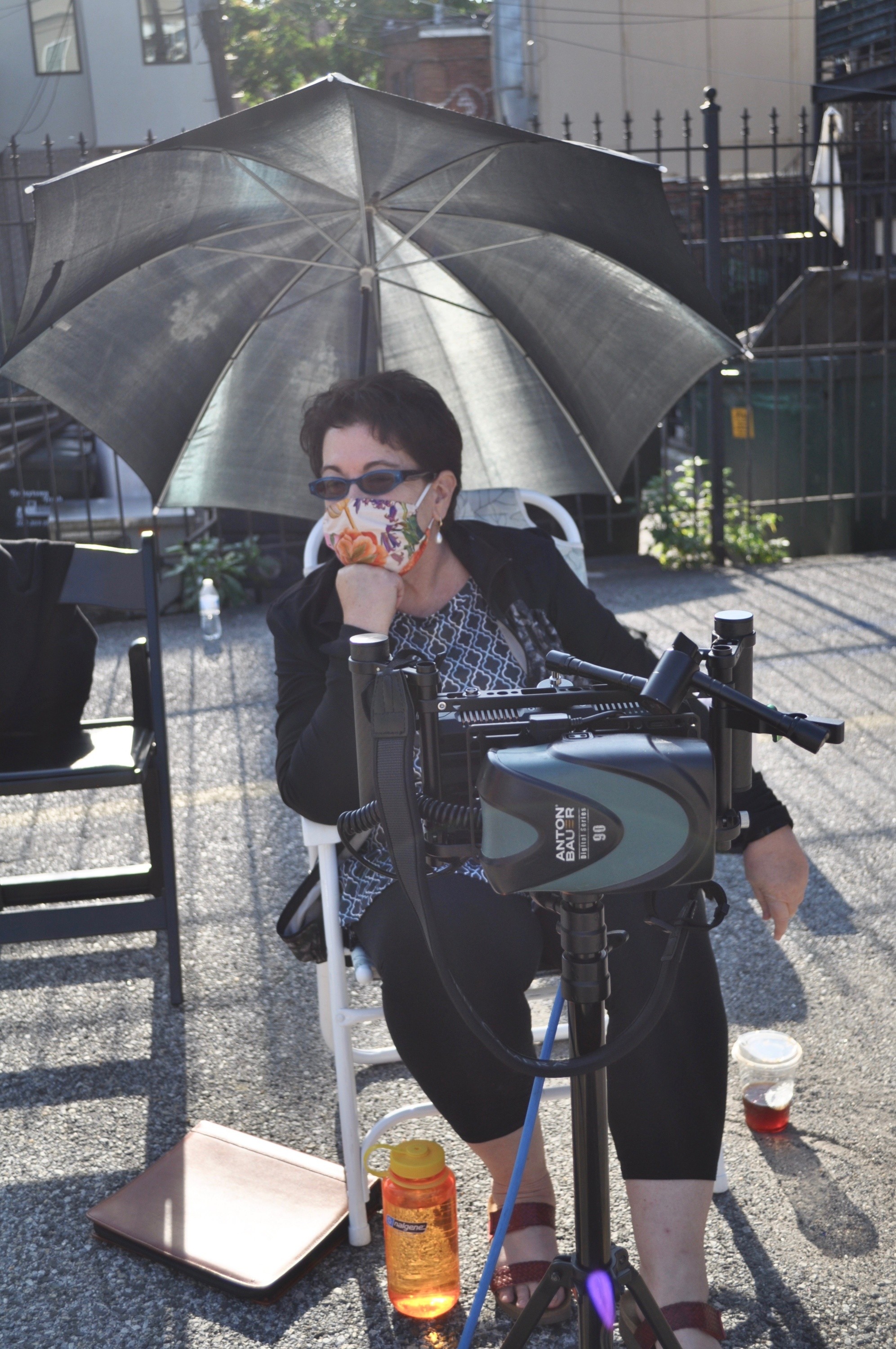
D.C. theaters increasingly seem to be taking on more thorny political issues. How have you seen the local theater scene change over the past 25 years? When I wanted to wade into political work, people advised me against it. They said, ‘nobody here in D.C. does that. People won’t want to see it.’ And it was like, so, so wrong. And I think since we’ve been doing it and doing it successfully, more theaters have seen that, and shifted.
I mean, really great theater communities are like grapes. We grow in bunches and we affect each other. And I think as more and more of our systems have broken down in the country, writers are more interested in writing about them. And here’s the truth. Many of the systems have been broken for decades, hundreds of years. So there’s always been plenty to write about.
What’s one of your proudest moments at Arena? I mean, certainly the building and the creation of Arena Stage at the Center for American Theater, that was 12 years of my life. Ensuring that the design was this combination of beautiful and useful … making sure that those designs were right for the artists, right for the staff, right for audiences, right for everybody. And it really is. It is one of the great centers in the country, and it works like a top. There’s an electric vibe that just runs through the building.
What are you looking forward to in retirement? Before I came to Arena, from Perseverance Theater in Alaska, I used to travel all the time. I went around the world twice. And when I came to Arena 25 years ago, I continued traveling some. But I didn’t do that kind of deep travel that I’m hungry for. So now it’s really time to do that again. My partner Suzanne and I have a cabin in Alaska, so we’ll spend more time there and more time traveling and of course, will be here in Washington a lot, too, because I’m a Washingtonian. I love this city. I love its vitality, the people who live here, the ideas that are here, and the fact that it is always percolating.