 Sarah Y. Kim
 Callan Tansill-Suddath
Democrat Wes Moore, an Army veteran, author, and former CEO of the Robin Hood Foundation, will be Maryland’s next governor, beating Dan Cox, a Trump-endorsed Republican state delegate. The Associated Press called the race for Moore at 8 p.m., just after polls closed in the state.
As of 9:50 p.m. on Tuesday, more than 920,000 gubernatorial votes have been counted, according to unofficial results from the Maryland State Board of Elections. Moore’s ticket has won about 61 percent of those votes — Cox’s has won about 35 percent.
A first-time candidate, Moore is set to be Maryland’s first Black governor, and only the third elected Black governor nationwide – the first two were former governors Deval Patrick of Massachusetts and L. Douglas Wilder of Virginia. Out of 2,074 election day precincts, 46 have reported.
His running mate, Aruna Miller, a former state delegate representing Montgomery County, is the first immigrant and woman of color to be elected to a statewide office in Maryland.

Maryland has two registered Democrats for every Republican, and the most recent polls showed Moore leading by over 30 percentage points. But Democrats weren’t taking anything for granted. President Joe Biden made a final push for the Moore campaign while stumping for Democrats in Bowie Monday night.
Moore will be the first Democrat to serve as governor in the state since 2015. He succeeds Larry Hogan, a Republican who, despite eight years of battling with the Democratic supermajority in the General Assembly, managed to achieve steadily high approval ratings throughout his tenure.
Prior to the election, Cox avoided questions about whether he would support or challenge the gubernatorial election results. He has supported the baseless claim that President Biden stole the 2020 presidential election, and he organized a group to participate in the Jan. 6 insurrection.
In July, Moore emerged victorious from a crowded primary race, earning particularly strong support in Maryland’s majority Black jurisdictions, including in Prince George’s County, where he secured nearly 60,000 votes – twice as many as runner-up Tom Perez.
Shortly after Moore’s victory, Hogan tweeted that he had spoken with and congratulated his would-be successor. Hogan, who had backed Republican candidate Kelly Schulz in the primaries, never endorsed Moore, while also bashing Cox and calling him a “QAnon whack job.”
“Our team is committed to ensuring a smooth and orderly transition to the next administration, and I look forward to meeting with the governor-elect in the coming days,” Hogan said.
Cox did not immediately concede on Election Night. Reporters were barred from interviewing attendees of Cox’s watch party.
https://twitter.com/LeeOSanderlin/status/1590152606965723137
The chances of Cox conceding on Tuesday seemed to grow less likely as the night progressed. Cox’s daughter, Patience Faith Cox, urged watch party attendees not to worry and that they shouldn’t believe in the results. She added that it was an opportunity for the “media to try and prove their fake polls that they made up.” The crowd cheered in response.
However on Wednesday, Cox’s campaign issued a press release recognizing Moore as governor-elect, saying that Cox had called Moore to congratulate him.
“I wish Governor-elect Wes Moore and Lt. Gov-elect Aruna Miller and their families every blessing and success to ensure that he will keep his word and govern positively for all Marylanders. I will pray for them and their new role for all of us,” Cox said.
Cox went on to say that Moore’s victory was “a complete surprise” and that his campaign “always felt it might be a close race,” despite polls suggesting otherwise. He claimed “internal data” — which he did not elaborate on or cite — demonstrated a “massive shift of swing voters” and a huge Republican turnout in the predominantly blue state.
“We are struggling to understand how Maryland could fail to turnout to vote on the GOP/unaffiliated side as is now being reported,” he said.
Cox went on to call former President Trump an “American hero” and credited him for helping him fundraise for a “competent and successful race.” He then criticized Hogan for his “failure to step up to support his party nominee and all its voters.”
“Governor Hogan’s disrespect of the people of Maryland in his own party will go down in history as disqualifying him from any future office as a Republican,” Cox wrote. He added that the governor’s COVID-19 measures were “lunacy” and that he sought “possession of children’s bodies for experimental vaccines.”
Congress
In the state’s most competitive congressional race, incumbent Democrat David Trone narrowly beat Republican state delegate Neil Parrott to represent Maryland’s sixth congressional district. The Associated Press called the race on Friday, 2:31 p.m. EST.
About 92 percent of votes have been counted, according to the Washington Post’s live results tracker. Of those votes, Trone won 50.38% of the votes, and has a lead of just under 1 percent over his opponent, state election board data shows.
The race did not look promising for Trone earlier this week. Parrott maintained a slight lead over Trone throughout Election Night and for the following days, but the results were still too close to call until Friday. The tide began to turn in Trone’s favor, however, as the board counted more mail-in-ballots.
This is not the first time Trone and Parrott ran against each other to represent the 6th District. In 2020, Trone beat Parrott easily by about 20 percentage points. Since that election, however, redistricting transformed what was previously a reliably blue district into a competitive one.
Parrott conceded the election Friday, and called Trone to congratulate him on his victory.
“While this wasn’t the outcome we wanted, it isn’t a defeat and it isn’t the end,” Parrott said in a statement. “We unified the Republican Party in western Maryland. We faced an overwhelming spending disadvantage that scared national Republicans.”
Trone had an edge over Parrott in fundraising. A multimillionaire business executive, he spent about $12 million on his own election campaign and raised about $13 million. Parrott, meanwhile, raised about $800,000.
Parrott, whom Trone has called an extremist “in Marjorie Taylor Greene land,” campaigned on promises of mitigating inflation and supporting bills that would ban abortions nationwide after 15 weeks with exceptions for rape, incest, or the heath of the pregnant person. He is also opposed to same-sex marriage and has opposed a legislative ban on “conversion therapy” that seeks to change a person’s sexual orientation or gender identity.
Parrott has had the backing of prominent Republicans like Sen. Ted Cruz, who showed up and spoke at a rally for Parrott in late October. Gubernatorial candidate Dan Cox was also at that rally. In 2020, Parrott joined Cox in filing a lawsuit against Hogan for implementing a stay-at-home order to mitigate the spread of COVID-19. A federal judge rejected that suit.
At 10:54 p.m., the Associated Press called victory for incumbent Jamie Raskin, Democrat and U.S. Representative for Maryland’s 8th congressional district, which includes parts of Montgomery County. Shortly after, the Associated Press also called victory for Republican Andy Harris, the incumbent in the U.S. House of Representatives in the 1st District, which covers the Eastern Shore, among other areas. By 11:30 p.m., the AP had also called the 4th congressional district, which includes parts of Prince George’s County, for Democrat Glenn Ivey.
The Associated Press also called the race for Democrat Chris Van Hollen, who won reelection for his second term to the U.S. Senate, beating Republican opponent Chris Chaffee. Van Hollen, who was expected to win in the heavily blue state, has served as U.S. Senator since 2017.
Attorney General
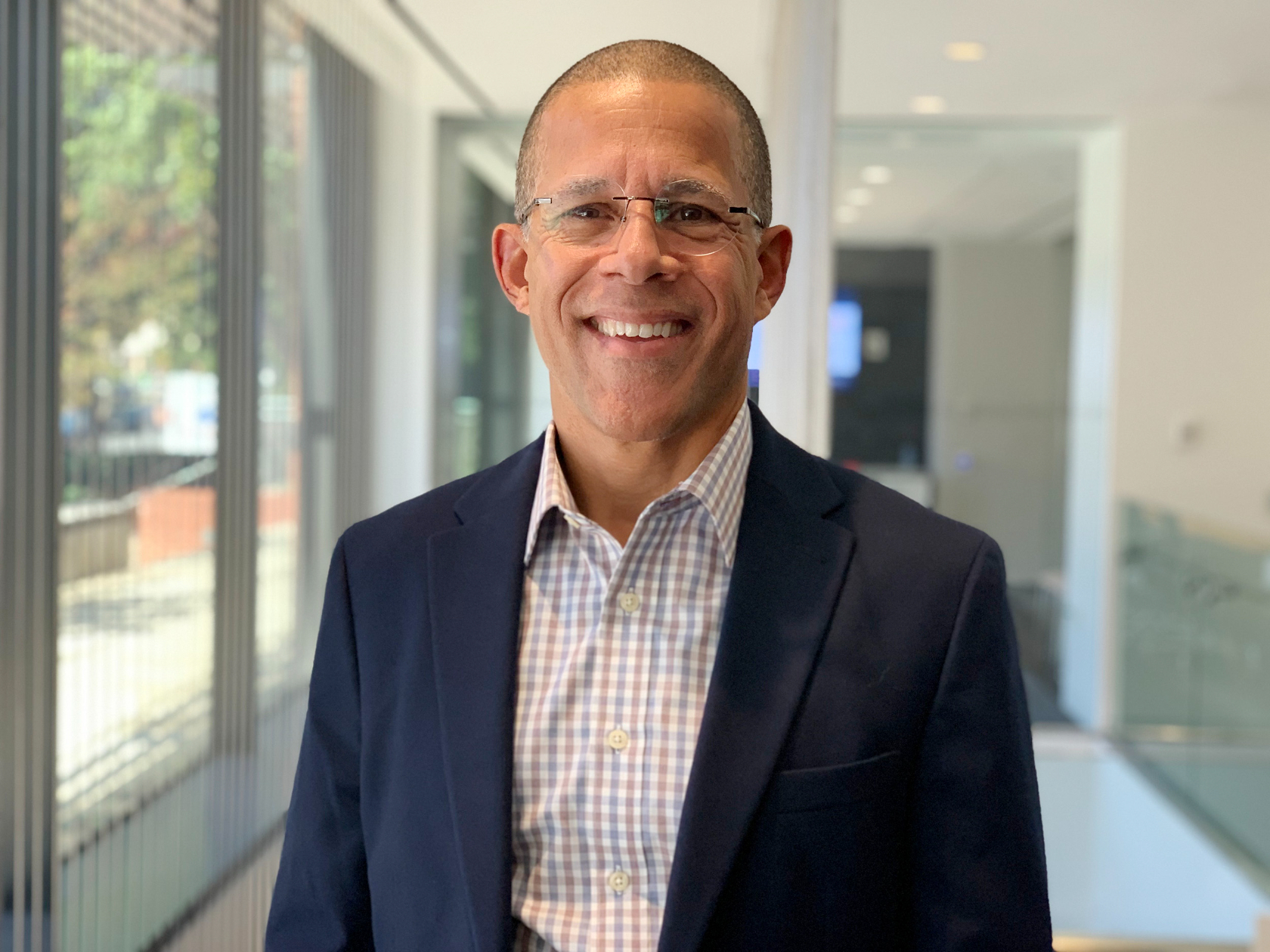
Attorney General-elect Anthony Brown, a Democrat representing Maryland’s 4th District in the U.S. House, will be the state’s first Black attorney general. The Washington Post projects Brown prevailed over far-right
Republican opponent Michael Peroutka, a former Anne Arundel Councilmember who has raised doubts about whether or not the 2020 presidential elections were stolen.
As of 11:22 p.m., Brown has won nearly 60% of votes, according to unofficial results from the State Board of Elections. More than 1.4 million ballots have been counted.
“Tonight, our state showed the country what Maryland’s values are all about,” Brown’s campaign said in a statement on his projected win. “We reject hate, conspiracies, and division. We embrace our differences and see each of our neighbors as deserving of respect. And we value fairness, safe communities, and a level field where every family has an opportunity to get ahead.”
Leading up to the elections, joint polling by Goucher College, the Baltimore Banner, and WYPR showed Brown had a 22 point lead over his opponent.
Brown, a former two-term lieutenant governor who lost to Hogan in the 2014 gubernatorial election, will be taking the mantle from Democrat Brian Frosh, who is retiring and served as attorney general since 2015. Brown’s priorities include expanding voting access, legalizing recreational marijuana nationwide, gun control, and making Maryland a “safe haven” for those seeking abortion.
Comptroller
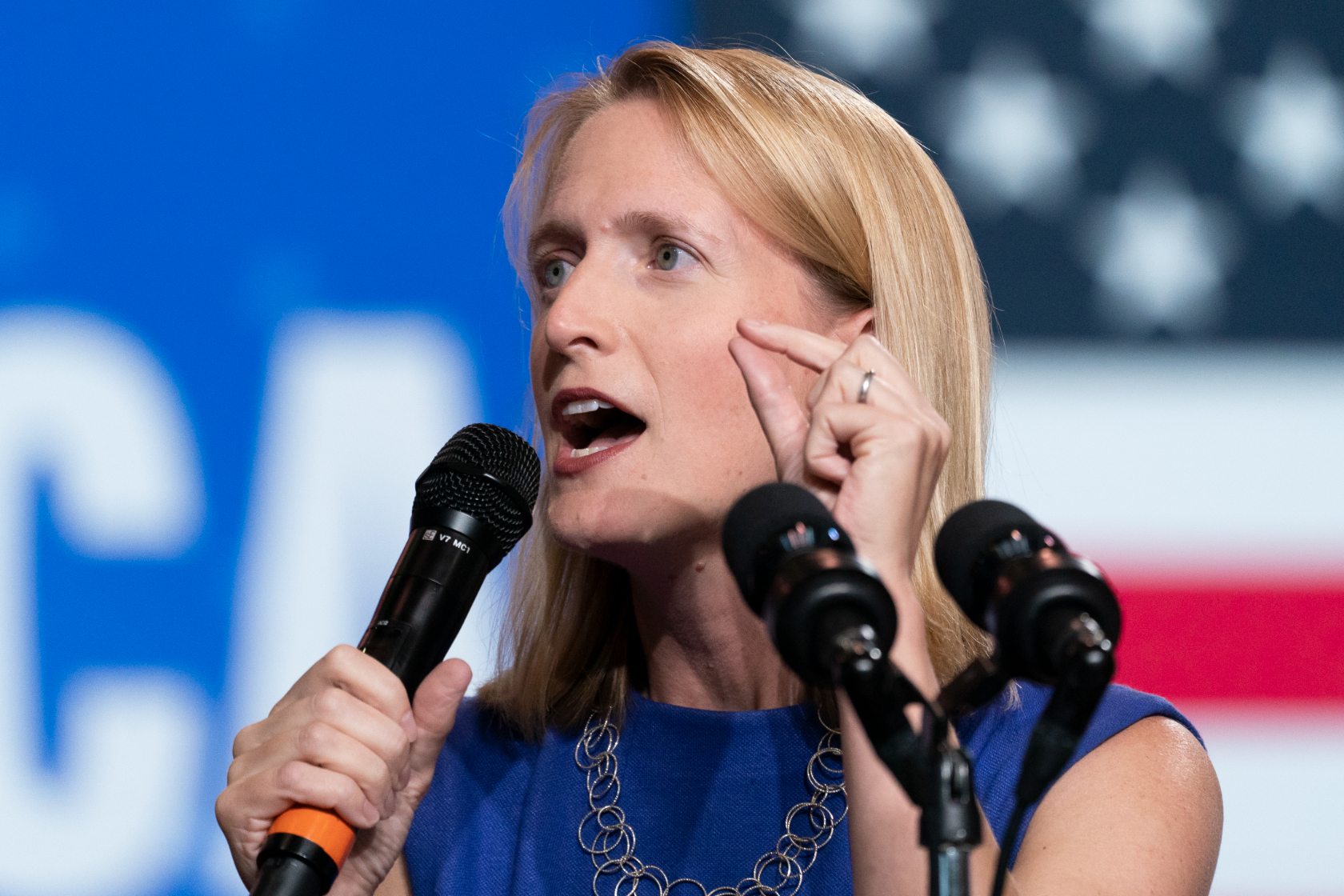
In another historic vote: Brooke Lierman (D), civil rights attorney and a state delegate since 2015 from Baltimore City, will be Maryland’s first ever female state comptroller.
Lierman beat Republican running mate, Harford County Executive Barry Glassman. Glassman campaigned as a moderate Republican – though his progressive critics, including Lierman, would dispute that label – and was the only statewide GOP candidate to secure Hogan’s endorsement.
Unofficial results from the State Board of Elections show that as of 12:45 a.m. Wednesday, Lierman has won at least 56 percent of more than 1.4 million counted votes. The Associated Press has not called the comptroller race yet as of midnight, but outlets like the Washington Post have projected her win and Lierman has declared victory. Glassman has conceded, congratulating his opponent.
“Special thanks to all of the Marylanders who supported my bid for comptroller. Although it was unsuccessful, I am proud of our campaign and the positive message we presented,” he said in a statement.
As a Democrat, Lierman was projected to beat Glassman. A recent poll by Goucher College, the Baltimore Banner, and WYPR showed that she had a lead by 13 percentage points. Her projected lead, however, was narrower than the ones Moore and Brown had over more extreme GOP candidates Cox and Peroutka. Had Glassman won, he would have been the first Republican comptroller of Maryland in more than a century.
The comptroller is the state’s chief financial officer, collecting taxes, overseeing the state’s pension fund, and serving on the Board of Public Works. Lierman has said she wants to “reimagine” the role as an advocate for residents, telling WAMU’s Kojo Nnamdi that issues like climate change, gun control, and workers’ rights are “central to the comptroller’s mission.” Glassman has pushed back, saying those issues are the responsibility of the governor and the legislature, and that the comptroller is not a partisan role.
Ballot Question 4 Legalizing Recreational Marijuana
Recreational marijuana is now legal in the state, according to a call by the Associated Press. As of 9:30 p.m. on Tuesday, nearly 65 percent voted in favor of Question 4, the referendum on the ballot that approves legislation state lawmakers passed this year allowing people 21 years of age or older to possess, use, and grow small amounts of marijuana.
The referendum was expected to pass – a Goucher Poll in March showed that 62 percent of Maryland residents supported legalization.
Eugene Monroe, chairperson of the Yes On 4 campaign in Maryland and former Baltimore Raven, says that this moment is “monumental” – one that he and other advocates have pursued for years.
“The people in Maryland have waited far too long,” he says.
Monroe says this is an opportunity to bolster the local economy and create new jobs. He also says tax revenue from regulating the industry could be spent instead on education, public health, and public safety. Law enforcement would be able to focus more of its limited resources on tackling violent crime.
More than a thousand people were arrested last year for marijuana possession in Maryland. Officers across the country tend to disproportionately arrest Black residents even though Black and white residents use marijuana at similar rates.
It’s still unclear how long it will take lawmakers to set up the industry and how it will be regulated and taxed. It took years to do so when medical marijuana became legal in Maryland in 2014. Monroe says it’s critical that Maryland creates “equitable opportunity” for new operators and Black-owned businesses.
That was not the case with the medical marijuana industry: the state initially did not issue any of its limited licenses to Black-owned businesses, despite the fact that about one third of Maryland’s population is Black. Dispensaries are also not equitably located. In the majority Black city of Baltimore, for example, the vast majority of dispensaries are located in wealthier, mostly white neighborhoods.
Monroe says he anticipates a greater push for equity this time, and hopes that this time the legislature will move faster to set the industry up.
“Just hoping there is a clear pathway for those tax dollars to reach those communities in Maryland that have been disproportionately damaged by the drug war,” he says.
Prince George’s County
Nearly every local seat was effectively decided in the Democratic primary in July, and many of the contests had a single candidate running unopposed. The County Executive, the highest seat in the county, ran unopposed after dominating her primary with more than 90% of the vote. Of the county council races, only one candidate faced a challenger. There were not many surprises in the Prince George’s County elections, but that doesn’t mean there will not be changes as a result of it.

Unopposed incumbent Democrat Angela Alsobrooks skated to an easy win, claiming her second term as County Executive in Prince George’s County.
Alsobrooks’ focus these last few months has been on public safety. In Sept., after a wave of violent crimes in the county, Alsobrooks took drastic action by reinstating a curfew for residents under 17 for the first time since 1995. Last month, the nominees she submitted to form the county’s inaugural police accountability board – which will review internal and external complaints about officer misconduct and will replace the citizens complaint oversight panel – received preliminary approval from the county council.
But the issue closest to Alsobrooks’ heart has, from the beginning of her tenure, been improving the county’s public schools. This is an effort she appears poised to continue during her next four years in office. A longtime supporter of the Blueprint for Maryland’s Future, Alsobrooks must also now deal with the effects of COVID-19 on students in a county where income inequality is rampant and kids’ are struggling with their education and mental health. This past spring, she was instrumental in the opening of a new mental health facility at the MedStar Southern Maryland Hospital Center in Clinton.
Alsobrooks received endorsements from The Washington Post, Planned Parenthood, the Prince George’s County Educators Association, and multiple labor unions, among others.
State’s Attorney Aisha Braveboy, a Democrat who ran unopposed, easily held on to her seat as the county’s top prosecutor for a second term. A native of Prince George’s, Braveboy’s time in the role has been defined by her commitment to restorative justice. During her tenure, the State’s Attorney’s Office has platformed issues such as protecting voters’ rights for inmates and reducing the jail population during the COVID-19 pandemic. Her office helped create the Our Streets, Our Future initiative aimed at reducing gun violence within the county through a multifaceted approach involving violence interrupters and mentorship programs.
Prince George’s County Council
The Washington Post projects incumbent Democrats Mel Franklin and Calvin S. Hawkins, both of whom ran unopposed, will retain their At-Large seats on the council.
Franklin, who has served on the council since 2010 and in the at-large role since 2018, has focused on strengthening public schools, reimagining the county’s approaches to criminal justice and mental health treatment access, and expanding resources for seniors. Hawkins, who has served on the council since 2018, is one of the county’s leading voices on mental health reform and prisoner reentry programs.
The Washington Post projects Tom Dernoga, Wanika Fisher, Eric Olson, Ingrid S. Harrison, Jolene Ivey, Wala Blegay, Krystal Oriadha, Edward Burroughs III, and Sydney Harrison will assume positions on the Prince George’s County Council.
Attorney Tom Dernoga, the incumbent Democrat, will continue representing District 1 for a second term. A longtime resident of the county, his main vision for the centers on “accountable, transparent government.” He has been deeply involved with county infrastructure projects, and is a vocal advocate for smart growth in the county and ways to make it eco-friendly.
Wanika Fisher will represent District 2. The private attorney most recently represented Prince George’s County in Annapolis, where she worked on legislation related to legal and police reform and racial justice. She says she intends to work on similar issues focused in her native county, whilst also tackling other areas affected by broader forms of inequity be it cleaner neighborhoods or development.
Incumbent Eric Olson, who leads a community development corporation, fought not just to represent, but to stay in District 3. Olson was a driving force behind the lawsuit that surrounded a controversial redistricting map in 2021. He plans to continue to support residents through COVID-19 recovery, expand mental health resources, and decrease racial health disparities for illnesses like heart disease and diabetes among Black Prince Georgians (who make up more than half of the county population.) Olson is also a transportation advocate, and previously served as a board member for the Coalition to Build the Purple Line.
Ingrid S. Harrison, who works as the Government Affairs Manager for Children’s National Hospital in D.C., will represent District 4 after running unopposed. On the council she wants to work to attract businesses to the county to reinvigorate the local economy in the wake of COVID-19. Similar to Alsobrooks, Harrison wants to make schools a top priority of the council and enact legislation to reduce the county’s “carbon footprint.”
Incumbent Jolene Ivey, who represents District 5, served as the Vice Chair of the Health, Human Services, and Public Safety Committee during the previous council session. She previously served in the House of Delegates, and as the Chair of the Prince George’s County House Delegation. Ivey, a former broadcast journalist, platforms social and equity issues, particularly those involving children and seniors. She is also a proponent of quality of life measures such as those which increase the number of green spaces and clean up the community. Her husband, Glenn Ivey, defeated Jeff Warner in the 2022 election and will represent District 4 in Congress. Her son, Julian, represents Prince George’s County in the Maryland House of Delegates.
Attorney Wala Blegay, an attorney for the D.C. Nurses Association and an adjunct professor at American University’s Washington College of Law will represent District 6; American University holds the license to WAMU 88.5. Blegay has big business aspirations for the county, and wants to increase the accessibility of both transit and essential services. Blegay is also a vocal advocate for progressive policing.
Krystal Oriadha, the co-founder and director of the progressive foundation PG Changemakers, was the only candidate to face opposition in a district council race. Oriadha beat Republican Gary Falls, a veteran whose platform was painted by fundamentalist Christianity, with more than , to win the District 7 council seat. Oriadha, the first openly LGBTQ+ person to sit on the council, is driven by a social justice ethos. She is committed to education and police reform, and expanding affordable housing access in the county.
Incumbent attorney Edward Burroughs III’s overarching goal in the council is to “end corruption at a local level,” but he has also been outspokenly opposed to increasing property taxes, and is committed to revamping county schools. This is the first full term to which Burroughs was elected, as he initially took over the District 8 council seat last February when Monique Anderson-Walker resigned to run as Peter Franchot’s lieutenant governor.
Incumbent Sydney Harrison, a former real estate agent and small business owner who pivoted to politics will assume a second term representing District 9. During the previous term, Harrison chaired the Education and Workforce Development Committee and served as a member of the Health, Human Services and Public Safety Committee.
Prince George’s County Board of Education
School board races are non-partisan, but candidates can be endorsed by organizations that also tend to endorse partisan candidates. Candidates may also have worked with certain political groups or politicians in the past, as well.
Jonathan Briggs bested multimedia journalist Jenni Pompi to win a seat on the District 2 Prince George’s County Board of Education. Briggs’ platform focuses on addressing the needs of the most vulnerable students in the county, as well as raising teacher salaries and offering more opportunities for professional development. Student mental health, Briggs said, is of the utmost importance, as is ensuring every student feels safe in the classroom.
Incumbent Pamela Boozer-Strother, a marketing professional, assumed another term on the Board of Education in Prince George’s County District 3. Her opponent, Varinia Sandino, dropped out of the race a few weeks before the election. Sandino declined to comment when reached by WAMU/DCist. Boozer-Strother’s holistic approach to education includes “restorative justice” rather than punishment. She supports the Blueprint for Maryland’s Future, raising teacher salaries and providing better benefits, and offering more resources to help maintain staff. She told the Washington Post over the summer she supports returning to a fully-elected school board by 2024.
Economist Branndon D. Jackson narrowly bested Ashley Kearney for a seat on the District 6 Board of Education. During his campaign, Jackson platformed expanding mental health resources and cultural competency training for students and teachers. Jackson supports recruiting teachers whose diverse backgrounds reflect those of the students they serve, and providing free school lunches.
Lolita E. Walker beat minister and Democratic Central Committee member Kent Roberson to claim a seat on the Prince George’s County District 9 Board of Education. Walker told The Washington Post she wants to create mentoring and tutoring opportunities between students of different ages, implement “cultural diversity training,” and offer monetary incentives for retaining educators. She does not support returning to a fully-elected school board by 2024.
Other offices in Prince George’s County
John D.B. Carr, a Democrat who ran unopposed, will serve as Sheriff.
Clerk of the Circuit Court Mahasin El Amin and Register of Wills Cereta A. Lee, both of whom are incumbent Democrats who ran unopposed, will continue in their roles for another term.
Democrats Wendy Alise Cartwright, Jason A. DeLoach, and Athena Malloy Groves will serve as Judges of the Orphans’ Court.
Judge Stuart R. Berger will continue as Judge of the Court of Special Appeals At Large. Judge Terrence M. R. Zic will continue as Judge of the Court of Special Appeals At Large.
General Assembly
Prince George’s County has seven state senators who serve in Annapolis; all but one are incumbent Democrats who retained their seats. District 26 is the only one with a somewhat, but not completely new face. Democrat C. Anthony Muse, a pastor and well-known figure in Prince George’s County politics, beat Republican Ike Puzon. Muse previously held this seat between 2007 and 2019, but resigned to run for Prince George’s County Executive (for which he was unsuccessful.)
Democrats were elected to all 21 state delegate seats.
Results from all races can be viewed on the Board of Elections website.
Montgomery County
The Washington Post projects incumbent Democrat Marc Elrich will prevail over Republican Reardon Sullivan to assume a second term in office as Montgomery County Executive.
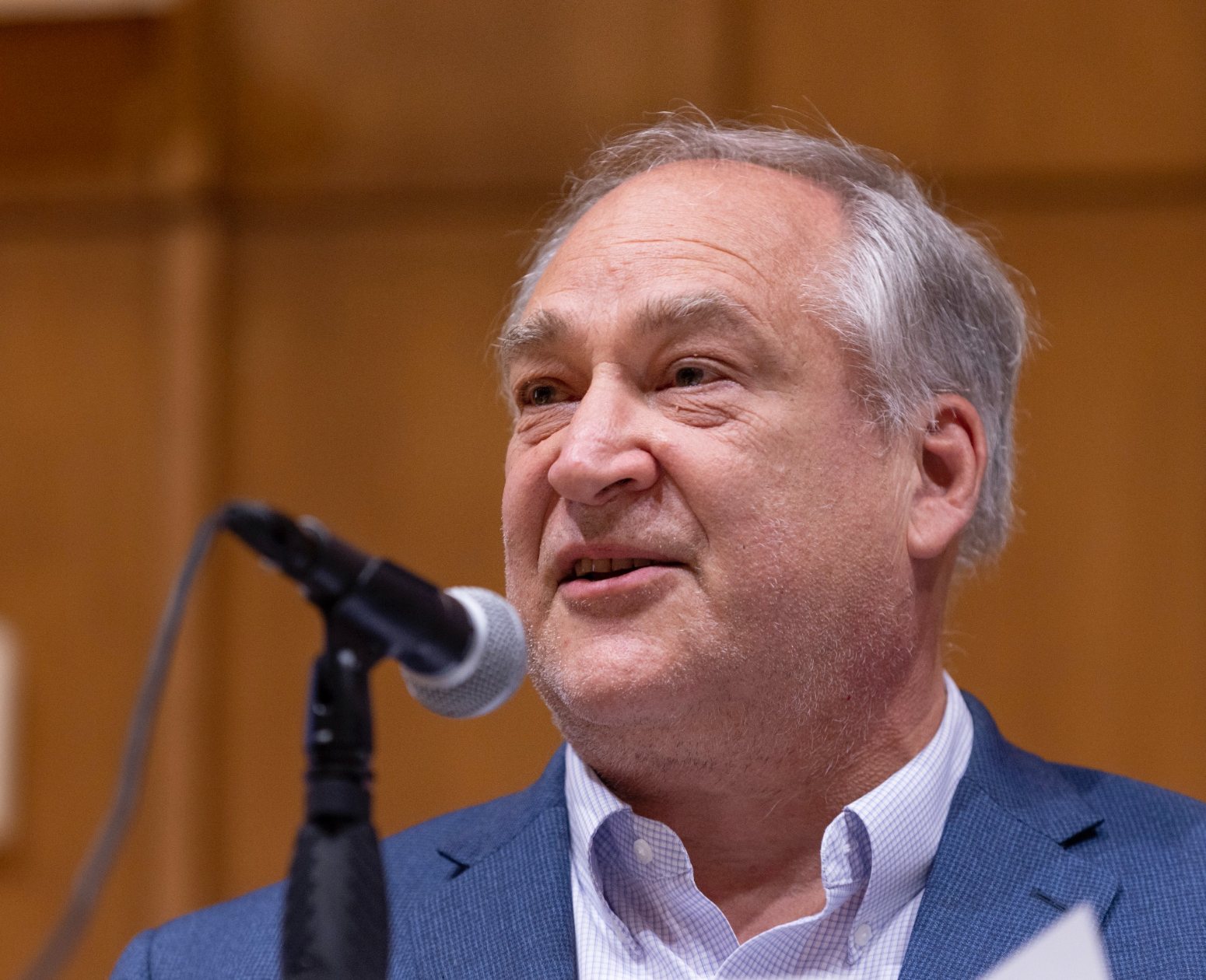
The Washington Post projects incumbent Democrat Marc Elrich to prevail over Republican Reardon Sullivan to assume a second term in office.
Montgomery County has not elected a Republican county executive since 1970. 2022, it turns out, will not be the year that changes.
Elrich’s Republican opponent, former head of the Montgomery County GOP, ran on a platform of invigorating the county’s economy, increasing public safety, and improving transportation throughout the county (including expanding I-270.) Ultimately, he could not overcome Montgomery County’s four-to-one Democratic voter advantage.
Elrich, always quick to embrace the “progressive” label, will serve a second term after running on a platform that highlighting his years of experience in county politics. He touted his accomplishments leading the county through the height of the COVID-19 pandemic, appointing the county’s first-ever Chief Equity Officer, implementing multiple plans for addressing climate change, and reimagining the role of police in the community. This included removing School Resource Officers from schools (after a backlash, officers’ roles were re-imagined as Community Engagement Officers).
Montgomery County Council
The Washington Post projects At-large incumbents Gabe Albornoz, Evan Glass, and Will Jawando — all Democrats — will win reelection. All assumed office in 2018. Albornoz served as Council president during the last session, with Glass as Council vice president. The three will be joined by Laurie-Anne Sayles, a former member of the Gaithersburg City Council, who says she is looking to strengthen education, improve access to affordable housing, improve sustainable local food production in the Agriculture Reserve, reinvigorate the economy while continuing to recover from the pandemic, and create eco friendly transportation options for residents.
The four bested Republican Lenard Lieber, who ran in opposition to the state’s COVID-19 lockdowns, Republican Dwight Patel, owner of Bethesda Architects, and Green Party candidate Dan Robinson, a former Takoma Park councilmember.
The Washington Post projects Andrew Friedson, Marilyn Balcombe, Sidney Katz, Kate Stewart, Kristin Mink, Natali Fani Gonzalez, and Dawn Luedtke will assume positions on the Montgomery County Council.
Andrew Friedson ran unopposed and maintained the District 1 seat on the council for a second term. When he was elected to his first term in 2018, he was the youngest person to take the office in council history. During the previous council session, he served on the Government Operations & Fiscal Policy and the Planning, Housing, & Economic Development Committees. Expanding access to housing, transit, and public services are among his top priorities over the next four years.
Marilyn Balcombe bested Dan Cuda, a North Potomac-based Air Force veteran for the District 2 Seat. Balcombe, who has served as President and CEO of the Gaithersburg-Germantown Chamber of Commerce for 17 years, says filling inequality gaps – be they related to education, housing, or transportation – are a main priority of hers. She has also expressed interest in investing in I-270 expansion. Balcombe succeeds term-limited Craig Rice.
Incumbent Sidney Katz retained the District 3 Council seat for a third term. The lifelong Gaithersburg resident beat out George Hernandez, a Gaitherburg-based IT professional. Katz chaired the Public Safety Committee and served as a member of the Government Operations and Fiscal Policy Committee. His top priority entering his third term, Katz says, is strengthening public education, supporting educators, and platforming legislation that will address educational gaps.
Takoma Park Mayor since 2015, Kate Stewart will take over the District 4 seat formerly occupied by Nancy Navarro. Stewart bested Cheryl Riley, a public relations professional based in Rockville. Among Stewart’s many priorities are expanding the availability of mental health resources around the county. She proposes police no longer intervene in situations that call for civilian intervention, and pivoting to more environmentally-friendly energy sources.
Democrat Kristin Mink, who dominated her primary to secure the Democratic nomination for District 5, beat Kate Woody, a lawyer and real estate broker. Mink will represent the only district in the county to have a plurality of Black residents. She is an advocate for housing and accessible public transit. A gun control advocate, Mink wants to propose a number of additional gun safety measures in the county.
Natali Fani Gonzalez secured more than half of the vote in a pool of 8 candidates during the primary and, after beating Republican lawyer Viet Doan, became the first District 6 Councilmember. Fani Gonzalez’s vision for the county is “better schools, safer neighborhoods, less traffic, and housing that working families can afford.”
Democrat Dawn Luedtke will be the first councilmember to represent District 7. Luedtke, who works in the office of the Attorney General in Baltimore, has expressed interest in crafting nuanced public safety legislation and expanding transit. She beat Harold Maldonado, a Derwood-based businessman.
Montgomery County Board of Education
School board races are non-partisan, but candidates can be endorsed by organizations that also tend to endorse partisan candidates.
The Washington Post projects Karla Silvestre, Grace Rivera-Oven, Julie Yang, and Brenda Wolff will win seats on the Montgomery County Board of Education.
Incumbent Karla Silvestre will beat Mike Erickson — a candidate so elusive he doesn’t appear to even have a social media presence; Silvestre will maintain her at-large seat on the Montgomery County Board of Education. She currently serves as the Director of Community Engagement at Montgomery College.
Silvestre’s top priorities center around addressing the needs of students, be it mental health or ensuring equal resources are available to all in the county. Policing in schools also plays into this. To retain educators and support staff, she advocates for higher salaries, more internal and external support, and better benefits. Silvestre has said she prefers having social workers and other mental health support staff rather than police in schools, as some students may have experienced trauma at the hands of law enforcement. Silvestre was endorsed by The Washington Post, SEIU Local 500, and Moms Demand Action, among others.
Grace Rivera-Oven, the founder and CEO of the nonprofit organization UpCounty Hub, bested accountant Esther Wells to win the District 1 Montgomery County Board of Education seat. Oven, too, prioritizes student mental health and wants to ensure adequate mental health support is available to all students, but particularly those who typically face barriers to access. She is opposed to police in schools (SROs) and wants to “work to establish the resources every educator requires to foster an environment that cultivates new staff members.” Rivera-Oven was endorsed by the Montgomery County Educators Association and the SEIU Local 500 among others.
Julie Yang unseated incumbent Scott Joftus and will assume the Montgomery County Board of Education District 3 seat. The former teacher turned college-and-career counselor says her top priorities are mitigating the impacts of COVID learning disruption, recruiting and retaining staff, and addressing mental health needs. Police, she told The Washington Post, have no place disciplining students.
Joftus conceded the race Wednesday afternoon.
Incumbent Brenda Wolff bested challenger Valerie Coll with a less-than-one-percent margin and will serve another term in the and will assume the Montgomery County Board of Education District 5 seat. Wolff, a civil rights attorney who is retired from the U.S. Department of Education wants to provide higher salaries and allow teachers more flexibility in order to retain talent. Among her top priorities in the role are to employ practices like tutoring and computer learning to fill education gaps that resulted from COVID-19.
Other offices in Montgomery County
States Attorney John McCarthy, Clerk of the Circuit Court Karen Bushell, and Register of Wills Joseph M. Griffin, all of whom are incumbent Democrats who ran unopposed, retained their seats.
Maxwell Cornelius Uy, a Democrat who ran unopposed, will assume the office of County Sheriff.
General Assembly
Montgomery County has eight state senators and 24 state delegates who serve in Annapolis; all are Democrats and all were up for re-election this year. The incumbents all retained their seats.
Democrats were elected to all 24 state delegate seats.
Results from all races can be viewed as they come in on the Board of Elections website.
This story was corrected to state that Wes Moore served in the army, not the USMC.
This story will be updated as more results come in.