Margaret Barthel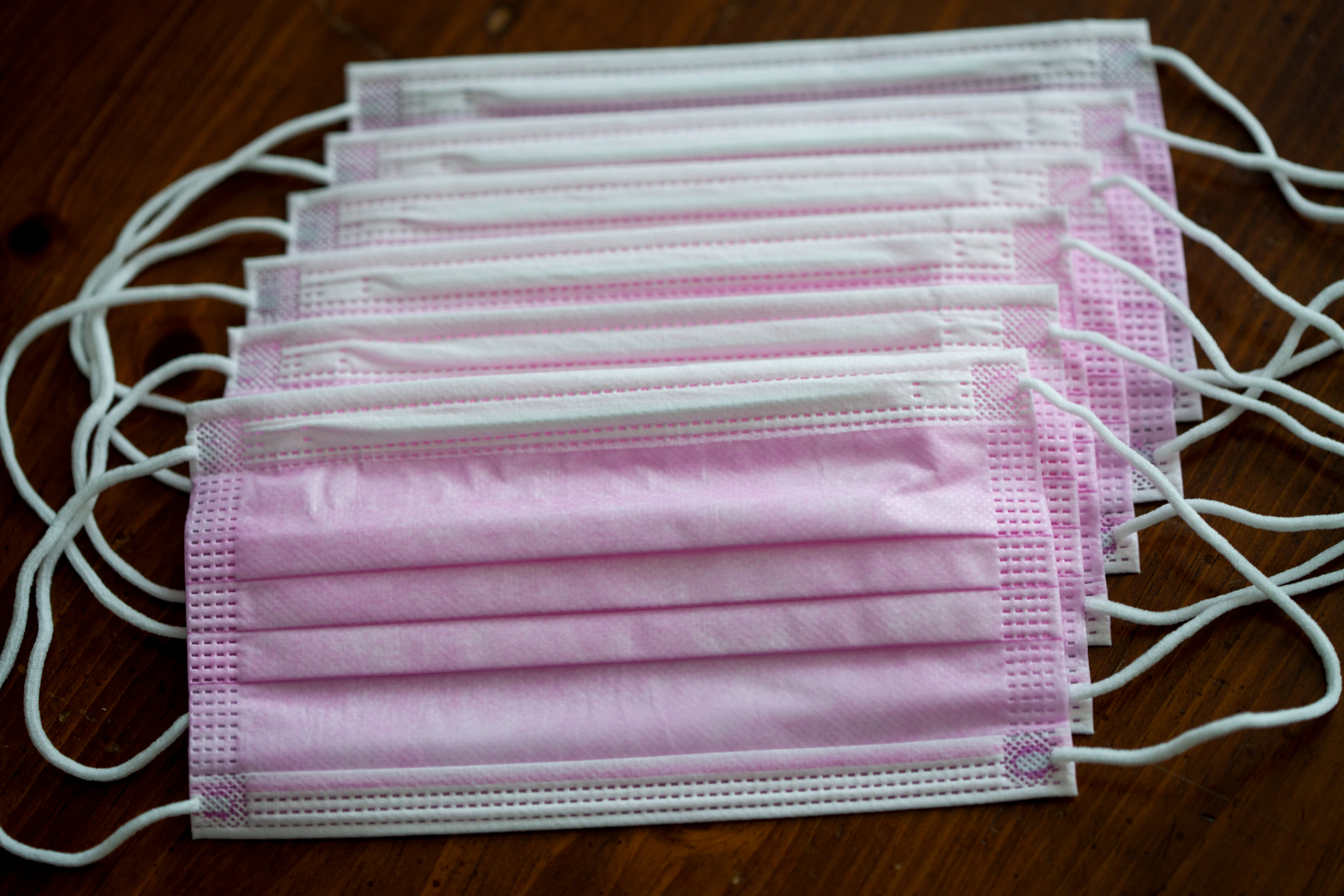
A challenge brought by a group of families of students with disabilities to Virginia’s law preventing schools from instituting mask requirements has been settled.
The settlement, between the commonwealth and a group of civil rights advocacy organizations that represented the plaintiffs, carves out an exception to the masking rule, allowing schools to require mask-wearing in the proximity of any one of the dozen students in the lawsuit who is highly vulnerable to contracting COVID-19.
It comes after a federal judge granted a preliminary injunction and temporary restraining order to the families in March, allowing them to request that their schools require some level of masking protections.
The families argued that the Virginia law, which made masking in schools a matter of parental discretion, was a breach of federal disability rights law. Under the Americans with Disabilities Act and Section 504 of the Rehabilitation Act, schools must provide disabled students with equal access to education, and are required to make the “reasonable accommodations” to make it happen. Because their children have serious conditions including cancer and cystic fibrosis that put them at high risk if they contract COVID-19, the families argued, some degree of masking in their schools may count as such a “reasonable accommodation.” In the absence of some level of masking — as recommended by their children’s doctors, some said — they argued they would not be able to safely send their children to school.
The lawsuit was originally filed against Virginia Gov. Glenn Youngkin’s executive order making masking a matter of parent choice, and amended to challenge the state law passed in the spring that said the same thing.
The settlement, which has not yet been accepted by the court, affirms the students’ right to ask for some level of community masking in their schools, and further directs the Virginia Department of Education to send letters to the schools the students attend with guidance on the outcome of the lawsuit.
“The school must engage in interactive processes with the student and his or her parents to determine in the first instance whether some amount of masking is necessary to satisfy the ADA and the Rehabilitation Act,” the letter, whose text is included in the settlement agreement, reads. “In making that determination, a school should consider alternative modifications such as one-way masking, staff or teacher masking, ventilation improvements, and social distancing.”
If the school and family determine that the student needs peer masking in order to attend school safely, the letter says, the Virginia school masking law and Youngkin’s executive order can’t bar the school from implementing it.
Meanwhile, the letter says, schools must also do their best to respect the wishes of parents who don’t want their children masked, offering different seat assignments or new class schedules. It also notes that schools can’t require students to wear a mask if doing so would violate their own rights under the ADA and Rehabilitation Act (some students with disabilities are not able to wear masks).
“We were pleased to assist the Governor in settling this case in a way that protects the federal rights of students with disabilities while ensuring that parents retain the state-law right to decide whether their children should wear a mask,” said Victoria LaCivita, Attorney General Jason Miyares’ spokesperson, in response to the settlement.
As part of the settlement, Virginia will pay $295,000 to cover the plaintiffs’ legal fees.
The plaintiffs were represented in court by ACLU of Virginia, the Washington Lawyers’ Committee, Brown, Goldstein & Levy, the disAbility Law Center of Virginia, and Arnold & Porter.
The settlement only applies to the students named in the lawsuit, and thus only affects a handful of schools across the commonwealth. Those schools include Jennie Dean Elementary School in Manassas City; Trailside Middle School and Loudoun County High School in Loudoun County; Stenwood Elementary School in Fairfax County; Brownsville Elementary School in Albemarle County; Quioccasin Middle School, in Henrico County; Enon Elementary in Chesterfield County; Cumberland Elementary School, in Cumberland County; Tabb Middle School, in York County; Stanton River Middle School in Bedford County;.and Grassfield Elementary and Southeastern Elementary schools in Chesapeake.
Some advocates said they hoped the settlement would lead to broader change.
“We’re hopeful that every school in Virginia will view this settlement as a sign that they should make similar accommodations for their students, even if they are not part of the case,” said Eden Heilman, legal director of the ACLU of Virginia, in a statement.
“This settlement is a step toward righting a wrong,” added plaintiff parent Tasha Nelson, whose child Jack has cystic fibrosis. “Children like mine should not be told they cannot participate safely in school or that they have to be segregated. They have a right to the same education as every other child.”
Nelson previously told WAMU/DCist that Jack’s doctors recommended that his peers mask around him in instances of moderate and high COVID-19 transmission. When Youngkin and state legislators chose to bar Jack’s school from requiring masking in the spring, she was terrified for his safety — but had to send him to school anyway, because she couldn’t work with him at home and her family depended on her salary for support. School officials at Jack’s school in Manassas City had tried their best to be supportive, Nelson said, but hadn’t been able to do much because of the state law.
“Every day has been scary,” she said in March.
Previously:
- Judge Sides With 12 Virginia Students With Disabilities On School Masks
- Lawsuit Challenges Youngkin Masking Order Under Federal Disability Rights Law
- Youngkin Signs Bill Ending School Mask Requirements By March 1
- A Virginia Bill Could End The Battle Over School Masking
- In Northern Virginia, A Polarized Debate Over Masking In Schools