Héctor Alejandro Arzate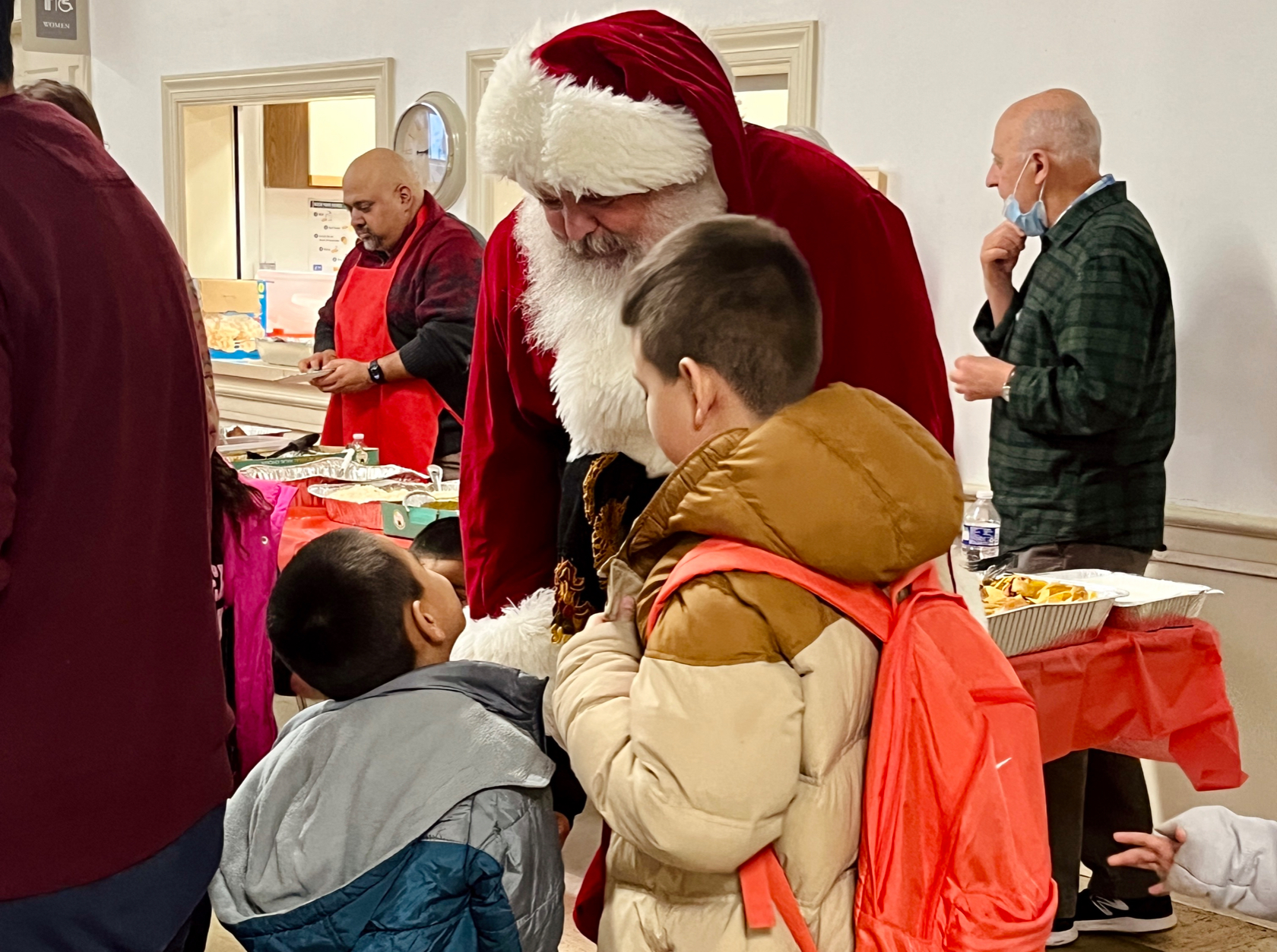
Arianny Ramirez stares down at a pile of dough resting on a wooden counter. She pushes the strength of her arms into her palms to roll it out thin. Then, she cuts the dough’s edges to make six even rectangles before lining each one with pimento-stuffed olives. Like a Christmas stocking, she fills the would-be-bread loaves with more treats: ham, bacon, raisins, and cream cheese.
It’s a labor of love to make pan de jamón – a staple for Venezuelans during the holidays – but on this particular day, Ramirez has chosen to prepare the food to share with strangers, including other migrants like herself, that have recently arrived in the region.
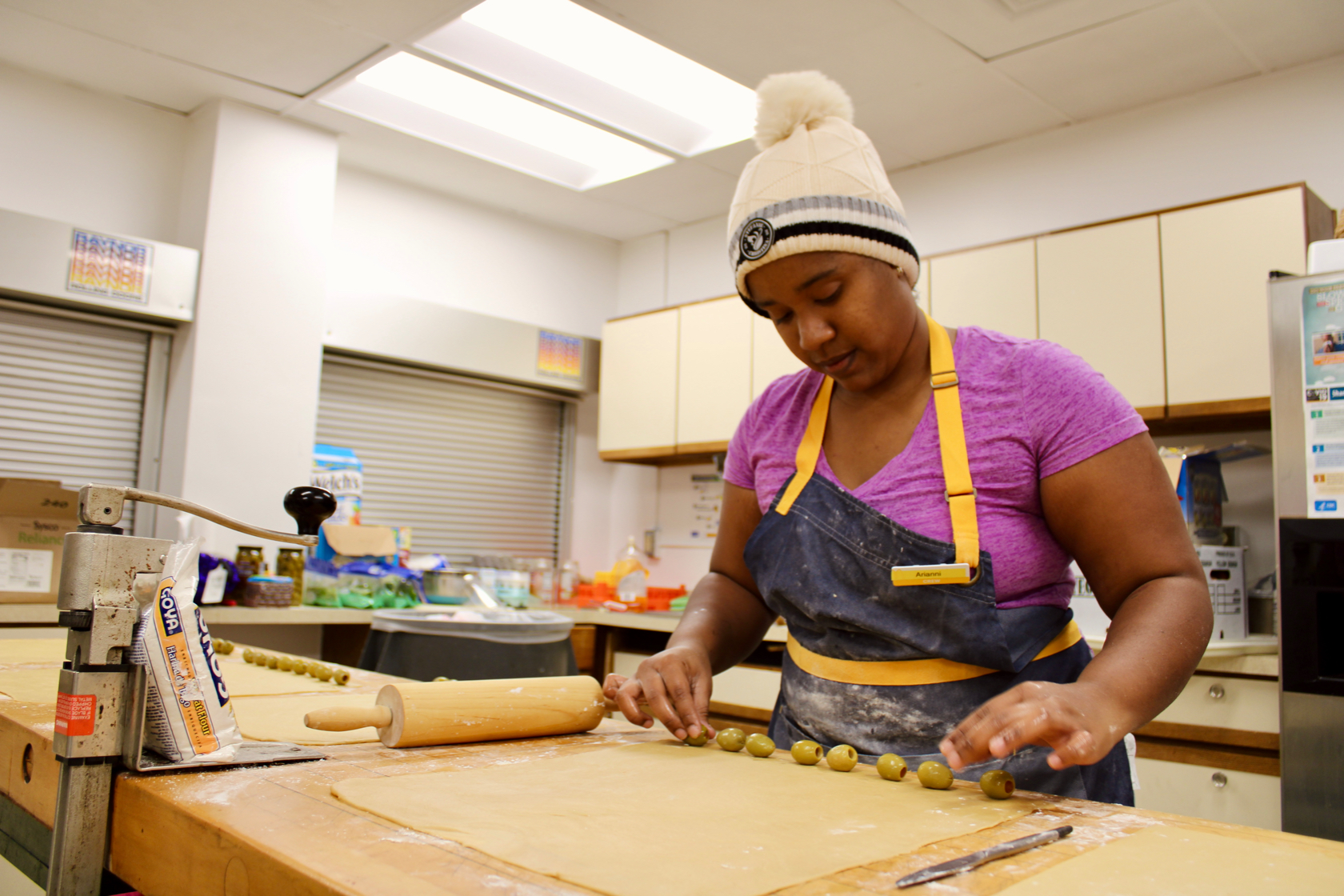
“Even though we’re far away from our country, Venezuela, we feel at home,” said Ramirez, who lives in D.C. with her husband and three year-old. “With that warmth, that love, the gaitas, the pan de jamón, the hallacas, and everything together. It’s very beautiful.”
Ramirez and her family are among the thousands of migrants, many of whom are Venezuelan, who have been bussed to D.C. from the southern U.S. border since April. In that time, mutual aid volunteers have welcomed hundreds of families with warm meals, clothing, and other necessities nearly every day.
On Saturday, volunteers welcomed about 300 children and family members, all recently arrived migrants, with a Christmas party to help them usher in the holidays. With the help of Ramirez and other cooks, they prepared traditional dishes like pan de jamón and the tamale-like hallacas. The group also received thousands of dollars worth of donated toys so that each child could take one home.
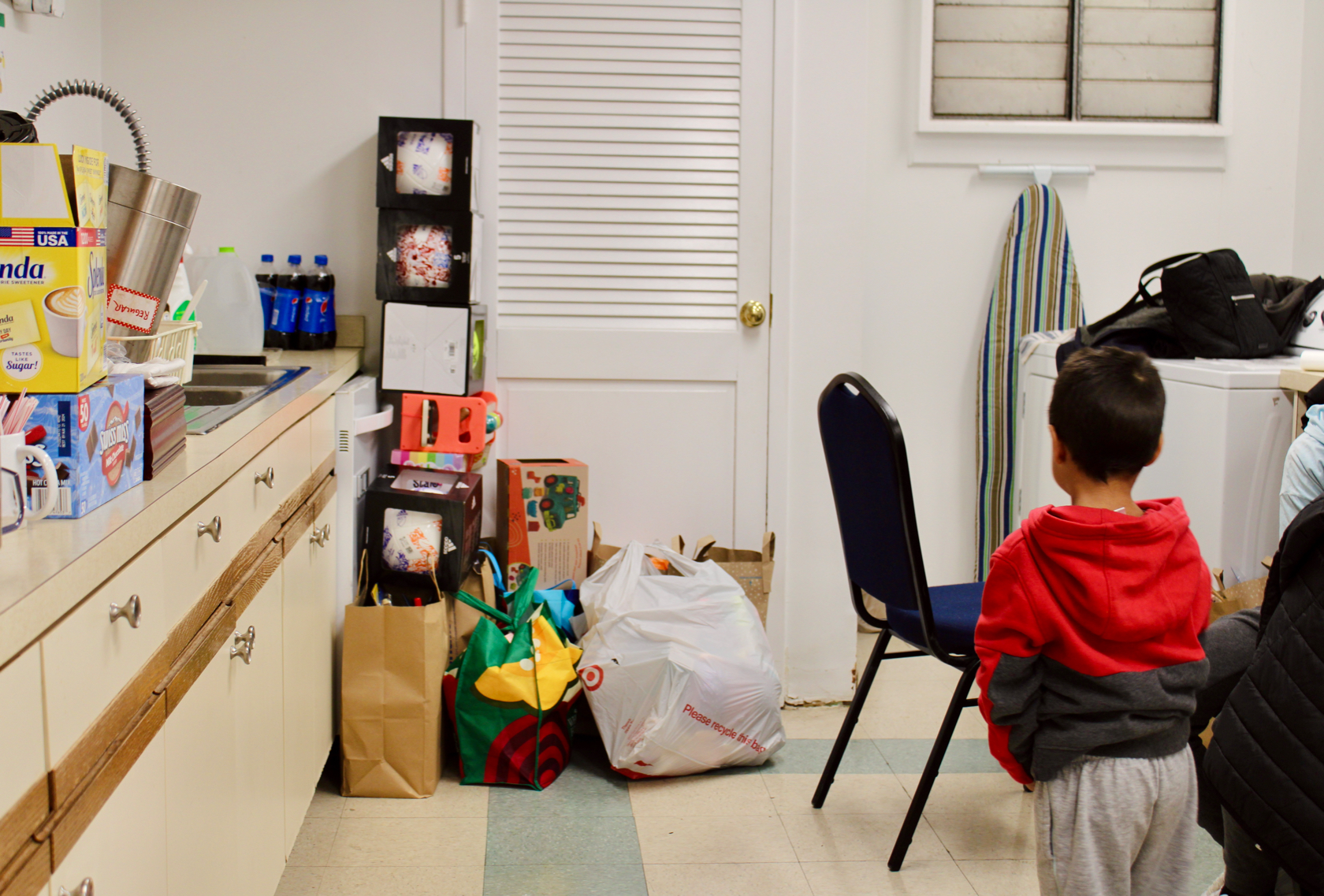
“That’s like really the spirit of mutual aid in that we all help each other,” said Jessica Cisneros, a volunteer who helped organize the celebrations for migrants. “We know that a lot of folks don’t know where they’re going to be two months from now, three months from now. So this just provides a chance for people to be in community with each other and to have some joy and some time to celebrate.”
For Ramirez, being able to celebrate the holidays with toys for children and dishes from her home country is heartening. She said cooking is the passion that motivated her to leave behind her home country and make the long journey north. Ramirez has been living in the District for about a month.
“It was a dream to come here,” said Ramirez. “I’ve always sold food and I came here with the mentality that one day, I will have my own restaurant. One day, I will be recognized for my food.”
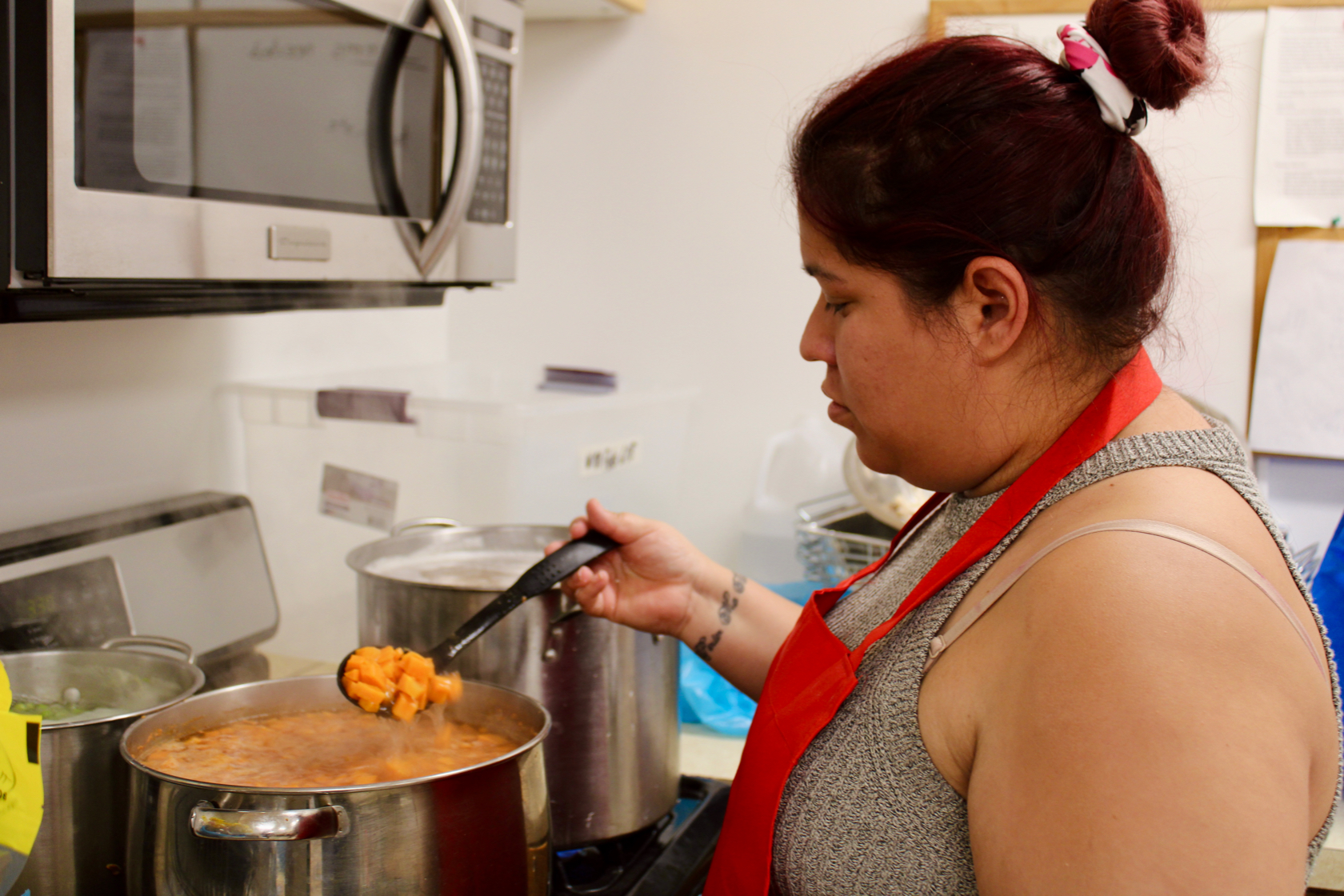
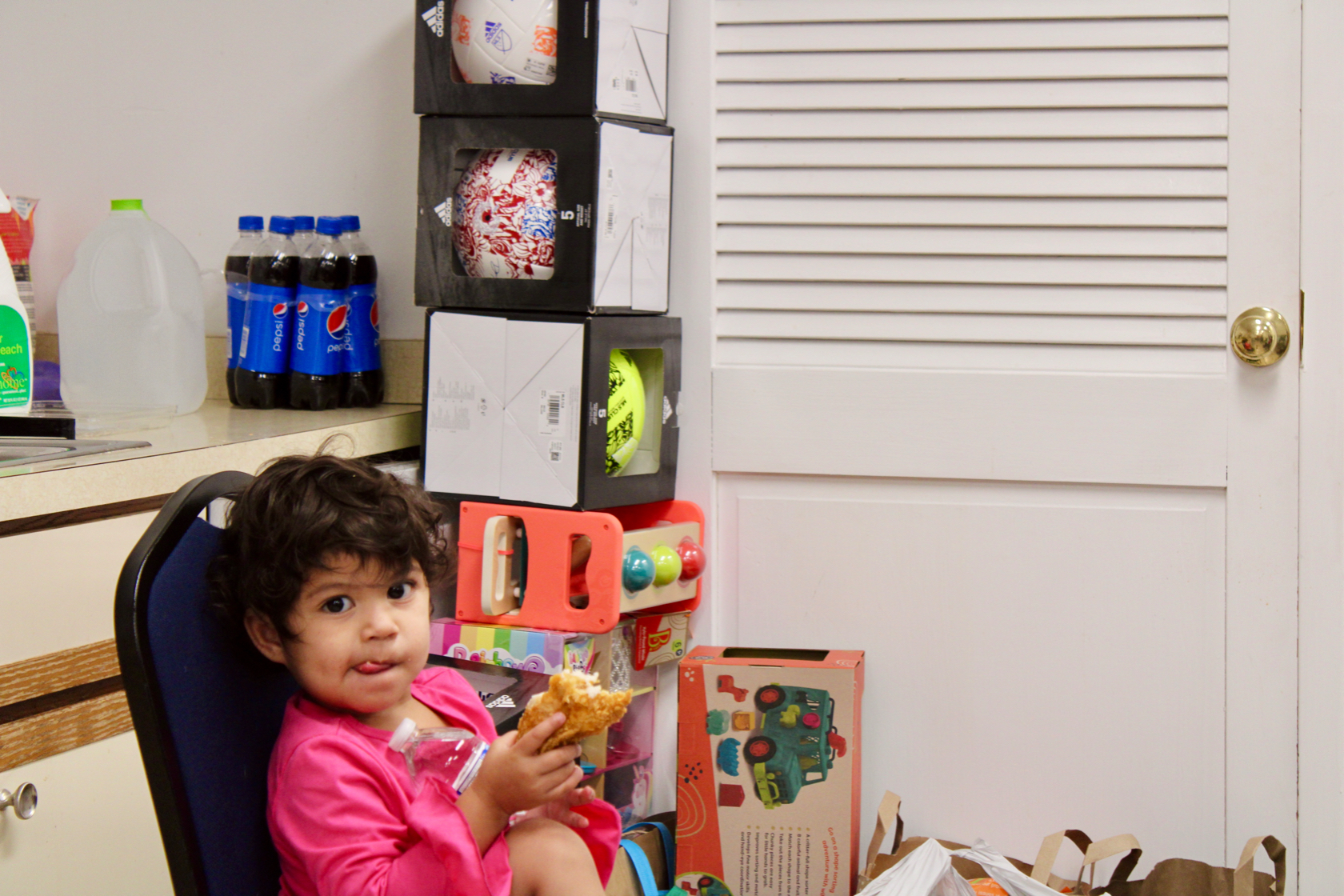
Victoria Avila, who is also from Venezuela, said it’s hard to be forced to leave your home country behind and arrive with few resources, but the celebration makes her feel welcomed. Avila has been living in a D.C. hotel for three months with her husband and children, including a two-year old daughter.
“Sometimes you feel alone, so it really helps that they [did] this party,” said Avila, who prepared hallacas for the event. “Many people don’t have what it takes to make a Christmas dinner or to give your children gifts because they don’t have the money.”
Since August, D.C. has been placing families in hotels after their initial arrival. In September, the D.C. Council voted to create the Office of Migrant Services to bolster aid. However, as of now many migrants do not have access to emergency shelters through the District’s homelessness services. It’s a policy that has prompted criticism from volunteers and advocates against the Council and Mayor Bowser, who has twice asked for the National Guard to be deployed to assist with the migrant busing scenario.
“The situation in D.C. for migrants has not been as welcoming as many of us would have hoped in terms of the official response,” said Cisneros. “There’s no structure in place for people that arrive after office hours. So they’ll be families – and now it’s 30 degrees outside – sleeping in the street, in a car, somewhere unsafe with small children.”
While both mutual aid volunteers and the OMS have been assisting migrants, many are still struggling to adjust to life in D.C. because it’s difficult to access resources without the necessary documents and forms of personal identification. For Avila, not having a work permit has made it hard to get by.
“We’re waiting for the papers and all those things but it’s a slow process,” said Avila. “It’s very expensive because first you have to pay for the lawyer. You have to find the money to pay but wait six months and all that so that you can get a work permit.”
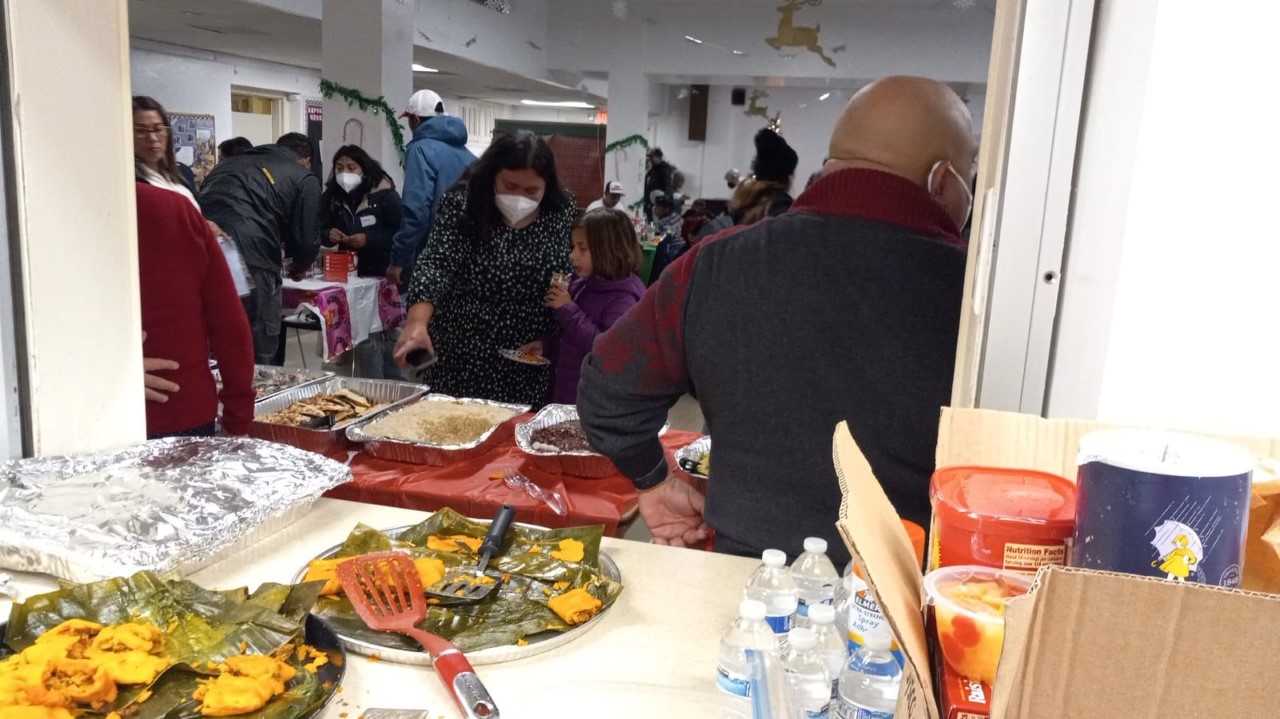
Among those who are also facing challenges adjusting is Flor Arias, who arrived in D.C. sometime in June. She said she’s currently living in a hotel with her two sons but that language accessibility has been a challenge.
“[It’s] difficult for the language,” said Arias, who is also Venezuelan. “[We’re] trying to adapt. Everything is very different. The culture is different.”
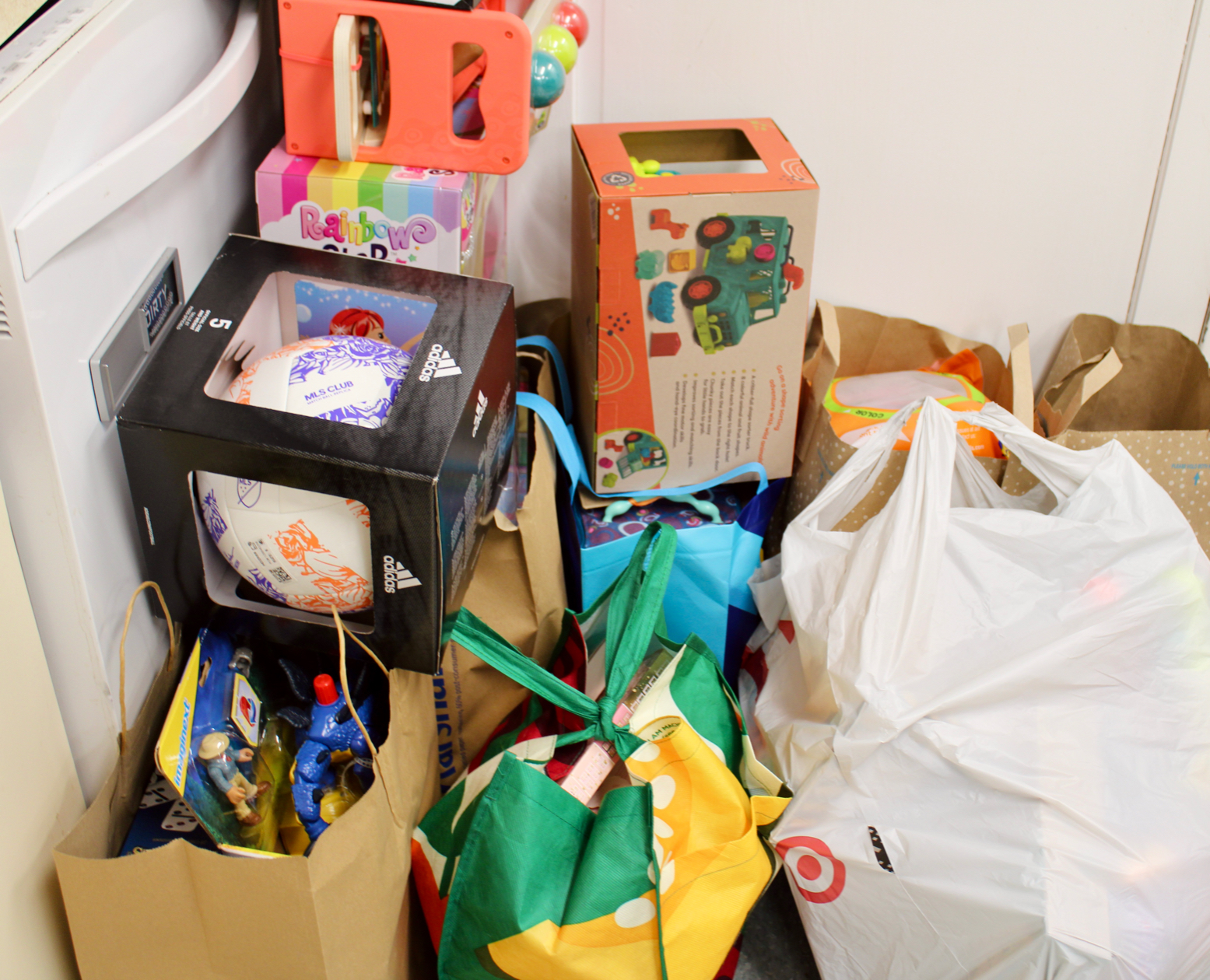
Claudia Tristán, the Immigration Director for MomsRising who also volunteers to meet arriving buses, said it’s an easy decision to help those families in need, especially at Christmas.
“Every kid deserves to unwrap a gift,” said Tristán. “People really come here with next to nothing. And if we can offer them a little gift, a toy, a stuffed animal to hug, like why not? Why would we not want to do that and step in with whatever little bit we can?”
Marie Cohen, who is Jewish, helped prepare the food and drove migrants to the event.
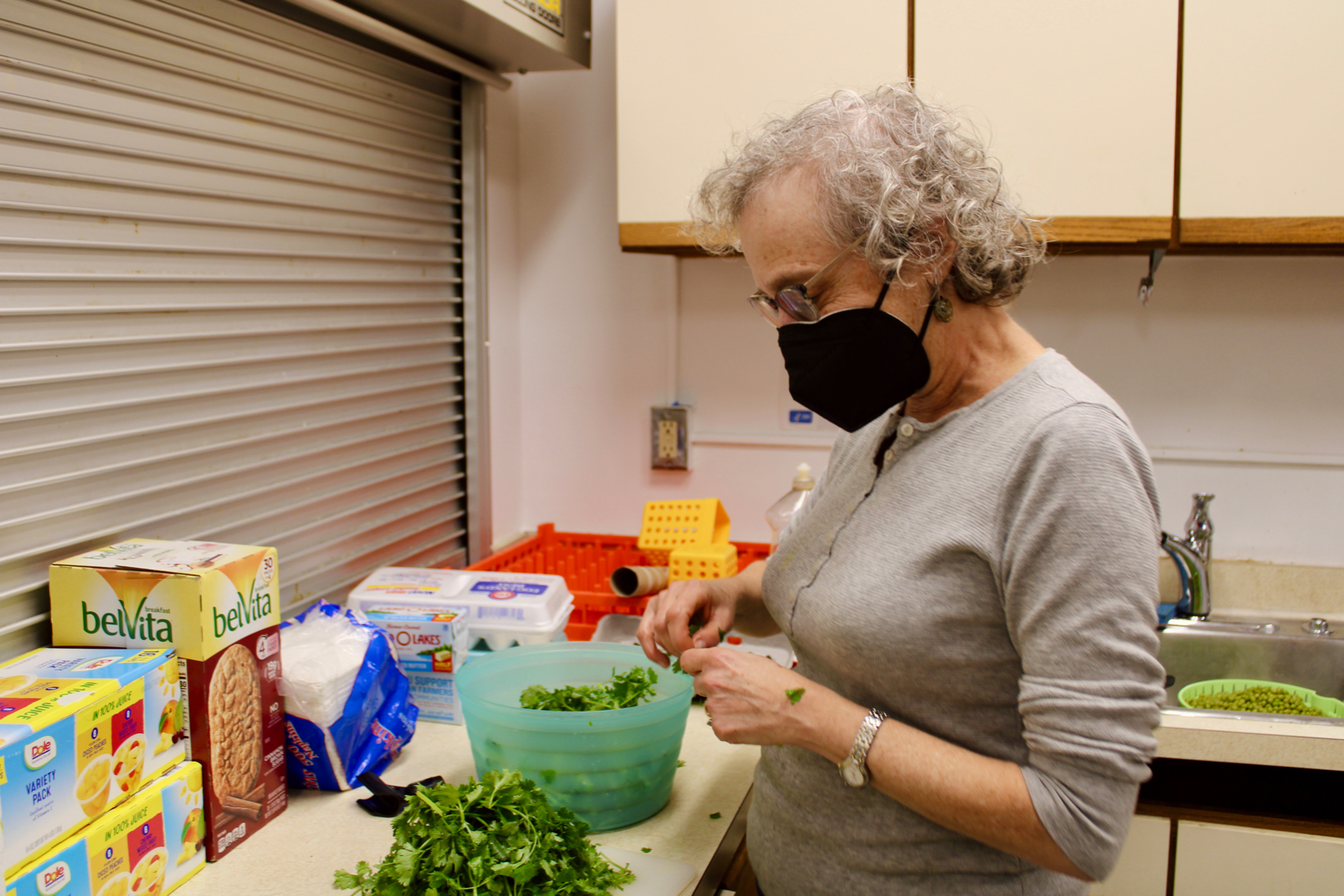
Her parents were Polish refugees during the Holocaust, so she said she feels especially driven to do what she can to help those in need.
“My past, being the daughter of immigrants, first-generation American, and the most downtrodden people on earth who came here with nothing, I feel like it’s my obligation to do this for other people. To try to help them and welcome them,” said Cohen.
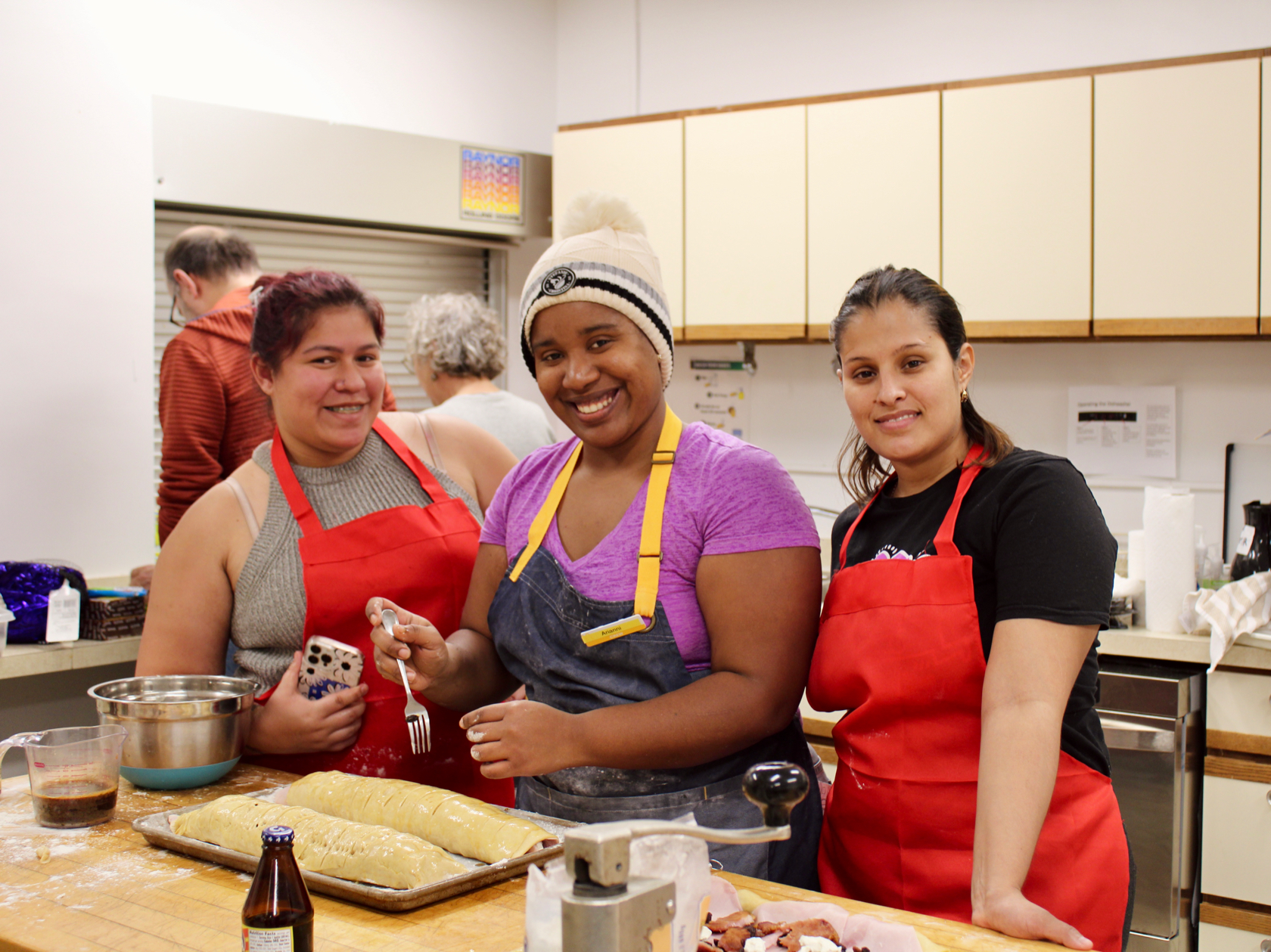
While the future remains a bit uncertain for Ramirez, she said she’s already fulfilling her dreams and that she’s grateful to everyone sharing the joy of the holidays with her family.
“It’s something nice for all the families in this beautiful time of December to unite and feel at home,” said Ramirez. “They have put a little grain of their love to help us get the supplies to prepare our Christmas dinner.”