Amanda Michelle Gomez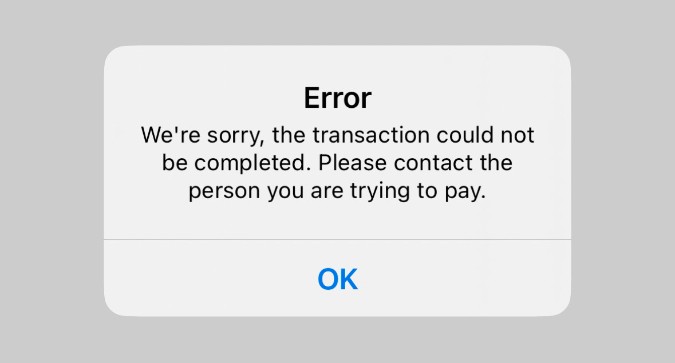
Sanctuary DMV, one of several local groups welcoming migrants bused to D.C., found its Venmo account locked for nearly a week over the New Year, after receiving an influx of donations.
Venmo only restored the account on Tuesday night, after the local group explained to the mobile payment company that Sanctuary DMV wasn’t a formal charity and provided verifying information, such as the name and Social Security number of the individual operating the account.
During the six days that the account was locked and unable to receive donations, volunteers with Sanctuary DMV and the greater Migrant Solidarity Mutual Aid Network paid out of pocket to support migrants, according to core organizer Madhvi Bahl, including individuals who were sent to the city by charter bus on New Year’s Day.
Sanctuary DMV has collected donations through a Venmo account in order to provide migrants direct cash assistance and other necessities like a bus ticket or food. But the group, entirely composed of volunteers, could no longer access the account late last week, on Dec. 29, after receiving an unprecedented amount of donations, according to Bahl. She suspects they received an outpouring of support because national media broadcasted the Migrant Solidarity Mutual Aid Network’s efforts to support more than 100 migrants who were dropped off near Vice President Kamala Harris’ home by Texas Gov. Greg Abbott on Christmas Eve.
Abbott’s office says they’ve bused more than 8,700 migrants to D.C. from Texas since April, aiming to protest the Biden administration’s border policies. Buses initially dropped migrants off at Union Station, but in mid-September, Abbott began directing them to Harris’ U.S. Naval Observatory home, drawing even more attention to the political stunt and requiring volunteers and nonprofit staff who regularly welcome migrants to pivot.
https://twitter.com/SanctuaryDMV/status/1606881902505467904
White House Assistant Press Secretary Abdullah Hasan condemned Abbott for dropping people off “on the side of the road in below-freezing temperatures on Christmas Eve without coordinating with any federal or local authorities,” according to the New York Times.
But the Migrant Solidarity Mutual Aid Network has repeatedly said that migrants have also been let down by the Biden administration as well as the D.C. government. “Busing folks from the border to other cities isn’t actually a bad thing if done right & for the right reasons! The federal govt needs to step up and formalize the process,” tweeted Sanctuary DMV on Christmas Day.
A few days after Christmas, Venmo locked the account of Sanctuary DMV, meaning volunteers could no longer receive donations or move cash to finance their efforts as easily. Donors received error messages when they tried to make transactions to the group’s account, telling them they were unable to donate.
“We periodically review accounts to ensure our records are up to date. During a review of your account, we have found we need additional information,” Venmo told Sanctuary DMV in a Dec. 29 email shared with DCist/WAMU. “Until then, your account is suspended and you may not have full access at this moment.”
A spokesperson for PayPal — Venmo’s parent company — told DCist/WAMU that they could not directly comment on Sanctuary DMV’s account.
Venmo recommended the group create a charity profile instead of accepting donations through a personal account. Bahl said becoming an official nonprofit would be a “huge administrative burden” on a group run by unpaid volunteers. It would require the group to apply for 501(c)(3) status, as well as other paperwork. Venmo’s charity profiles, for example, are responsible for sending the company tax receipts. Additionally, Bahl said moving to a nonprofit structure could slow down their ability to respond to crises rapidly.
Furthermore, for Sanctuary DMV to become a charity profile, the group would need to become a registered business — a move at odds with the group’s work. Sanctuary DMV practices mutual aid, which rejects the one-way relationship structuring traditional charity work — where one person offers help and the other receives it — and instead celebrates reciprocity.
Local groups that work with Sanctuary DMV, including the local chapter of Black Lives Matter, had called on Venmo to unlock the account for several days. Then, Tuesday evening, Venmo told the group their account would be activated again under a few circumstances: Sanctuary DMV would need to change the account name to that of an individual, instead of the group, and verify the identity of that individual. Venmo required the change as part of its “compliance program,” according to the email shared with DCist/WAMU, which aims to prevent fraud, among other issues.
Sanctuary DMV agreed because they needed a quick solution — the group’s Venmo is now formally under the name of a core organizer, “John Payne,” — so volunteers don’t have to continue to spend their own money to support migrants who are still resettling in the area and being dropped off in the city. But Bahl estimates that the group lost thousands of dollars in donations during the shutdown.
Sanctuary DMV is not the only community-based organization that has run into problems because of Venmo. Covid Bail Out NY had problems with Venmo that slowed down their work to provide money to people who got out of jail during the height of the pandemic, according to Vice. The New York-based group is not a charity profile nor nonprofit, so ran into frequent security freezes and limits on their transfers.
Bahl called Venmo an “equalizing tool” for fundraising by mutual aid groups or individuals because other platforms like GoFundMe don’t release cash as quickly or easily. “And instead of leaning into that, they’re just trying to formalize it more,” she says.
Migrant Solidarity Mutual Aid Network, whose members were among the first to welcome migrants in the spring, heavily rely on donations by the community. Local groups affiliated with the network were unable to apply for government grants intended to support migrants, including one from the Office of the Attorney General for D.C., because they lacked all the appropriate paperwork.
“I just hope people reflect on how charitable fundraising works in this country and how it is built to benefit large nonprofits over smaller community groups,” Bahl told DCist/WAMU on Monday.