Martin Austermuhle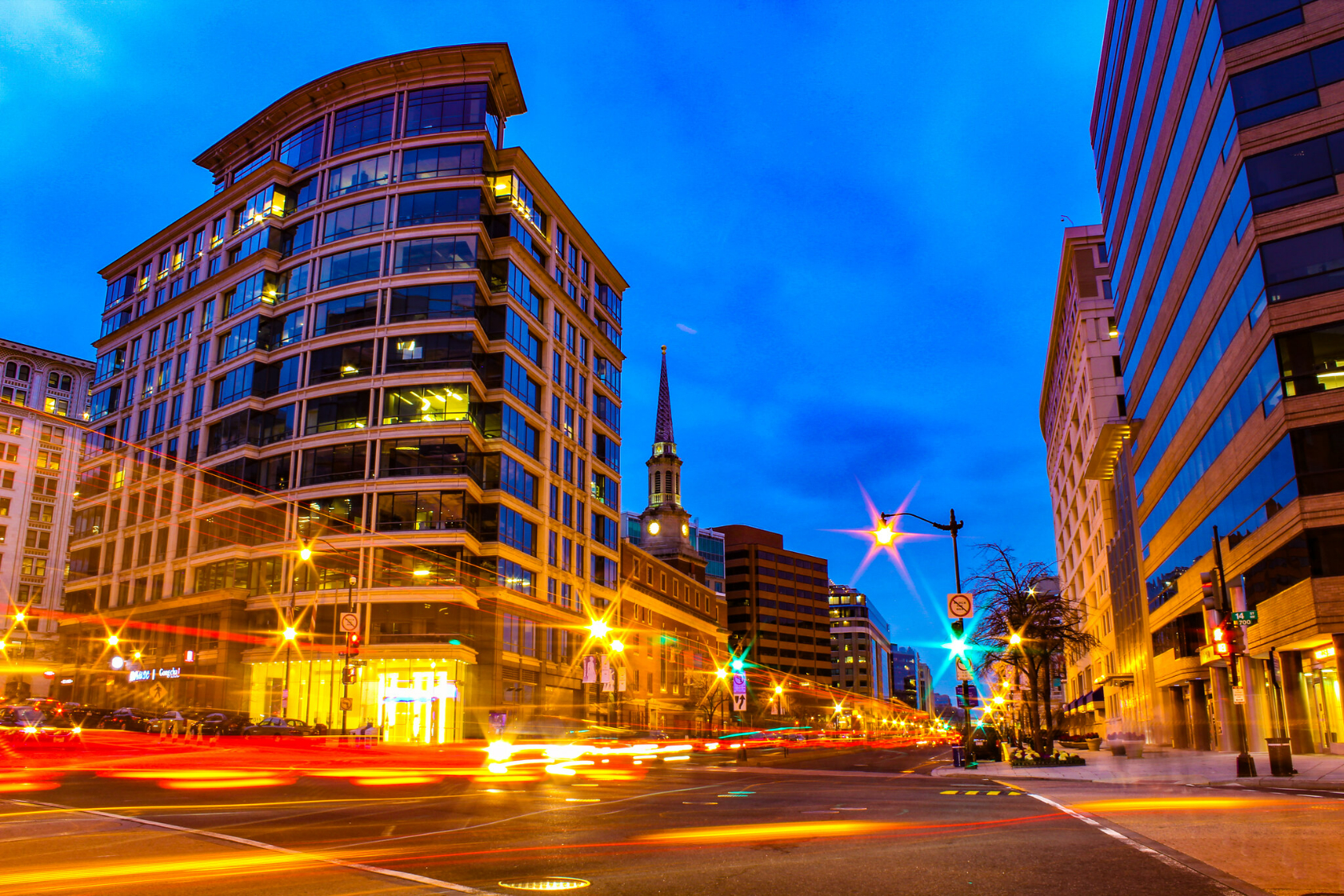
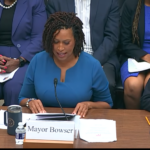
Mayor Muriel Bowser on Monday outlined an ambitious plan to increase D.C.’s population by some 55,000 residents, grow the median income of Black households by $25,000, and put almost all residents east of the Anacostia River within a mile of a grocery store within the next five years.
The pledges were included in her administration’s five-year economic development strategy, the roadmap of goals and the means to achieve them in everything from job growth and employment to housing and amenities. While the last strategy unveiled in 2017 focused on growing private-sector employment and decreasing overall unemployment in the city, Bowser says the new strategy — titled “D.C.’s Comeback Plan” — is more focused on equity and stabilizing D.C. in the wake of the COVID-19 pandemic.
“We are talking about what we want for our city. We want it, of course, to be a city where everybody can live: all races, backgrounds, beliefs, and giving everyone a chance to achieve their full potential. We are an urban center and we like it that way, and we want to be a destination of choice for our job creators, as well as visitors and residents, in a place where people continue to choose to live, work, visit, and thrive,” said Bowser during a roundtable discussion on the strategy.
While D.C. has experienced what city officials call a “renaissance” over the last decade, seeing significant population and revenue growth, city officials concede that the economic benefits have been skewed towards higher-income and white residents (a majority of D.C.’s tax revenue comes from the 10% of its highest earners). In addition, D.C.’s economic stability was shaken by the pandemic, with office workers opting to stay home and growing commercial vacancies costing the city’s more than $400 million in lost property tax revenue.
The new plan lays down goals to create 35,000 new jobs in high-demand sectors like hospitality, technology, and life sciences; increase the share of minority owned businesses from the current 27% to 33%; expand access for all residents to high-speed internet; and continue to build affordable housing, especially in areas like Capitol Hill and west of Rock Creek Park where progress has lagged compared to other neighborhoods.
But the plan also aims to grow D.C.’s overall population to 725,000 residents, some 55,000 more than the city is currently estimated to have. This would seek to reverse the outmigration of thousands of residents, largely aged 20-34, that took place during the pandemic. Bowser says she thinks that trend has started turning around, but conceded her goal was “ambitious” and would require a growth rate that could exceed what D.C. was seeing during its boom times only a few years ago.
Tied to that goal is another she foreshadowed last week during her inaugural speech: bringing 15,000 residents to live in downtown D.C., which would significantly grow the current population of 25,000. City officials say that 92% of the land downtown is currently commercial, and that the area has one of the worst resident-to-job ratios in the city. That, they say, makes downtown less vibrant — even more so now that many office workers have opted not to come back.
“We know we need a better balance. So let’s be clear. However, the downtown was the economic engine of our city, and our city will rely on our ability to find new ways to use these spaces, to fill these spaces and to bring people back to a 24/7 economy,” said Bowser.
The plan also contemplates a dramatic expansion of grocery stores in neighborhoods east of the Anacostia River, where more than 160,000 residents in two wards are currently only served by four supermarkets, compared to more than a dozen in Ward 3 alone. (The most recent opening east of the river was a Lidl in Ward 7.) As written, the plan promises between five and six new grocery stores over the next five years.
“We’ve seen what the market would do absent very significant investment from the city. So that will continue to be our approach,” said Bowser.
Finally, the plan includes a pledge to increase the median income of Black households from the current $53,000 a year to $78,000. The gap between the median income of white and Black residents is amongst the largest in the country. Responding to Bowser’s pledge, Councilmember Kenyan McDuffie (I-At Large), who chairs the D.C. Council’s committee on business and economic development, called it “bold.”