 Jordan Pascale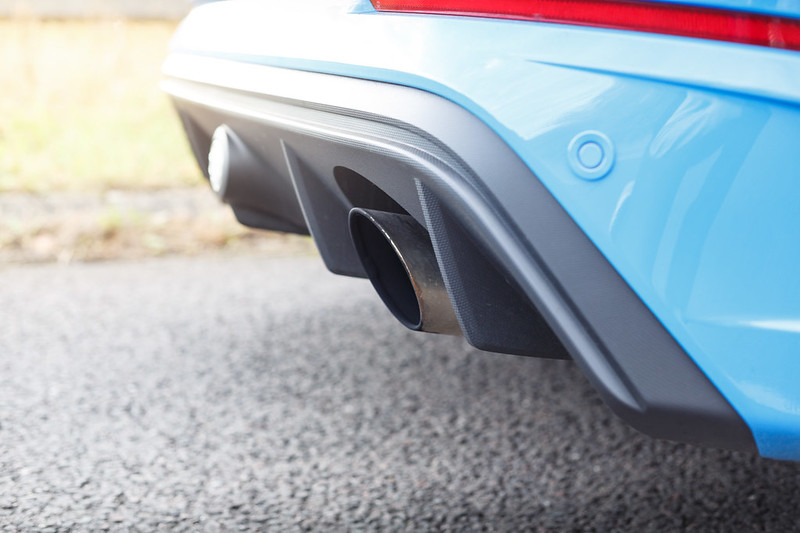
First, there were speed cameras. Then came red light cameras and stop sign cameras. Now, some D.C. councilmembers want to try a new type of “camera” to identify, and ultimately ticket, noisy vehicles.
The Vehicular Noise Reduction Act would create a two-year pilot program to use a combination of noise detection devices, video cameras, and automated ticketing to hopefully cut down on vehicles with purposely loud or bad mufflers on D.C. roads.
The bill was filed by Councilmember Brooke Pinto (D-Ward 2) on Thursday. She says that excessive noise from revving engines and other road noise is a quality of life issue that can alter sleep, disrupt business, educational and social settings, and create stress.
“Noise pollution, both during the day and at night, has serious effects on District residents’ physical and mental health,” Pinto wrote in her bill introduction. “Noise pollution is correlated to increased anxiety, depression, heart disease, cognitive impairments, and strokes.
“Continuous exposure to high noise levels can also bring about the ‘flight or fight’ response within the body, triggering stress hormones that contribute to elevated blood pressure, accelerated heart rates, and disrupted digestive systems.”
Decibel readers would catch noises above a certain threshold and capture the license plate of the vehicle. A police officer or DDOT official would be in charge of reviewing the footage and mailing a ticket to the home where the vehicle is registered. The fine amounts weren’t defined in the bill.
The District’s noise limits for vehicles depend on their weight and speed. For instance, most passenger vehicles going under 35 mph should be no louder than 86 decibels, which comparatively is about the loudness of a vacuum or the inside of a plane.
The pilot program calls for at least two noise detection systems in each of the District’s eight wards.
The bill would also create a repair subsidy to help offset the cost of getting the vehicle fixed. The repair program would apply to vehicles that are registered in the District, as well as to those with owners that live elsewhere but work or have business in the city. Repairs could be paid for in part or in full, but only to fix the noise issues caused by normal wear and tear, purposeful alteration, outdated equipment, or accidental damage, according to the bill.
It also calls for the District Department of Transportation to study materials and other ways to make streets quieter.
Pinto says noise pollution is an equity concern, too, as communities of color, immigrants, and people with low incomes are more likely to live near roadways with elevated and constant vehicular noise and are thus at greater risk of experiencing these negative health impacts.
The chances of the bill passing are unclear. The proposed legislation only has one co-sponsor, Councilmember Brianne Nadeau (D-Ward 1). Usually, bills have all co-sponsors attached before introduction.
New York City started using the cameras last year with a $220 fine for a first offense and up to $2,625 for repeated offenses. The law gives people a chance to fix their vehicles first to avoid the fine.