Jacob Fenston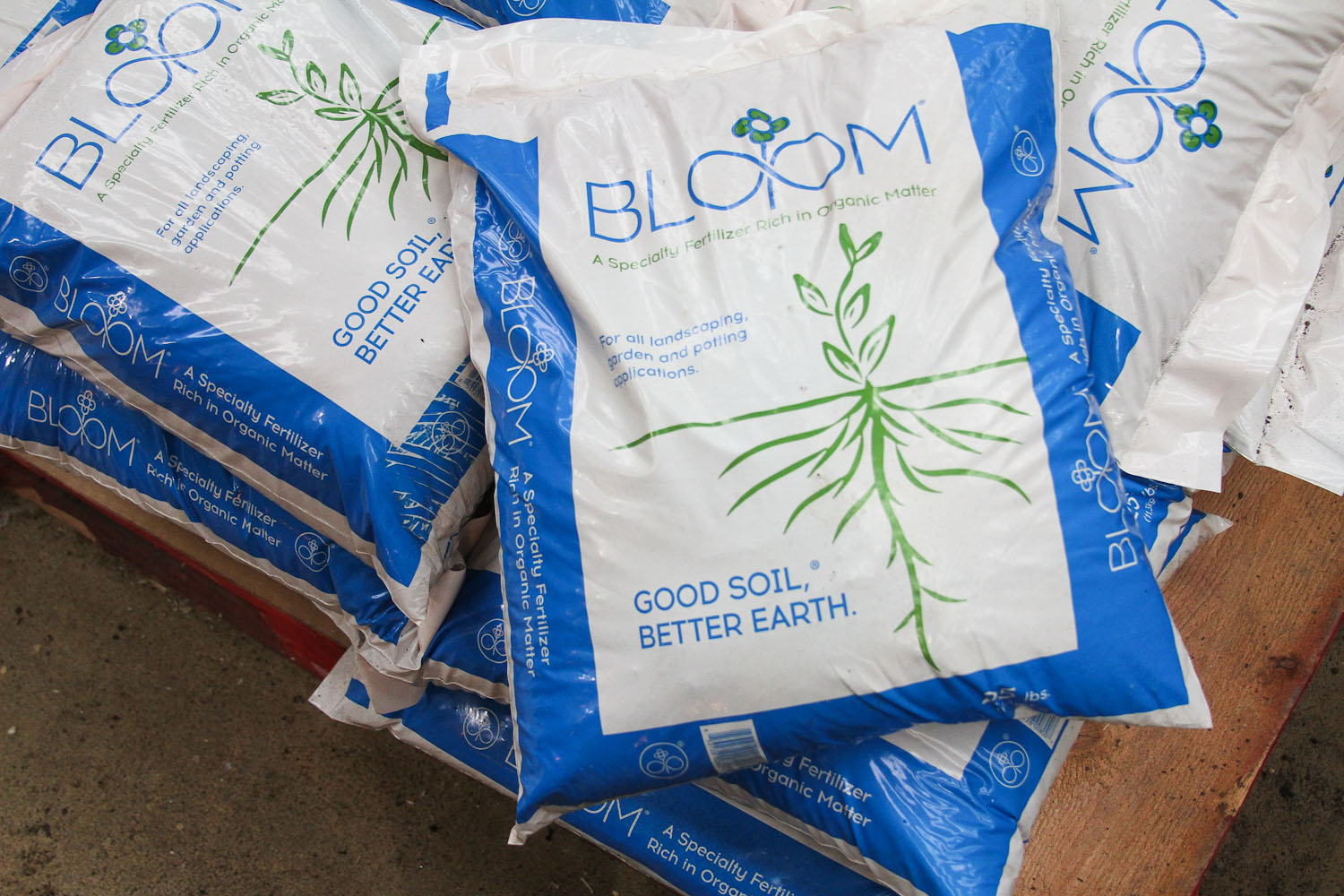
Three environmental and community groups in Montgomery County are calling for a ban on the use of Bloom fertilizer in the county, after high levels of PFAS, known as forever chemicals, were found in the product. This comes after two public drinking water wells in the town of Poolesville were taken offline due to high PFAS levels, though there is no evidence that Bloom contaminated the wells.
Bloom is a soil amendment produced by DC Water using the solids left over after sewage treatment. In other words, it’s a fertilizer made from poop. The fertilizer is high in organic matter, like nitrogen, iron, and other nutrients, and can be purchased in bags at local hardware and home improvement stores. Most of it, however, is sold in bulk to farmers and landscapers.
It’s the ultimate form of recycling, turning the region’s waste into a valuable resource to improve soils.
But in addition to nutrients that help plants thrive, the fertilizer also contains “ultra-high” levels of PFAS chemicals, according to the groups that commissioned the testing.
“These very, very high levels are likely to be transported into food and drinking water,” says Monica Mercola, staff counsel with Public Employees for Environmental Responsibility. The other groups involved in the testing are the Montgomery Countryside Alliance and the Sugarloaf Citizens Association.
“Every single PFAS that has been studied for toxicity has been associated with adverse health effects, ranging from thyroid dysfunction to liver and kidney cancers,” says Mercola. “They are especially harmful towards children, causing issues of delayed development or even decreased responses to vaccines.”
The three groups recently wrote a letter to Montgomery County Executive Marc Elrich and County Council President Evan Glass, requesting a ban on using Bloom and other biosolids on “county agriculture fields, golf courses and public lands.”
A spokesperson said county officials were still reviewing the letter and the testing results.
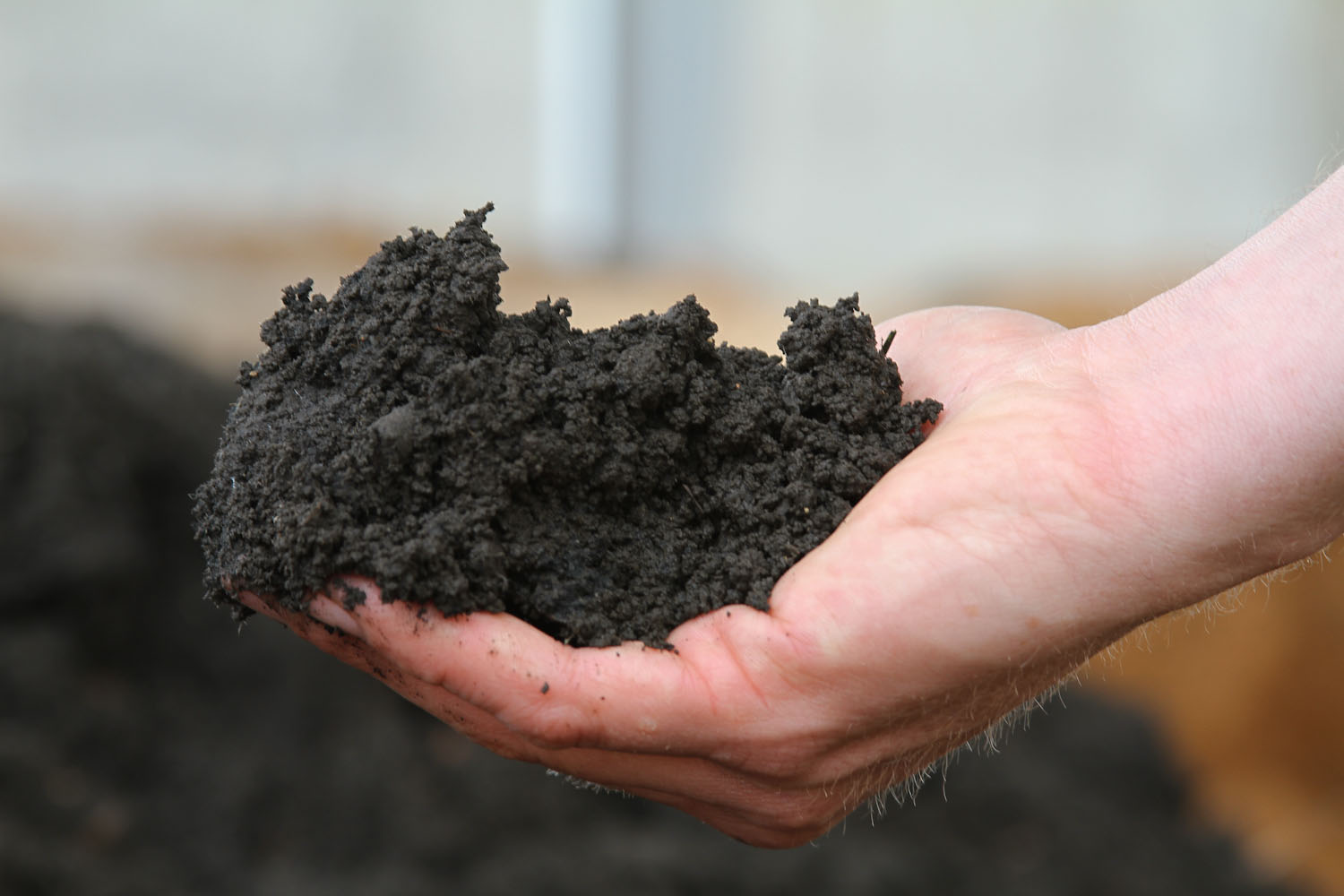
This is not the first time concerns have been raised about PFAS in Bloom. In 2021, testing conducted by the Sierra Club found Bloom had significantly higher PFAS levels than other biosolids on the market. The group recommended that farmers and home gardeners avoid using biosolids due to the presence of the chemicals.
But DC Water officials stand by Bloom, and say it’s safe to use, despite the presence of PFAS chemicals.
“I don’t like the characterization that there are extremely high levels and in our biosolids. That’s, in my opinion, an overstatement of the problem,” say’s Chris Peot, director of resource recovery at DC Water.
Peot says PFAS are present in Bloom “at lower concentrations than in the products that are used in our homes.”
Indeed, PFAS have been found at high levels in everything from school uniforms to food packaging to organic pasta sauce.
As for the well contamination in Poolsville, Peot says he does not believe Bloom was to blame. “I know we’re an easy target because we’re poop,” he says. “I hate to say it, but the contamination could be from anything.”
But advocates say the presence of the chemicals in biosolids is troubling, and say at least a temporary moratorium is in order.
“We’re concerned for the agricultural producers, we’re concerned for the consumers, and we’re concerned for those who rely on groundwater for their only source of water,” says Caroline Taylor, executive director of the Montgomery Countryside Alliance.
There are thousands of PFAS chemicals, and it’s impossible to test for all of them. The testing commissioned by the groups found some chemicals as high as 65 parts per billion.
PFAS are not currently regulated by the Environmental Protection Agency, and the chemicals are used in countless consumer products, often to make them water resistant or stain resistant.
The Environmental Protection Agency recently released new health advisories for PFAS in drinking water. These are non-enforceable recommended levels. The EPA is also working on a risk assessment of PFAS in biosolids, which is expected to be released late in 2024.