 Jordan Pascale
Metro is mourning the death of one of its own this week. A Metro power worker, Robert Cunningham, was killed Wednesday trying to stop a man from shooting more people on the Potomac Avenue station platform. But the concerns about guns and safety on Metro have grown with operators heroically getting people out of harm’s way during shootings at Metro Center and on the 54 bus in recent weeks. Metro had a 33% increase in violent crimes in 2022.
Transit unions across the country have been trying to get penalties increased for assaulting transit workers for years. Metro operators have been hit, spit on, had urine thrown on them. And recently, they’ve faced a spate of gun attacks. They’re worried about their safety as they have increasingly been on the front lines of public violence.
General Manager Randy Clarke said the gun issue is not just a Metro problem or a D.C. problem, but an American problem. He’s adding more police patrols, cameras, and mental health specialists in hopes of fixing some of the issues and bringing riders a renewed sense of confidence in the system that is still recovering from low COVID-era ridership.
Less than a week ago, Metro was honoring a rail operator and a bus operator who got riders to safety after shootings on a platform and at a bus stop.
“Ms. Stanley, we join our customers in thanking you in the most sincere way, you did an amazing, amazing job,” Metro Board Chair Paul Smedberg told one operator. “Thank you so much.”
Both acted heroically and prevented more people from getting hurt. But days after honoring those workers, Metro suffered another tragedy – its first loss of a worker to violence in more than 20 years. Wednesday morning, Cunningham, 64, intervened in a dangerous situation on the Potomac Avenue platform. He was shot and killed.
Police say the violence started when 31-year-old Isaiah Trotman was on a bus and put a gun to the head of another rider. The rider ran to escape but was shot in the leg. Trotman then went down into the station and atttacked a woman who was at a fare machine. She was also shot in the leg. Next, Trotman went down to the platform. That’s where Cunningham stepped in to protect others.
“His heroism has to be recognized here today,” Assistant Police Chief Ashan Benedict said Wednesday.
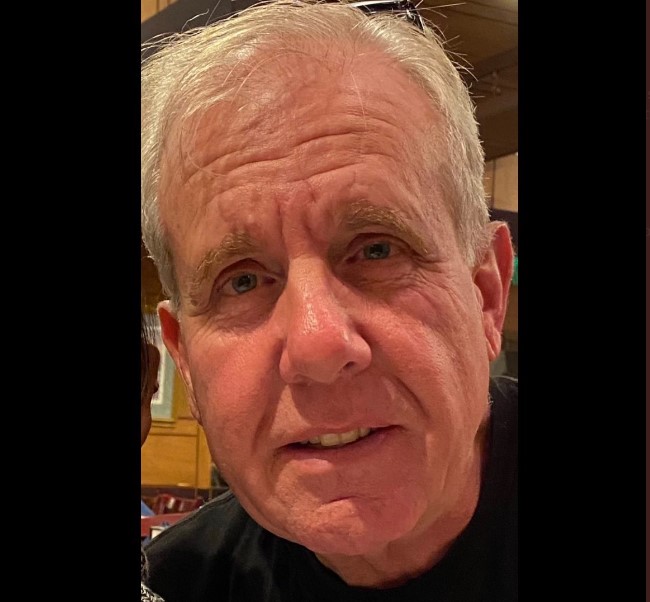
Cunningham had worked for Metro for 20 years and was near retirement. Colleagues describe him as gentle and caring and would do anything for anyone. He leaves behind a wife and four children. Metro has started a GoFundMe.
Mayor Muriel Bowser says the District is working on its gun violence problems.
“We’re focused on how we get guns and how we get guns out of our city, whether it’s the Metro, it’s the street, it’s individual homes,” she said. “We know that we have guns that are creating tragedies in our city and in our nation.”
The escalation in violence on Metro buses or in train stations is concerning Metro workers and riders alike. Barry Wilson, a bus operator and union representative, said crime was bad in the 80s and 90s, but he believes it’s getting worse.
“I haven’t seen it, in my 23-year tenure, as bad as it’s getting right now,” Wilson said.
Train operator Victoria Stanley, who saw a commotion on the Metro Center platform after a shooting and sped her train out of the station to protect passengers on board, said she prays every day for her safety and the safety of her passengers. She’s worked for Metro for 16 years.
“We are dealing with the public and you never know what to expect from day to day,” she said after the award ceremony last Thursday. “When you leave home, your main goal is to get back home to your loved ones.
“So during the day you just have to really pray up because you don’t know what you’re going to face out there in the streets.”
Metro has been trying to address violent crime by increasing transit police patrols by 30% in recent months. They’re also adding more cameras and have hired four mental health crisis intervention specialists.
General Manager Randy Clarke says a lot of people talk about stresses on the job, but safety is the number one issue for him.
“There’s nothing I care more about than the safety of our staff and our customers,” he said. “I tell you right now that management team, myself, others, the board, the ultimate stress is making sure our customers and our staff are safe every day.”
For months, Clarke has been denouncing the gun violence in America that has spilled onto transit.
“We have a societal issue with gun violence,” Clarke said, noting that there is no targeted violence on Metro. “If anything, we’re the fabric of the community. We’re the vessels and veins of the community.
At a meeting last week, Transit Police Chief Michael Anzallo said he’s putting more plainclothes officers on buses to deal with assaults and other anti-social behavior. He would like to have more officers, but hiring is a nationwide problem right now.
“We have to be strategic about how we deploy (officers we have),” he said. “My preference is deploying where there has been violent crime.”
Wilson, bus operator and union rep, would like to see more officers on board and stronger legal penalties for assault. He was assaulted by a bus rider in 2016 and feels like little was done about it.
“We tried and tried in the past to shed some light on that and of course, our cries have went unanswered,” he said.
Meanwhile, Metro riders in the area say the randomness of the shooting scared them. ANC Commissioner Matt LeFortune who represents the Potomac Avenue station area said residents are mourning the loss of Cunningham, and are also evaluating how they feel about taking Metro.
“It is a tragedy and an awful random act of violence, but it is going to shake the way feel folks feel about the system for a while,” he said. “And if we want people to take Metro, they have to feel they can do it safely.”
Metro says it is increasing transit police on bus and rail in the coming days.