Héctor Alejandro Arzate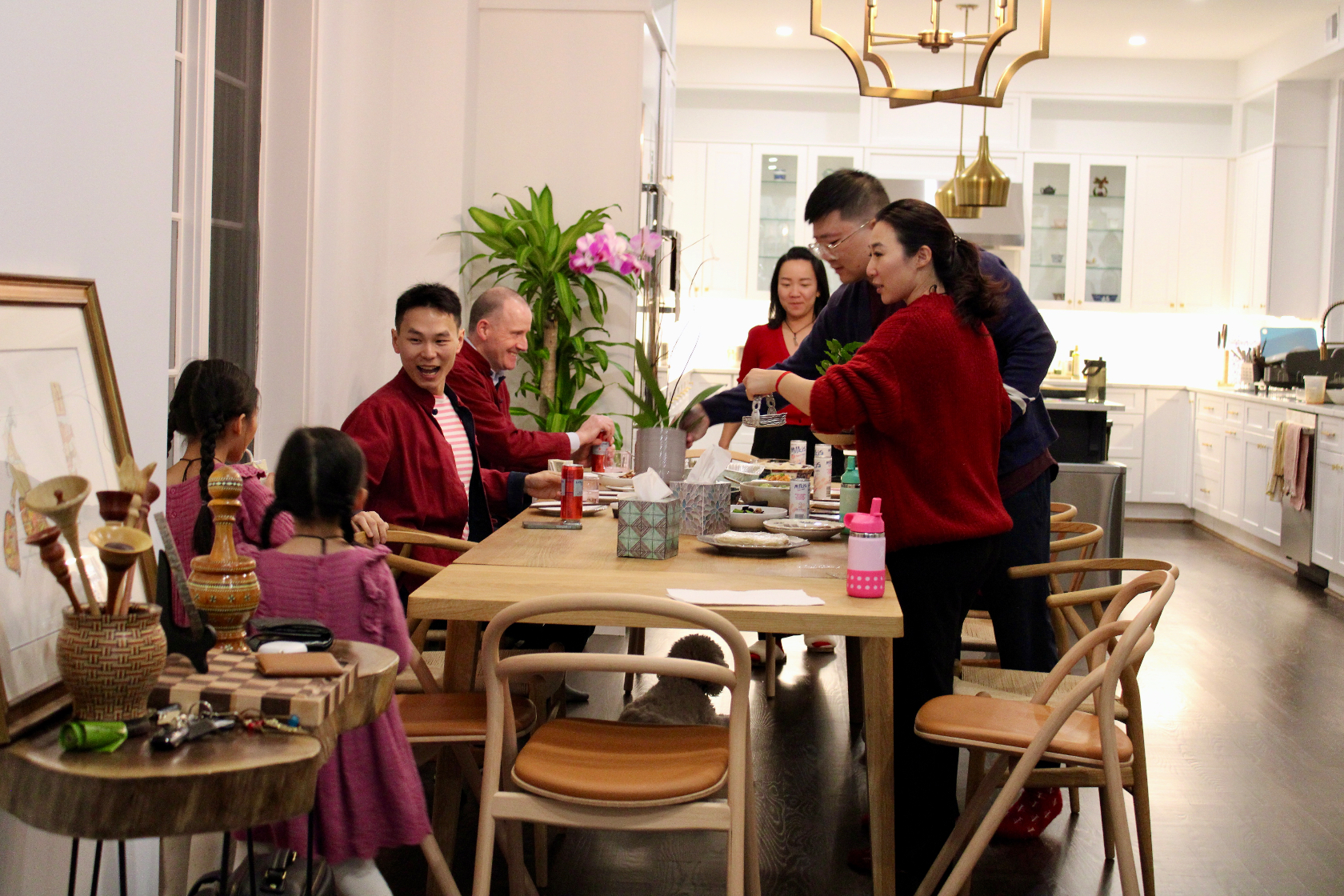
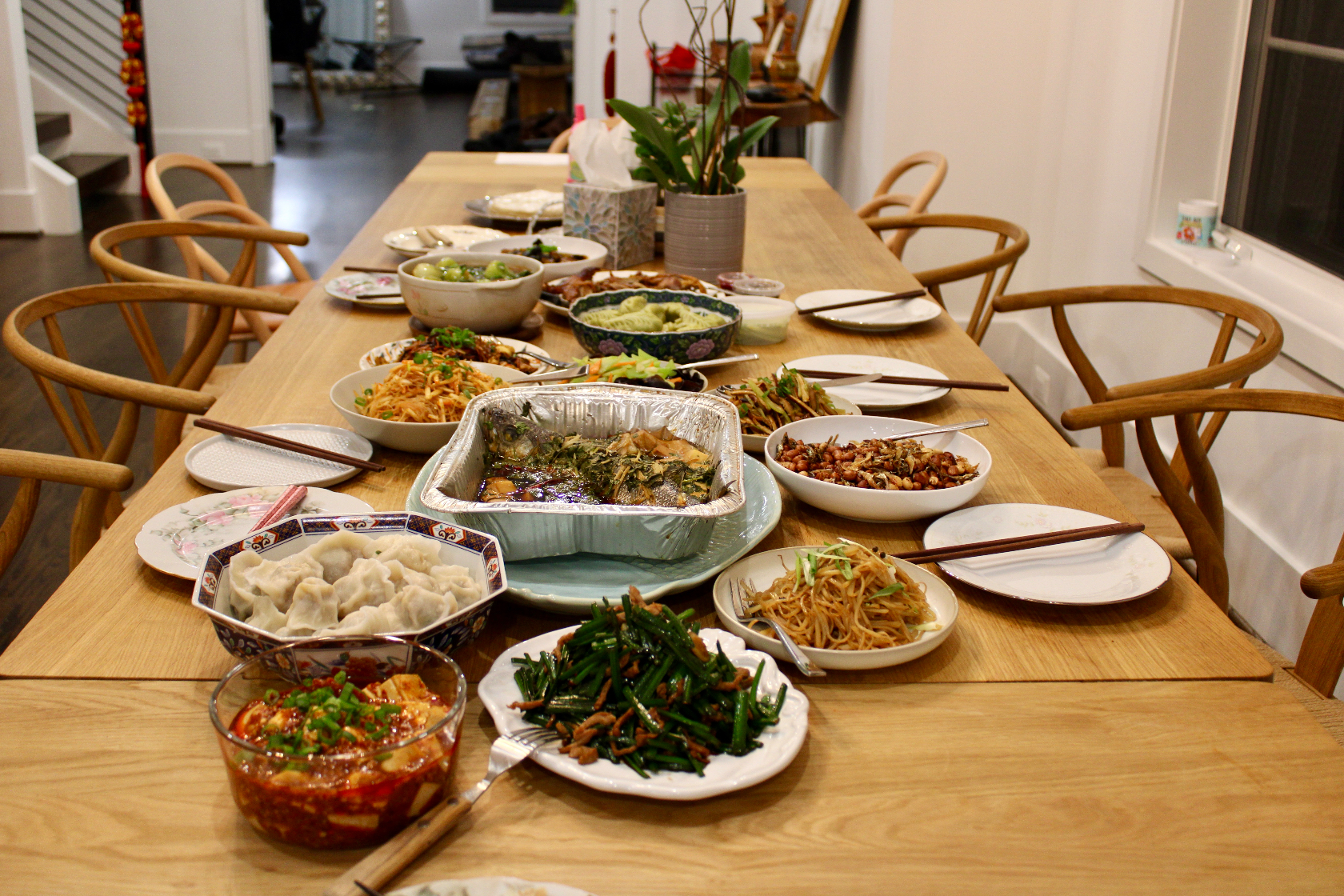
To Lisa Chang, aka Mama Chang, the Lunar New Year is supposed to be a time for getting together with those you love. It’s important to her, and she shows that by preparing a meal for her guests spread around the table: mushroom moo shoo, glass noodles, mapo tofu, both pork and vegetable dumplings, and peking duck (prepared ahead of time at her husband’s restaurant, Q by Peter Chang).
She also prepares a branzino fish – which represents surplus due to its shared pronunciation with ‘yu’, the Chinese word for abundance. The tradition is meant to ring the year in with good fortune for the months ahead. But more than that, Chang believes it’s about family and focusing on the good.
“In other times, people are so busy– hectic –with other things,” said Mama Chang, who spoke through an interpreter. “This is a quiet time when things calm down and these traditions bring back the memories from [home].”
On the eve of Lunar New Year, Yao Zhao made the trip to Chang’s home in northern Virginia. Zhao is the founder of 50Hertz, a local food company that makes products with Sichuan peppers. He was invited to mark the start of the celebrations by Chang’s daughter, Lydia, whom he considers his “chosen family” in the U.S.
“We’ve become instant friends,” said Zhao, who was born and raised in Chongqing, China. “[Because of] that shared culture and shared family background.”
Lydia Chang, who recently gave birth to a daughter, said this year is a particular important one to celebrate. She wanted to welcome the fresh beginnings of the year with the company of her friends and family.
“It’s important to us to carry the tradition,” said Chang, who moved to the D.C.-region in 2001 with her family. “It’s important to spend time with the people that are important in your life.”
Vivan Zhang made the trip from New Jersey with her husband and two daughters. For her, the new year celebrations – which extend beyond January 22 – are crucial to her identity. She wanted her daughters to take joy in the food and shared traditions, such as the gifting of red envelopes.
“This is who [we] really are,” said Zhang. “I hope I can pass those memories to my kids for generations.”
In light of recent years filled with anti-Asian sentiment and violence against the community, Zhao felt it mattered that he celebrated the holiday despite being so far away from his country of birth. He said it encouraged him to honor his heritage and share it with others.
“We want to be ourselves, we want to be Asian,” said Zhao. “Our community and the bigger community are quote-unquote, fighting back against that.”
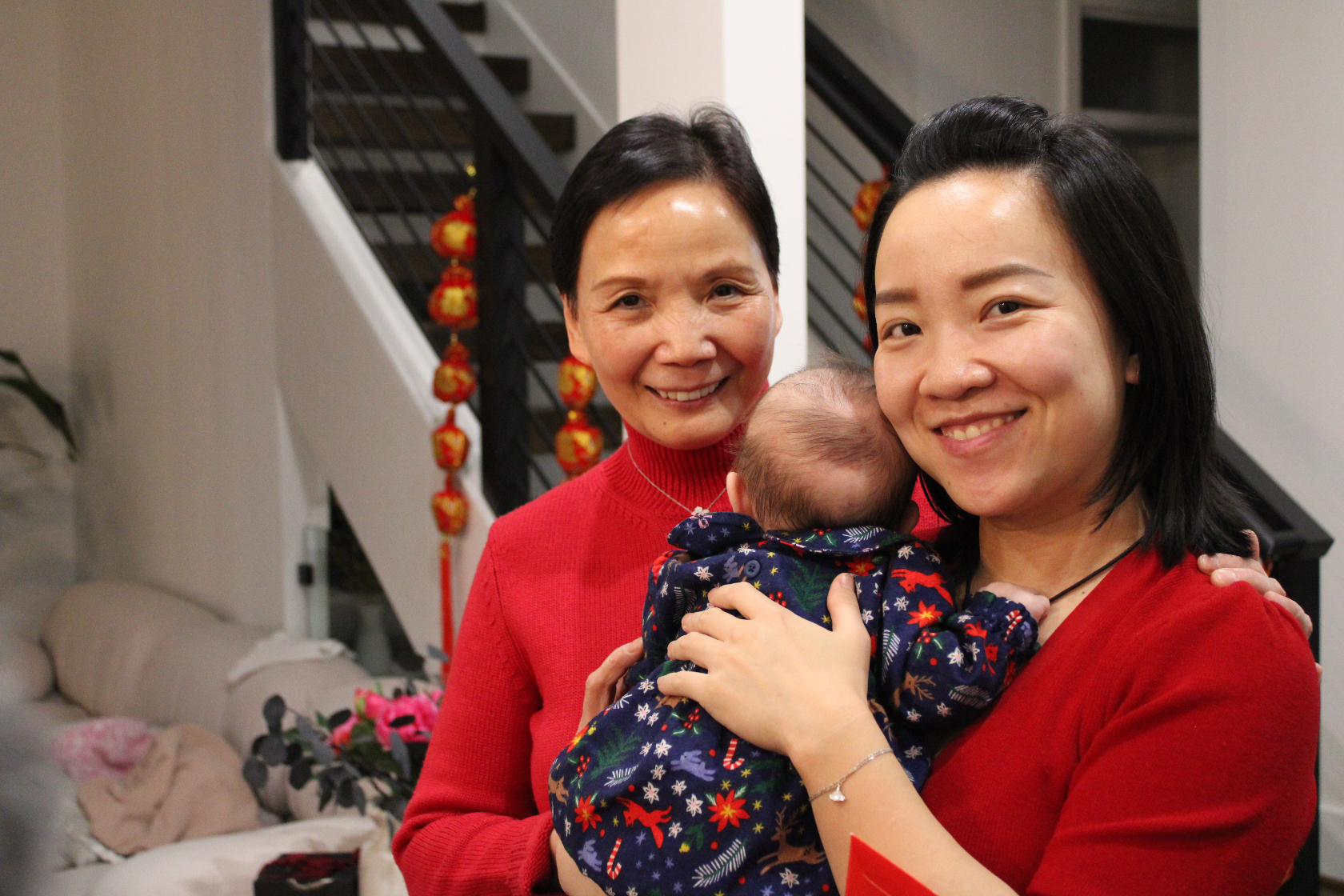
The group didn’t know it then, but the next day, they– along with countless communities throughout the country– would awaken to the news that a gunman killed 11 people and wounded 10 others in the hours after a Lunar New Year celebration in Monterey Park – a community in California that is predominantly and historically Asian American. Just a few days later, a second mass shooter killed 7 people and injured 1 person, predominantly immigrants and of Asian descent, in Half Moon Bay, California.
“The shooting is really heartbreaking,” said Zhao in a text message in the days after. “As an immigrant, the rampant gun violence in America is a rather new yet now familiar reality to me and many others.”
While many have been quick to make a distinction between the mass shootings and the reported wave of anti-Asian violence, the news came as another blow to some in the community. As the director of the Mayor’s Office on Asian and Pacific Islander Affairs in D.C., Ben de Guzman described it as a microcosm. Still, he didn’t want the shooting to reign over the time for celebrations.
For the first time since 2020, the Lunar New Year parade returned to the District’s Chinatown. Hundreds joined the celebration in honor of the Year of the Rabbit, a time that is thought to symbolize hope and peace.
“We held our parade because people wanted to be in community,” said de Guzman. “We knew that we were going to have to look forward.”
Over the last few years, de Guzman’s office has been at the frontline for the community – with law enforcement alerting him to any incidents of violence. Residents also often turn to the MOAPIA for help navigating issues around safety. Those experiences have given him a greater sense of responsibility to provide for those in need.
“For us it is about building community and for us it is about supporting each other,” said de Guzman.
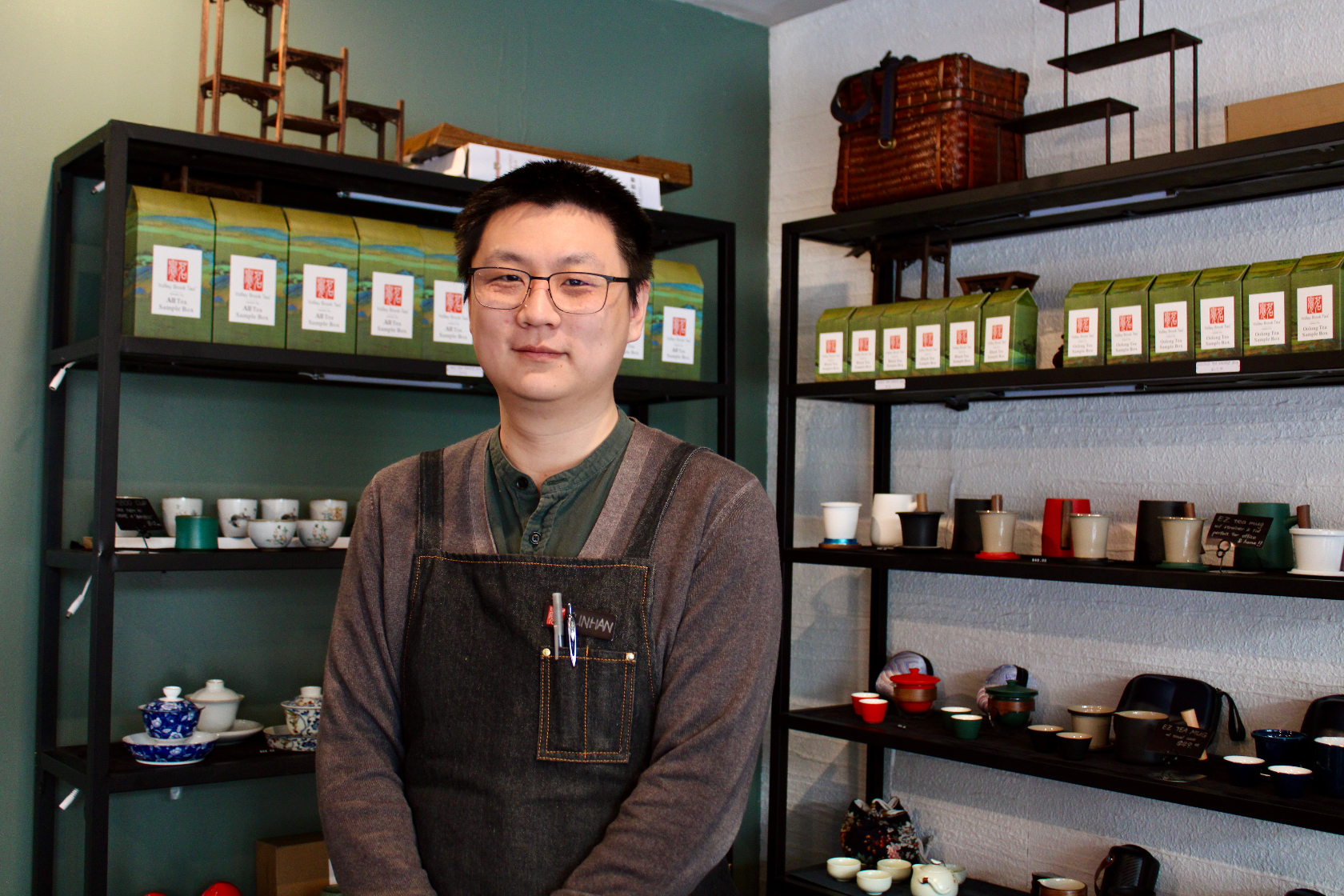
During times like these, Yunhan Zhang says it’s critical to surround yourself with the positivity of community. In November of 2020, a man walked into Zhang’s business shouting xenophobic statements before pepper spraying him in the face. Since then, Zhang said he has mostly put the experience behind him.
“It’s always difficult if you try to explain why violence happens,” said Zhang, the owner of Valley Brook Tea. “It’s more important about how we navigate ourselves to find the positive side of all things because at the end of the day, no matter what happens, we still have our own life to move forward.”
Milly Zhang met Yunhan Zhang at an event for the Chinese embassy and they’ve since become friends. As a parent, she feels it important to set an example of resilience and pushing back against the feeling of despair that can come from the news of the shootings or attacks on others.
“Those stories are so scary and it definitely cause me anxiety,” said Zhang, who lives in the nearby suburbs of Maryland. “But they also encourage me to fight for a better future for my son.”
Instead, Milly Zhang wants her son to feel as though he can embrace his roots – especially during special times like the Lunar New Year. Like others, she feels a deep connection to her identity through tradition, and doesn’t want her son to miss out because of fear.
“It’s important for me and my family to carry on the torch,” said Milly Zhang. “I hope he can find a good balance of knowing who he is. And that’s going to help him to embrace the world – because that’s what helped me to embrace the difficult times or challenges.”
For Yunhan Zhang, the Lunar New Year can offer lessons that extend far beyond the days of celebrations. He says he can always look forward to the spring no matter what hardships he faced in the year before. That, he says, can apply to the good and the bad of life itself.
“People have a hard time like all of the time. But the New Years is actually the time period that you have to be positive. You have to find good things to start a new year or the new farming season,” said Zhang.