Héctor Alejandro Arzate
 Tyrone Turner
For as long as Annie Trần can remember, her dad has owned Thanh’s Video.
It’s a store tucked inside of the Eden Center, a historic shopping area that has served the Vietnamese community for more than three decades. While her dad started out renting VHS tapes, he’s since moved on to selling DVDs, karaoke CDs, and even herbal supplements. To Trần, who used to ring up customers before she was tall enough to see over the counter, it’s more than just a business.
“It really is another home to me,” says Trần, who was born and raised in Falls Church, Va. “I would love going here every weekend with my parents. We wouldn’t have a babysitter, so I’d just hang out in the store.”
Trần is 20 years-old now and says she has a better understanding of just how much the Eden Center means to the community, especially to those who fled the war in Vietnam – including her parents, Ngọc and Thanh. Her parents spend most of their time at the business, says Trần. They even keep a microwave, a change of clothes, and a camping cot in the back.
“I’m just really proud of my family for all that they’ve done,” says Trần.
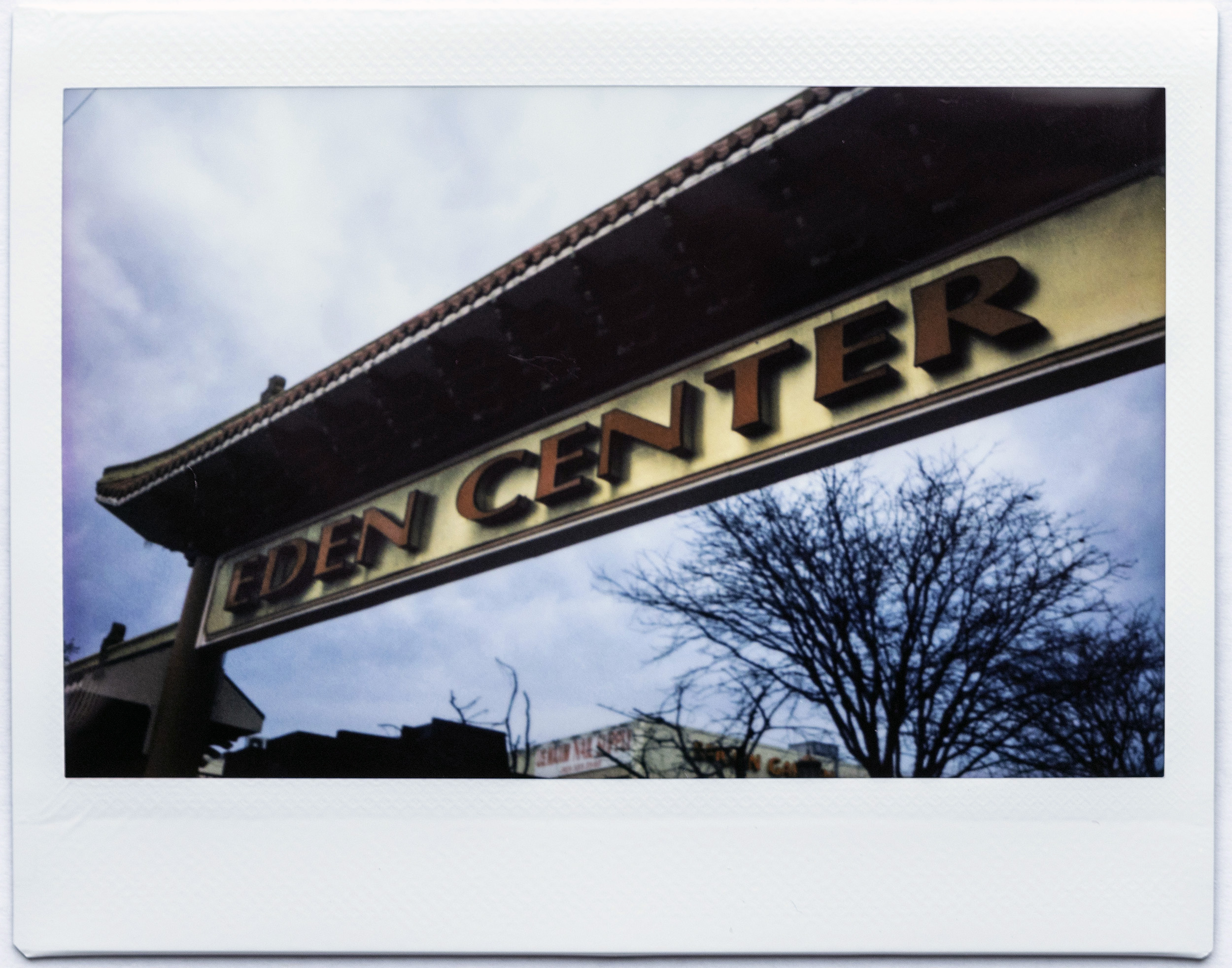
But when word spread that there could be plans for new retail and residential development surrounding the Eden Center, concern grew that it could lead to increased rent prices and drive out business owners. Trần, who works full-time but has plans to eventually pursue a college degree, worries that her parents could lose their main source of income.
“All I could think about was, ‘Shit, if my dad loses his shop, I need to focus on getting that degree and like, getting a high-paying job immediately,’” says Trần.
Known as the East End Small Area Plan, the new development proposal began with a community kickoff in November of 2021. The project was commissioned by the city council as a reinvestment plan for some of its commercial areas. Letty Hardi, the vice mayor of Falls Church, says it’s part of a long-term planning tool that the city is utilizing in seven other locations as well.
“They’re really kind of our commercial districts where the planning department would like to kind of put forth a 20-plus-year vision of how we could use this land differently, what sort of amenities we want there, what sort of development options, what sort of housing types, transportation, et cetera,” says Hardi.
According to a draft vision statement, future development could lead to transportation investments, green spaces for the community, and preserving housing affordability while rezoning for new commercial and residential development. The draft for the plan also outlines numerous goals, with the top priority being to “preserve the Eden Center and its cultural identity,” as well as providing programming and public art investments to celebrate the Vietnamese community. According to Paul Stoddard, the principal planner for Falls Church, the most important aspect of the plan is to build on the area’s already existing strengths.
“It’s a place that people call home and it’s very important to the Vietnamese community. And so we’ve been clear in the planning language from the start that we want to hold on to the buildings, we want to hold on to the culture, and we want to make sure that the sort of tools are in place, that that place can continue to thrive going into the future,” says Stoddard.
In the time since the plan was introduced, there have been numerous work sessions among the city council and the planning commission. There was also an outreach event at a nearby farmer’s market. The only problem, says Trần, is that many Vietnamese community members and business owners didn’t know about these events or weren’t aware that any plans for redevelopment had made this kind of progress.
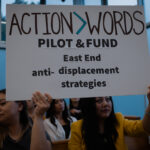
When Trần asked her parents about the potential redevelopment, she says they brushed it off and said it was something that wouldn’t happen for at least a few years. That’s why Trần and a handful of other young Vietnamese Americans have come together to make business owners aware of and empowered to have a say in the future of the Eden Center. Quỳnh Nguyễn, an organizer with Viet Place Collective, says their priority is to preserve the center’s cultural legacy – something they say was established by the Vietnamese community in the first place.
“What we have given ourselves the duty to do is to inform Eden’s business owners and workers, as well as the greater community, that they do indeed have a voice in it,” says Nguyễn.
Since then, organizers with the collective have built a campaign to inform the community about what’s happening with the proposal for redevelopment. They’ve gone business-to-business with fliers in Vietnamese. They’ve made a point to get input from community members about what they would like to see in the redevelopment. Organizers have even demanded that Falls Church hire a Vietnamese Outreach Specialist.
“Part of the work that we’ve found ourselves doing is just being the bridge, which is not an unfamiliar position for children of immigrants to be in, right?” says Victor Nguyễn-Long, another organizer with the collective. “We’re just hoping to try to bridge that to ensure a legacy for the Vietnamese community here in northern Virginia.”
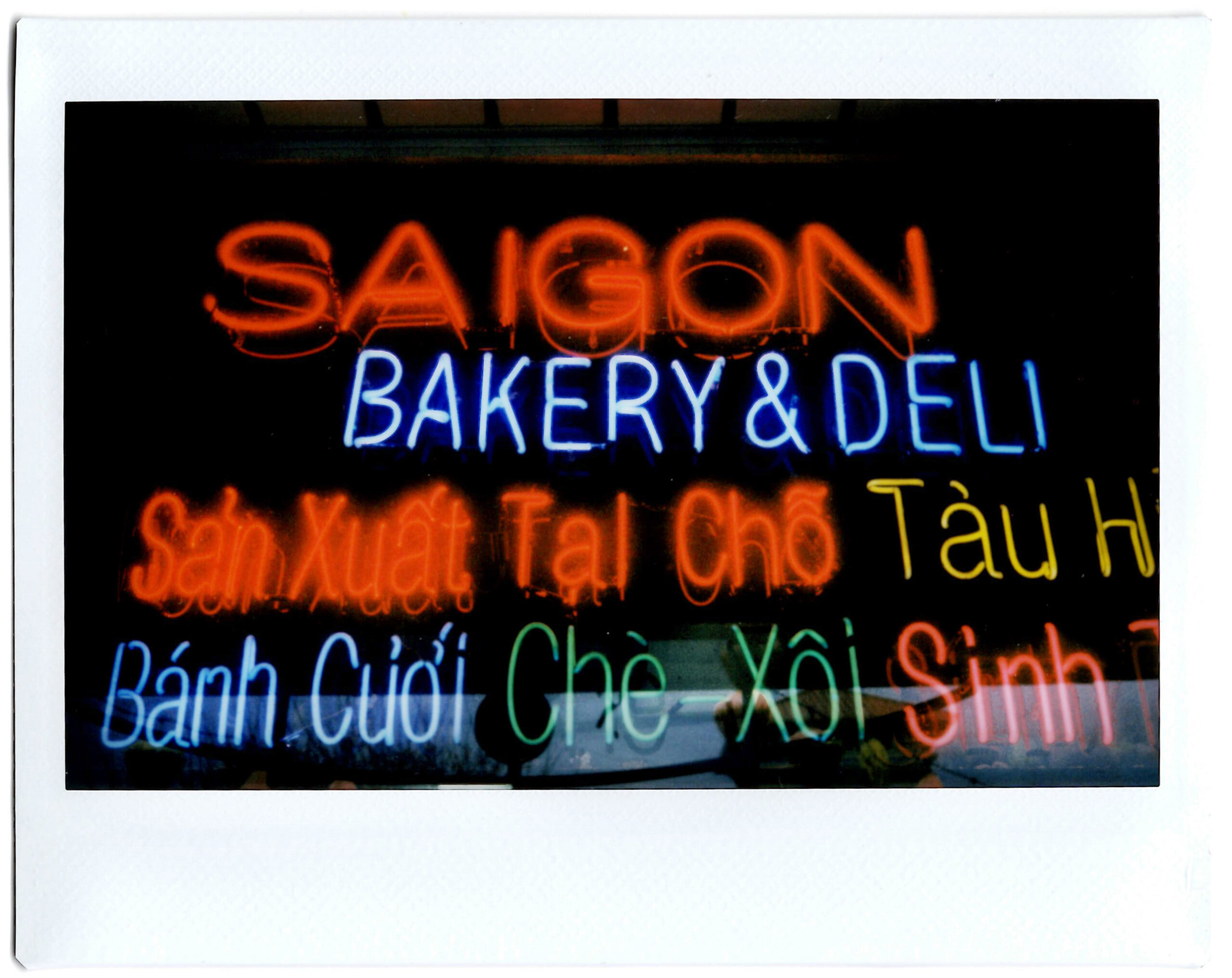
The group’s outreach led to approximately 70 people giving public testimony to the city’s planning commission during a meeting in mid-January. It also prompted city officials to acknowledge the need to take a step back in order to make space for community input.
“Plans had been done, initial outreach had been done, but it had been insufficient,” says Derek Hyra, a member of the planning commission. “I think it’s really important for our city, as we go forward, to really work with the businesses to better understand what will help them thrive as opposed to what will help our city bring in a greater tax base.”
Many in the community have shared that because they don’t understand English well, they feel apprehensive about weighing in on the future of the Eden Center. Annie Trần’s mother, Ngọc, does not speak English so she says the work her daughter is doing helps her to better comprehend the situation.
“She’s very proud of me,” says Trần while interpreting for her mother. “I can go and translate it for her because she’s a little scared.”
Notwithstanding the earlier point of contention between community members and city officials, much of the Viet Place Collective’s organizing has been successful. There are now plans to host multiple listening sessions at the Eden Center, including four more pop-ups where business owners will be able to voice their opinions. According to Stoddard, that new feedback will allow the planning commission to present the wants and needs of business owners.
“The plan is important in that it provides a vision but really what that plan is capturing is the community conversation,” says Stoddard.
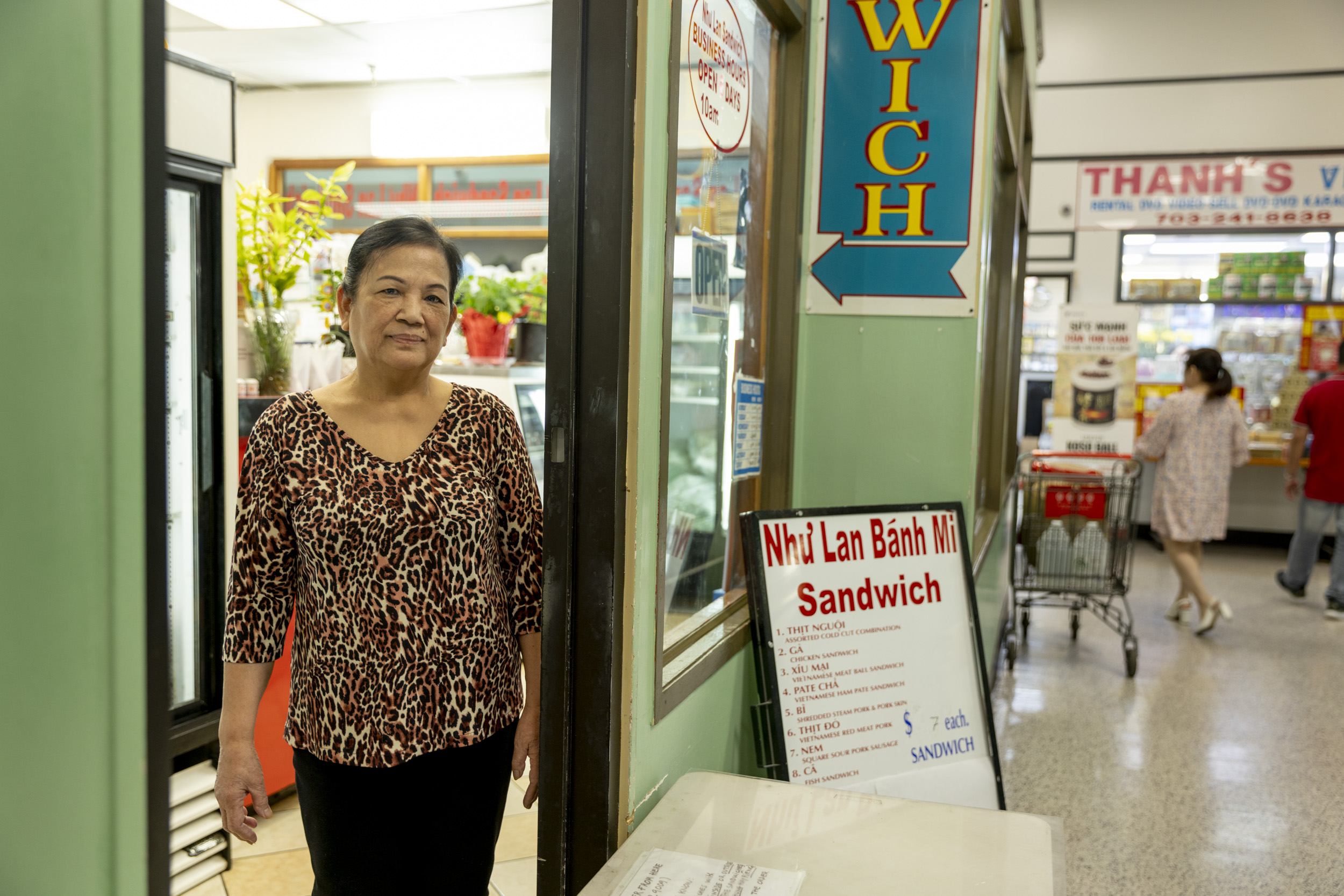
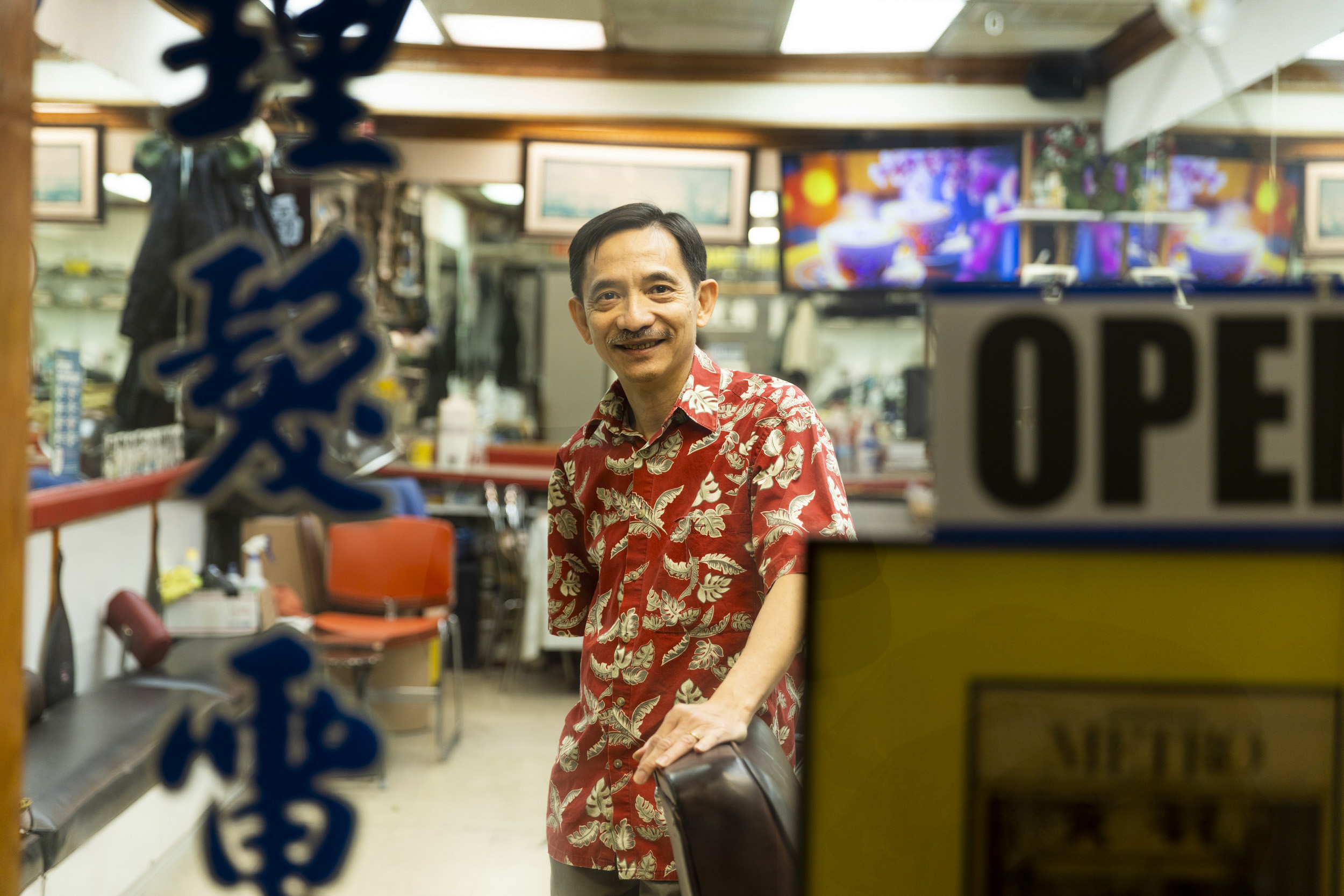
For business owners like Hùng Hoàng, making him and others feel included will go a long way to preserve the Eden Center. Hoang inherited his father’s business, a barbershop that was opened when the Vietnamese community first began arriving in Falls Church. He says he’s proud to see the next generation stepping up.
“I’m just a small one in our community, but we should rally as one. United, we will be bigger. This the main thing: we need the people to speak out,” says Hoang, the owner of Hoàng Thỏ II.
Although Hoang and other business owners say it’s important to keep the Vietnamese culture right where it is, they agree that the Eden Center could benefit from reinvestment in its infrastructure. He and others want to see improvements in parking availability, new plumbing and electric systems, fresh paint on the walls, green spaces, and more on-site security.
“I want the building to be better. The construction now [is] no good. The water overflow all the time, the sewer maybe no good. And you know, the rent [is] so high here. My shop [is] very small but a lot of money for a month,” says Halu Ha, the owner of Như Lan, a Vietnamese sandwich shop.

While the campaign for Viet Place Collective began as a way to inform the community about the city’s plan to propose redevelopment, it’s no longer just business as usual. Organizers and business owners say they want to see things like grants for legacy businesses to keep them from shuttering, as well as help with keeping commercial rent as low as possible.
“We think anti-displacement strategies, small business preservation programs and strategies should be their number one priorities,” says Nguyễn on the next steps for the city council and planning commission.
The collective also wants to designate the surrounding area “Little Saigon” as a way to honor the contributions made by the community who fled after the fall of Saigon – now known as Ho Chi Minh City. It would also be an acknowledgement of the former Vietnamese hub in Clarendon that was priced out after the construction of a Metro station in 1979.
“They have built a home for themselves, and it feels like a home for a lot of us as well,” says Jess Nguyễn, another volunteer with the Viet Place Collective. “We don’t want to see that go away.”

“The young generation… They come up and, you know, to help for the Vietnamese community center,” says Tu. “I love it because I want to remember my hometown.”
According to Hyra, who is also a researcher in equitable development at American University’s Metropolitan Policy Center, many of these requests could make a tangible difference in fighting displacement. He also says the city can float bonds for tax increment financing to provide funding opportunities for business owners, though it would be a different approach.

“We also could provide small business loans that maybe could help some of the legacy businesses, not just upgrade the spaces that they’re renting, but they could actually buy the space and they could control it and own it,” says Hyra. “What that is going to take is political will of the city to actually spend the money towards preserving and enhancing the small businesses. And I don’t think that’s something that the city has traditionally done.”
Despite all the efforts being made by both the community and the city to retain the Vietnamese culture while making improvements to retail space, whatever comes out of the plan for the Eden Center is ultimately the decision of Capital Commercial Properties, Inc. Alan Frank, the general counsel and senior vice president of CCP says their goals are aligned and that there are few plans to make major changes.
“It’s our intention to keep it as Eden Center forever,” says Frank. “Redevelopment is not going to happen. The only thing we may do to the center, as the years go by, is fix things, make things better. Maybe lighting, maybe plants some new trees, create some public space, if we can, which we’ve done in the past.”
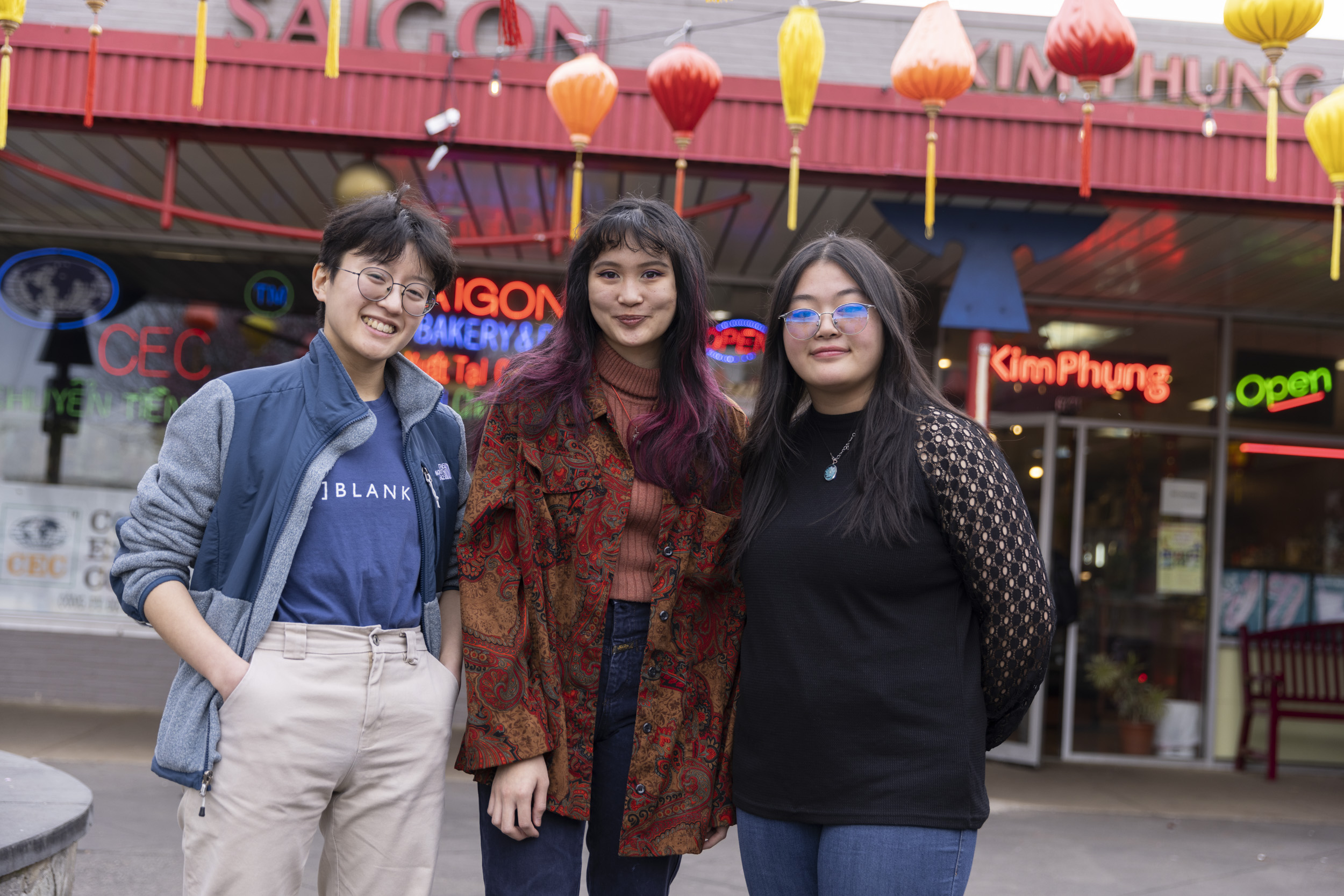
While organizers and the community eagerly await whatever happens next, Trần says the most important thing is to keep her family’s second home intact no matter what. She says she doesn’t want the legacy of the Eden Center to disappear.
“If we are pushed out, there will be no Vietnamese place for us to go to,” says Trần. “I want to take my kids here. I want to show them the culture that’s here. The people, the love, things like that.”