Jacob Fenston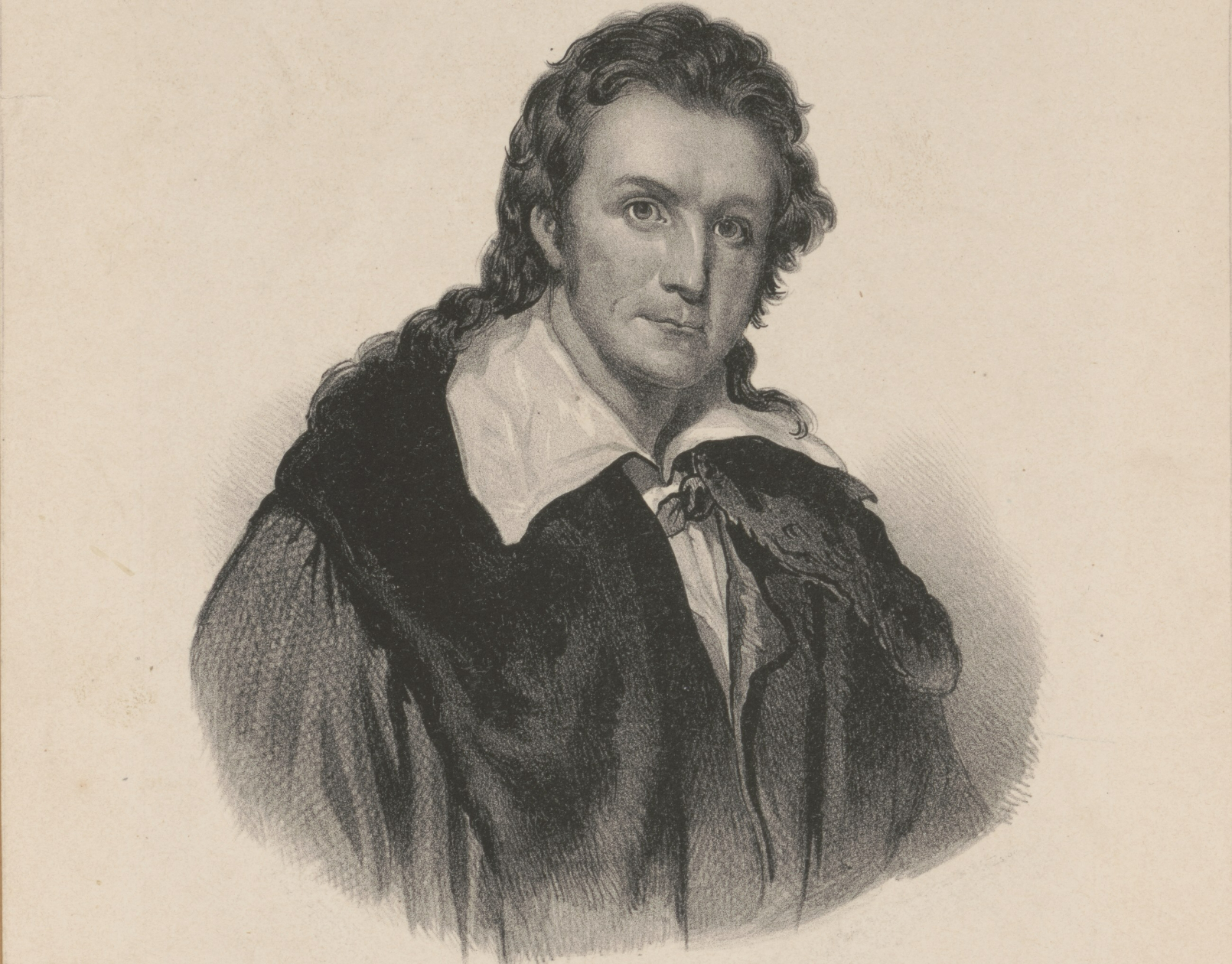
The D.C. Audubon Society is the latest chapter of the bird conservation organization to announce it will change its name in an effort to distance itself from the racist legacy of namesake John James Audubon.
The group will choose its new name in a voting process in the coming months.
“We will no longer carry the name of an enslaver to advance our mission,” the organization wrote on its website earlier this month.
While a half dozen chapters and independent Audubon groups have decided to change their names, the National Audubon Society voted this week to keep the name, after a yearlong process of study and deliberation. Board members of the national group decided that the name Audubon is now much more strongly associated with bird conservation than it is with the 19th century ornithologist and artist who originally inspired the organization’s founders.
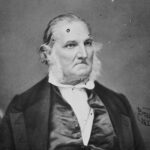
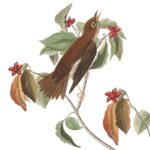
Audubon, the man, was renowned for his highly realistic, life-sized drawings of North America’s birds — groundbreaking at the time. Decades after his death, Audubon’s work inspired conservationists in the late 1800’s who fought to protect birds from being slaughtered for fashion. Only in recent years has Audubon’s past as an enslaver become widely written about.
“I think it is disappointing, but not surprising that the National Audubon Society decided to not change their name,” says Tykee James, president of the D.C. chapter. “They don’t listen to their chapter leaders, and I believe that this will divide the network even further.”

James says the name, Audubon — aside from its connection to a racist enslaver — isn’t helpful on a practical level. It doesn’t really mean anything to a lot of the people James wants to reach in the District.
“Most folks, when I talk to them, when they hear that name for the first time, they think I’m talking about a highway in Germany,” James says, referring to Germany’s famous high-speed Autobahn. “They’re not thinking about bird conservation.”
If not the German Autobahn, people unfamiliar with the name hear “D.C. blah blah blah Society,” James says. “That’s not a great way to market ourselves.”
Audubon, he says, has nothing to do with carrying out the chapter’s mission. “If we’re building people-powered, bird-friendly communities in all eight wards of the District of Columbia, John James Audubon has nothing to do with that. His name has nothing to do with that good work,” James says.
James also takes issue with the other half of the name: Society.
“‘Society’ seems a little too highbrow,” James says. “I think, country club. I think, high priced membership. We don’t have a high priced membership. We are community centered, we are volunteer run.”
More than a year ago, another local Audubon group became the first in the country to announce it would change its name. The former Audubon Naturalist Society, an independent conservation group, is now Nature Forward.
There are more than 450 Audubon chapters and independent Audubon groups around the country. Some of the largest chapters in the country have committed to name changes, including Chicago, Seattle, and Portland.
The Seattle chapter altered its logo while it deliberates on a new name: it now features a bird with a paintbrush and a black slash through the word “Audubon.” The chapter was “shocked, confused, and deeply disappointed” by the national organization’s decision, according to a blog post. “We choose differently. We choose the antiracist path.”
In D.C., the chapter outlined a process for choosing a new name: each board member can introduce up to five proposed names, which will then be considered by the board through ranked-choice voting. The top two names will then be put before chapter members for a final vote.