Jacob Fenston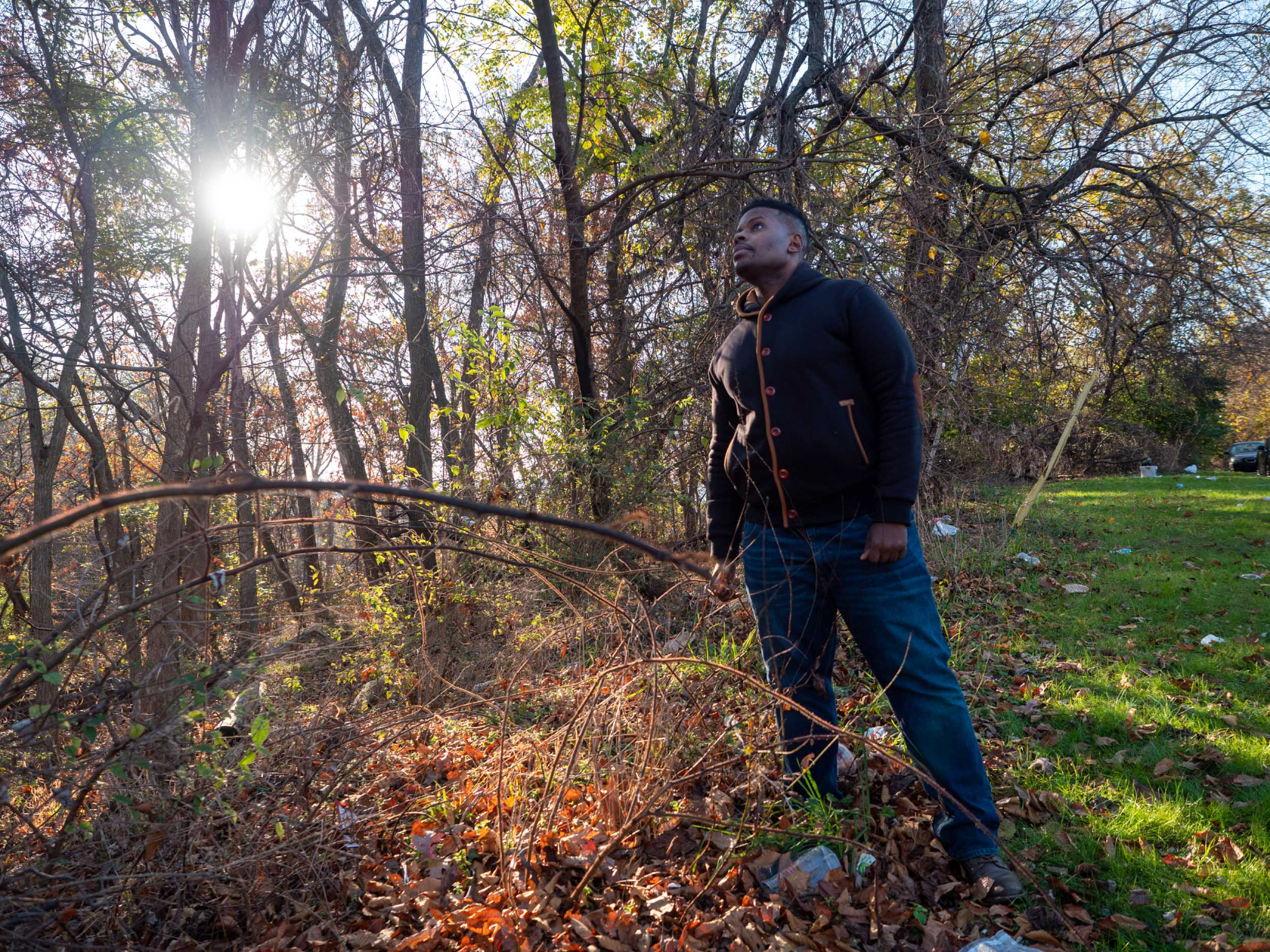
D.C.’s Ward 8 is blessed with some 500 acres of forested parkland, but there are not many ways to access those parks, with just a few miles of trails. Take, for example, Shepherd Parkway — a long strip of forest along the bluffs of Congress Heights, above where the Potomac and Anacostia Rivers meet. The forest is bordered by some two dozen blocks of row houses, apartment buildings, and an elementary school. But there is no way for residents to get into the woods. Not one trailhead. Not one tenth-mile of trail.
Like most of the forested land in Ward 8, Shepherd Parkway is owned by the National Park Service. It has been neglected for decades, a sort of dead space between the neighborhood and the lowlands below. There are a few NPS signs warning, “NO DUMPING OR LITTERING,” but otherwise, little indication that it’s a park.
“We think this is an issue of equity and environmental justice, when you have land available over here, but the park service has just never taken the initiative to actually build trails, put up signage, make it welcoming,” says Nathan Harrington, executive director of the nonprofit Ward 8 Woods Conservancy. Roughly 80% of Ward 8 residents are Black, and the ward has one of the highest poverty rates in the city.
Ward 8 Woods is pushing NPS to allow a dirt trail through Shepherd Parkway, a 200-acre forest wedged between Congress Heights and I-295. Harrington and others at Ward 8 Woods have taken training on trail design and construction, and plotted out a possible route for a 3.8 mile trail through the park.
“Ward 8 has a lot of issues, there’s a lot of concentrated poverty, consequences of institutional neglect and structural racism. But one of the great assets that we have here is urban forests,” says Harrington, who has lived in the ward since 2009.
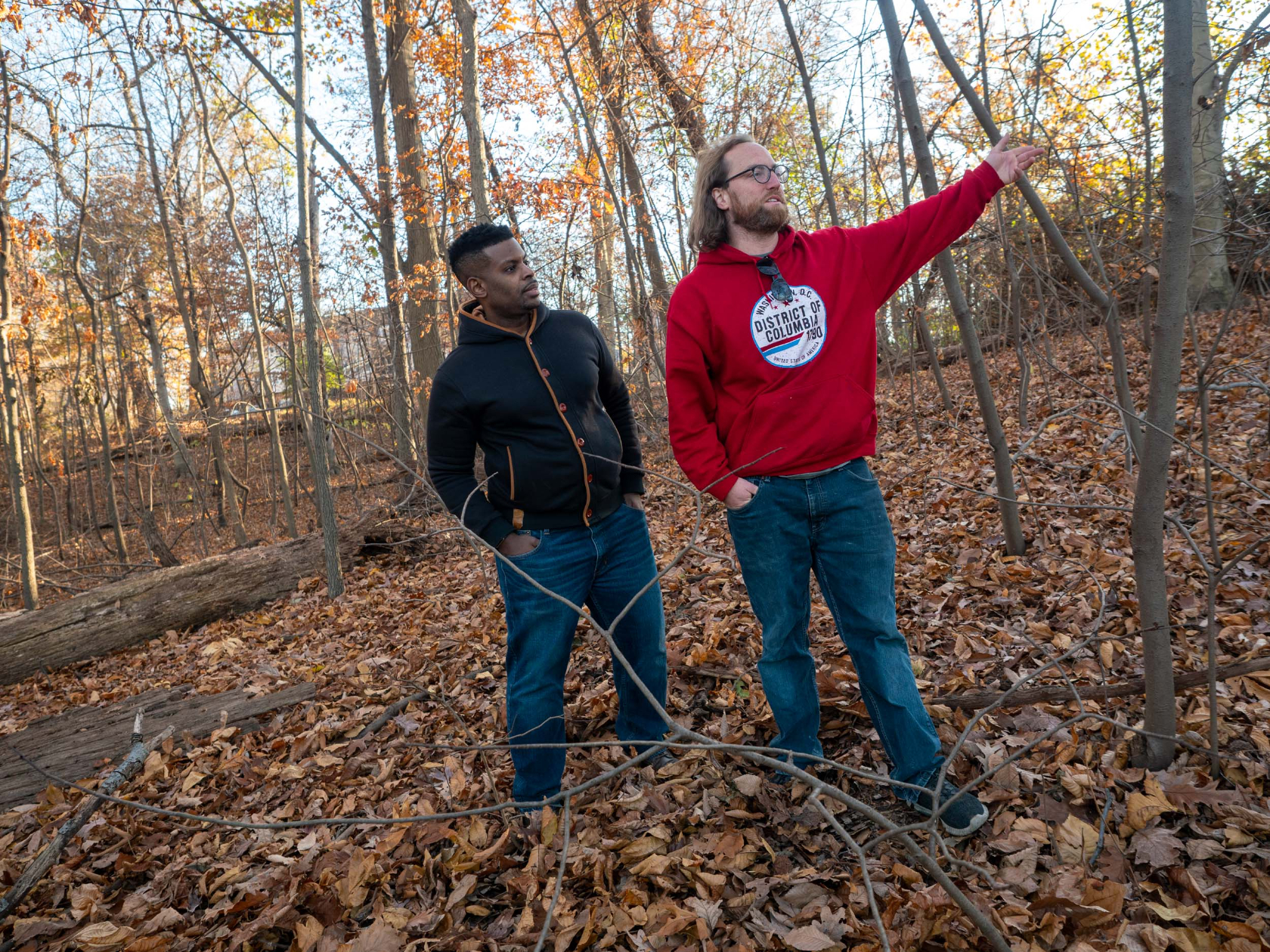
The ultimate vision, Harrington says, is a network of more than 10 miles or dirt trails in Ward 8. Currently, he says, there are only about 1.5 miles of unpaved trails in the ward.
That’s compared to 32 miles of trails in Rock Creek Park, in the much wealthier and whiter Northwest quadrant of the city. Northwest also has trails in lots of small, narrow parks owned by the National Park Service – places like Battery Kemble, Wesley Heights, and Soapstone Valley.
Shepherd Parkway is the largest of four wooded areas in Ward 8. For years it has been abused, with people dumping household trash, tires, construction debris, and old furniture. There are even four old, rusting car wrecks hidden within the park. Invasive vines and trees have been allowed to run amok, strangling native plants.
Since 2018, Ward 8 Woods members have removed tens of thousands of pounds of trash from the park, and cut invasive vines from hundreds of trees. Now, they say, it’s time to get more residents into the woods, hiking, jogging, and otherwise making use of the park.
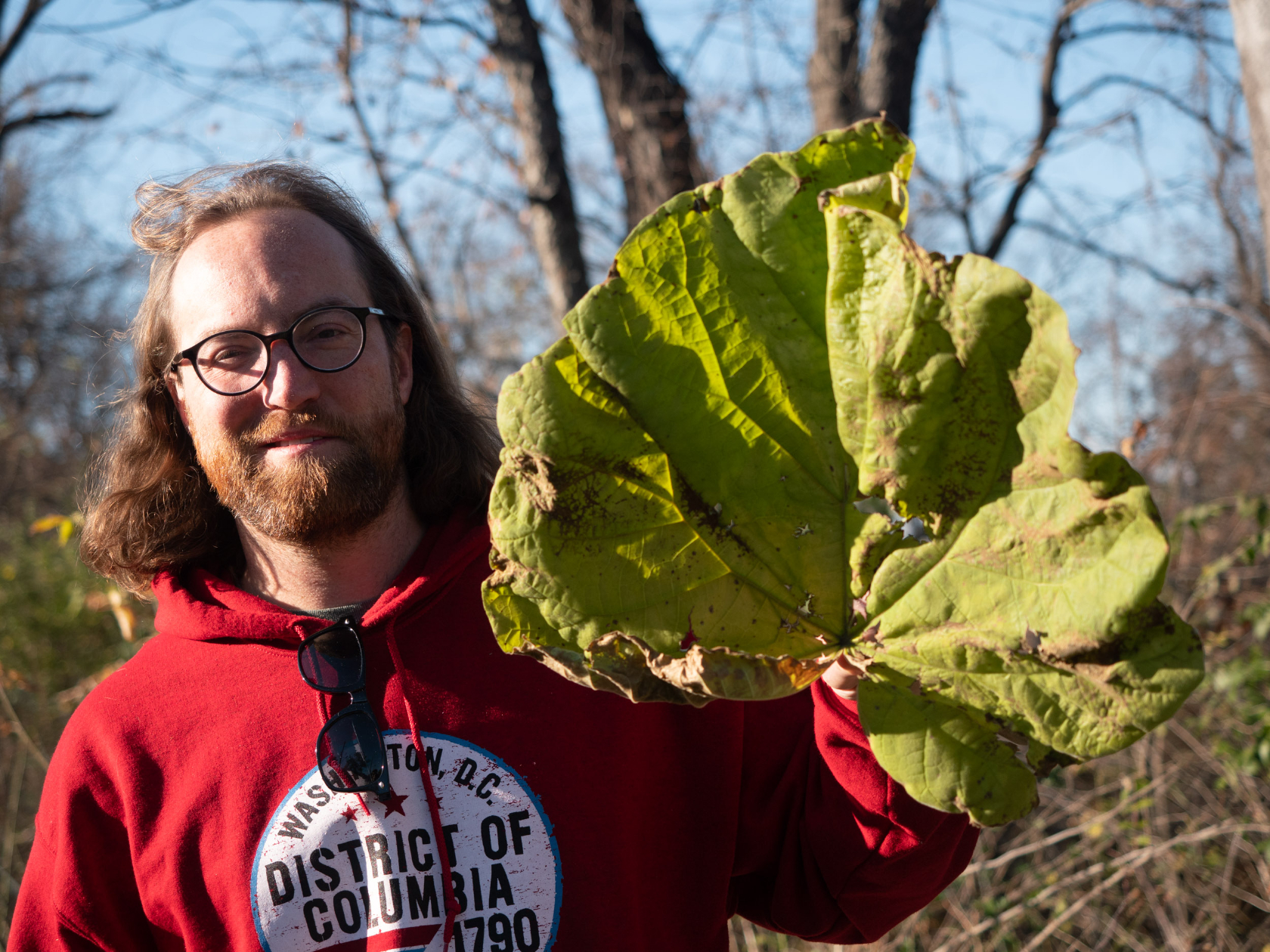
“Literally in your backyard, so much nature, so much access — but no access at the same time,” says Keith Jones, community outreach coordinator for Ward 8 Woods, and a lifelong resident of the ward.
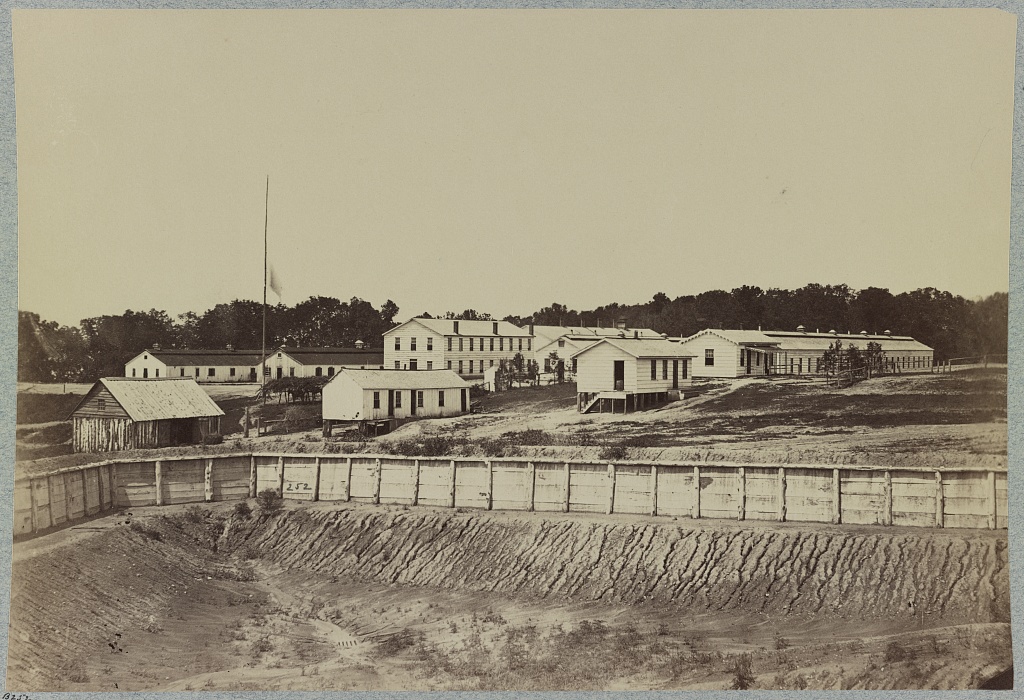
The National Park Service acquired Shepherd Parkway in 1933. It was part of a plan to create a circle of parks around the city, providing recreation for residents, and at the same time preserving Civil War history. Hidden among the trees and vines of Shepherd Parkway are the remains of Fort Carroll and Fort Greble, two Civil War forts.
These two forts protected the southern border of the capital from Confederate attack, with barracks for thousands of troops. Nearby, people who had escaped enslavement, known contrabands, set up camps and worked in the forts.
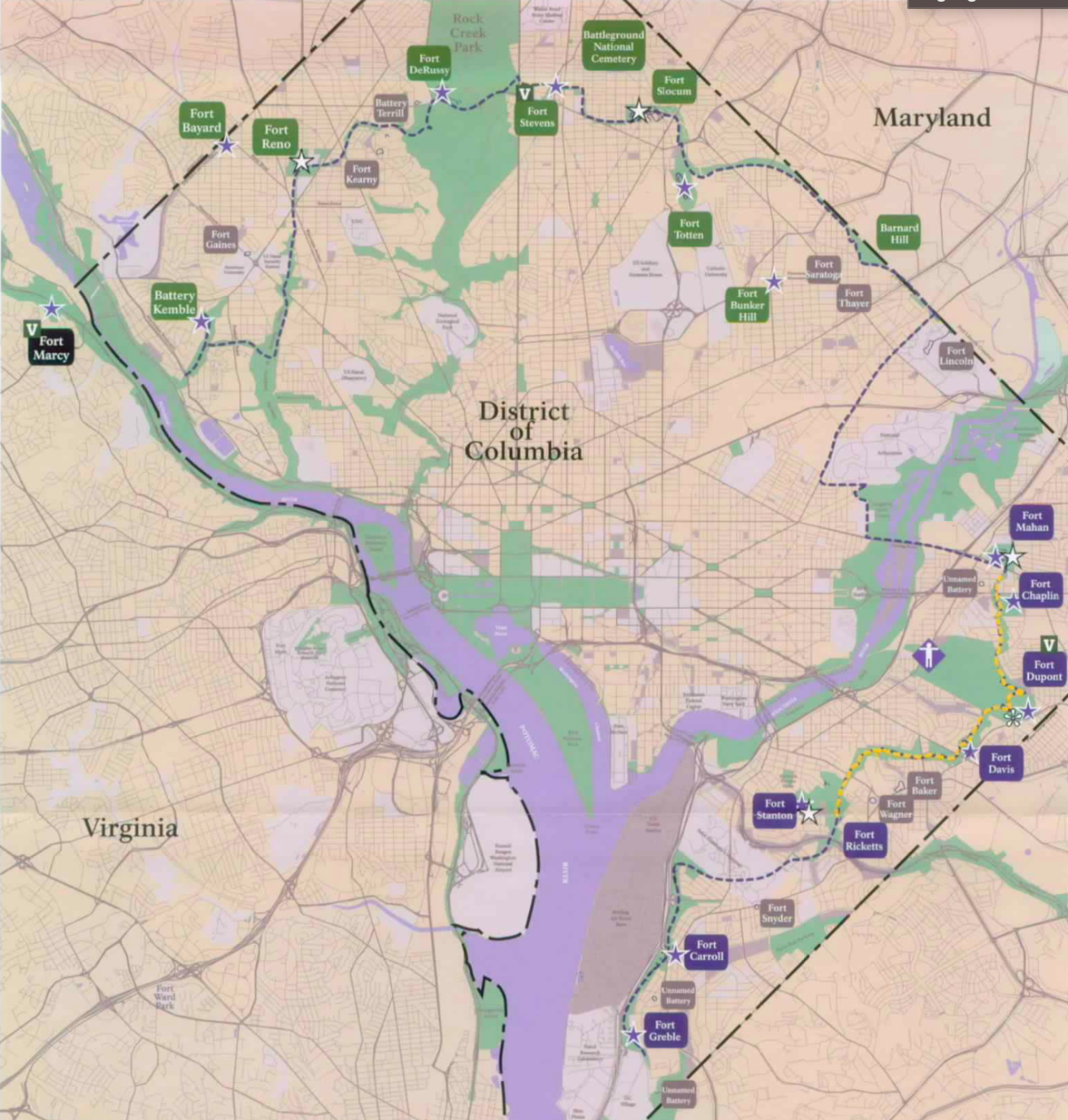
The idea to create a circle of parks preserving the old forts dates back to the 1902 McMillan Plan, which was also responsible for shaping today’s National Mall. Though the federal government bought more than a thousand acres to create the Fort Circle Parks, starting in the 1920s, the plan to link them via a scenic parkway never happened. (This is where the “parkway” in Shepherd Parkway comes from.)
In 1965, there was a proposal for a greenway trail, rather than a parkway. This was also never fully realized, but did result in the construction of a 6.2 mile trail linking Fort Stanton in Ward 8 with Fort Mahan in Ward 7. A 1968 plan envisioned expanding that to a 23 mile trail. A 2004 NPS park management plan recommitted to the idea of a 23 mile trail, but again, it has not been built. However, in Northwest, many of the parks do already have trails in place along the route, including in Rock Creek Park, Glover Archbold Park, and Battery Kemble Park.
Mona Rayside, a board member with Ward 8 Woods who lives in Anacostia, says there’s a simple reason the government hasn’t invested in parks in her neighborhood.
“They think that Black people don’t camp or hike, or that it’s going to be too dangerous,” Rayside says.
She says the forests in Ward 7 and 8 could be a “green crown jewel” in the District, if properly cared for. “It’s just a lack of imagination, and just kind of a lazy dismissal of the potential there,” say Rayside.
The potential, she says, is enormous. “You could take Metro to the woods, you could go hiking, forest bathing, geo caching,” Rayside says.
NPS didn’t respond to multiple requests for comment for this story, though the park service has recently proposed improvements to Shepard Parkway. In 2020, NPS floated a concept for a path along the edge of the forest, but not into the forest.
Harrington and Jones say that’s not good enough: they want a trail that will get people into the woods, not just next to the woods. They say they’ve heard some problematic statements from officials about why they don’t want to build a trail through the forest here.
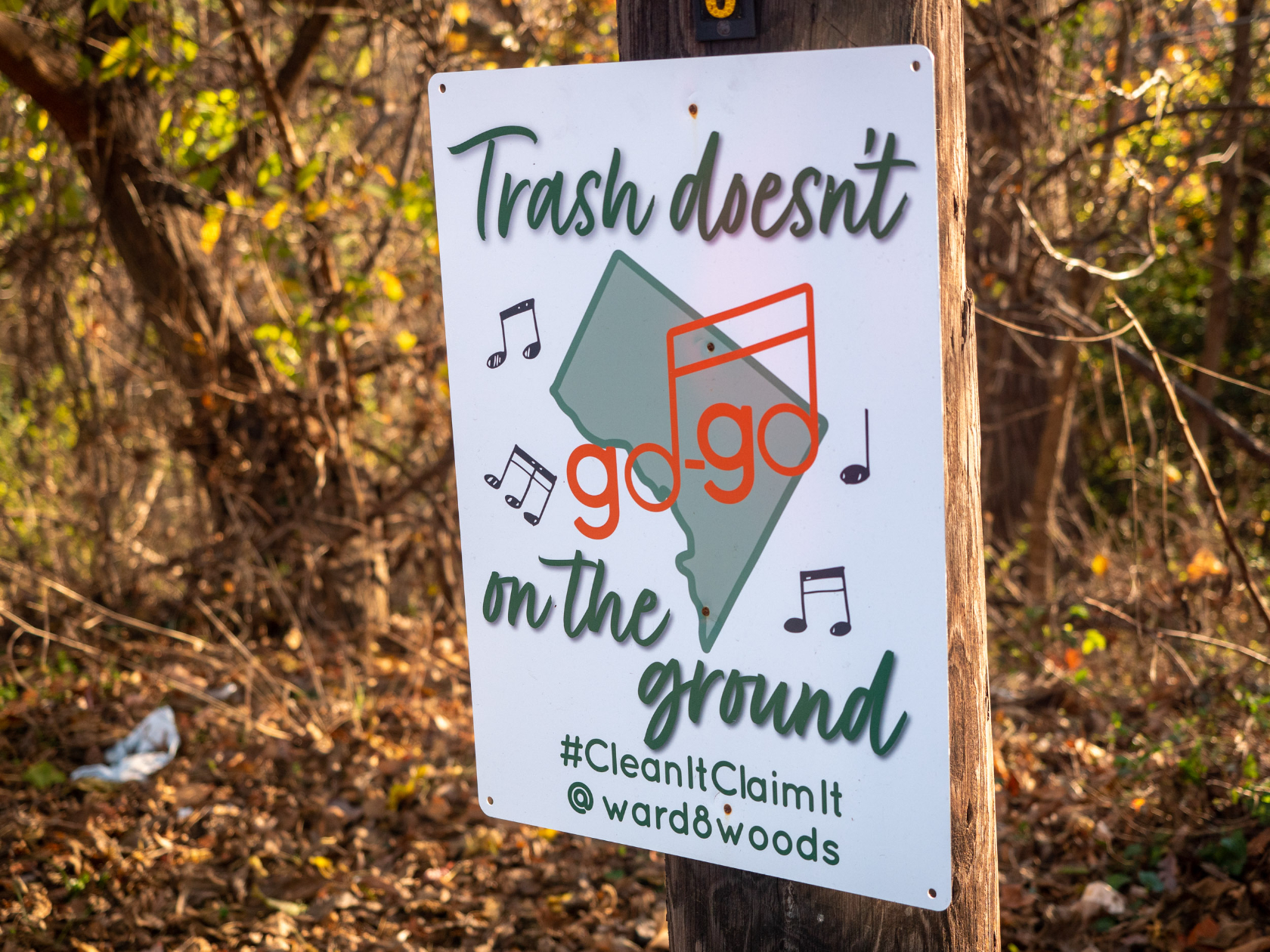
“They feel that we shouldn’t build trails because of dumping and littering. They think people don’t value the land and therefore they shouldn’t have a trail. We think that’s really backwards thinking,” Harrington says.
“People tend to care more — if there was a trail here, maybe they would be less inclined to throw trash on the ground, and actually use the space,” Jones adds.
If you want people to value the land, they say, you need to invest in it.